How That Shows Up in the Door
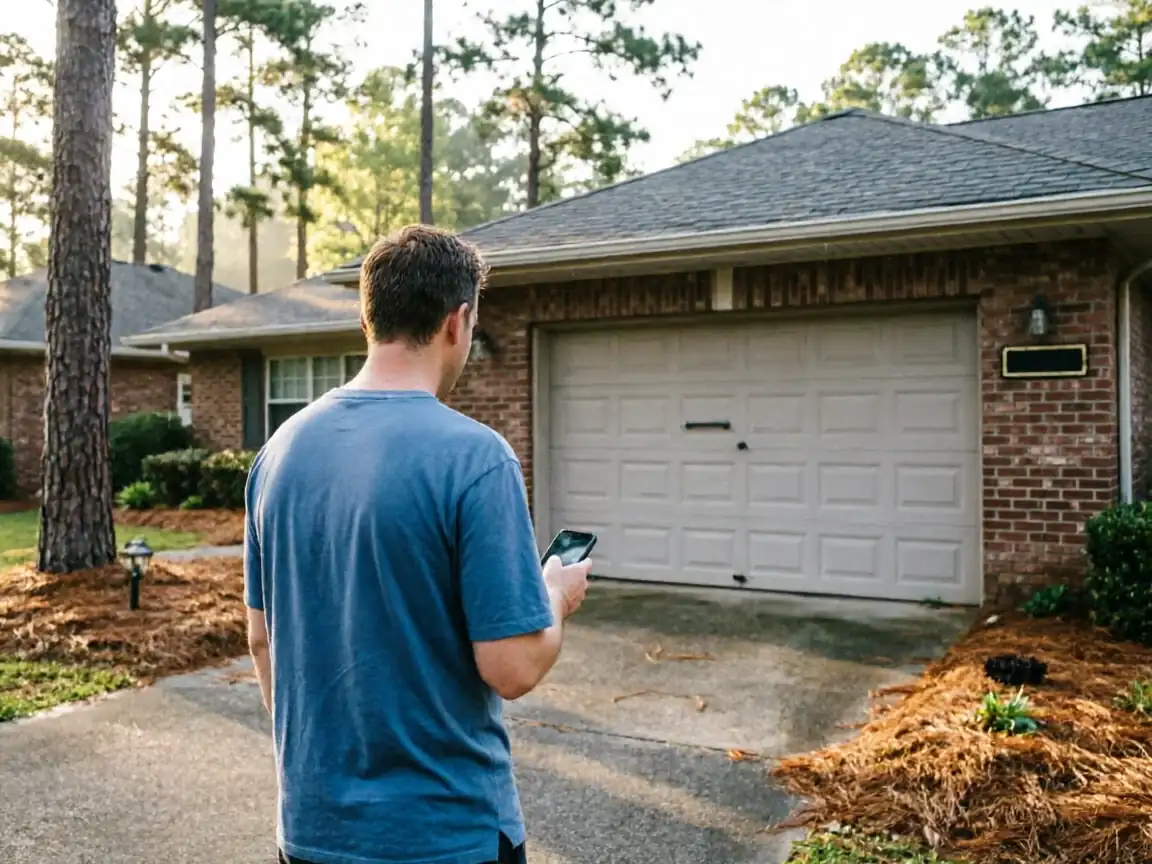
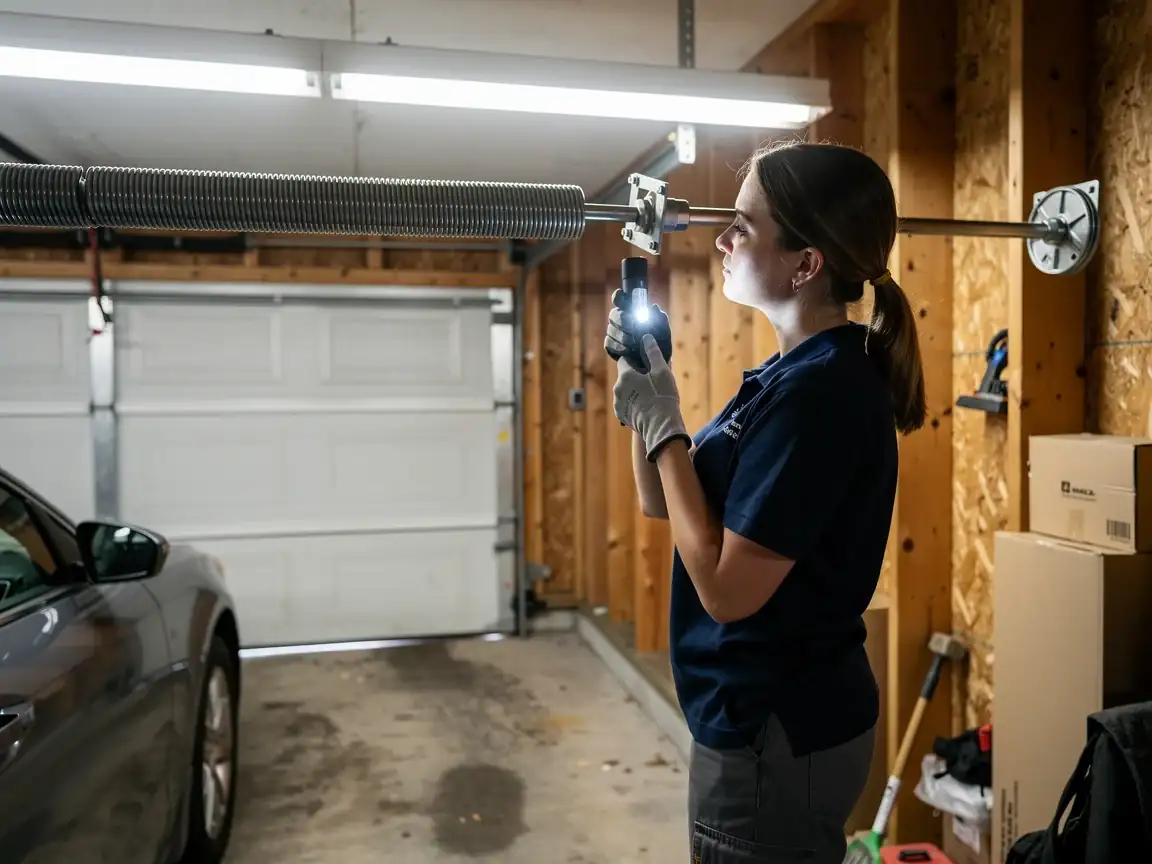
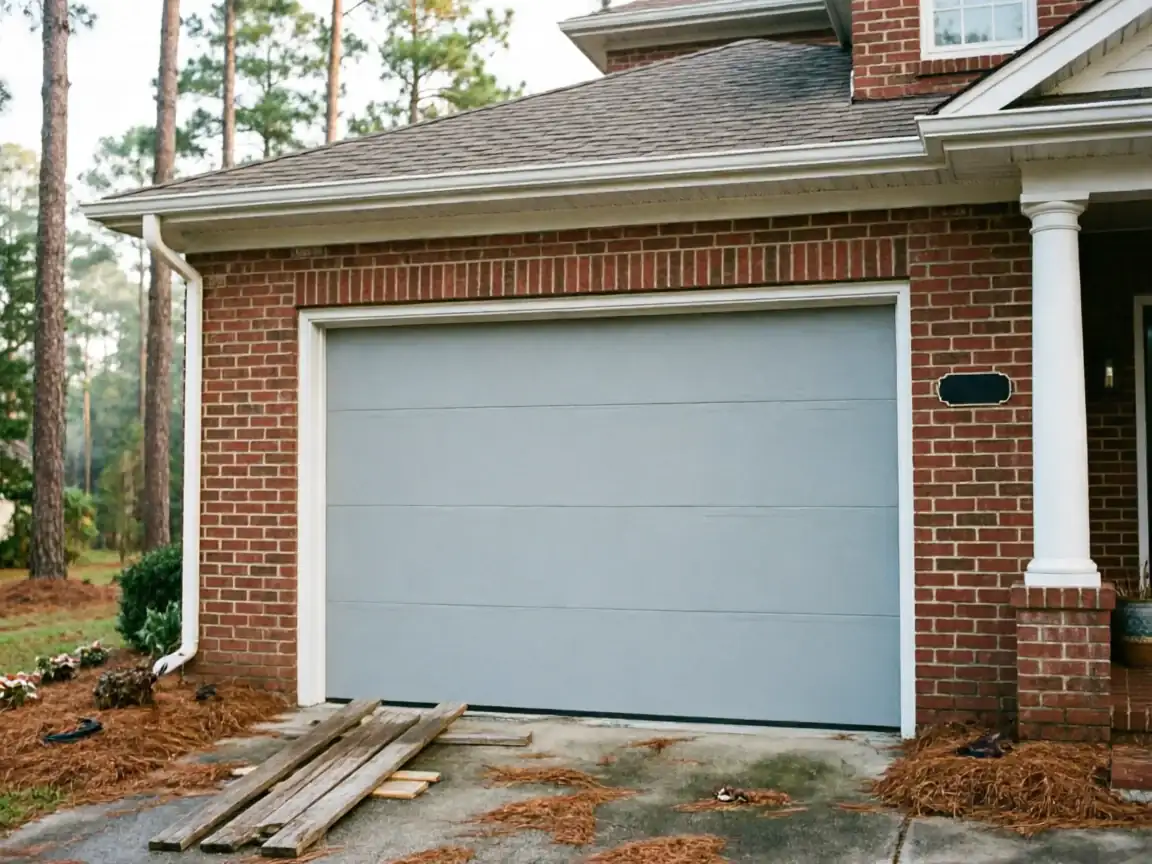
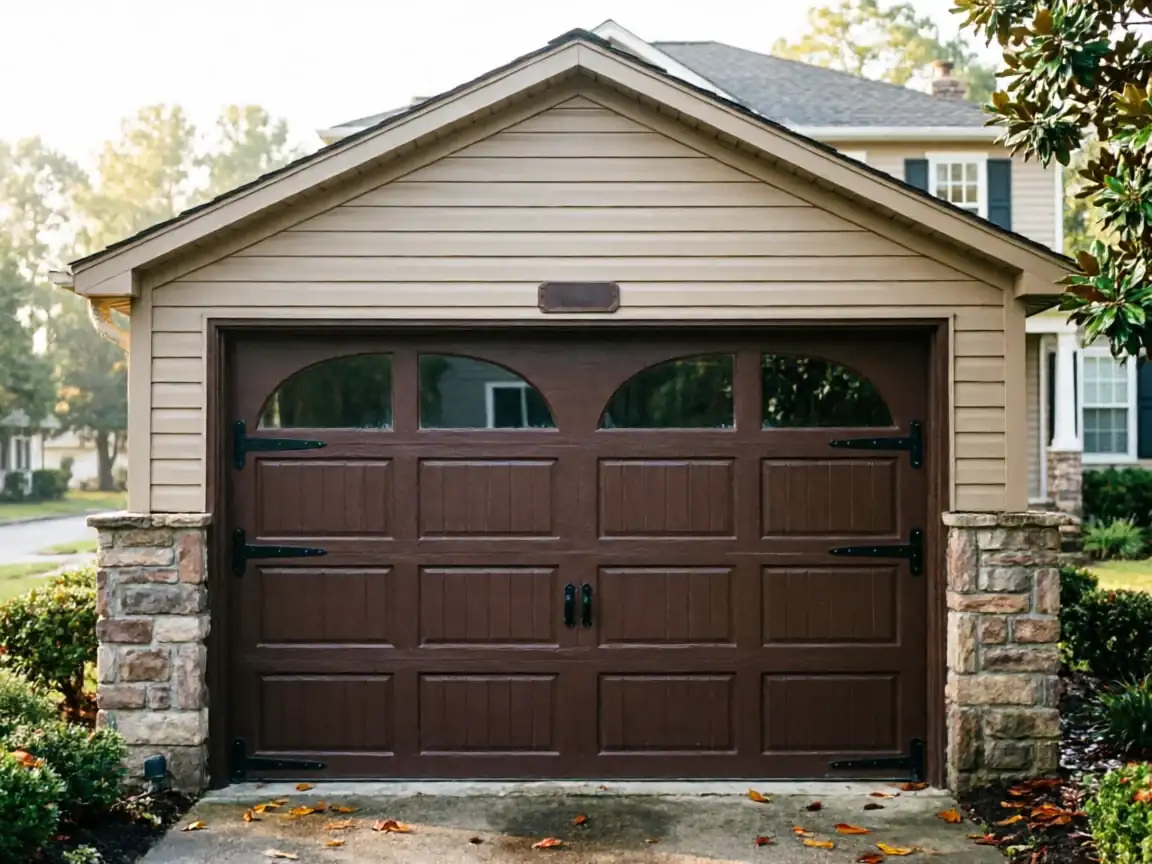
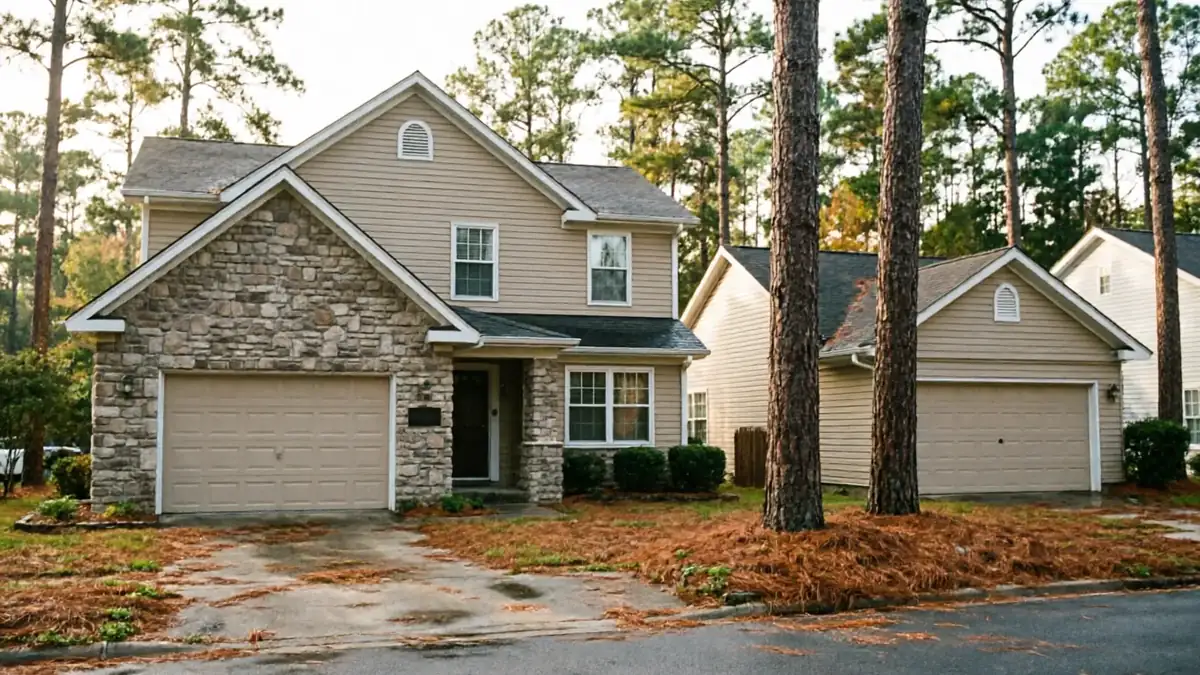
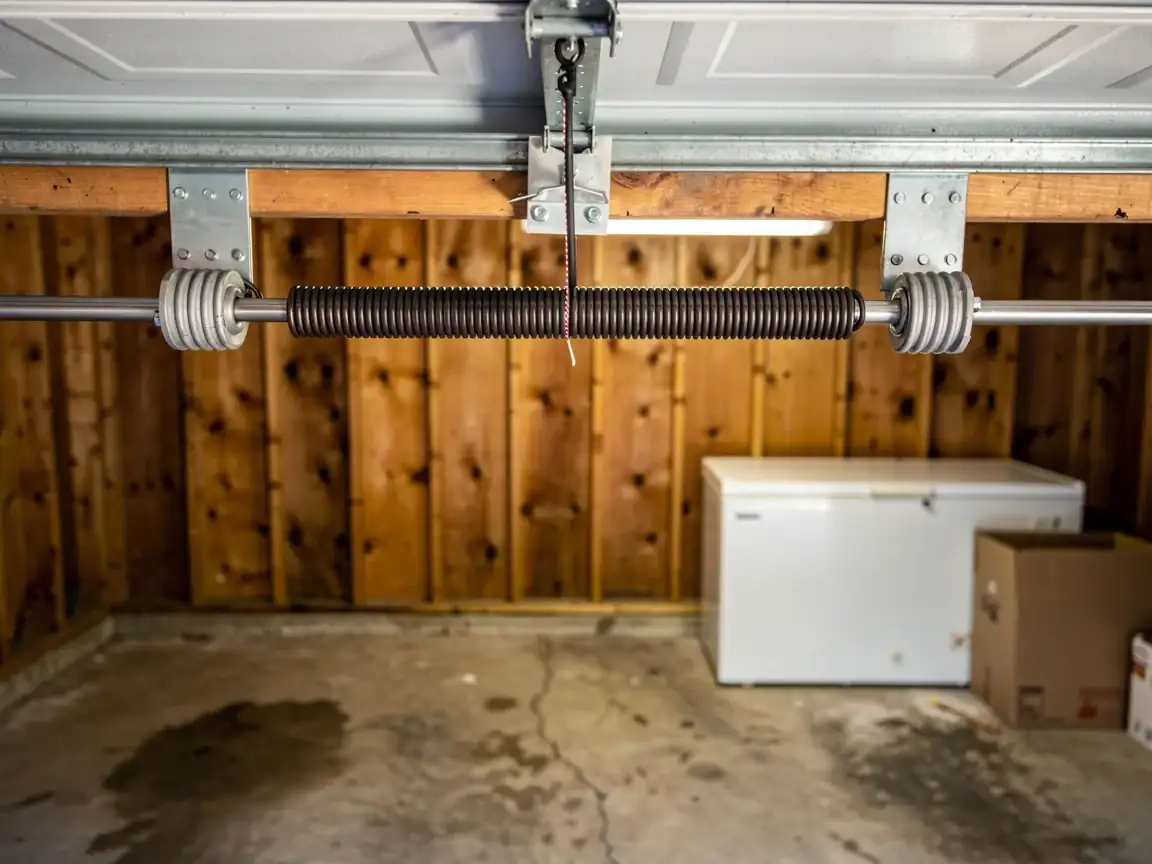
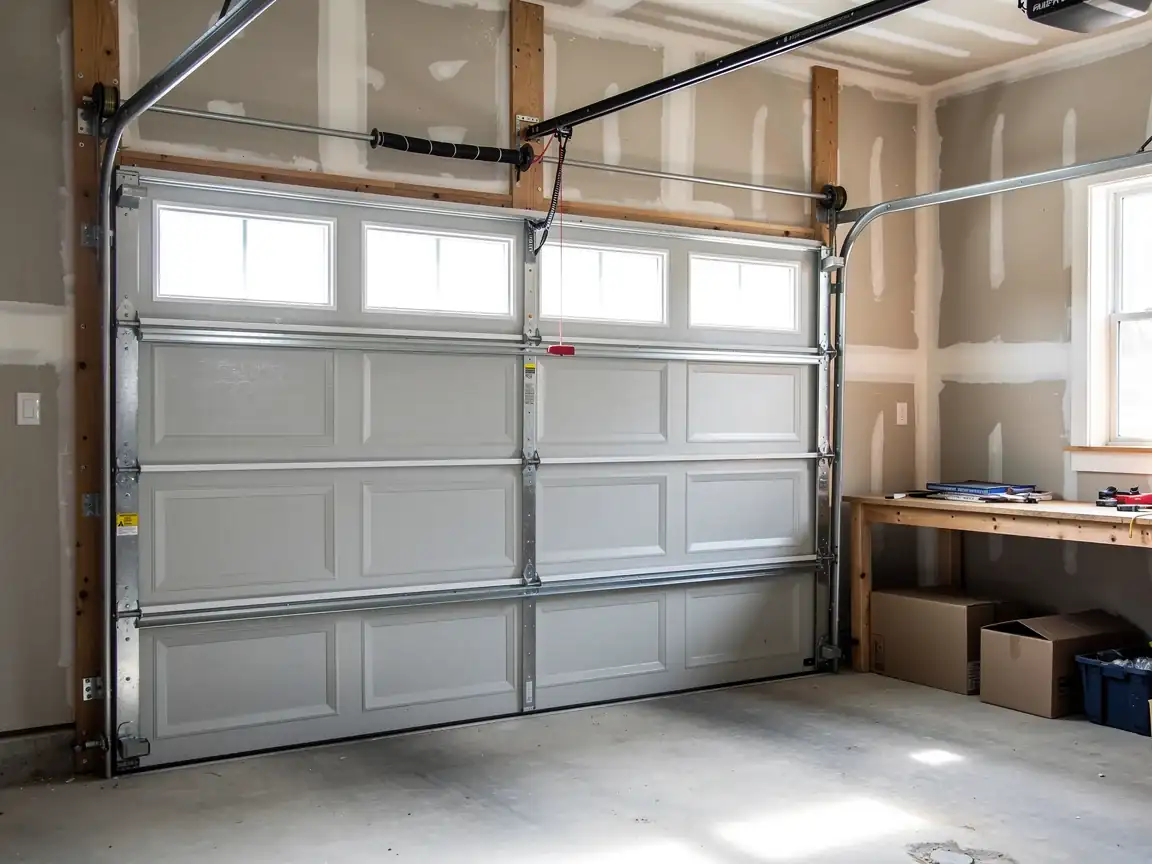
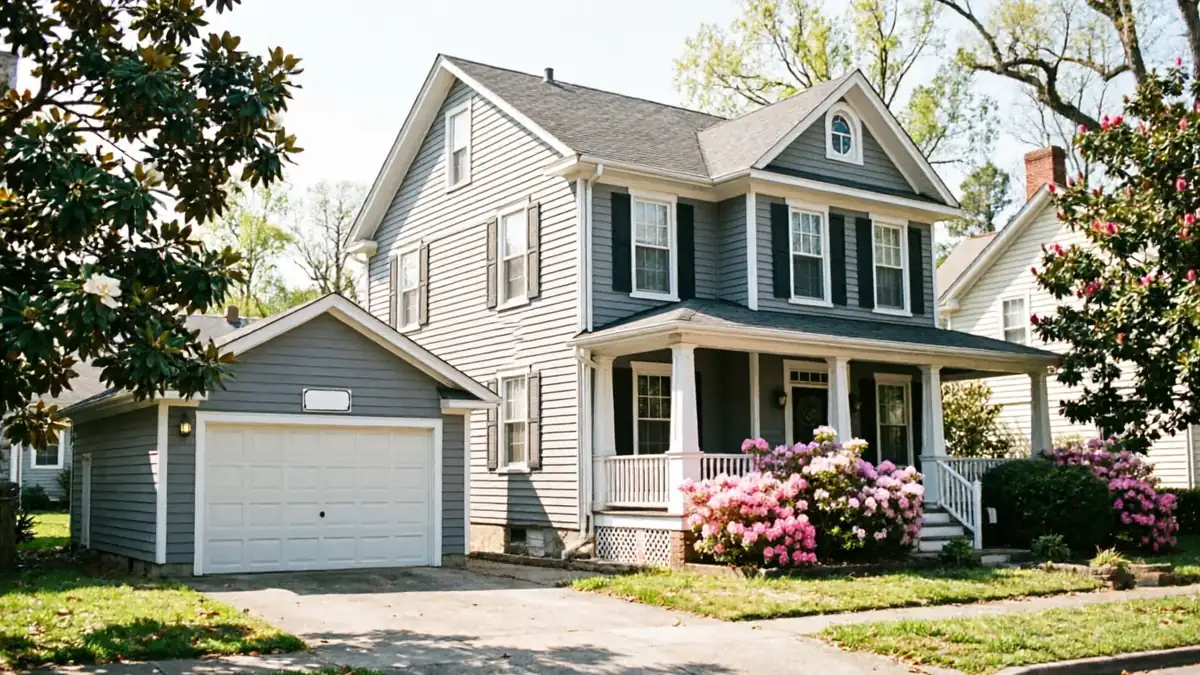
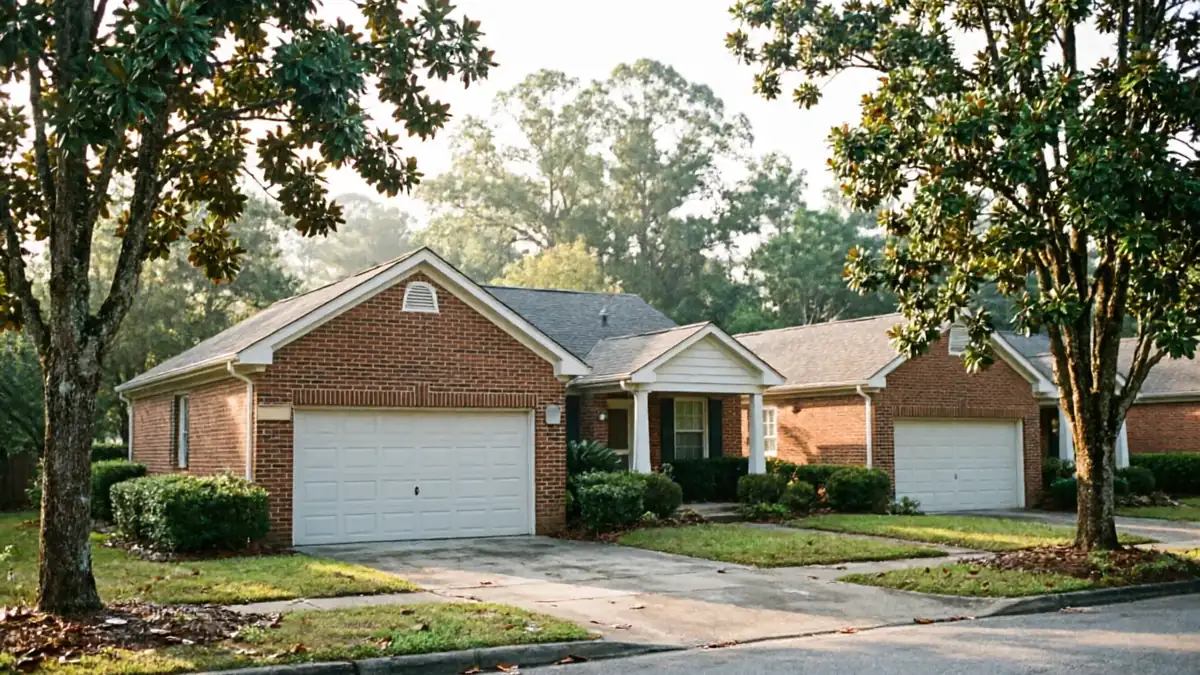
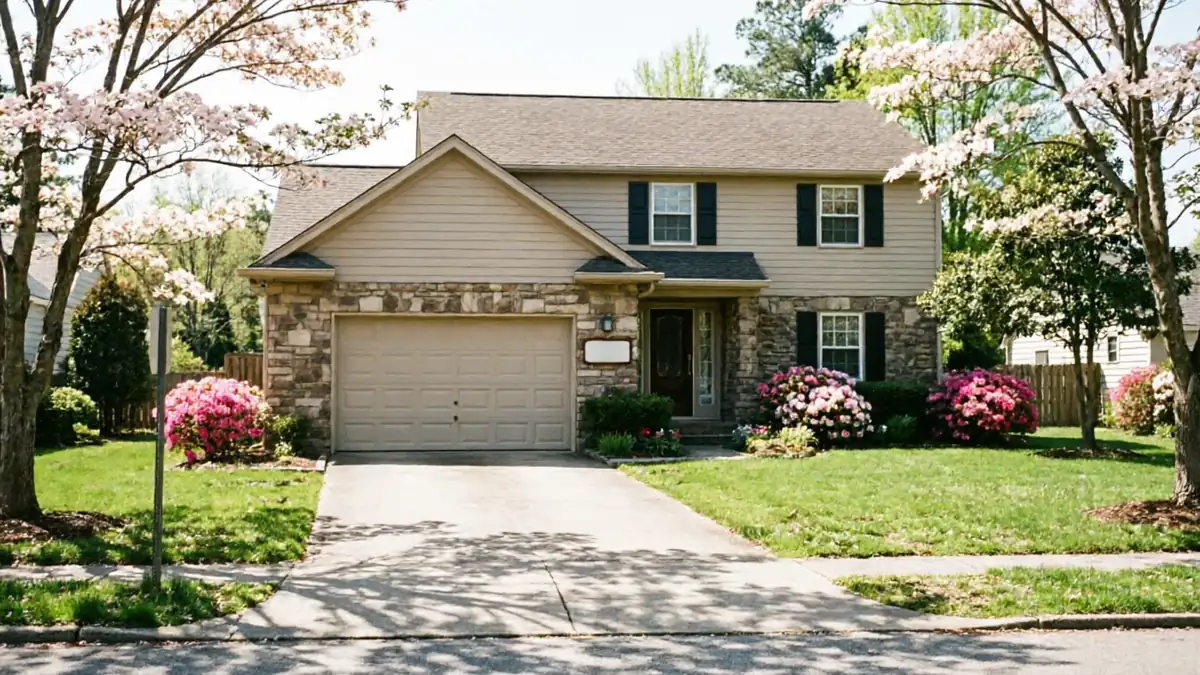
Montgomery's housing runs older than the service area's overall median. Citywide, the typical home dates to around 1990; here in Montgomery the median build year is 1984, which puts a good share of the neighborhood's garages a full builder's cycle earlier than newer pockets like Richmond Hill or Rincon. That six-year gap matters more than it sounds. Doors and openers installed in the early-to-mid 1980s were built to a different set of standards - lighter-gauge steel sections, older torsion spring sizing, and chain-drive openers that have likely been swapped once or twice already by now. If your opener is original to the house, it's a mechanical antique, not a repair candidate; the control boards and safety reversing sensors from that era are long past any supported parts run. We see more cable fraying and bottom bracket wear on doors from this build window, simply because they've had four extra decades of lift cycles compared to a house finished in the late 1990s.
The Houses Here
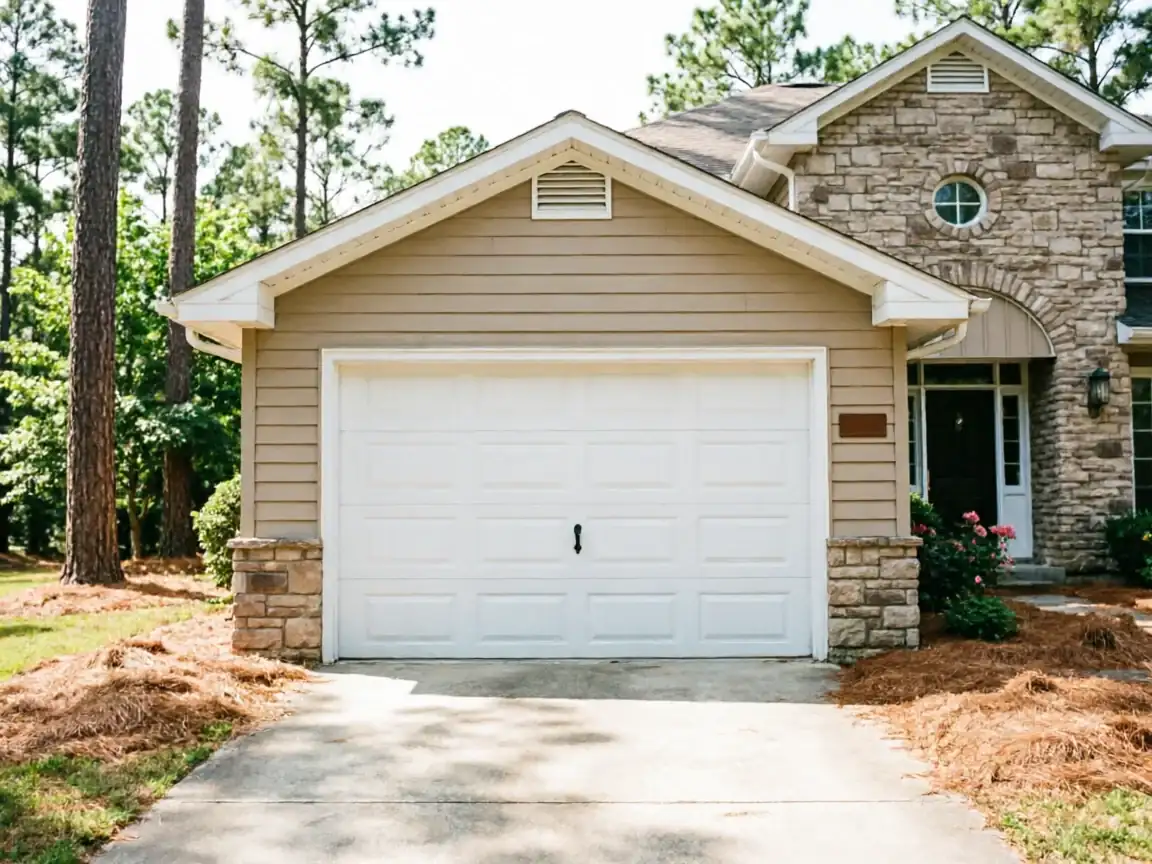
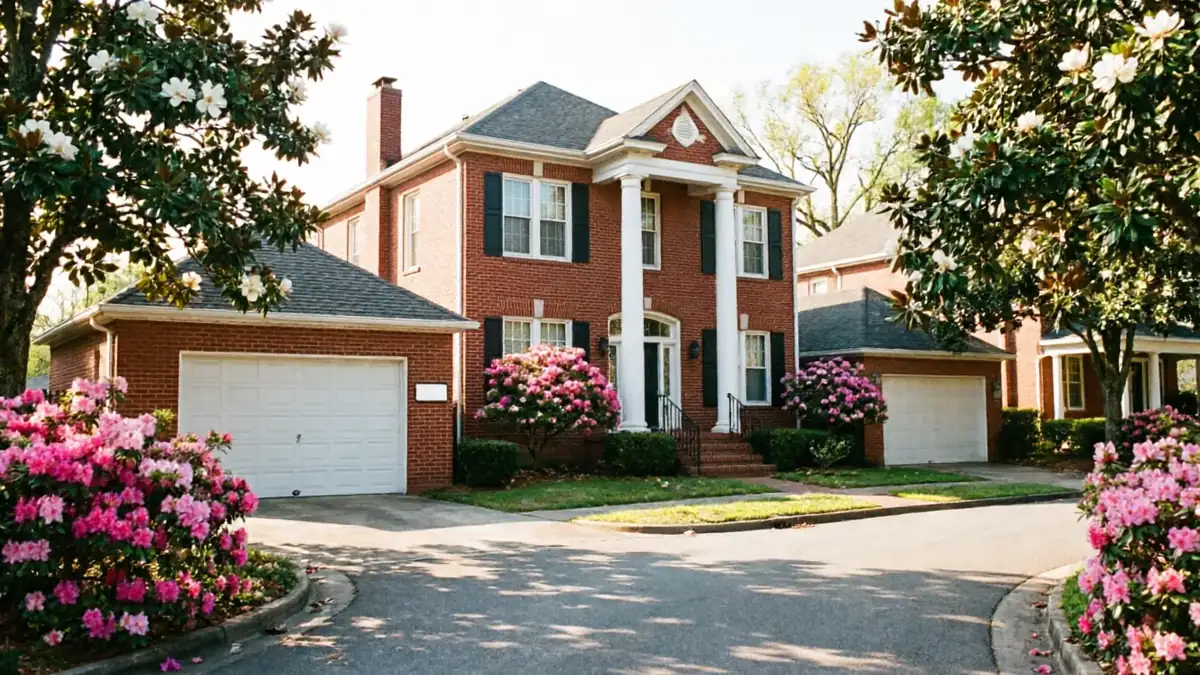
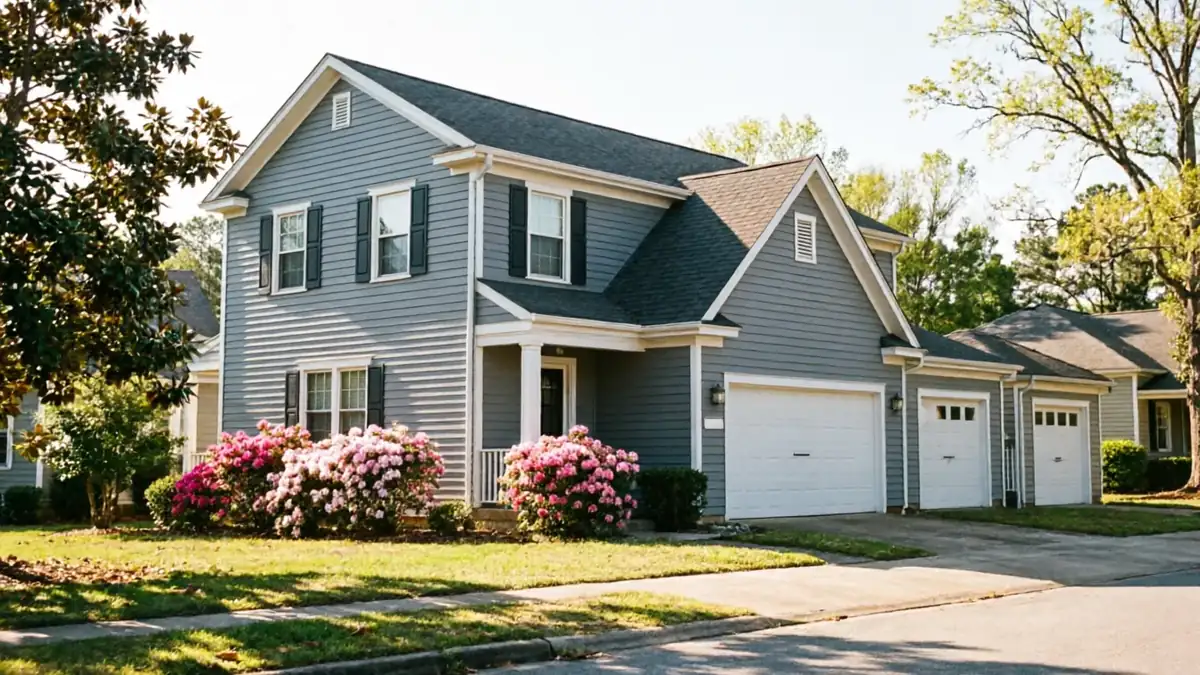
Montgomery has 1,874 households, a small, settled pocket compared to the roughly 45,600 households across the wider service area. Income here runs at the area median of $86,500, which tracks with what we see across most of the 15 named communities we cover - it's a working, owner-heavy area, not a stretch of rentals where nobody calls about a noisy opener until it quits outright. The climate band here is mild with the occasional freeze, nothing like the hard winters that chew up weatherstripping and bottom seals further north, so the failures we run into in Montgomery tend to be age and wear, not cold-snap cracking. Given the 1984 median build year, that wear shows up as worn rollers, sagging torsion springs that have outlived their rated cycle count, and bottom seals that have hardened and cracked from four decades of Savannah-area humidity rather than from freeze damage.