What to Look At First
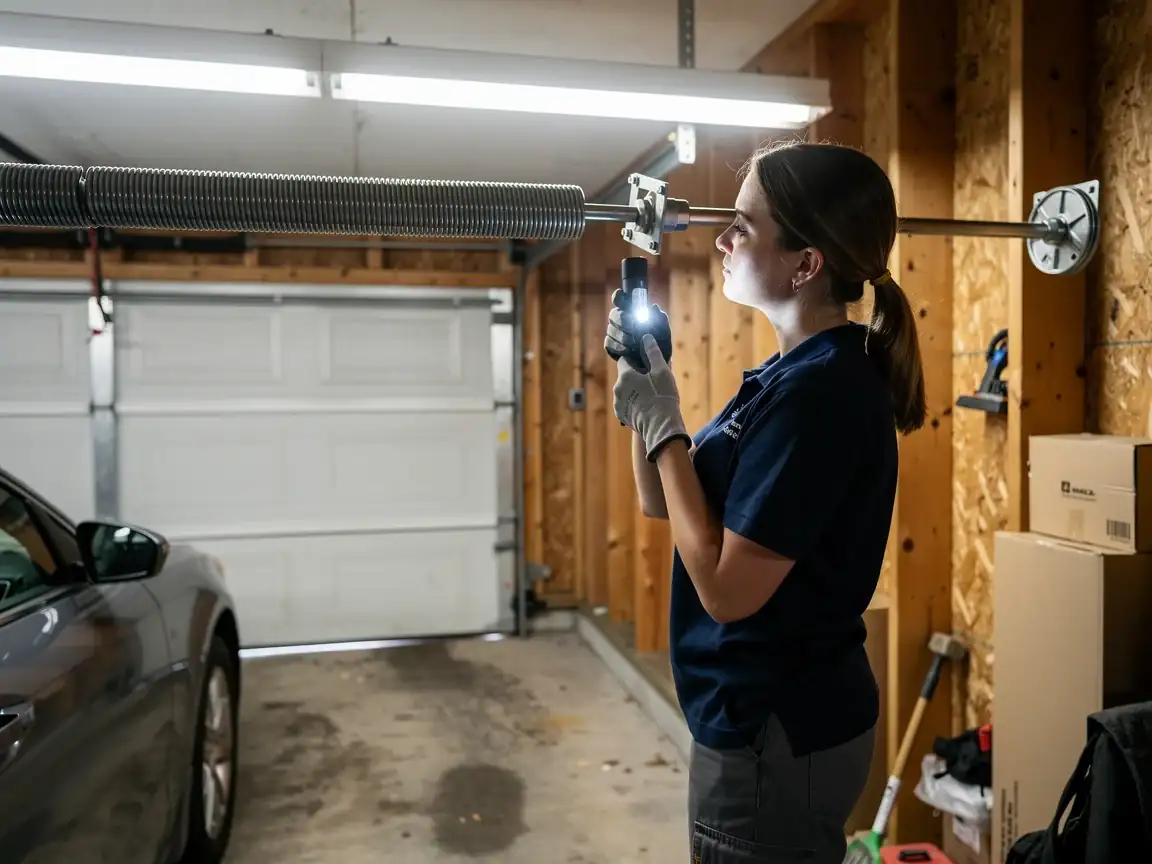
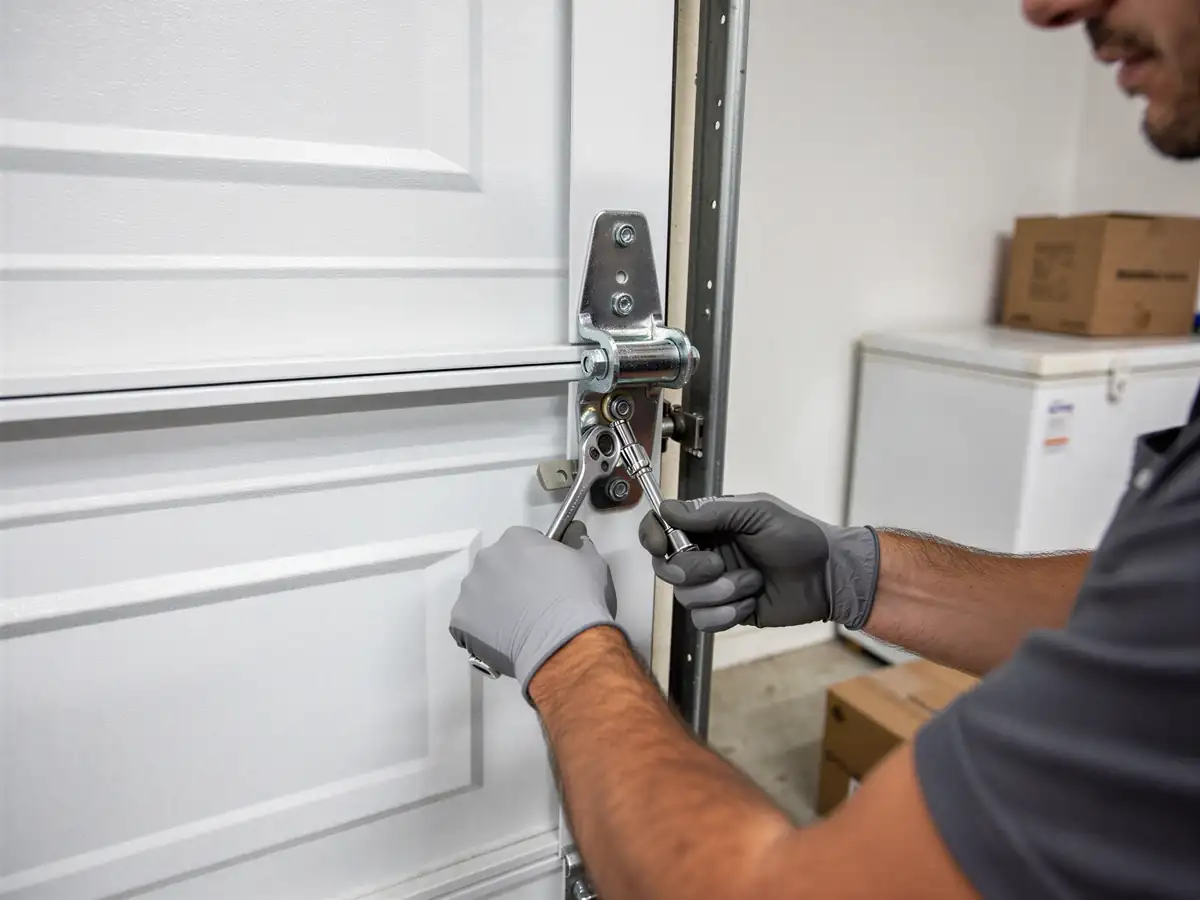
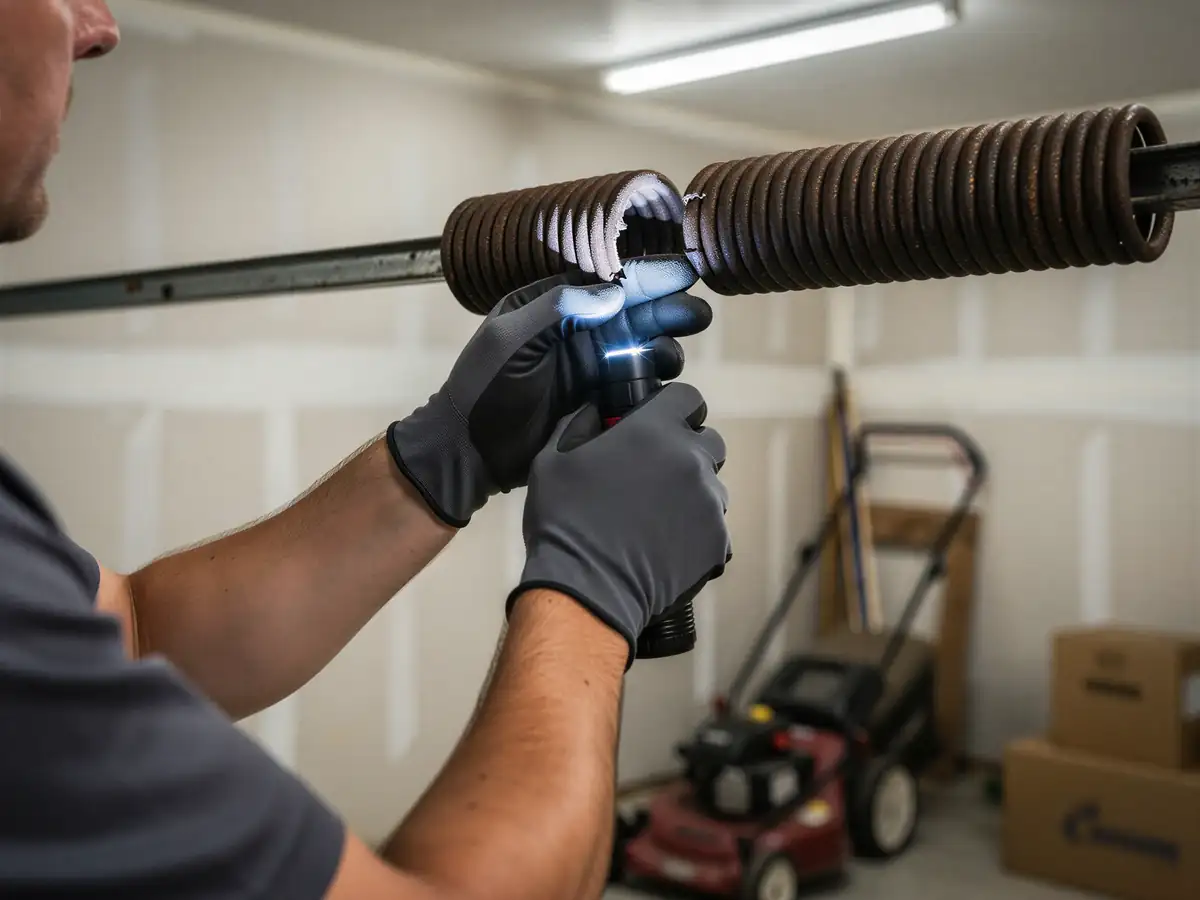
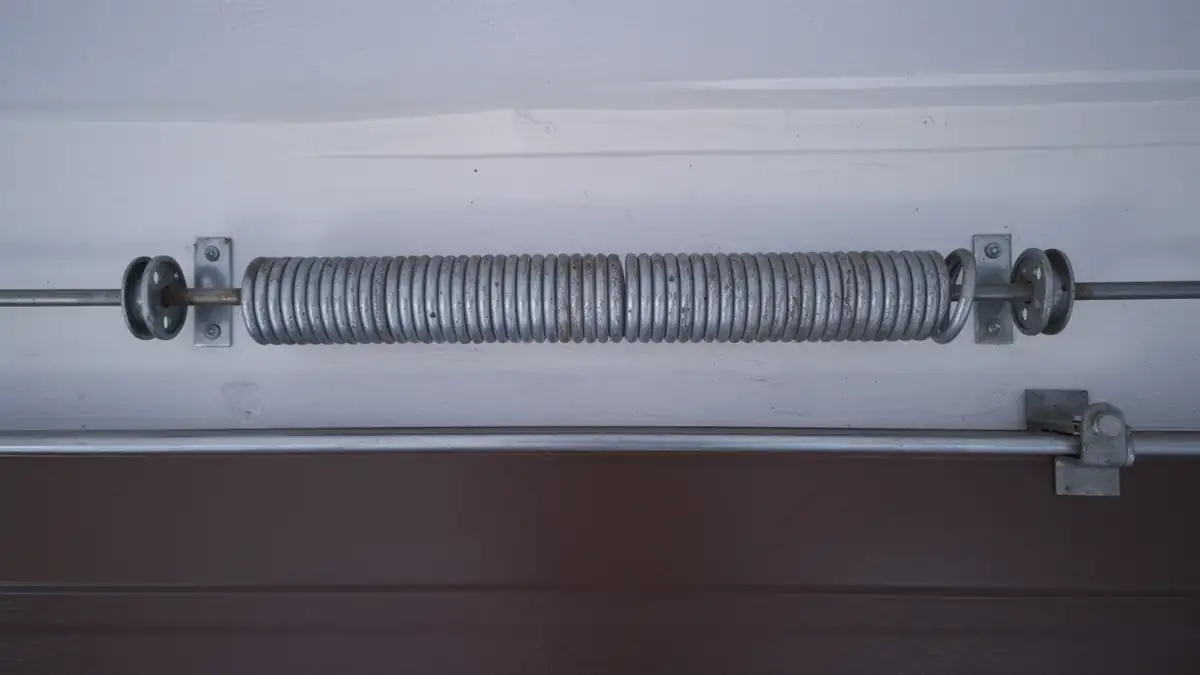
Start with the age of the door, not the weather. Housing in this service area went up mostly between 1964 and 2011, with the bulk of it built through the 1980s and 90s. If your house falls in that window, the torsion spring on your door could be original, or close to it, which puts it well past a normal service life even if it's never visibly failed. Look for a gap in the coils when the door is down, that's a spring under less tension than it should be. Listen for a loud bang from the garage, that's often the spring letting go, not the door itself. Check whether the door opens unevenly or one side looks lower than the other. None of this requires a cold morning to show up, but a cold morning is often what pushes a marginal spring past the point where it still holds. If you haven't had the spring looked at since the house was built, that's the first thing to ask about, not the opener or the track.
How Local Conditions Play In
Because this area doesn't get sustained freezes, most garage doors here were never built or maintained with cold-weather spring stress in mind the way they might be in a harder climate. That's not a knock on the hardware, it's just not what the doors were built for. So when a freeze night does come through, you're asking 30 or 40 year old steel, in some cases, to handle a stress it rarely sees. The 15 named areas across this service area, including older build-outs like mostly share that same construction window, which means the spring age problem isn't limited to one neighborhood. It shows up anywhere the housing dates to that same era. We don't treat cold-weather spring calls as a different kind of job, the fix is the same any time of year, but we do see more of them clustered around those cold mornings than the rest of the year combined.