Why This Fails Locally
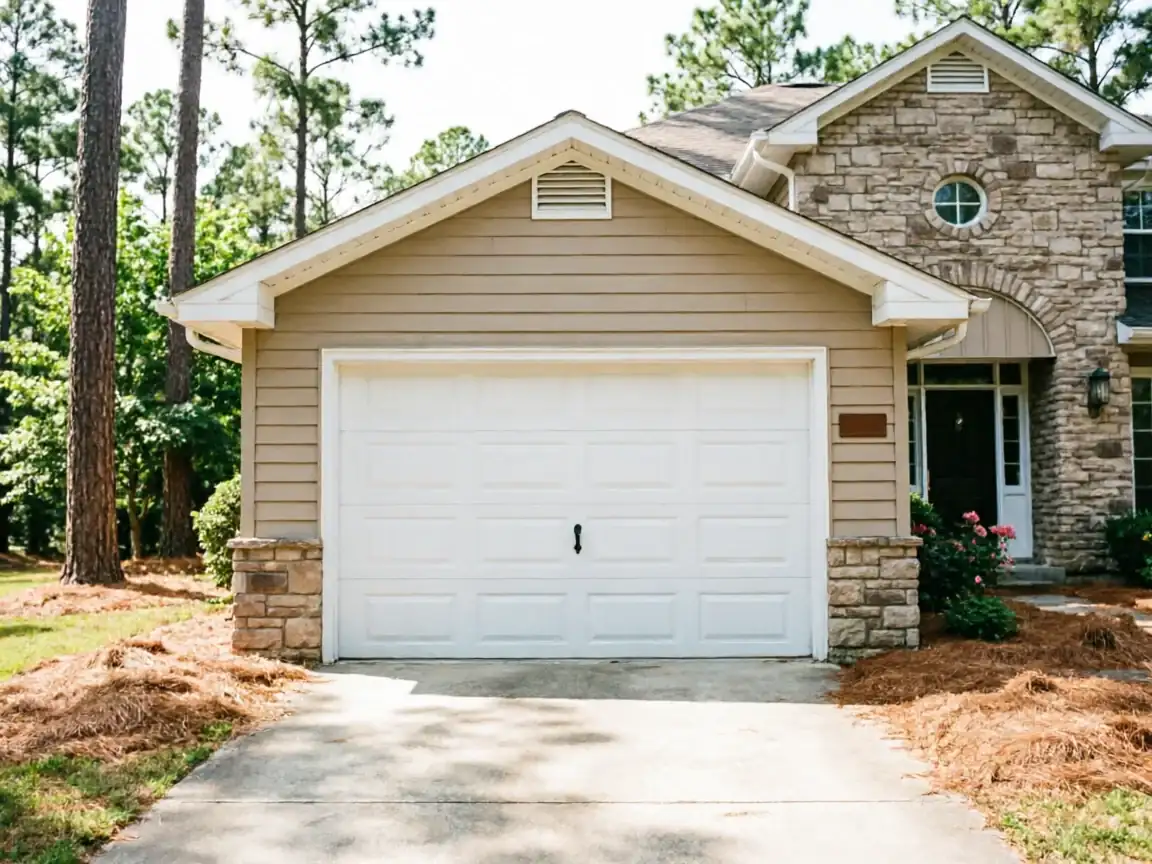
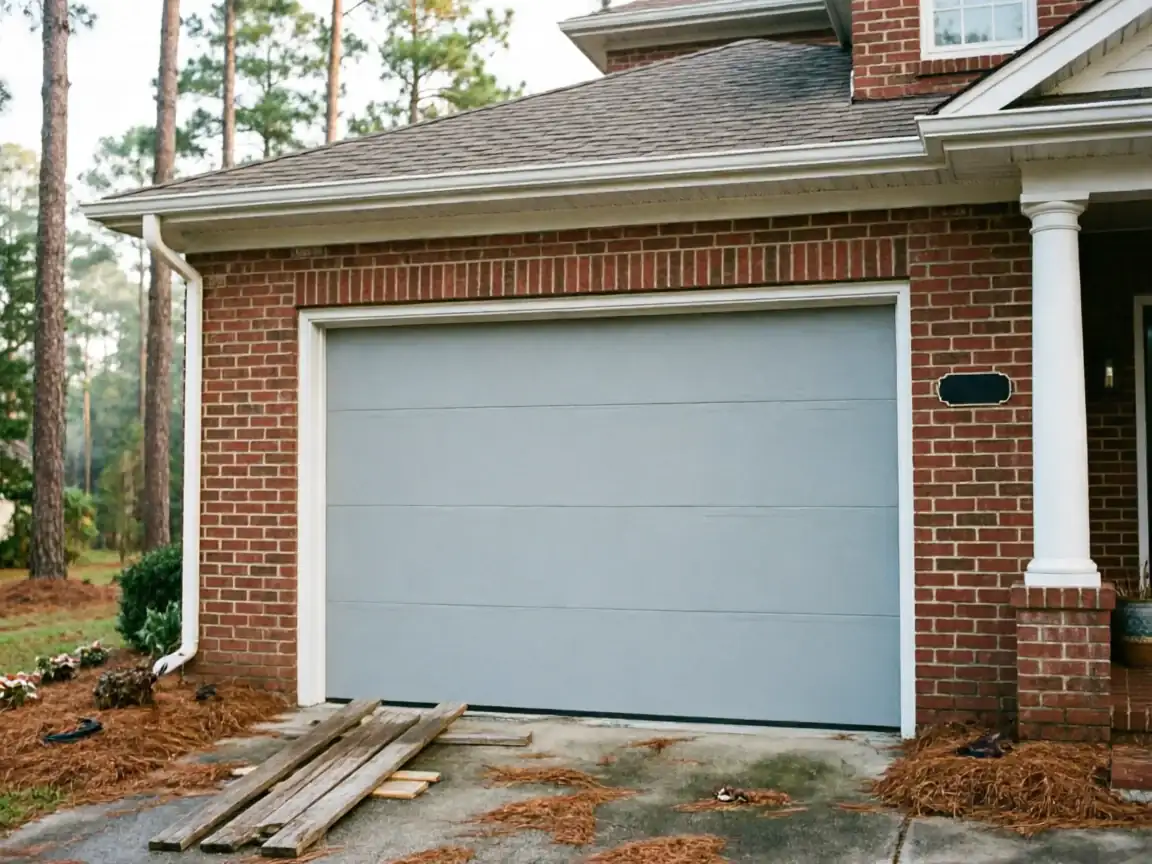
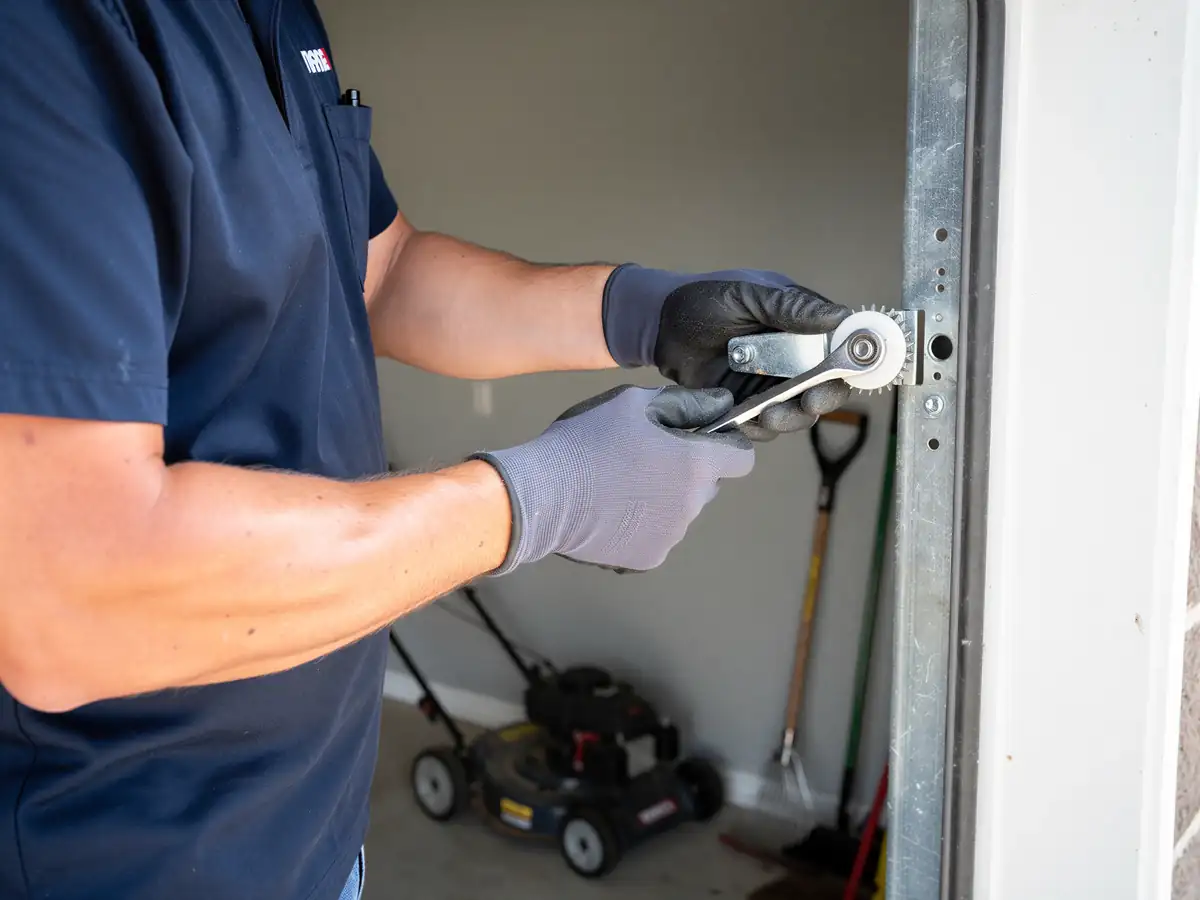
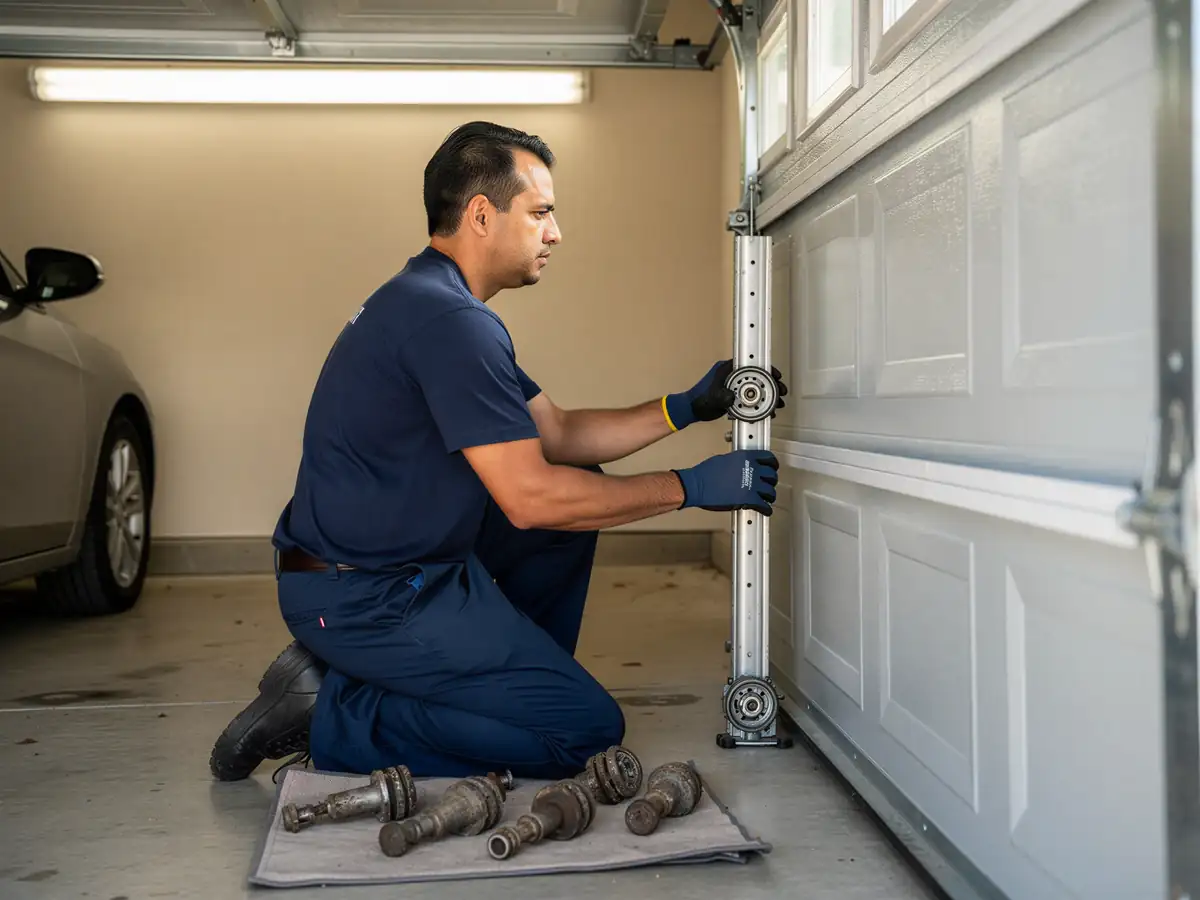
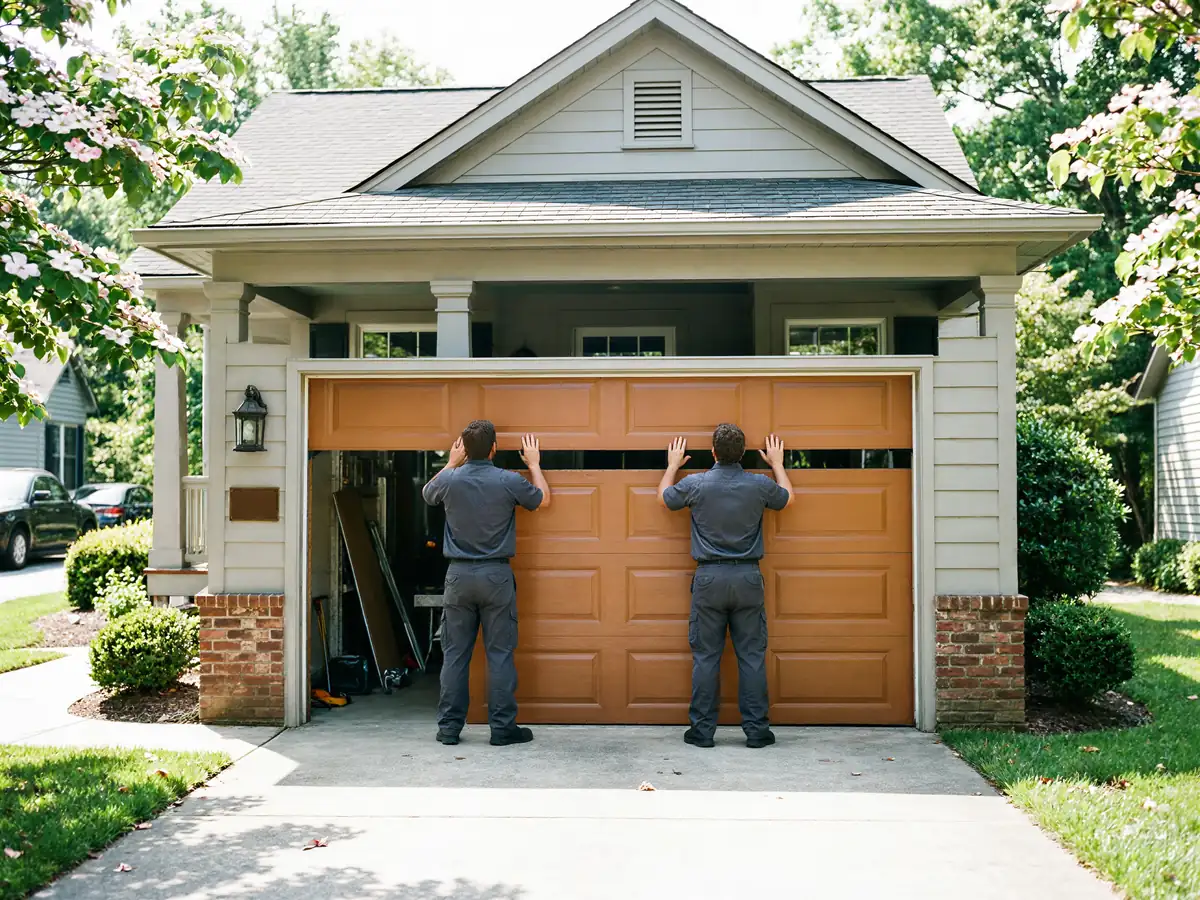
A door installed when a Montgomery house was built in the early-to-mid 1980s is pushing forty years old if it's still original, and the failure mode is usually the track alignment, not the panel. Builders in that era often used lighter-gauge steel jamb brackets than what's standard now, and after decades of seasonal movement those brackets shift just enough that a new door won't hang square against the old framing. The climate here is mild with occasional freeze, so you're not fighting the extreme swings that crack seals the way colder regions do, but that occasional freeze still stiffens old nylon rollers and tightens tolerances right when you don't want a bind. We see openings in this area where the jamb itself needs minor reframing before a new door goes in square. That's not an upsell; it's what a 1984-era opening sometimes needs, and skipping it means the door you just paid for starts rubbing a track within a year.
The DIY Question
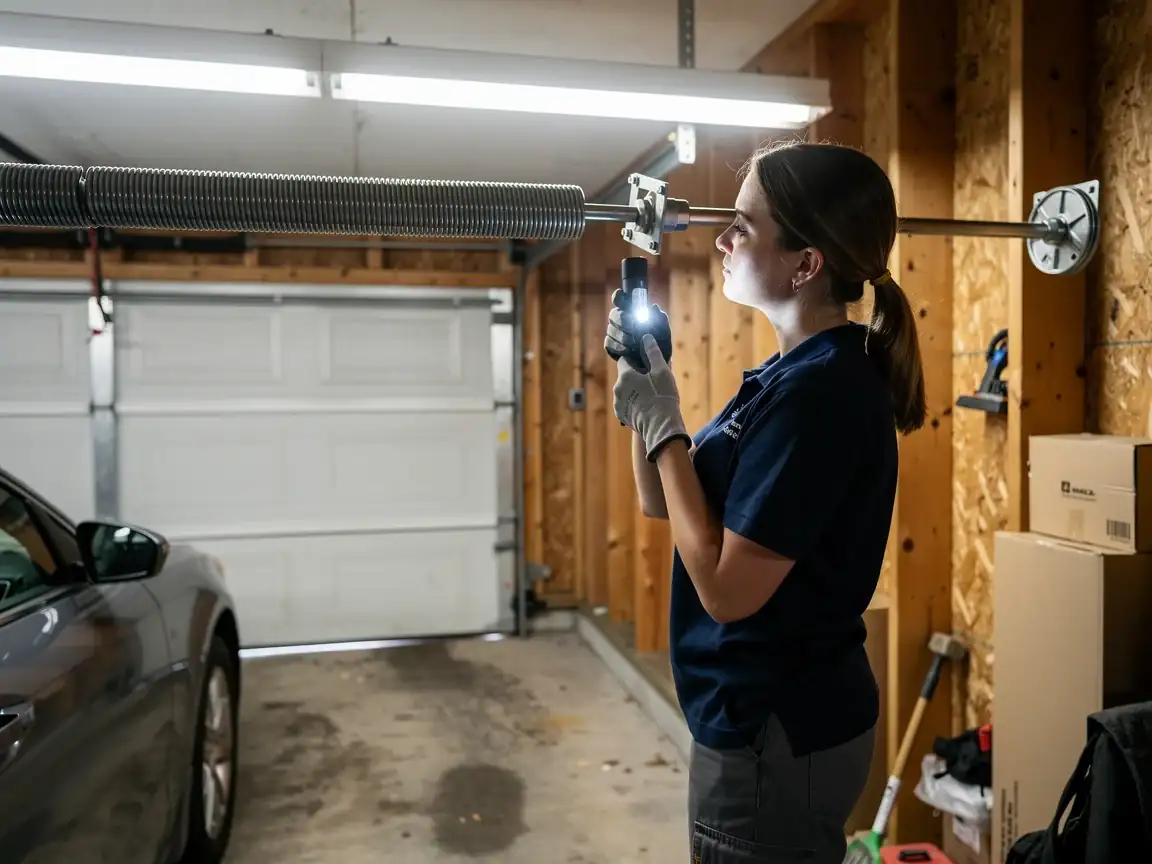
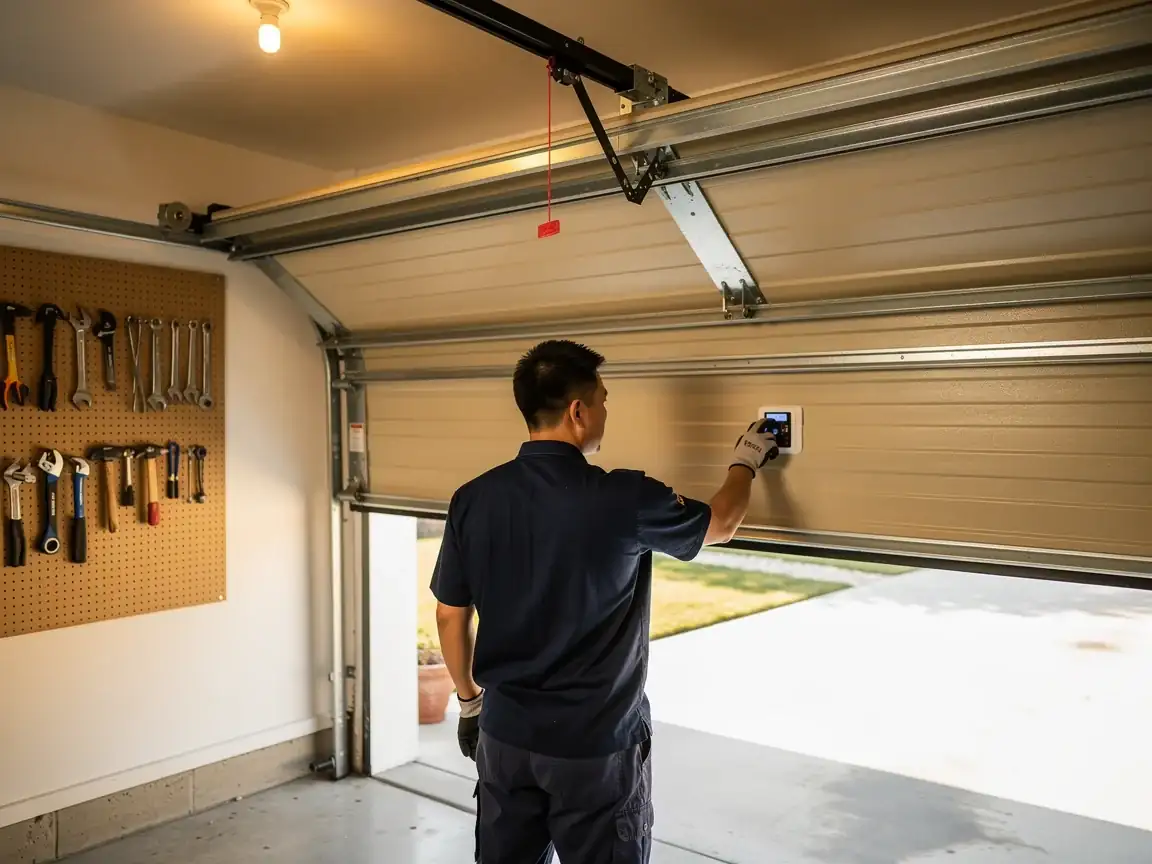
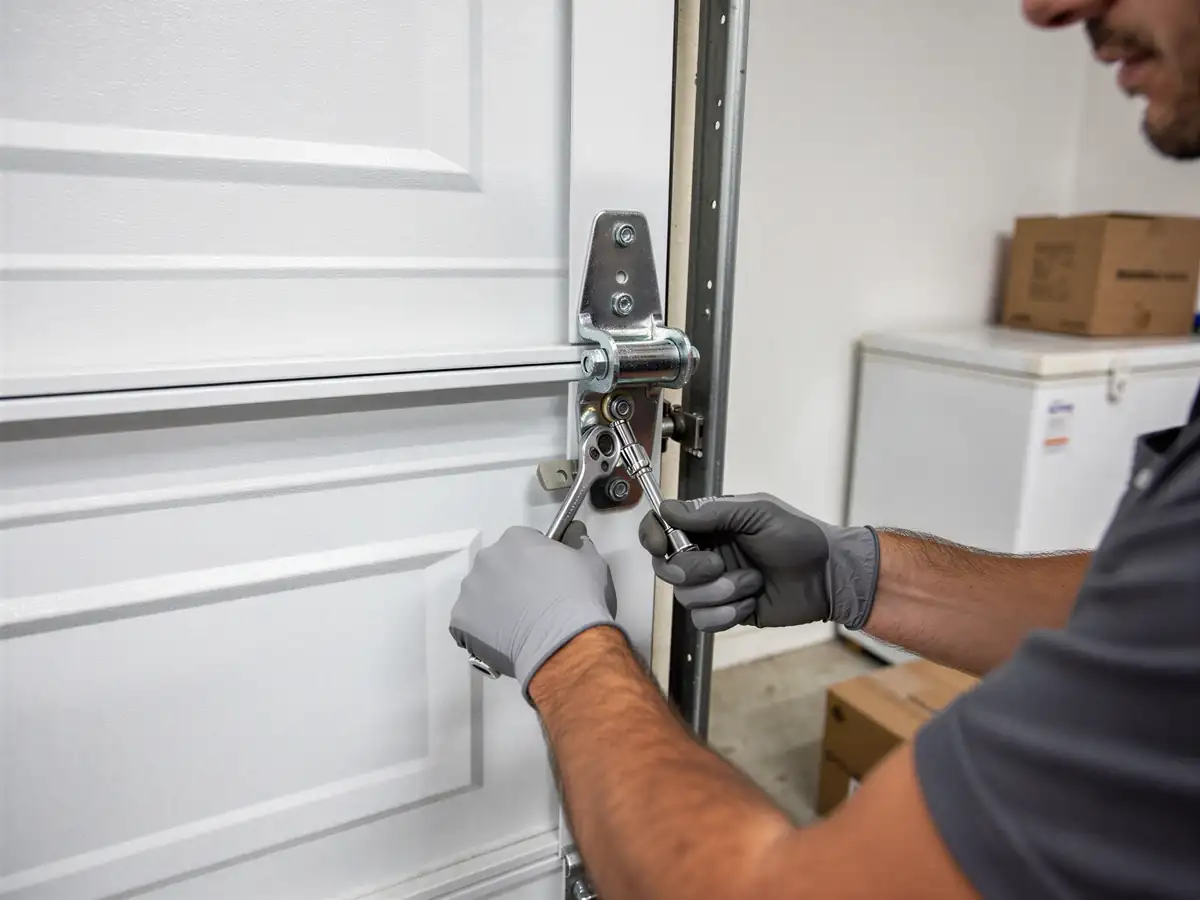
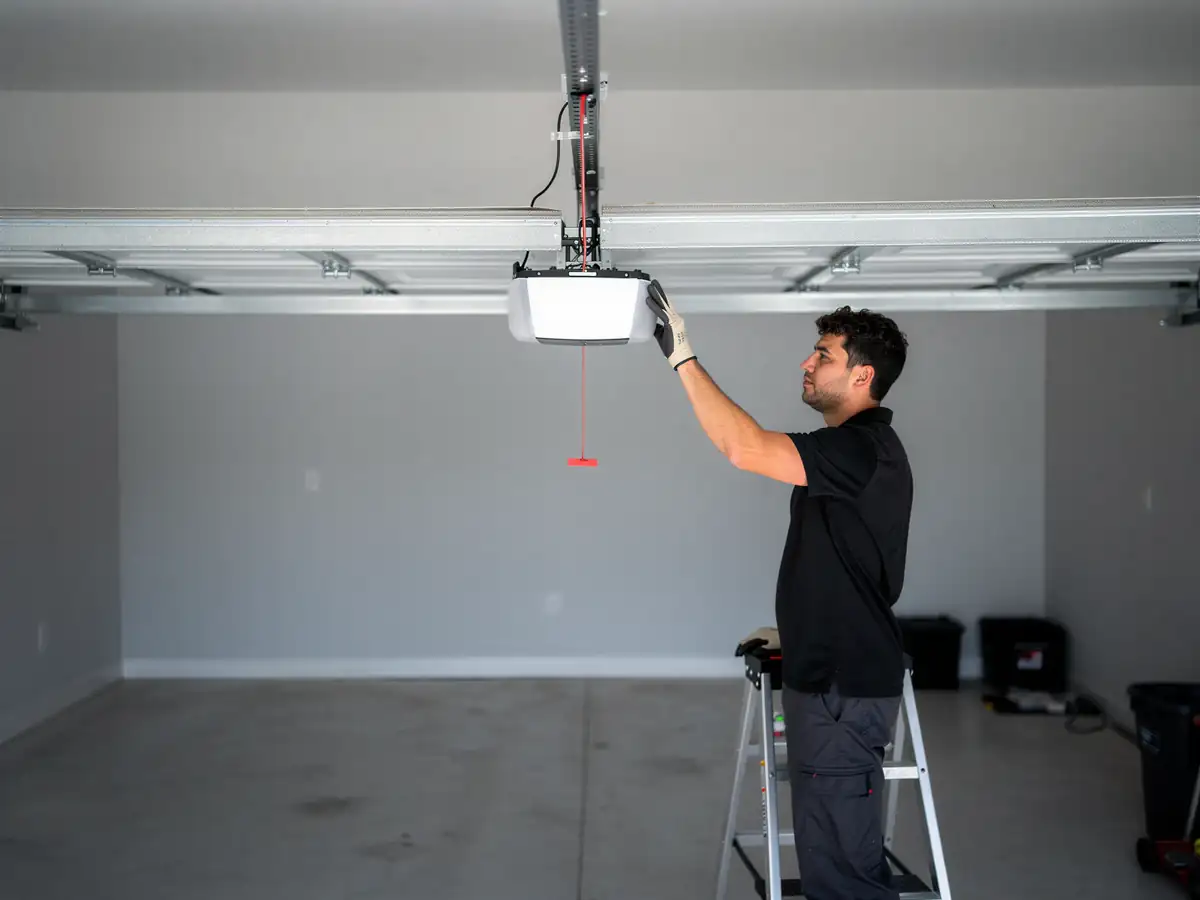
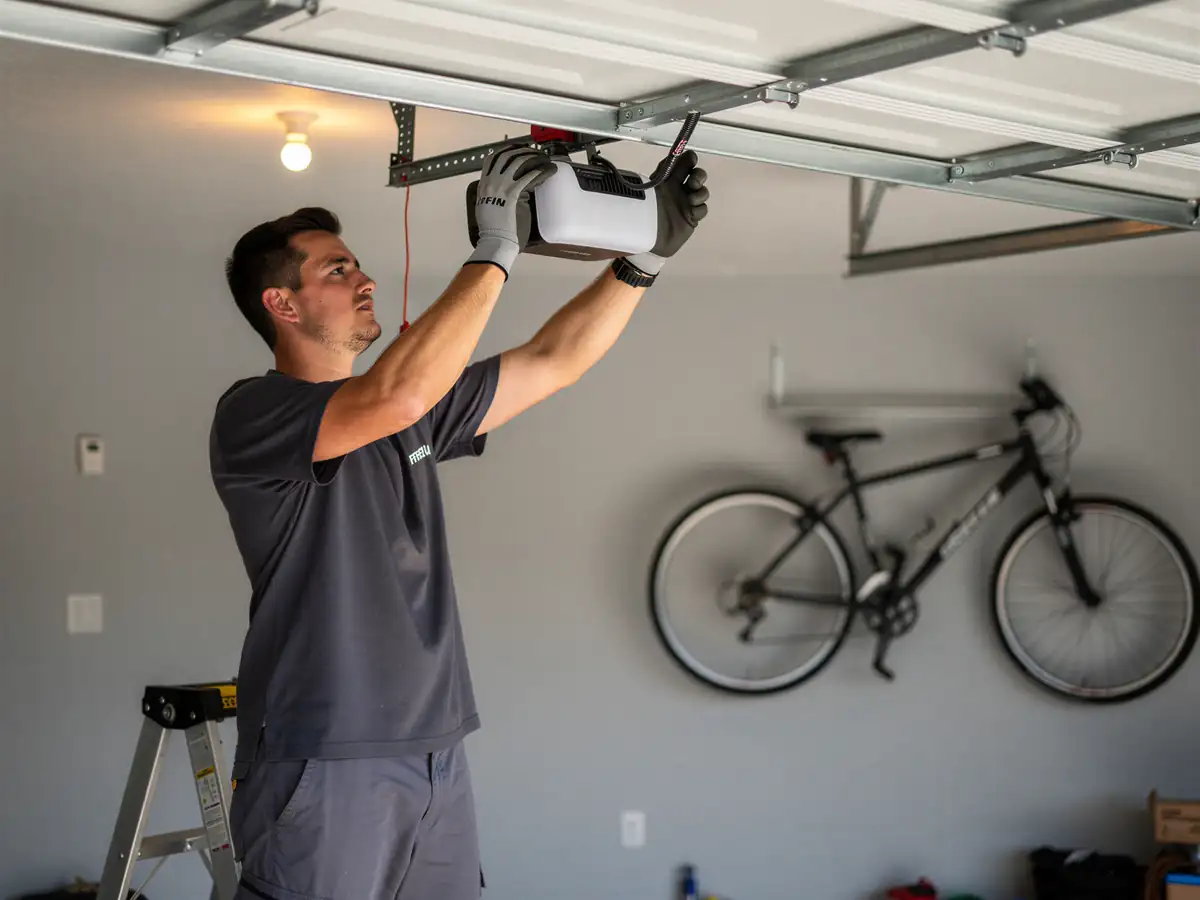
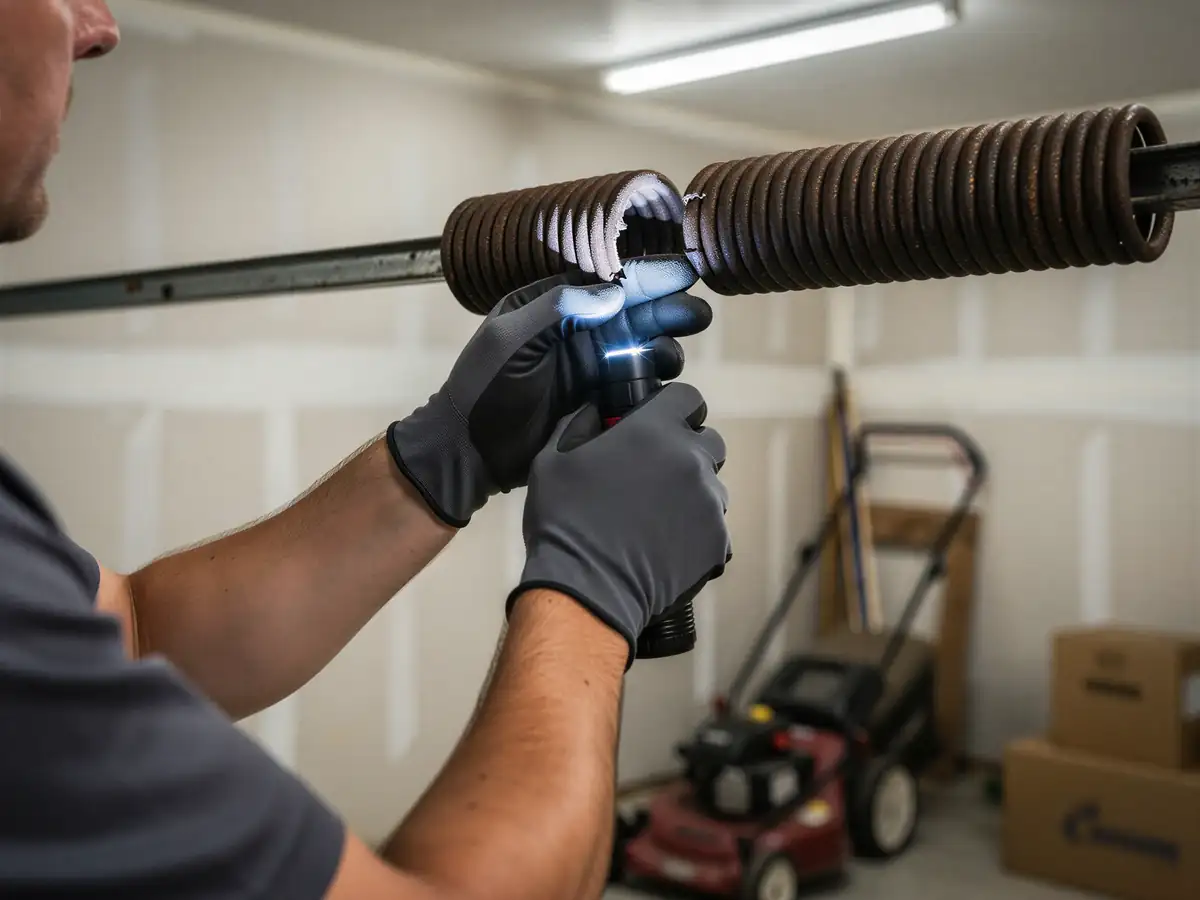
Swapping a garage door panel yourself is possible if you've done it before and have a helper and the right clamps. Setting spring tension on a new door is not a job to learn on your own house. A torsion spring under load has enough stored force to break a bone or worse, and on the lower-clearance openings common in Montgomery's 1980s housing stock, there's often less room to maneuver safely around the header. The honest limit here: if your opening needs the jamb reframing mentioned above, that's carpentry work layered under electrical and spring work, and it's not a weekend project even for someone handy. Where DIY makes sense is the small stuff after install, lubricating rollers, tightening a loose hinge, replacing weatherstripping. The door itself, the spring, and the opener mounting are where we draw the line on what we'll walk a homeowner through over the phone.