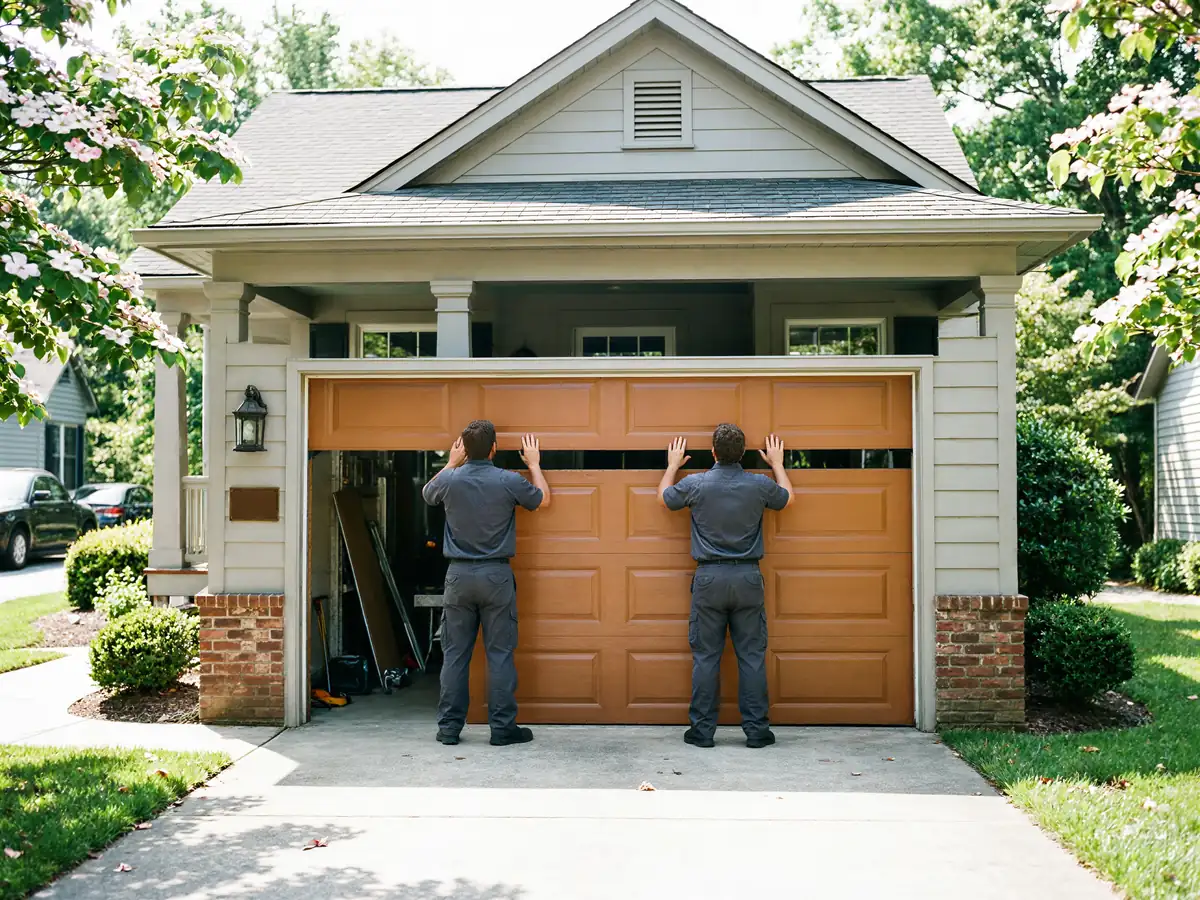
What You Are Seeing
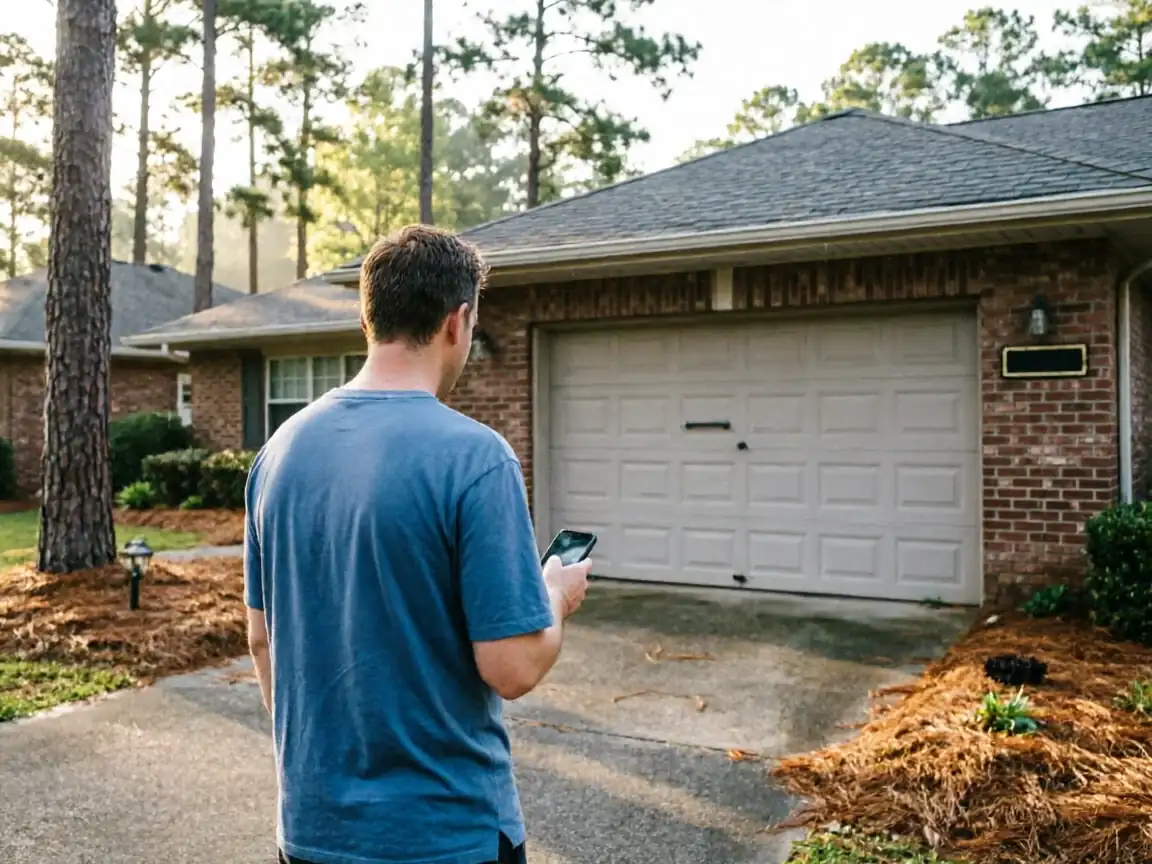
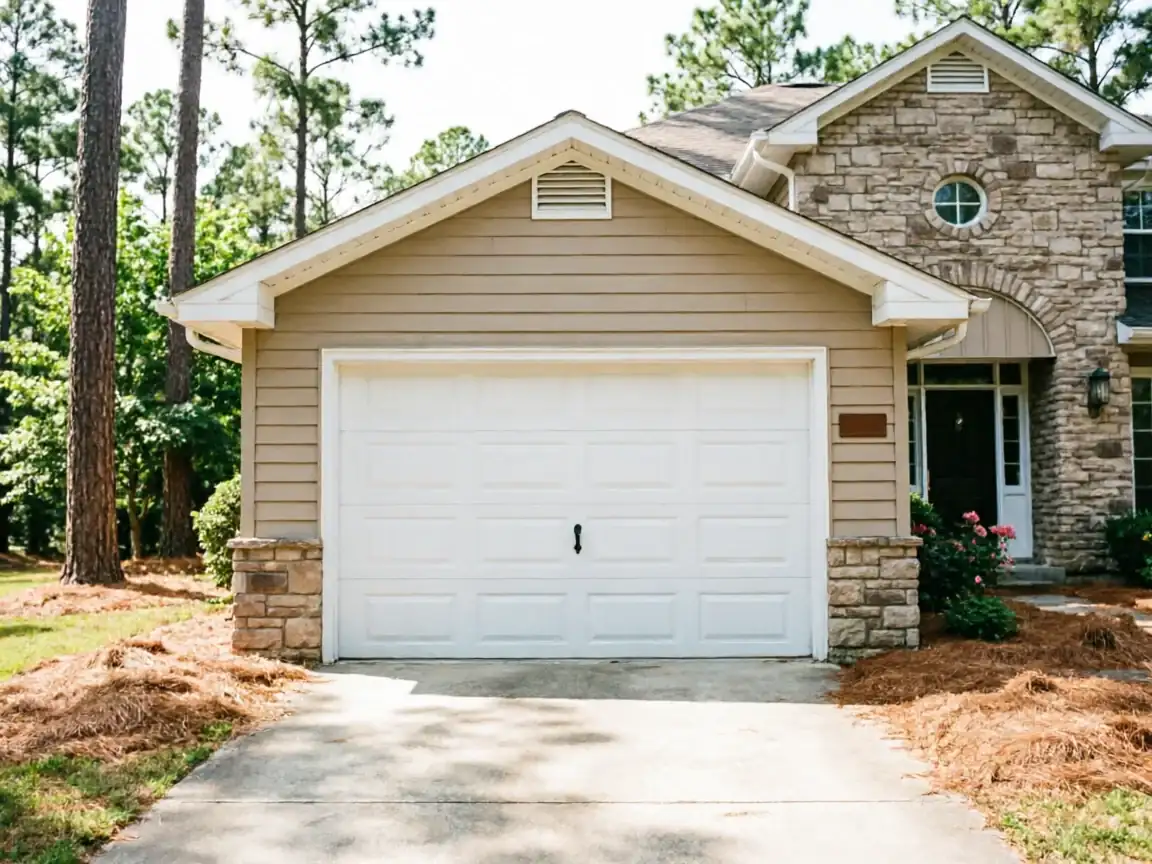
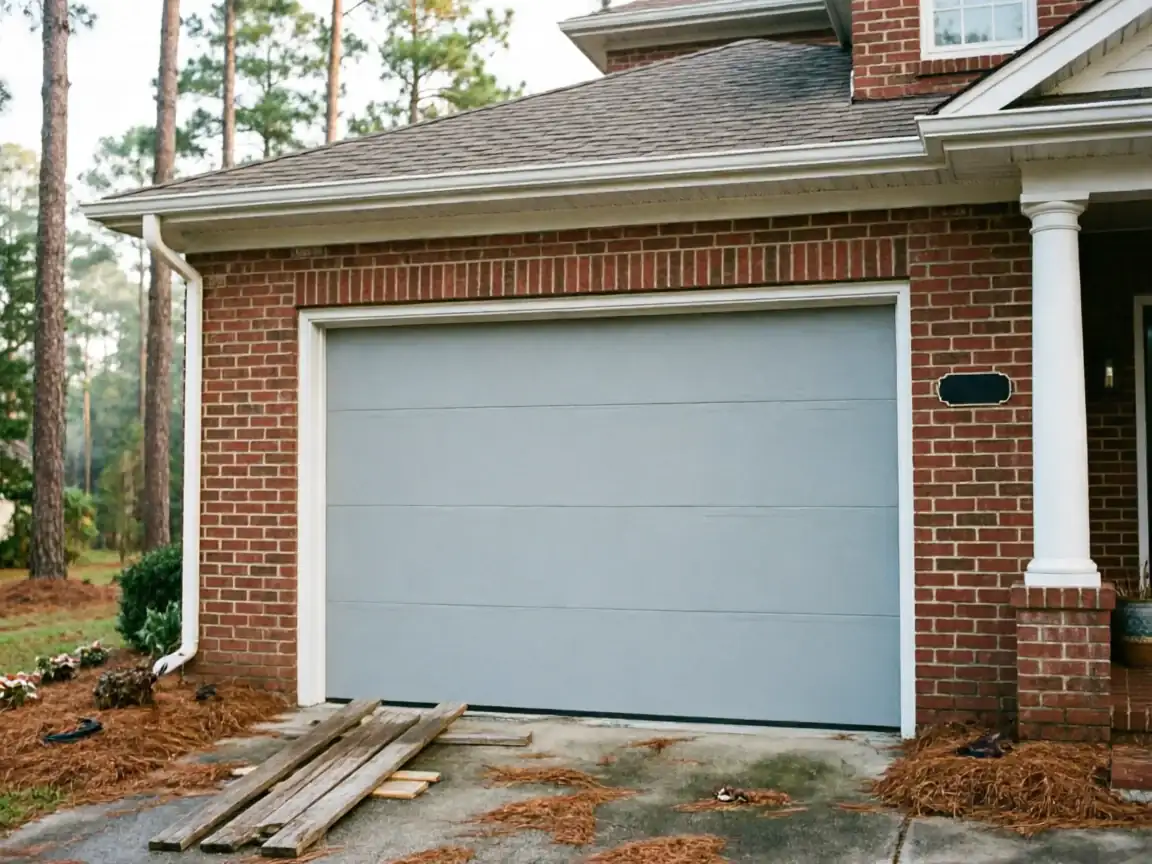
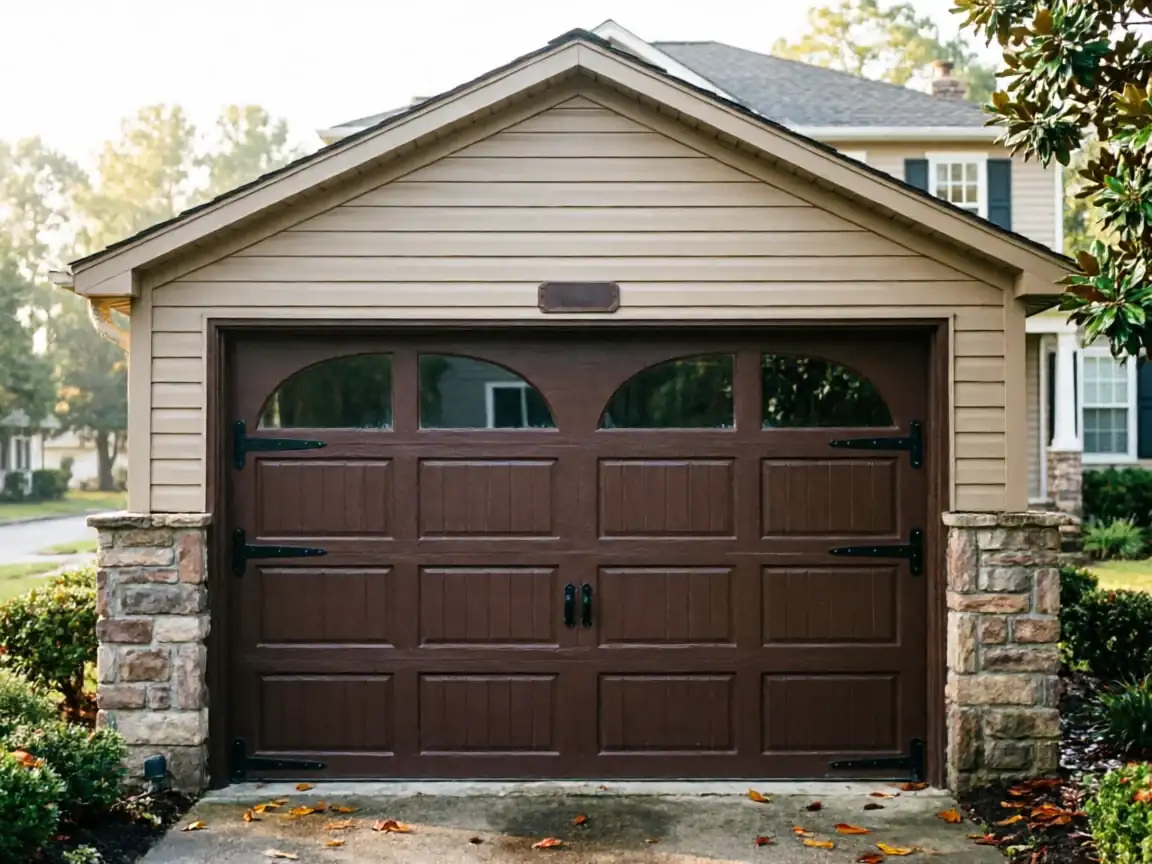
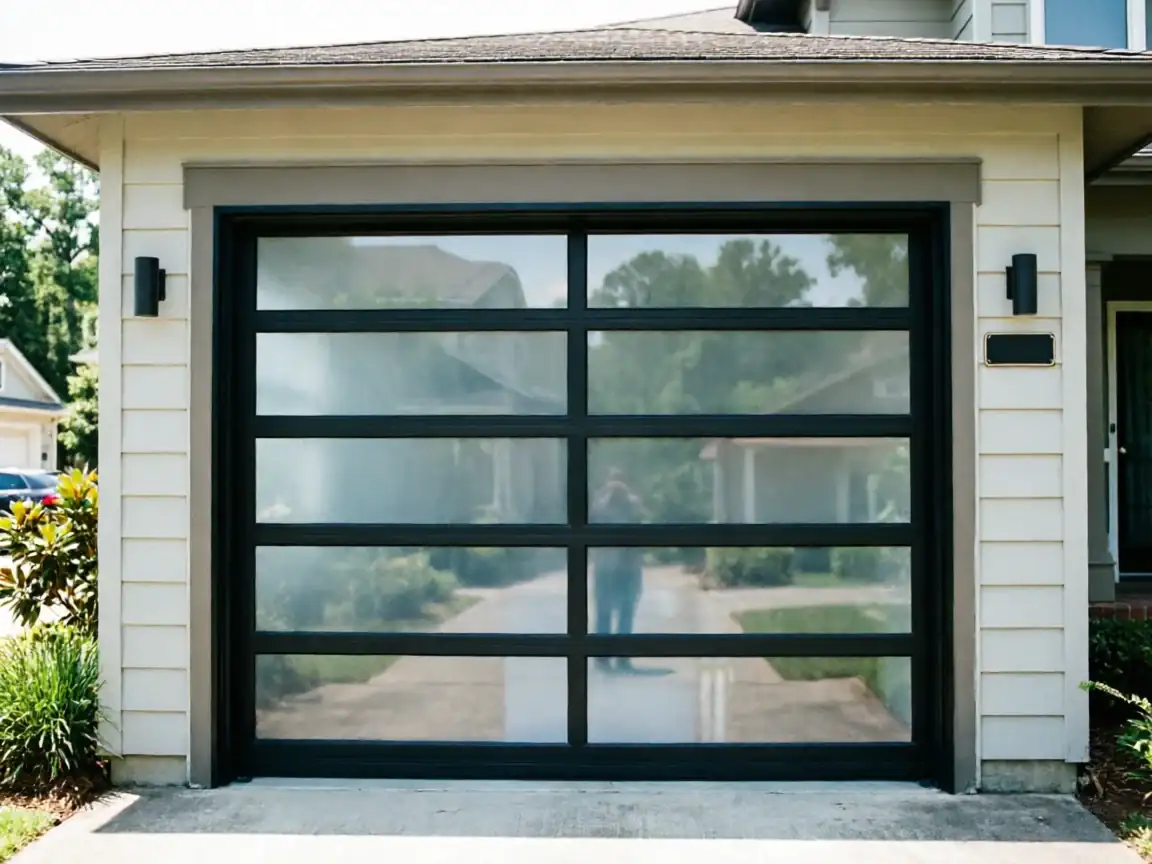
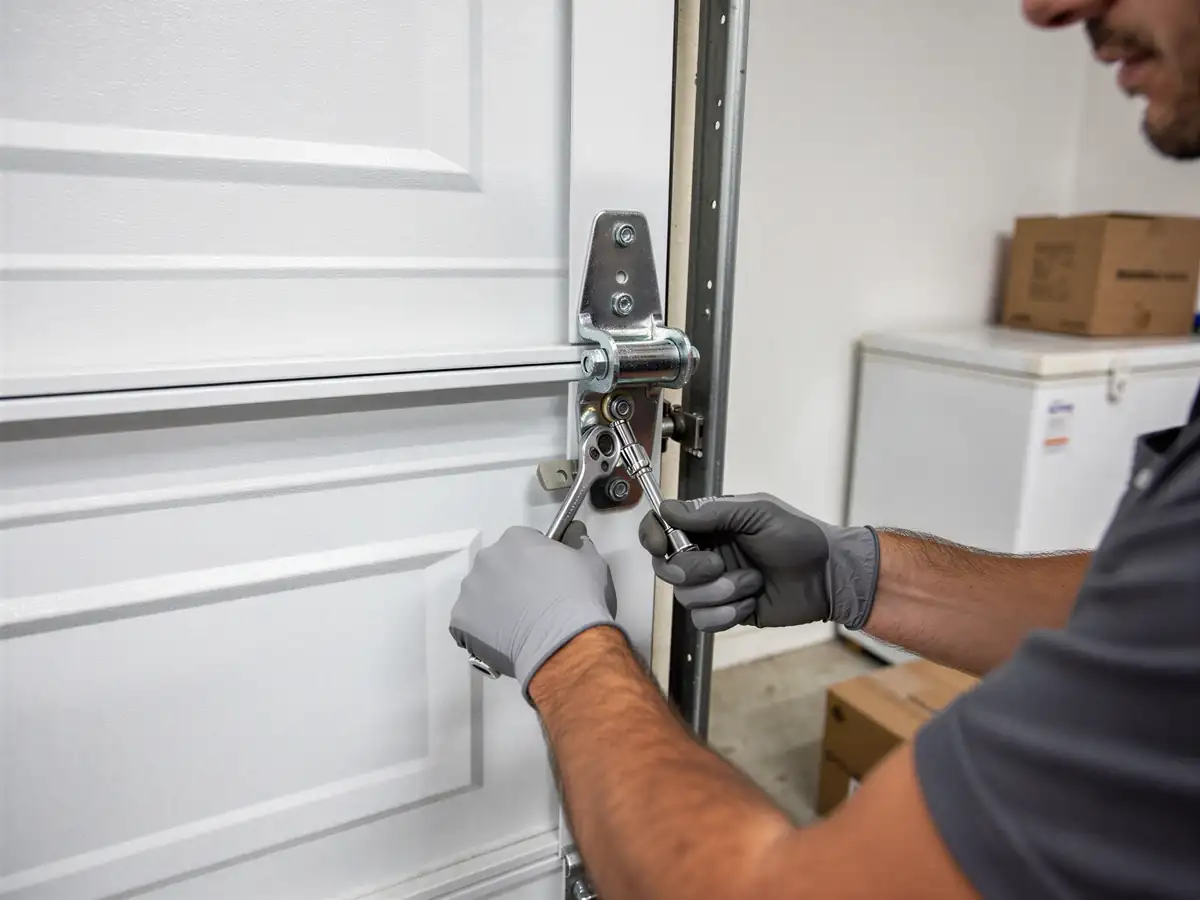
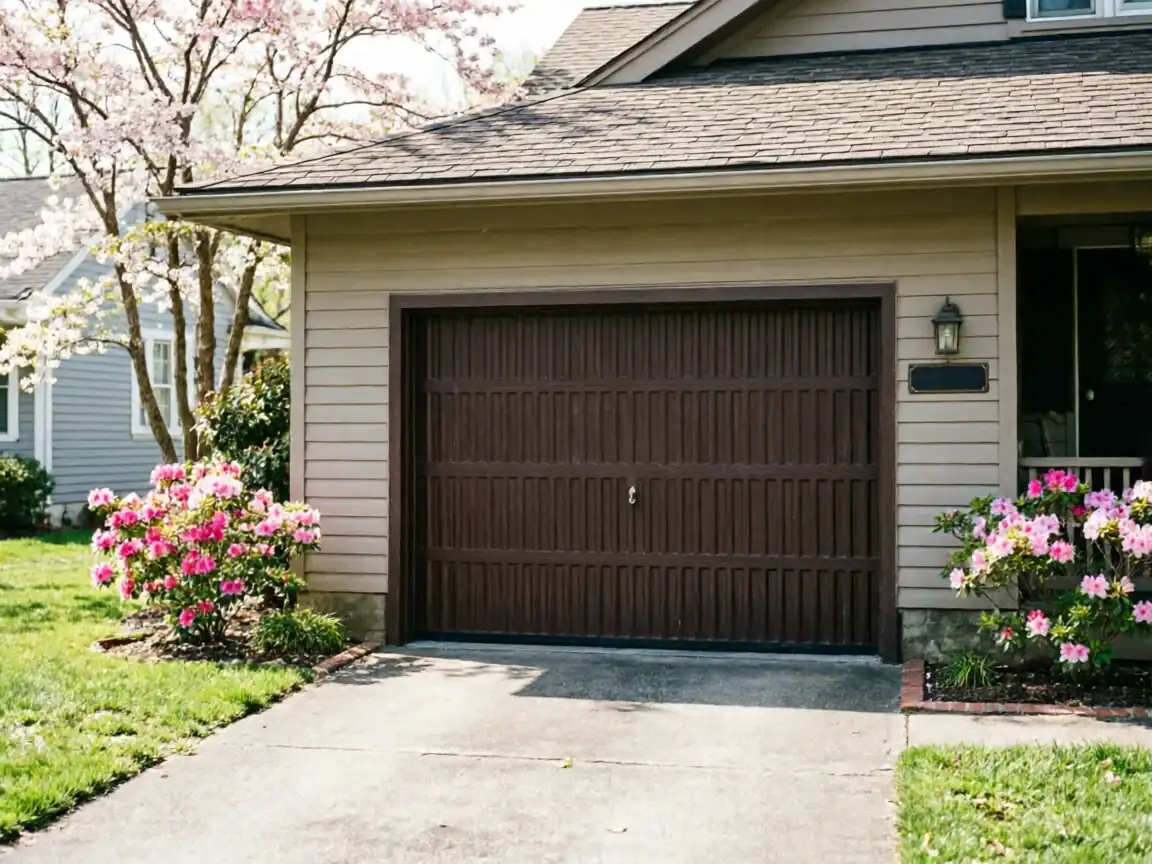
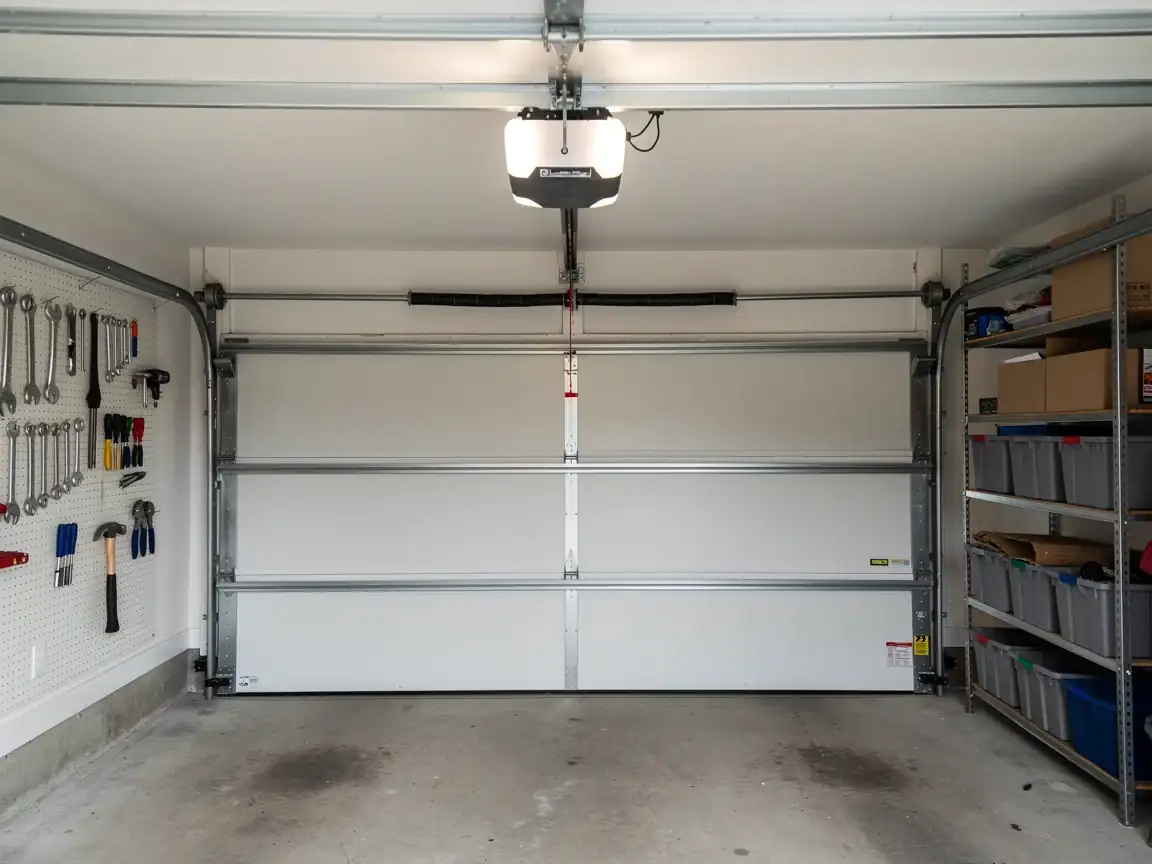
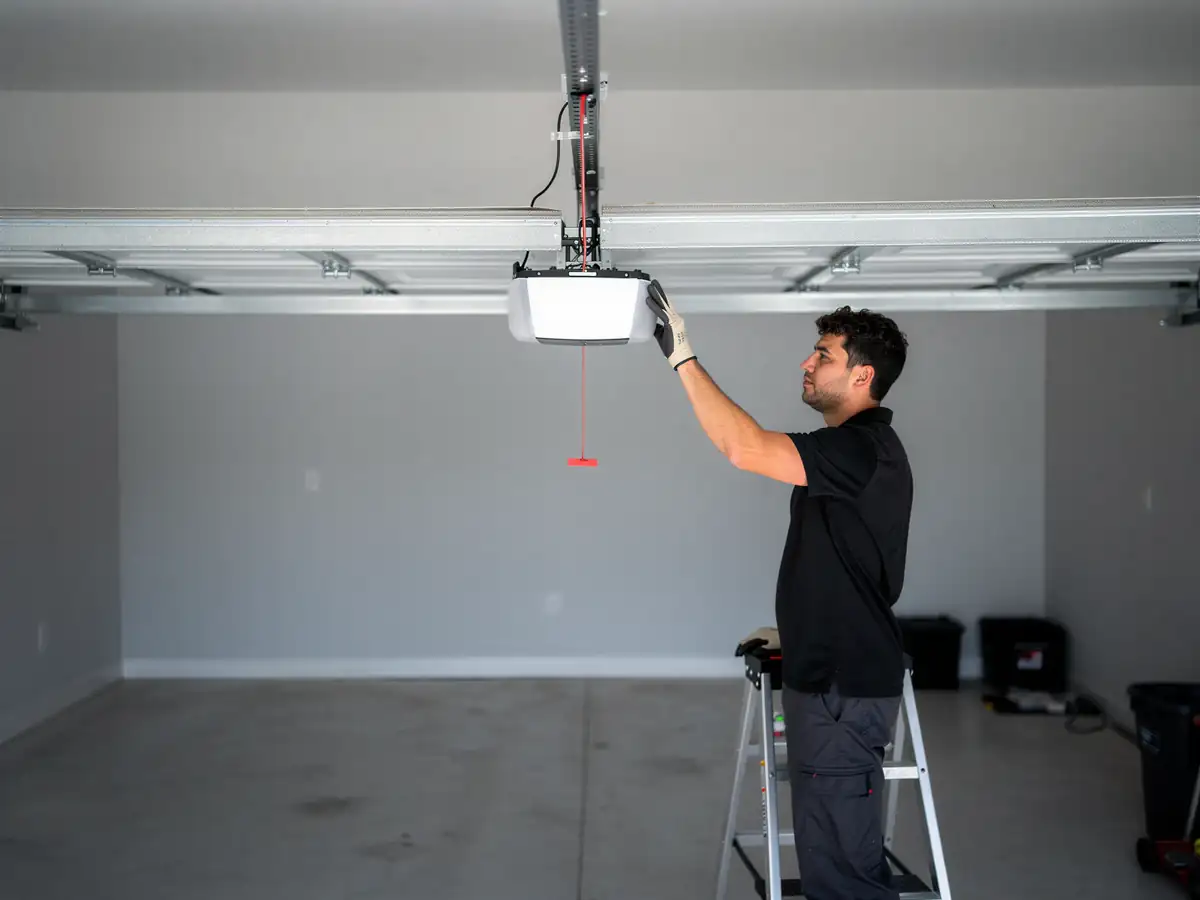
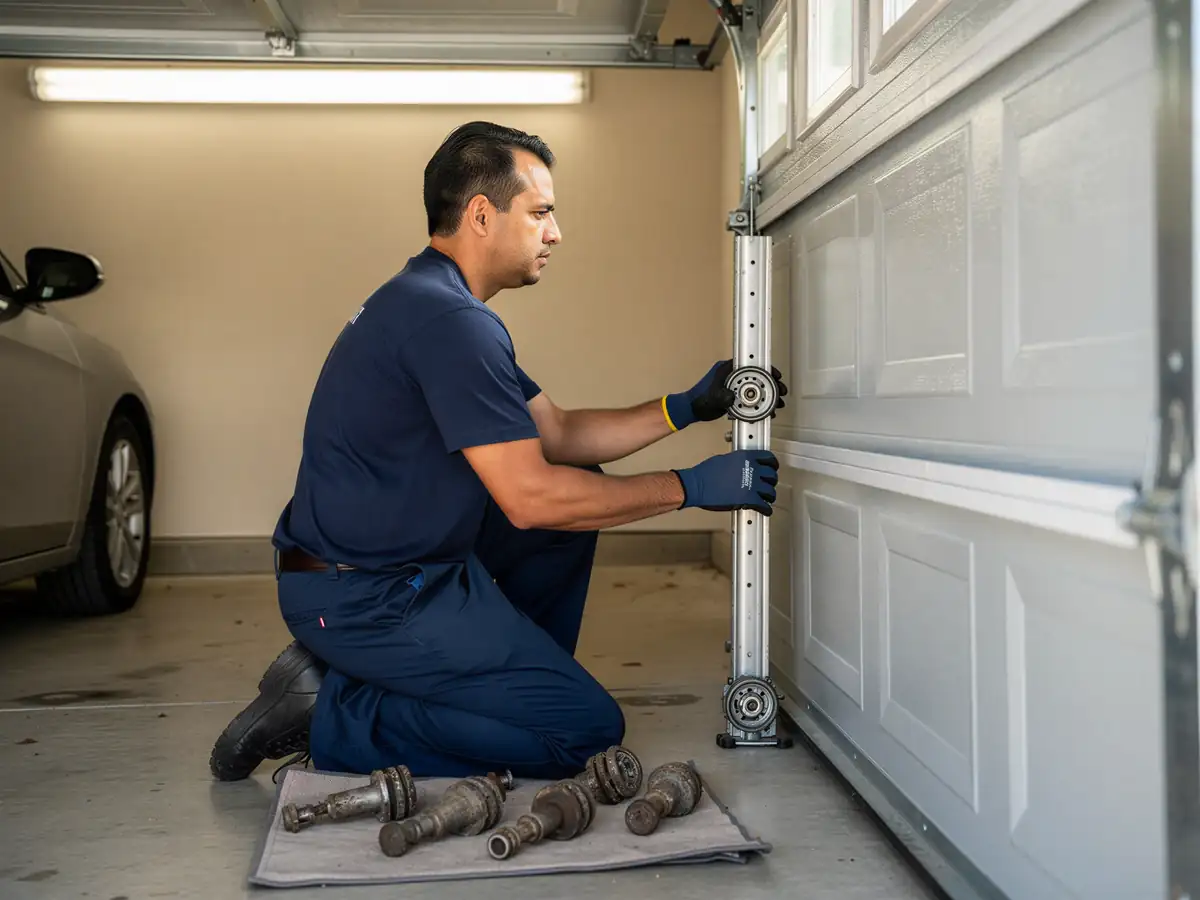
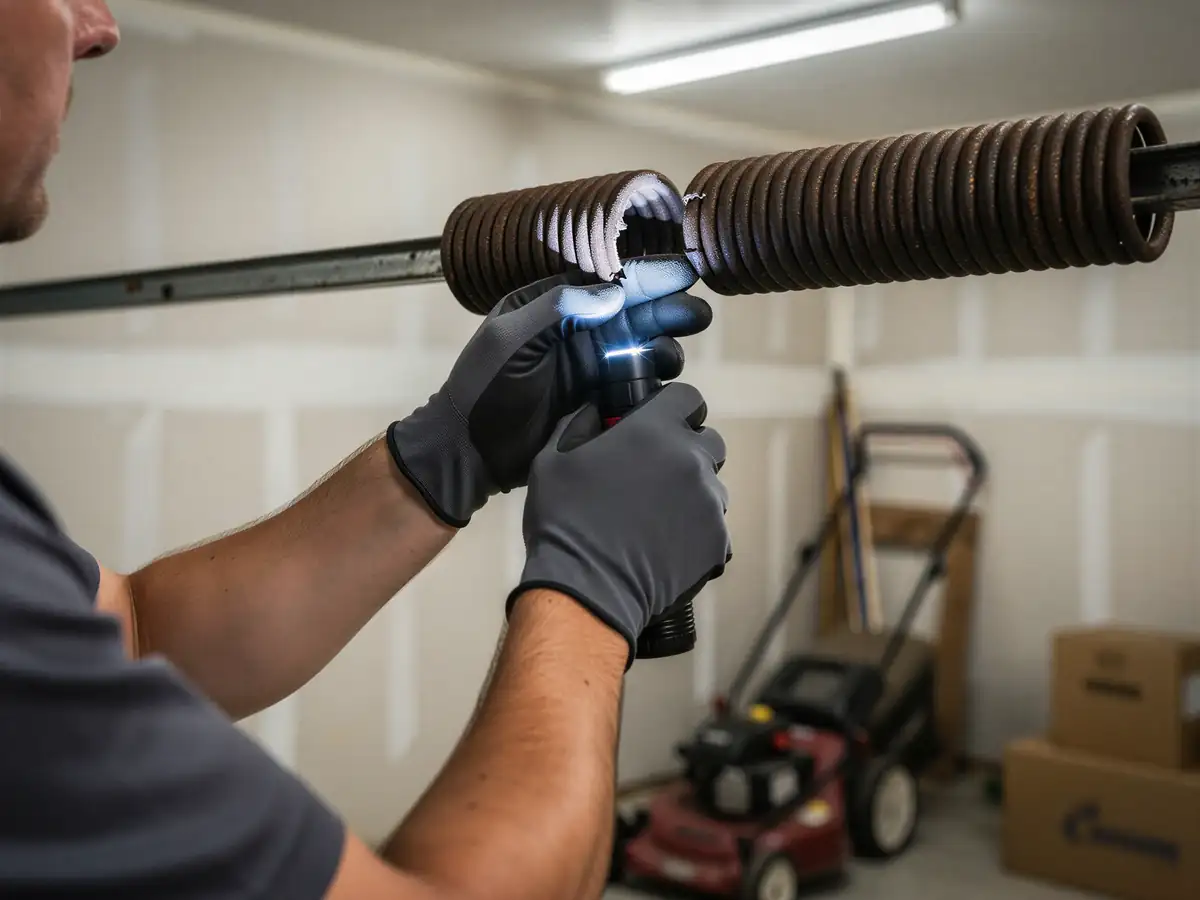
Homeowners calling about installation usually fall into two groups. One group has a door from the original build - often 1980s or 90s vintage - that's worn out its rollers, bent a track, or just doesn't insulate against the coastal humidity the way they'd like. The other group is replacing a door that's already failed outright: a cracked panel, a spring that let go, hardware that's rusted past saving in our mild, someFreeze climate where moisture does more damage than cold ever does. Either way, what you're seeing at the curb is usually a door that's aged out of its original hardware, not a door that failed overnight. Sagging panels, visible daylight at the bottom seal, and a track that's pulled away from the frame are the three things we get called about most from this older housing stock.
Why This Fails Locally
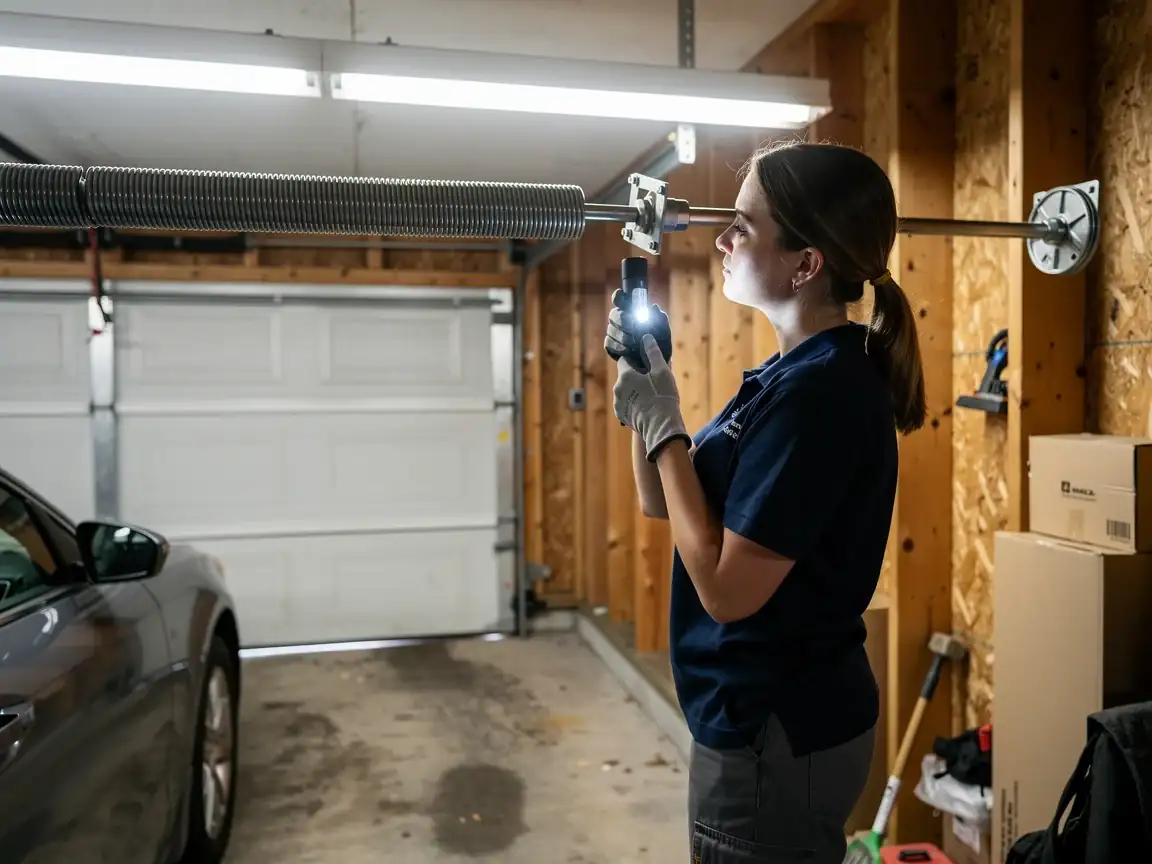
Savannah's climate sits in a mild band with occasional freeze, which sounds easy on a garage door compared to places that see hard winters - but humidity and salt-tinged air do their own kind of damage. Steel hardware from the 1980s and 90s builds across this area wasn't always finished for that exposure, so tracks pit, springs lose temper faster, and wood-composite panels from that era swell and delaminate at the bottom corner first. In neighborhoods like or the corridor, we see the same pattern on houses of the same vintage: original door, original track, 30-plus years of coastal moisture, and a bottom panel that's finally given out. It's not a design flaw in any one brand - it's what this climate does to hardware that was never meant to last past its original install.