Why This Fails Locally
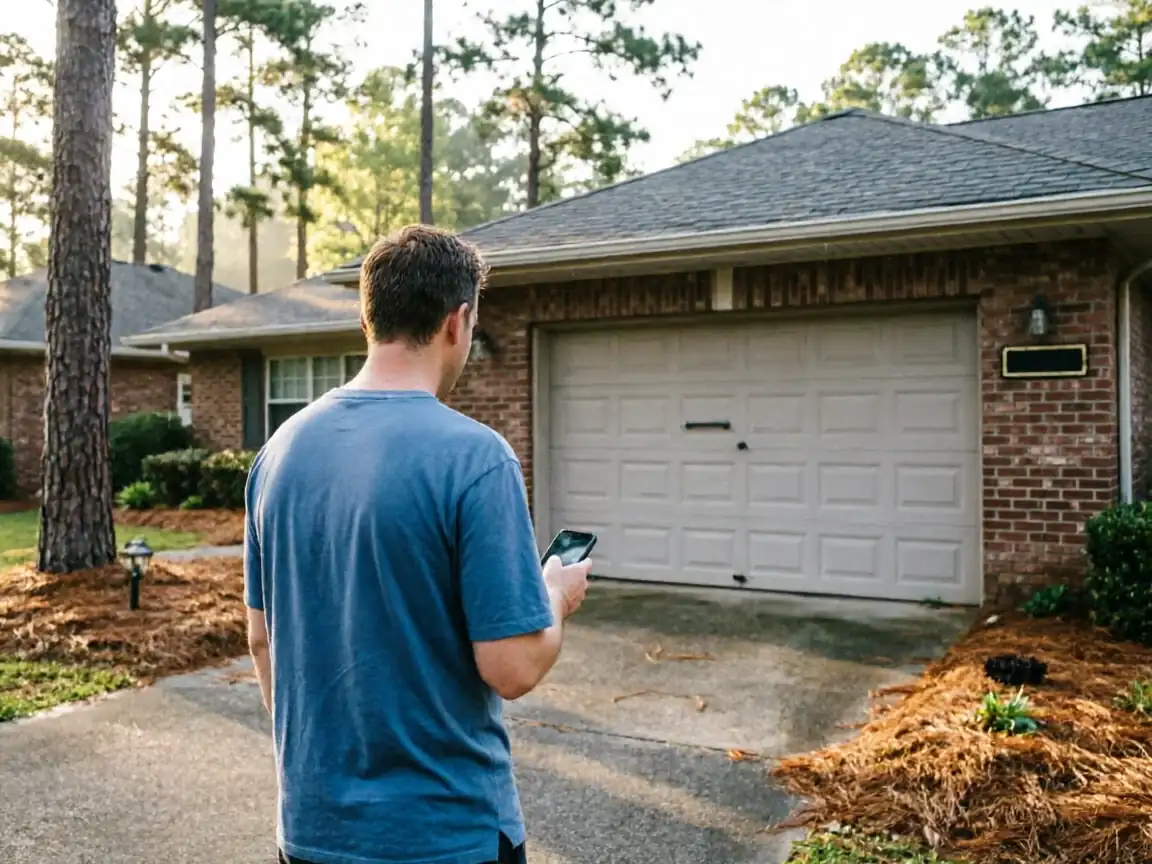
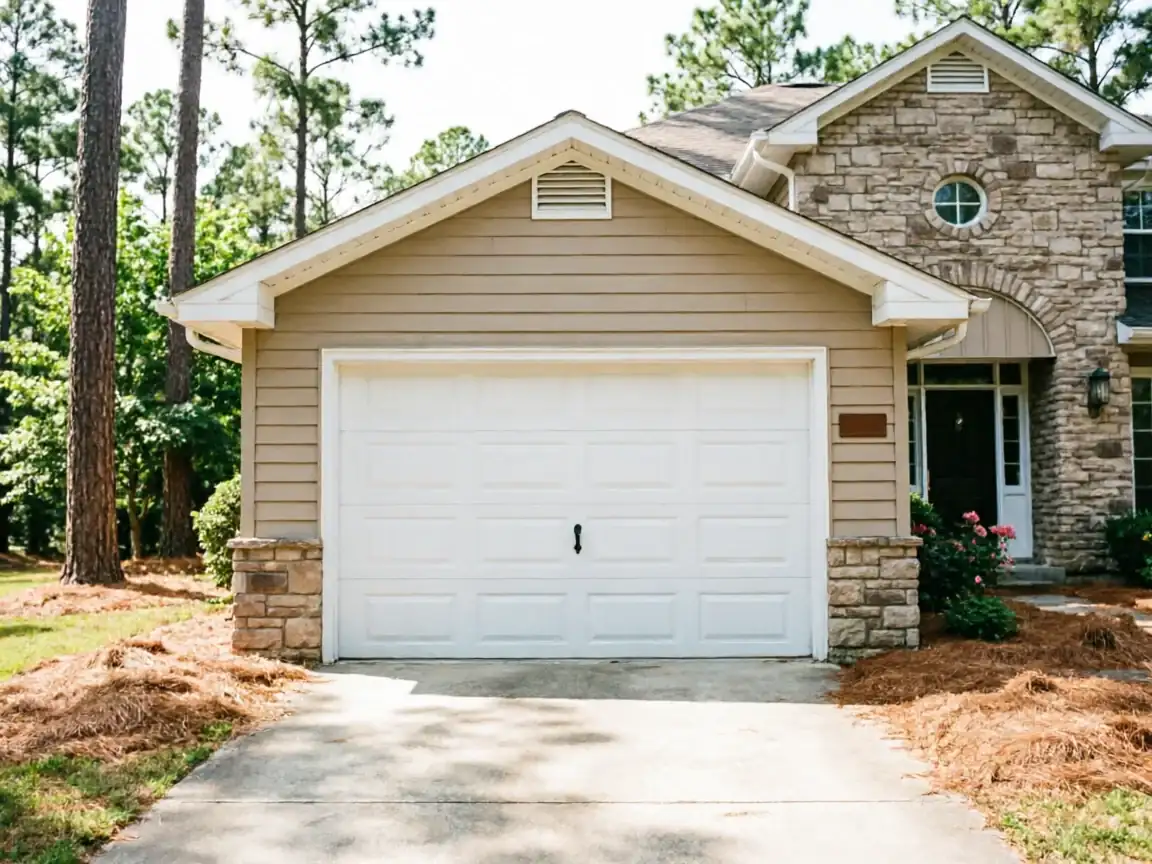
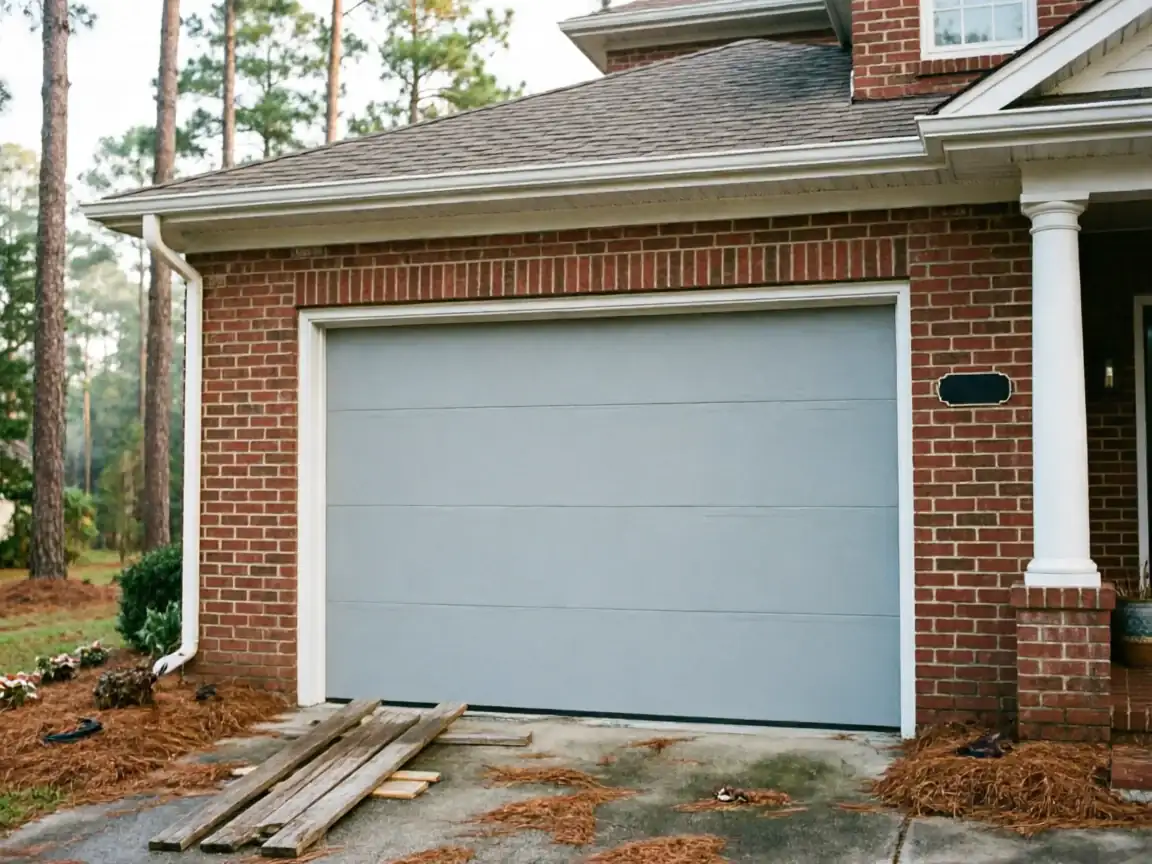
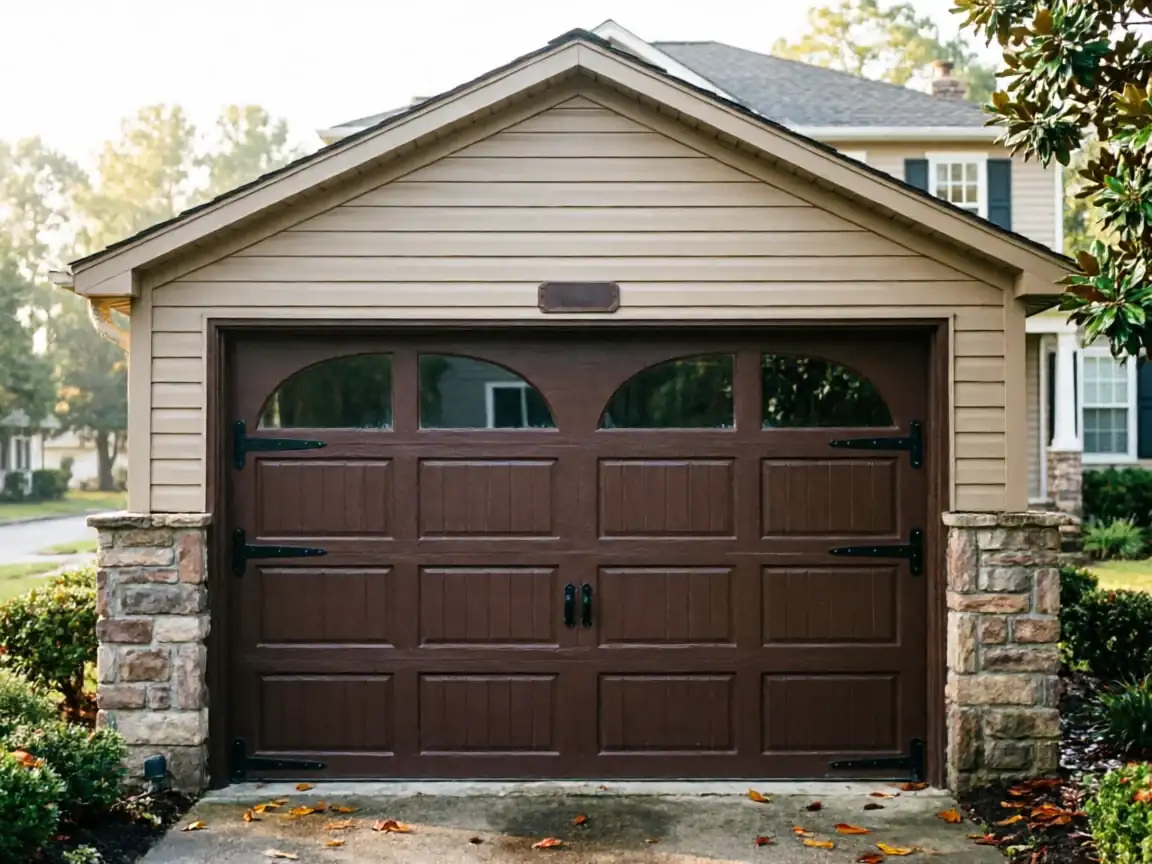
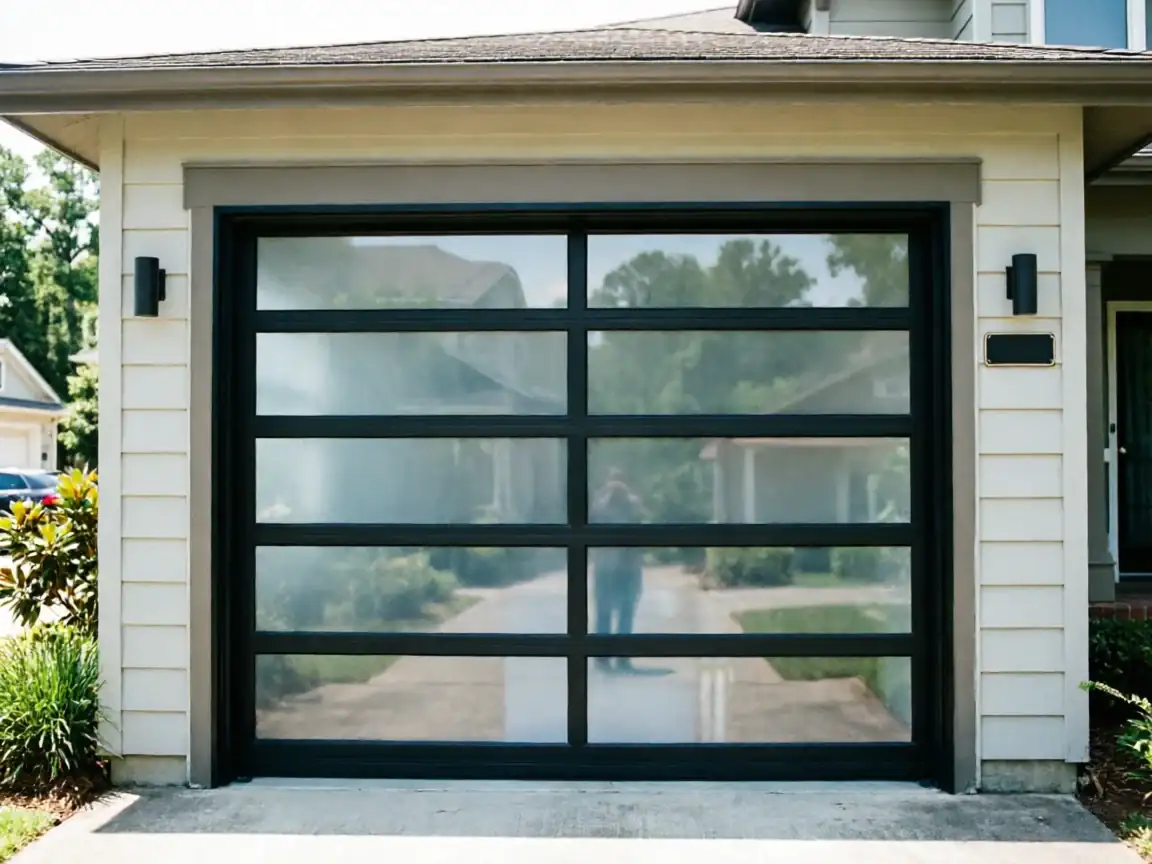
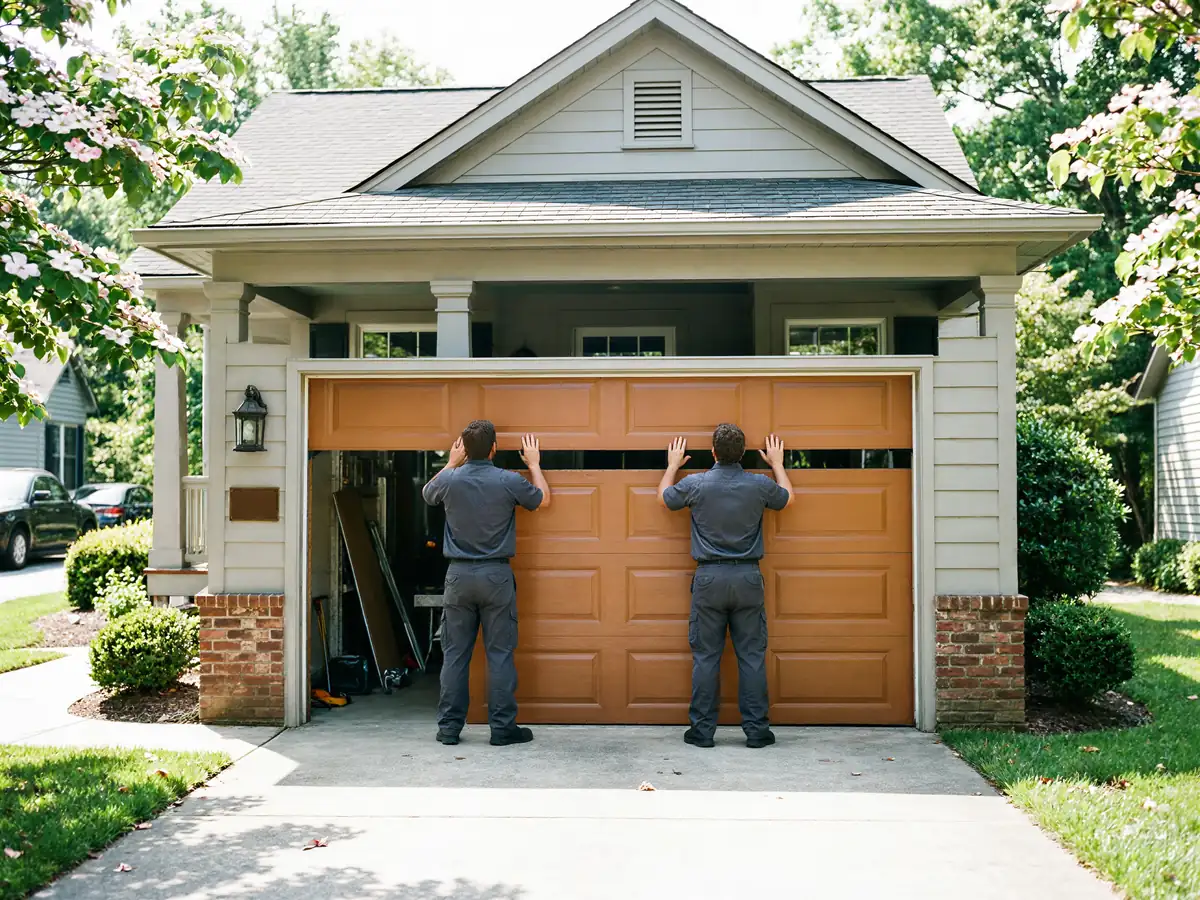
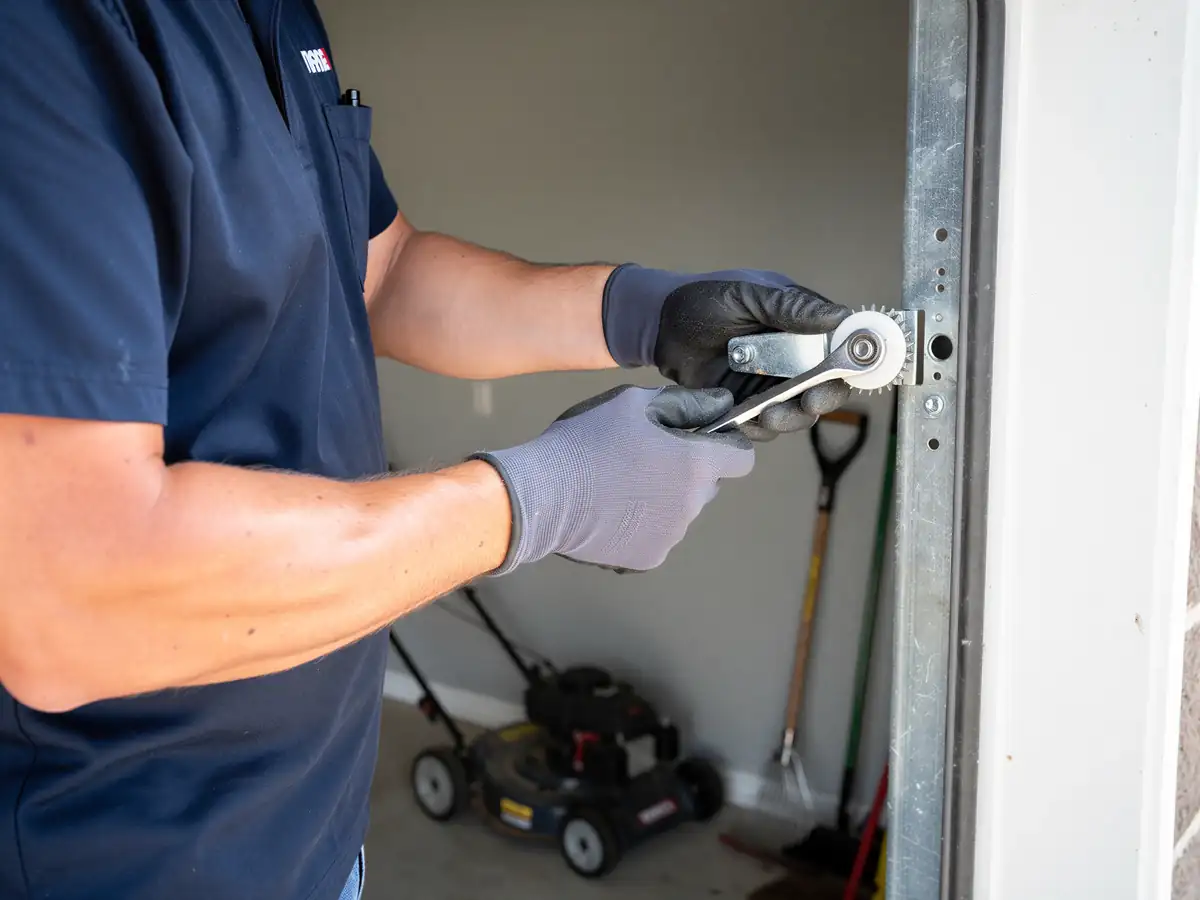
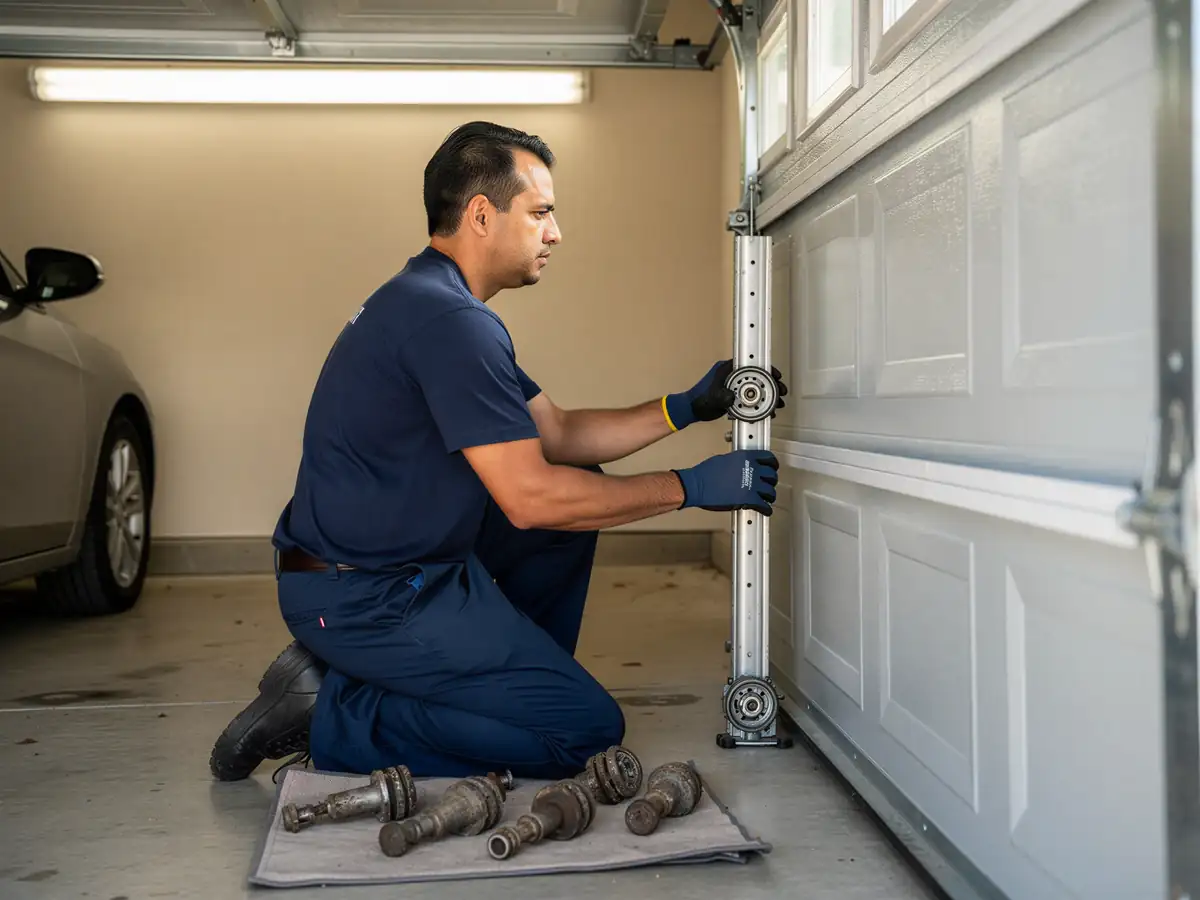
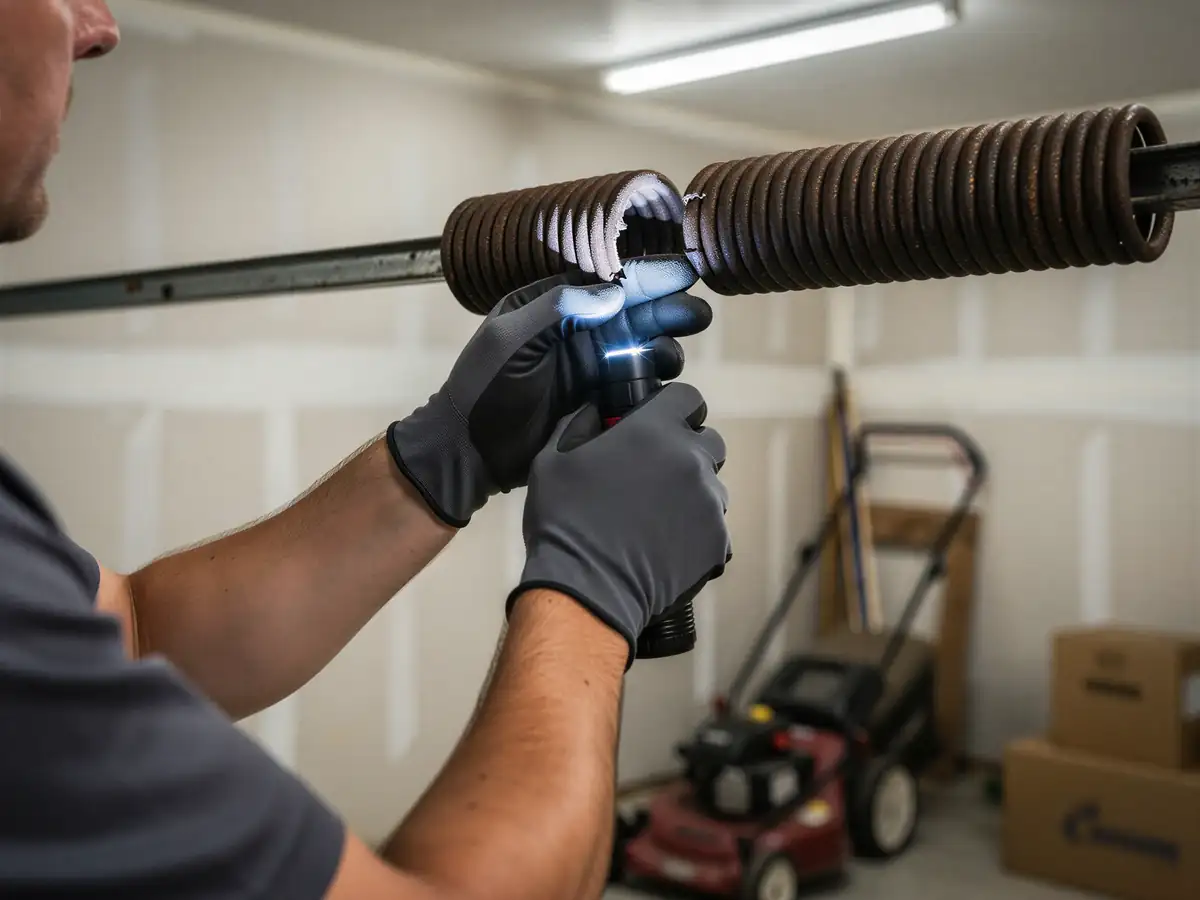
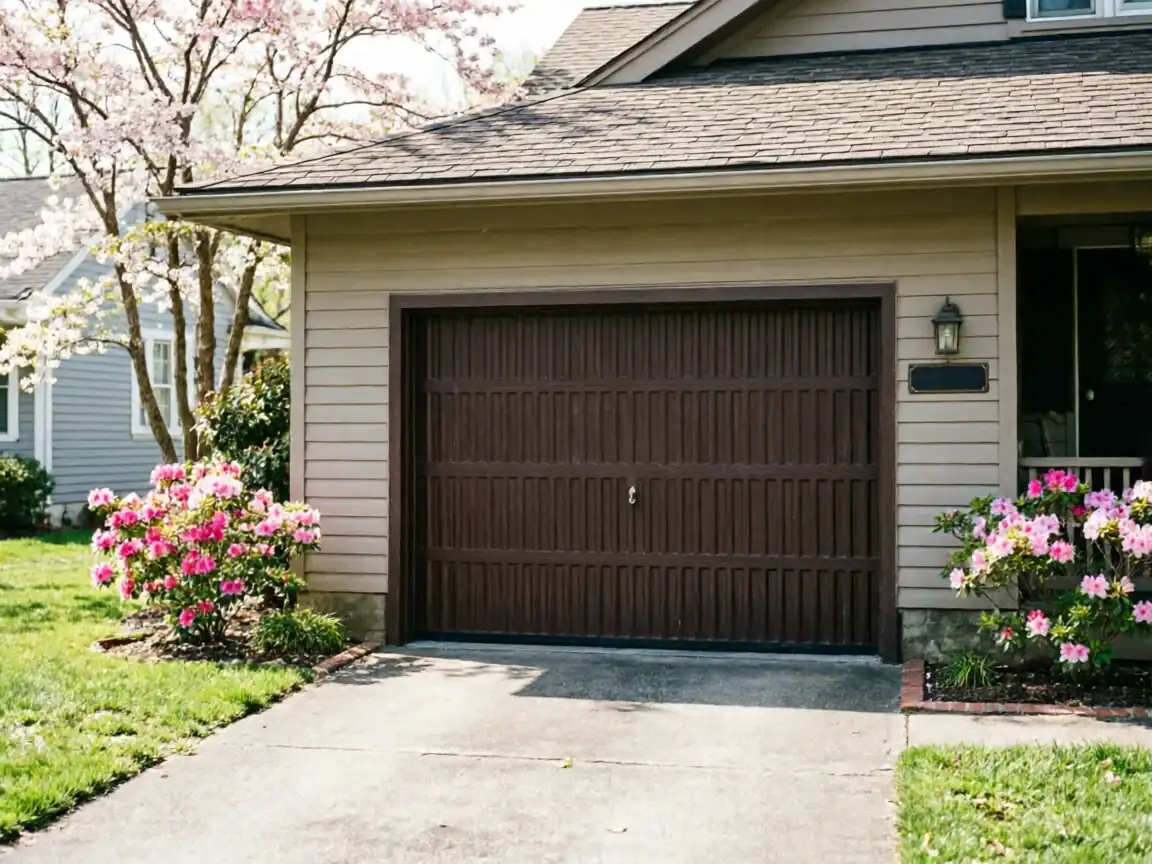
The typical house here went up around 1984, square in the middle of the 1980s-90s wave that makes up most of the stock across this part of the service area. That era means steel doors on galvanized torsion springs, often with the original nylon rollers still sitting in the track decades on. Those rollers don't fail gracefully - they crack and bind, pulling the door off-square and loading the opener's gears with resistance they were never built for. The region's climate band is mild with the occasional freeze, which doesn't crack concrete slabs the way a hard winter does, but it does mean steel tracks and spring coils pick up rust in a wet, mild cycle rather than snapping outright from cold. That's a slower failure - a door gets a little stiffer and a little louder every month until one morning the spring finally lets go. Houses built in this window also tend to have the garage used as storage or a workshop rather than a daily-use entry, so a lot of owners don't notice the slow failure until the opener is straining hard enough to trip its own safety reverse.
The DIY Question
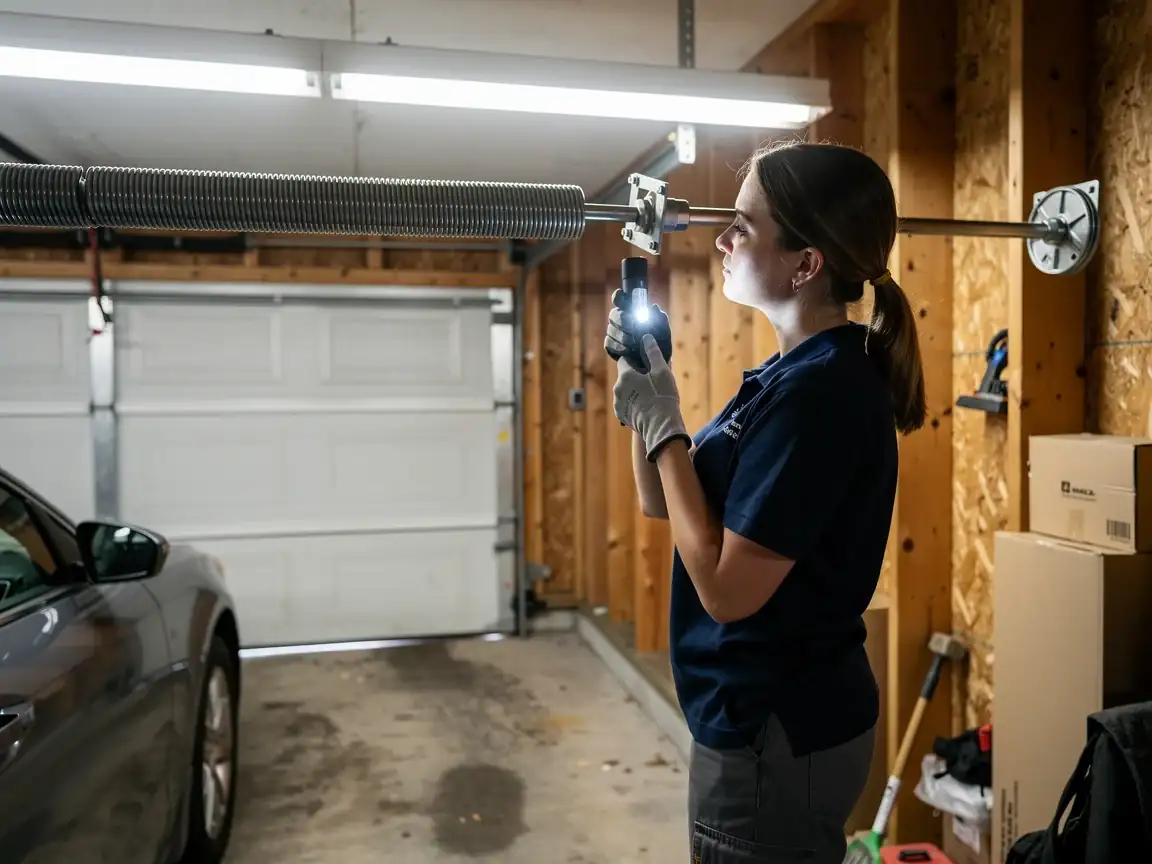
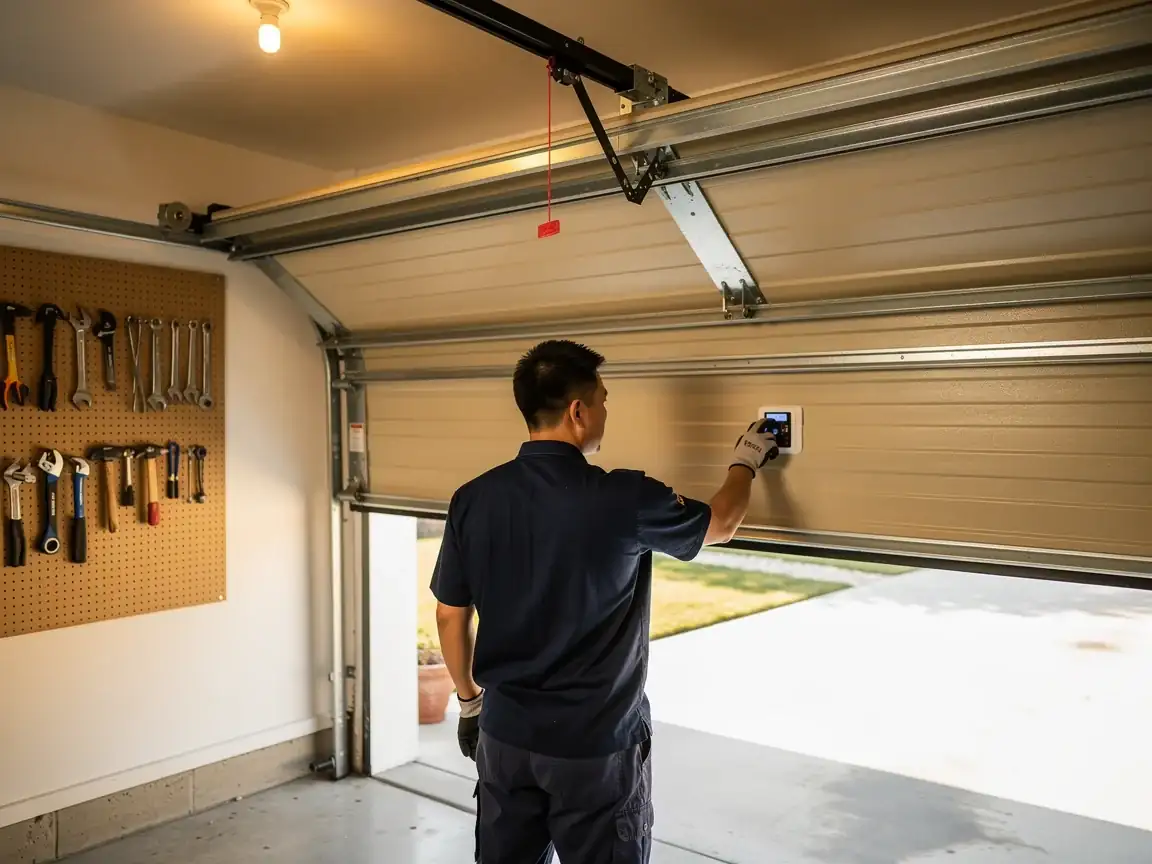
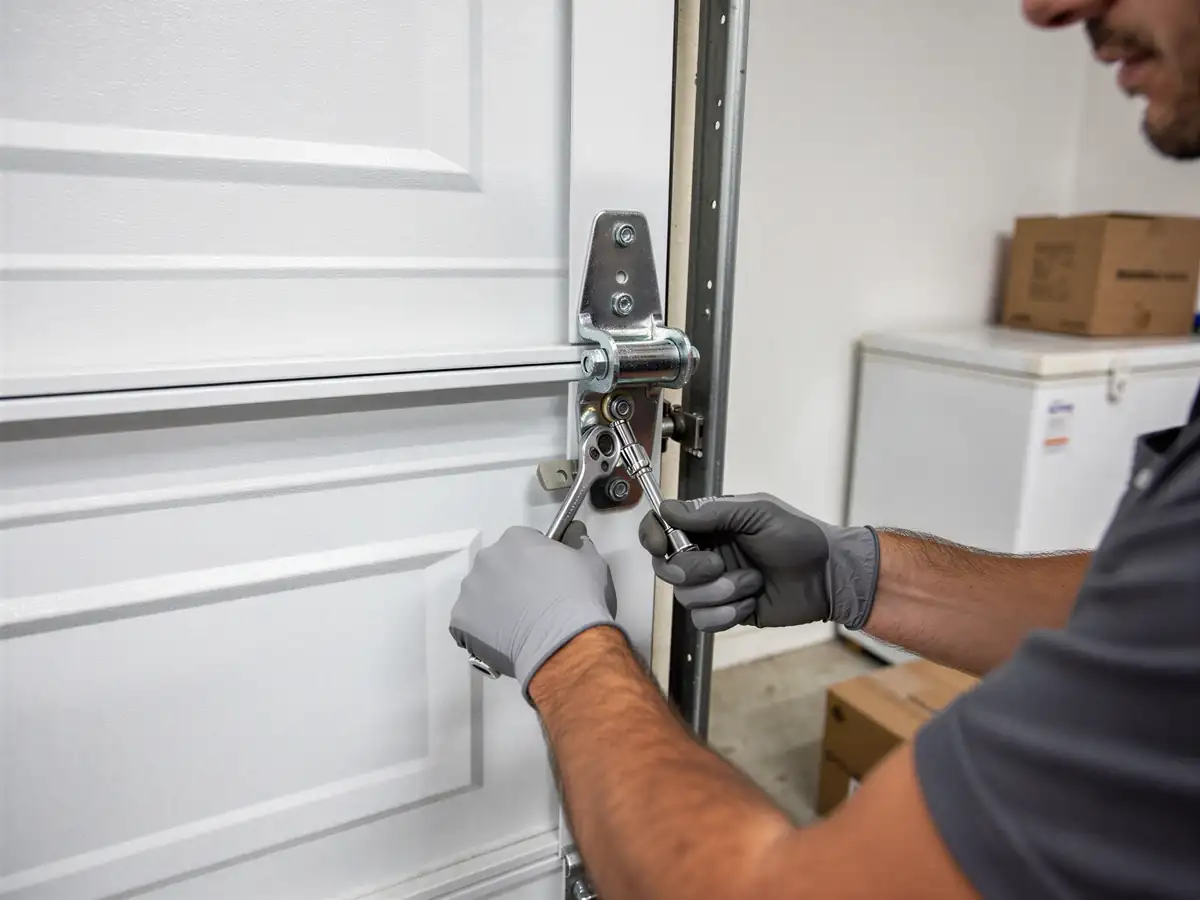
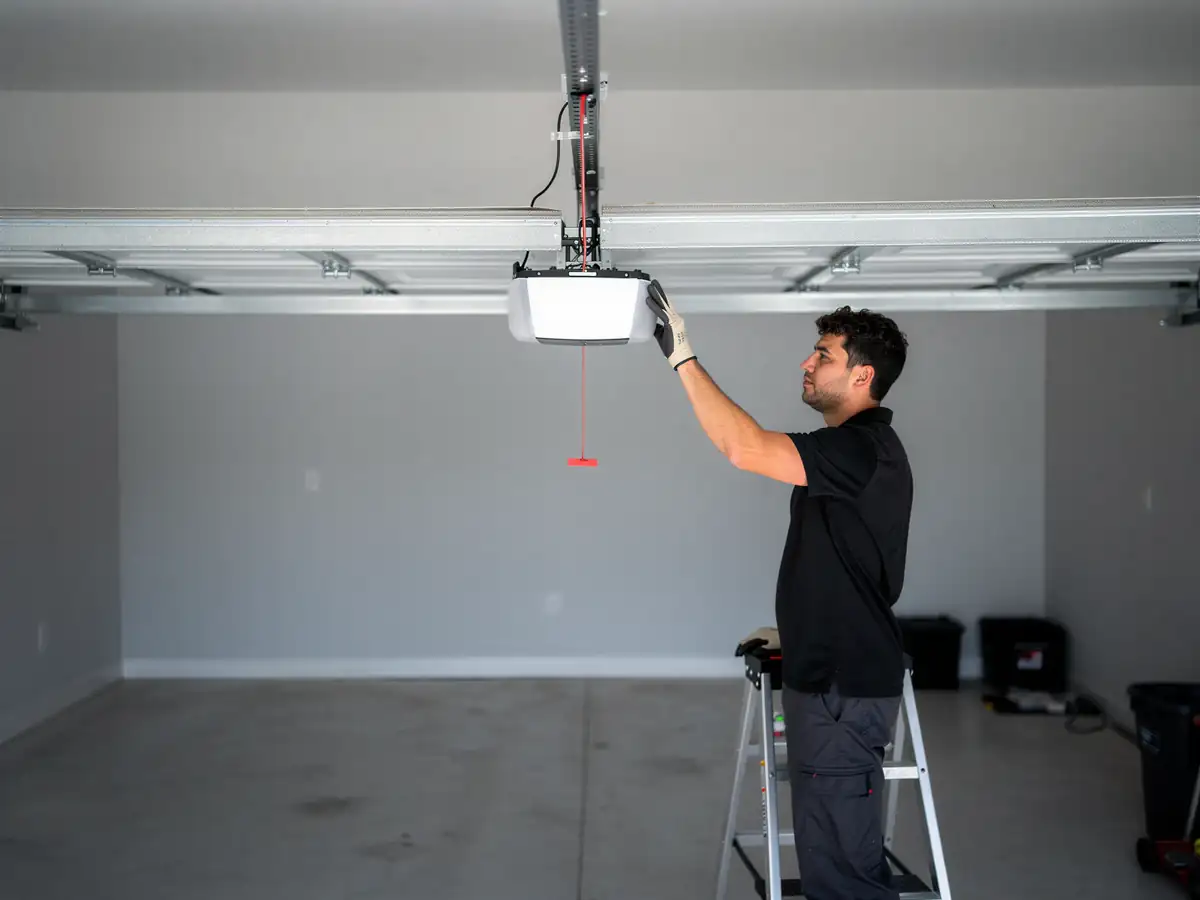
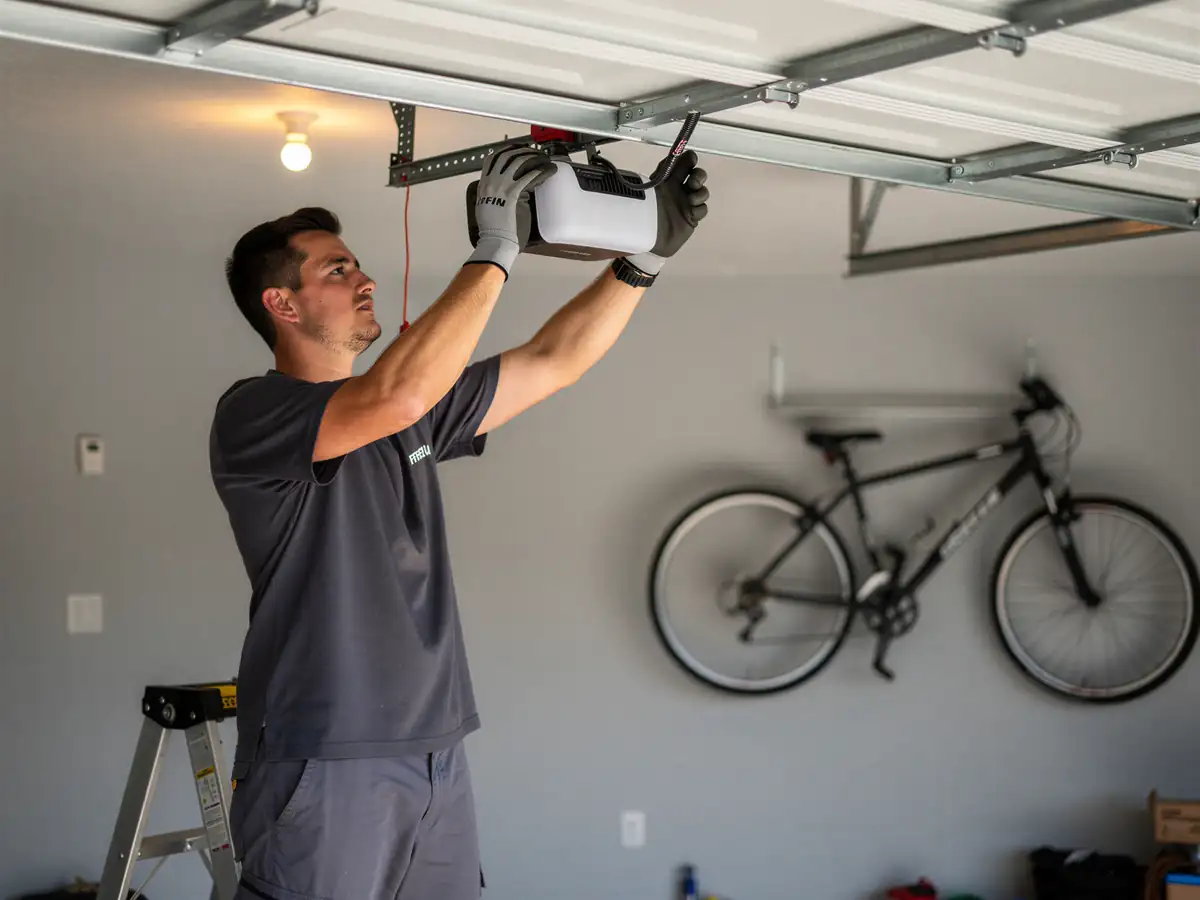
A torsion spring under tension can break a bone or worse, and a 1984-era door is old enough that the spring's wind count and cable routing may not match anything printed on a sticker you can still read. Swapping a roller or tightening a loose track bracket is reasonable weekend work. Winding or unwinding a torsion spring is not, and neither is diagnosing why an opener's safety sensors won't align on a door that's racked slightly out of square - that's usually a structural problem with the track, not an electronic one. If your door is from this same building era and the opener is original too, assume the capacitor and the drive gear are both near the end of their service life even if nothing's broken yet. We'll tell you plainly when a repair isn't worth the labor call, and sometimes the honest answer is to let the door finish failing instead of patching it twice.