The Seasonal Bit
Savannah sits in a mild climate band with occasional freeze
Which sounds easy on a garage door compared to places that see hard winters, and in some ways it is. You're not fighting ice jamming a track or a slab heaving under a spring anchor. But mild-with-freeze cuts both ways. The door never gets a real cold snap that would force an owner to notice a dry spring or a stiff hinge before it fails outright. Instead, hardware just slowly gives up from humidity and heat cycling, and most people don't catch it until a cable snaps or a spring lets go on a Saturday morning.
The freeze that does happen a few times a year is usually enough to stiffen grease that's already thinned out from the summer
Which is when a marginal roller or a worn bearing finally seizes. If your door has gotten noisier as the year's gone on, or it's started hesitating on the way up, that's often the pattern - not a sudden failure, but months of quiet wear finally showing itself. Worth a look before it becomes a worth-fixing-or-not decision made for you at 7am with the car trapped inside.
What to Look At First
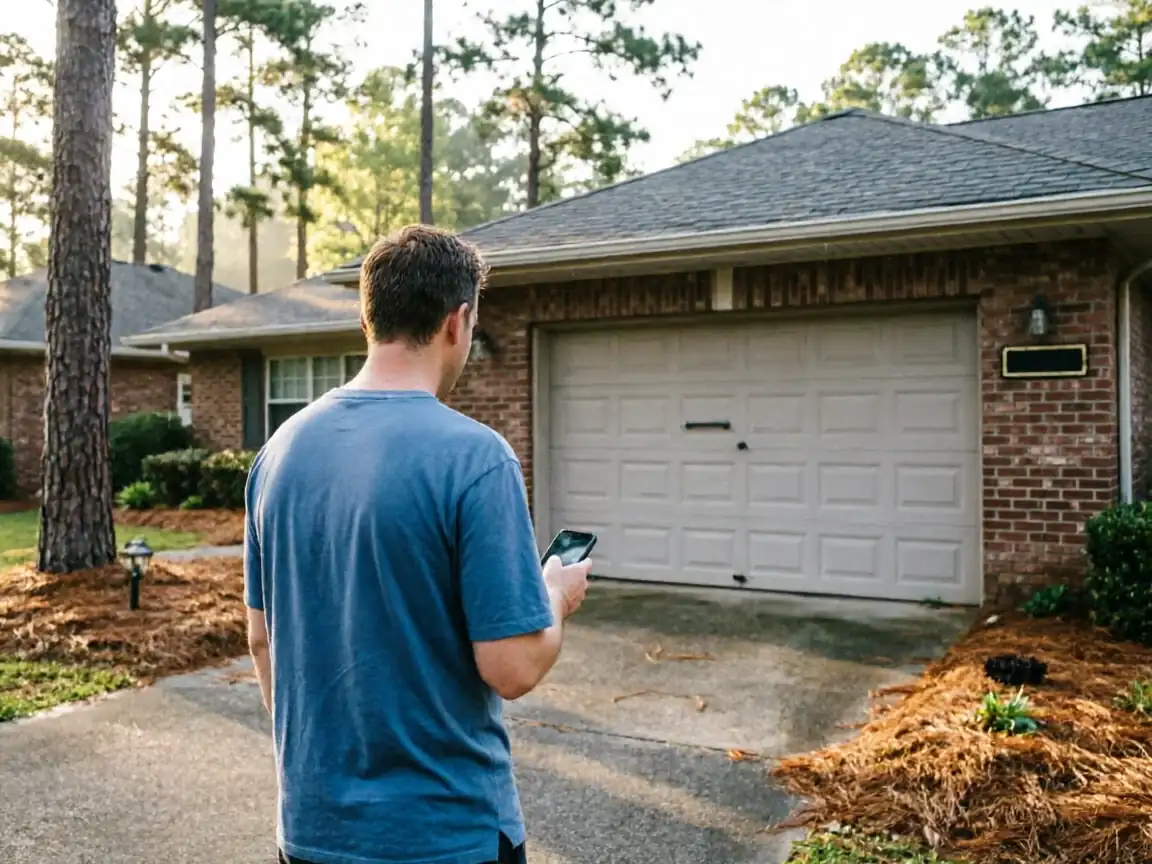
Housing across the service area mostly went up between 1964 and 2011, with a lot of it concentrated in the 1980s and '90s across the fifteen named areas we work in. That range matters because it spans a few different eras of garage door hardware - older torsion setups, early extension-spring conversions, and the galvanized spring packages that became standard later in that window.
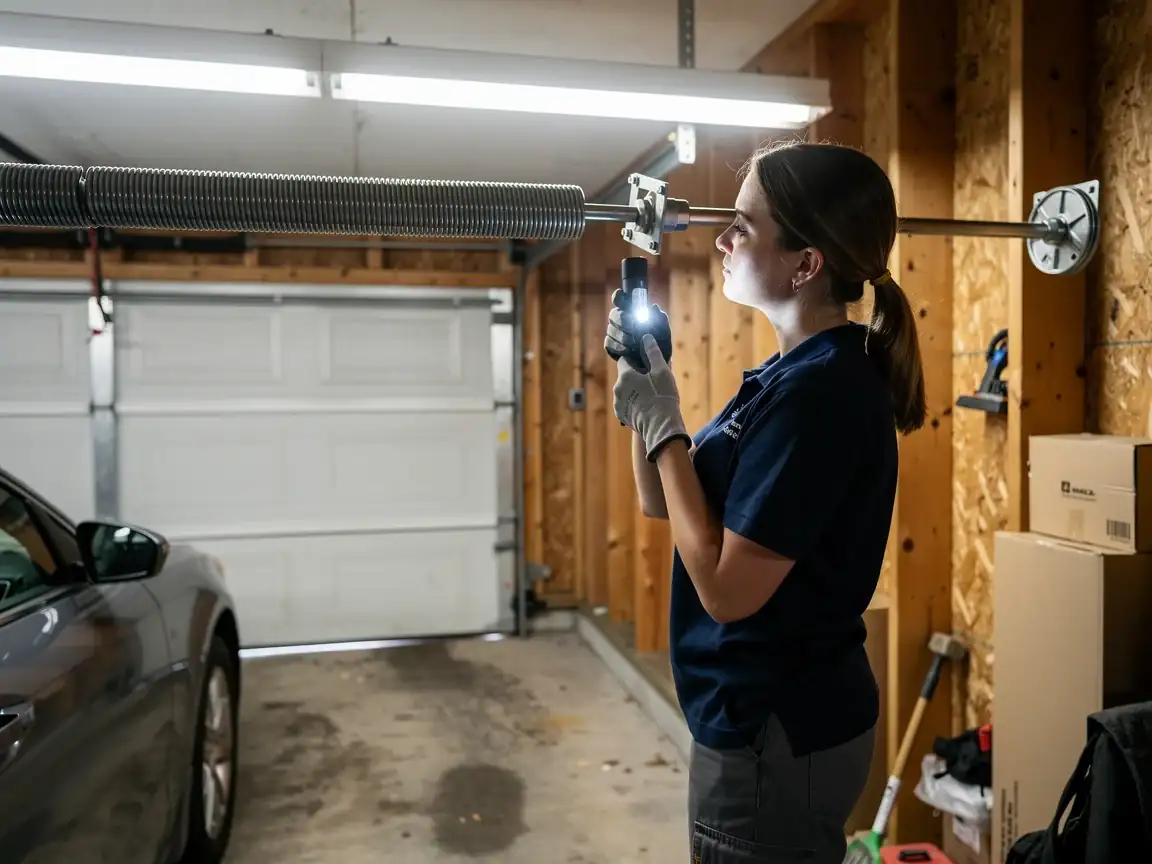
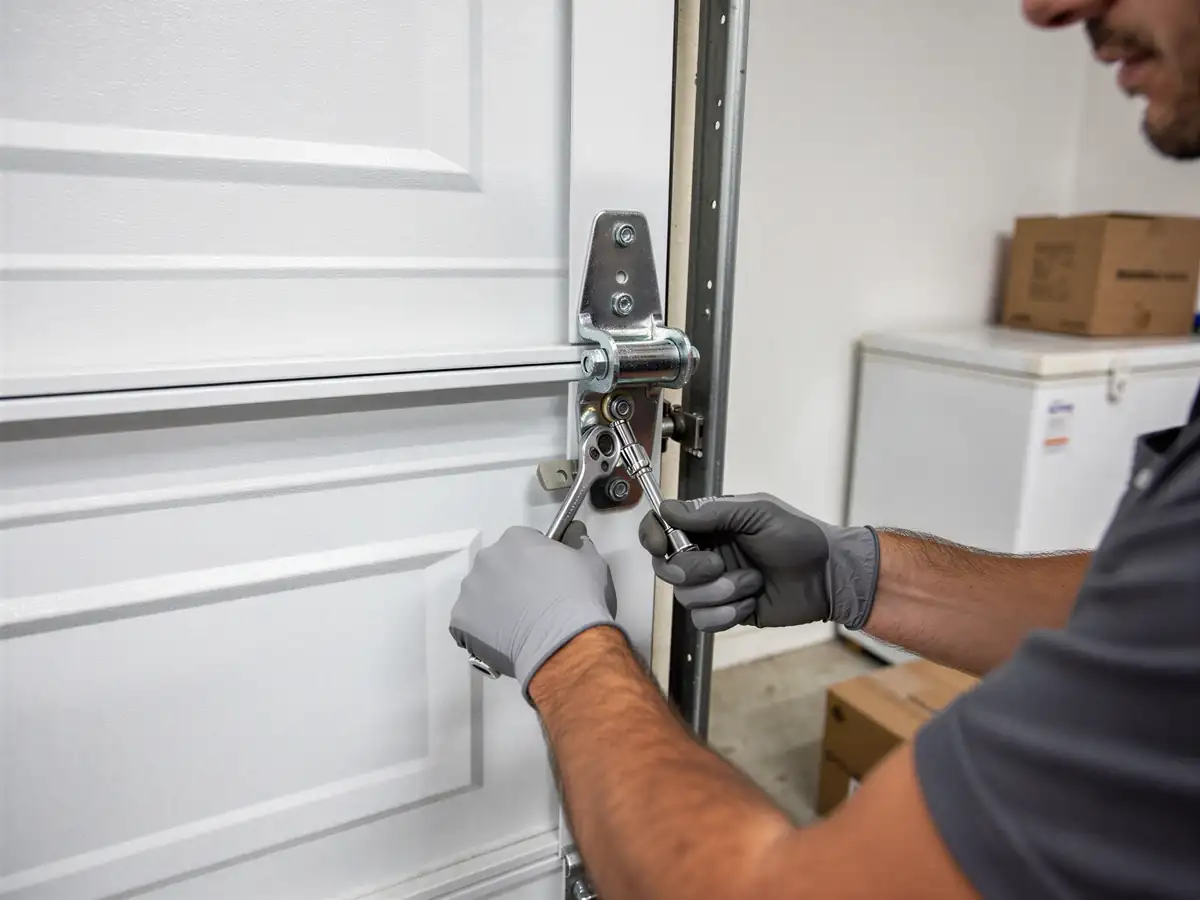
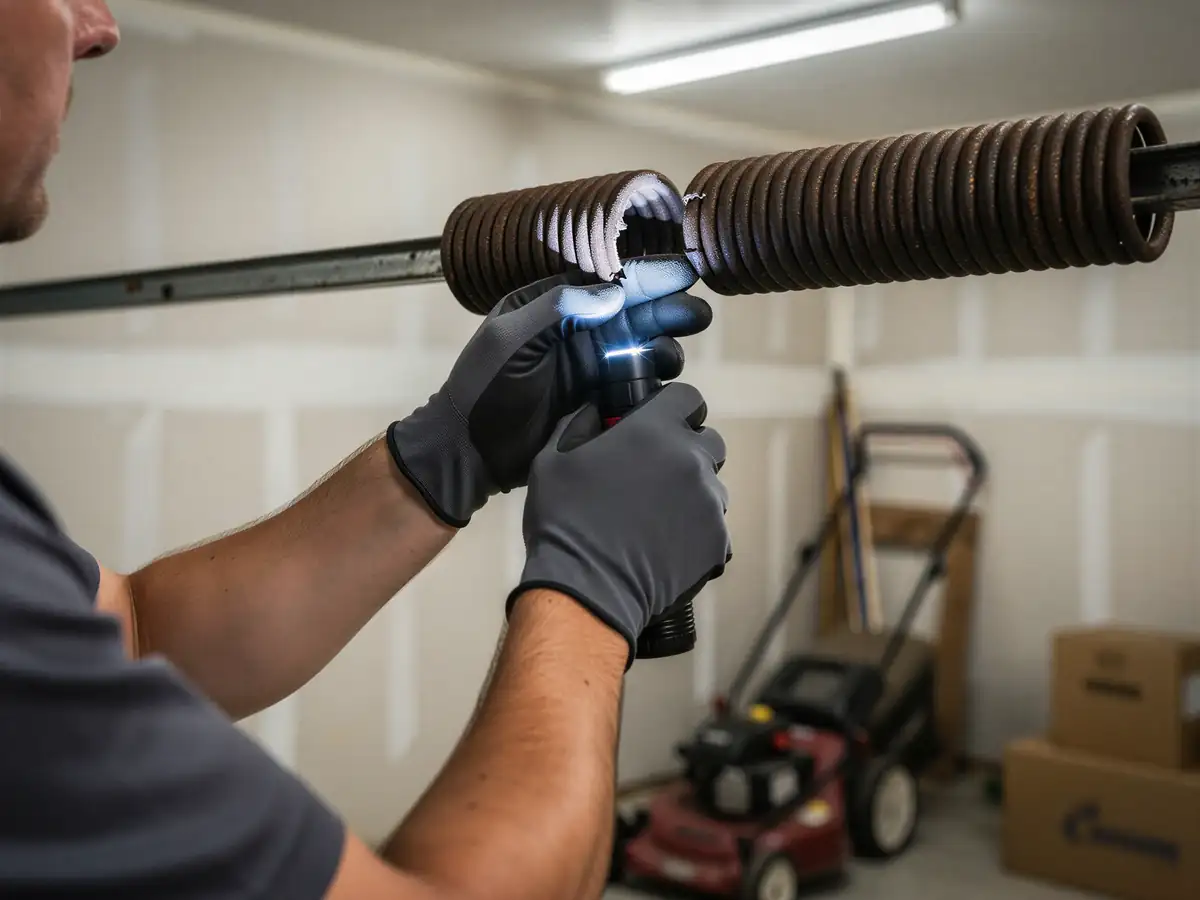
If your house falls in that 1980s-90s pocket, check the spring first. A torsion spring from that era is usually a single unit rated for a specific door weight, and if it's original, it's well past the stated cycle life even if it still looks fine. Look at the coils for gaps or a flat spot - that's a spring that's about to go, not one that's going to last another winter.
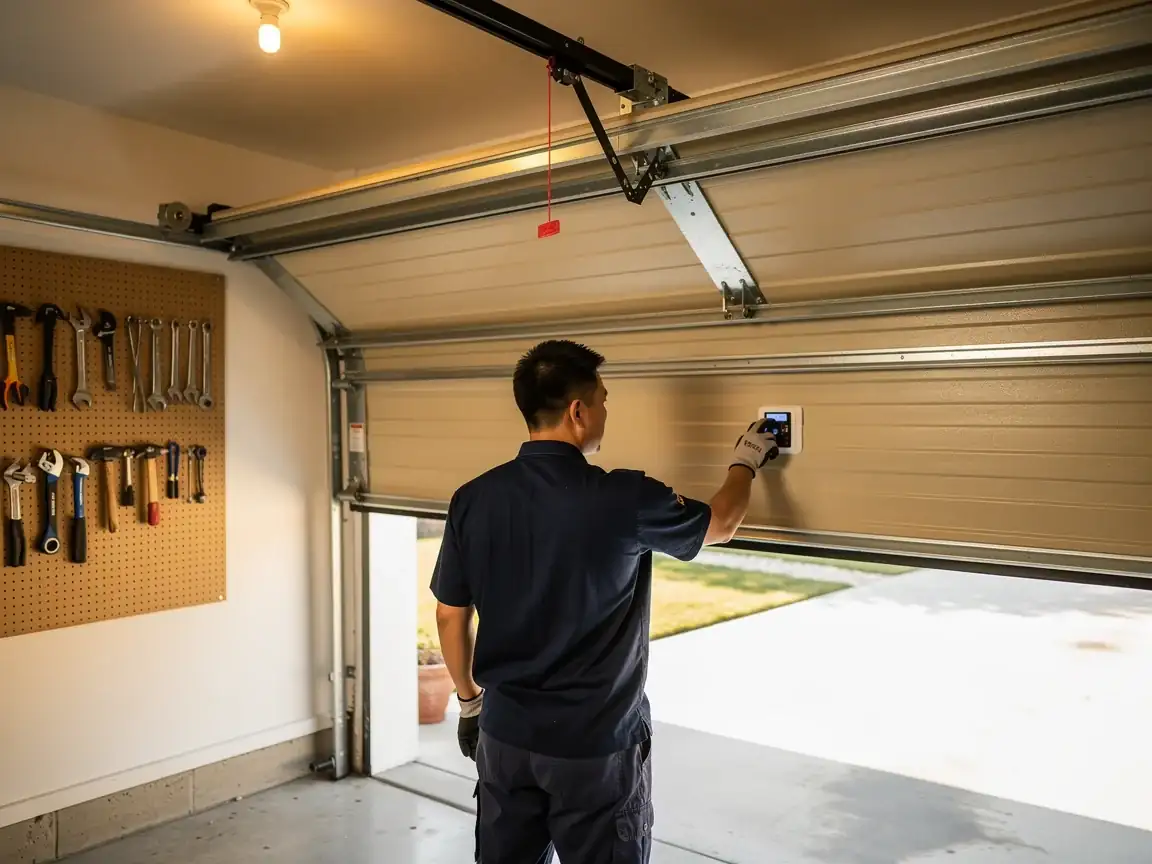
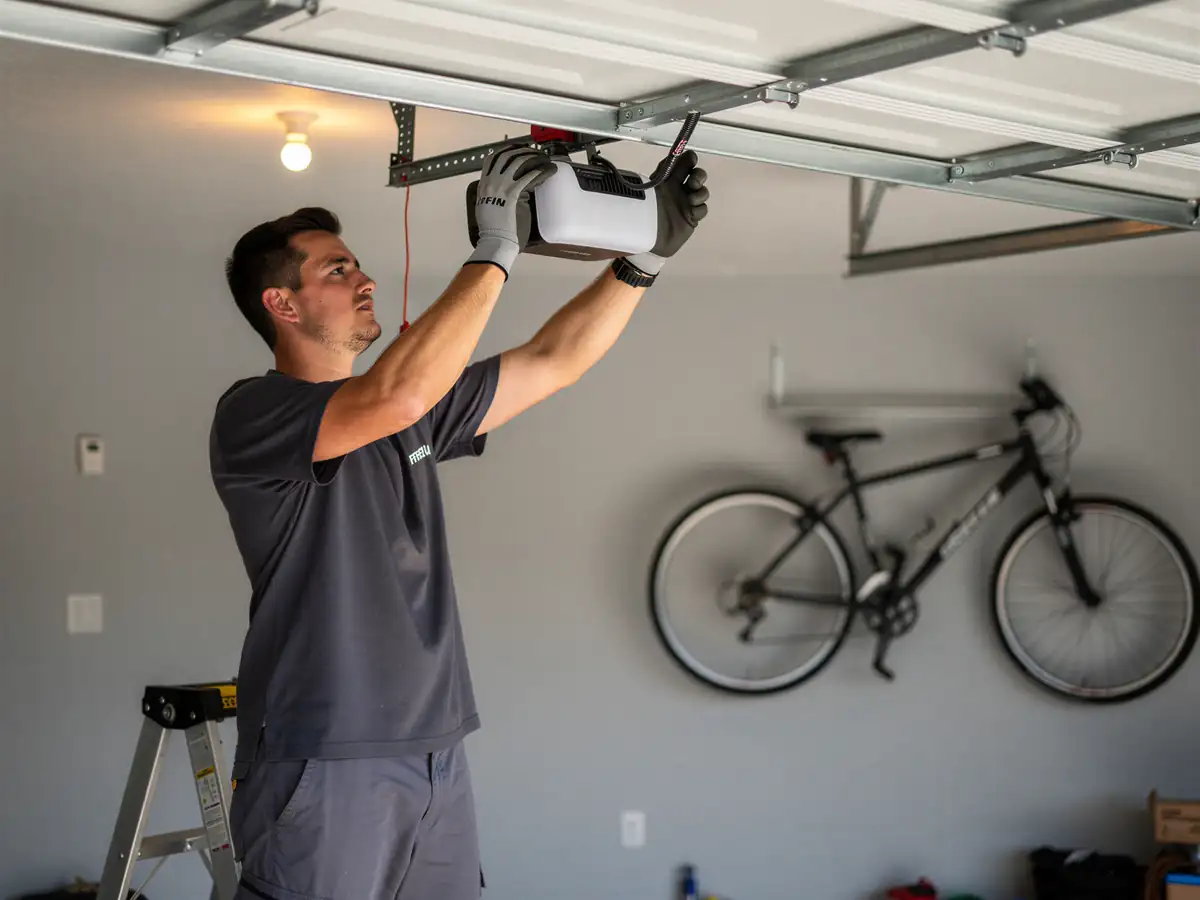
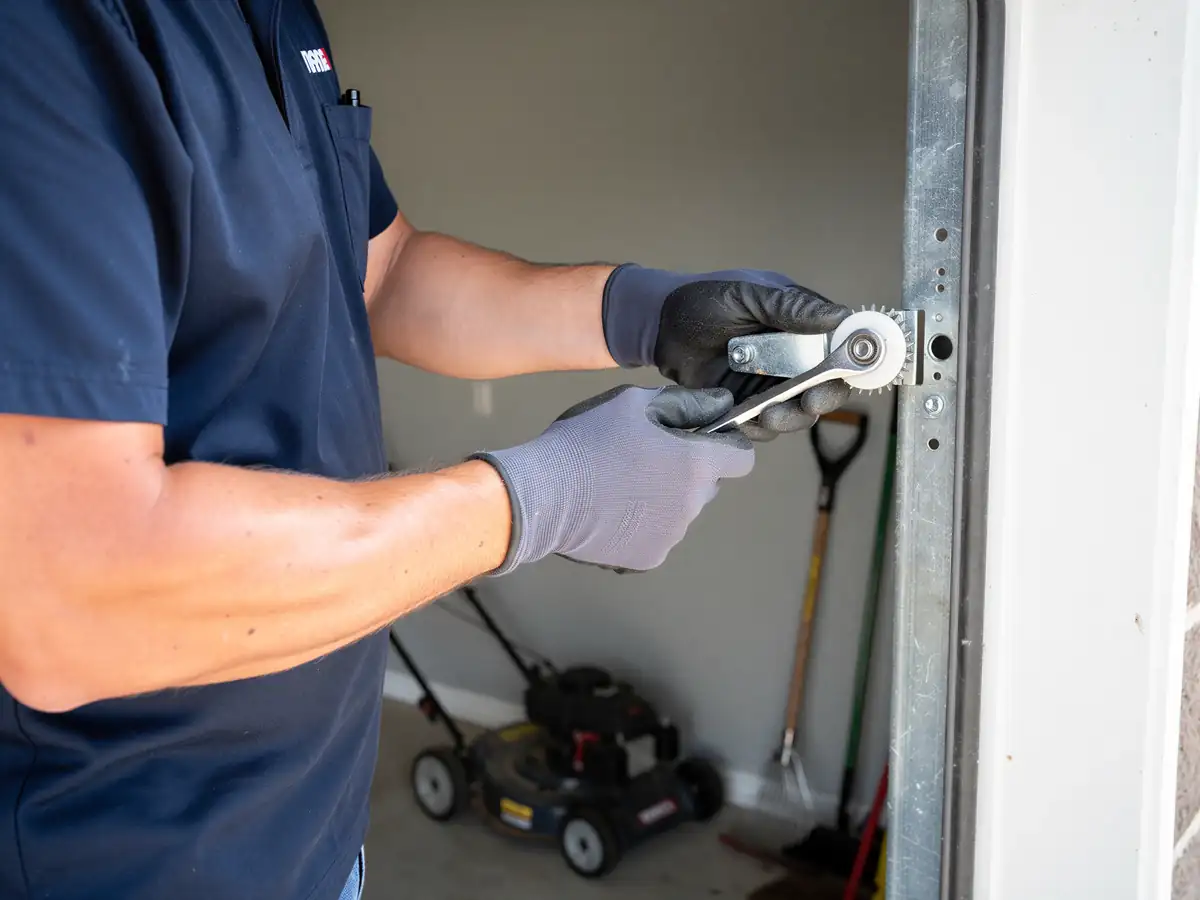
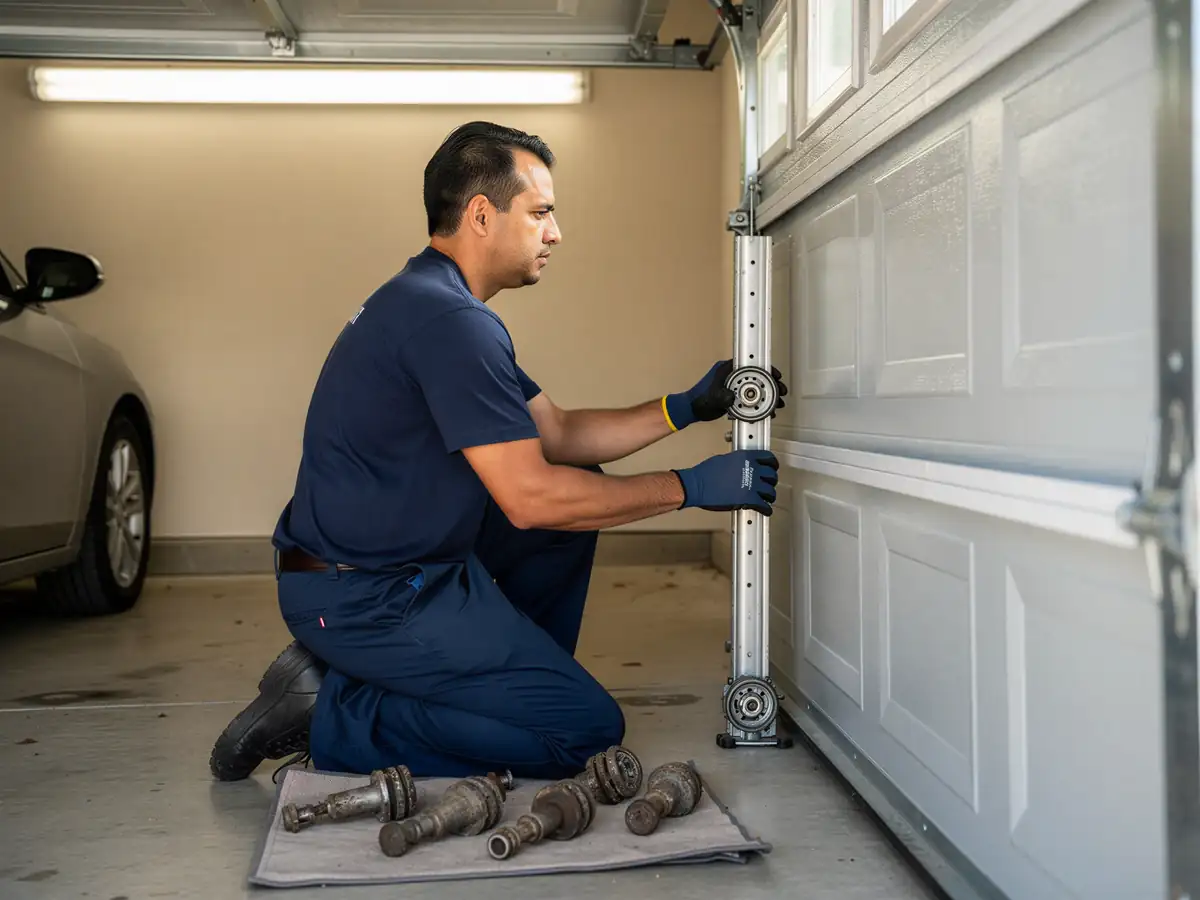
Next check the track alignment and the bottom brackets, especially on doors that haven't been serviced. A door that's drifted slightly off-track for years will have worn rollers and stretched cables even if nothing has broken yet. None of this means replace the door. It means know what you're actually looking at before you decide.
How Local Conditions Play In
The mild-with-freeze climate here doesn't stress a door the way a true four-season climate does, so a lot of original hardware from the 1964-2011 build window has lasted longer than it would somewhere colder. That's the good news. The less good news is that humidity is still hard on exposed steel - cables fray from the inside out, and springs lose temper faster in heat-humidity cycling than people expect.
Across the areas we see - the Sandfly side near and in toward the Historic Districts - the doors that hold up best are the ones that got lubricated on a schedule and never sat off-track for years at a time. The ones that fail early are almost always the ones nobody touched after installation.
If you're near Georgetown or Garden City on older stock, or further out toward Richmond Hill or Skidaway Island where houses trend a bit newer, the hardware generation differs enough that a repair call should start with what decade the door actually is, not just what's broken on the surface.
The Situation
Here's the honest version
If your door is from the older end of that 1964-2011 range and the opener, track, and panels are all original, a spring or cable repair is usually worth it - that hardware was built heavier than a lot of what goes in today, and a repair runs a fraction of replacement.
Where it stops being worth fixing is when you're looking at a warped panel plus a worn track plus an opener that's already been replaced once
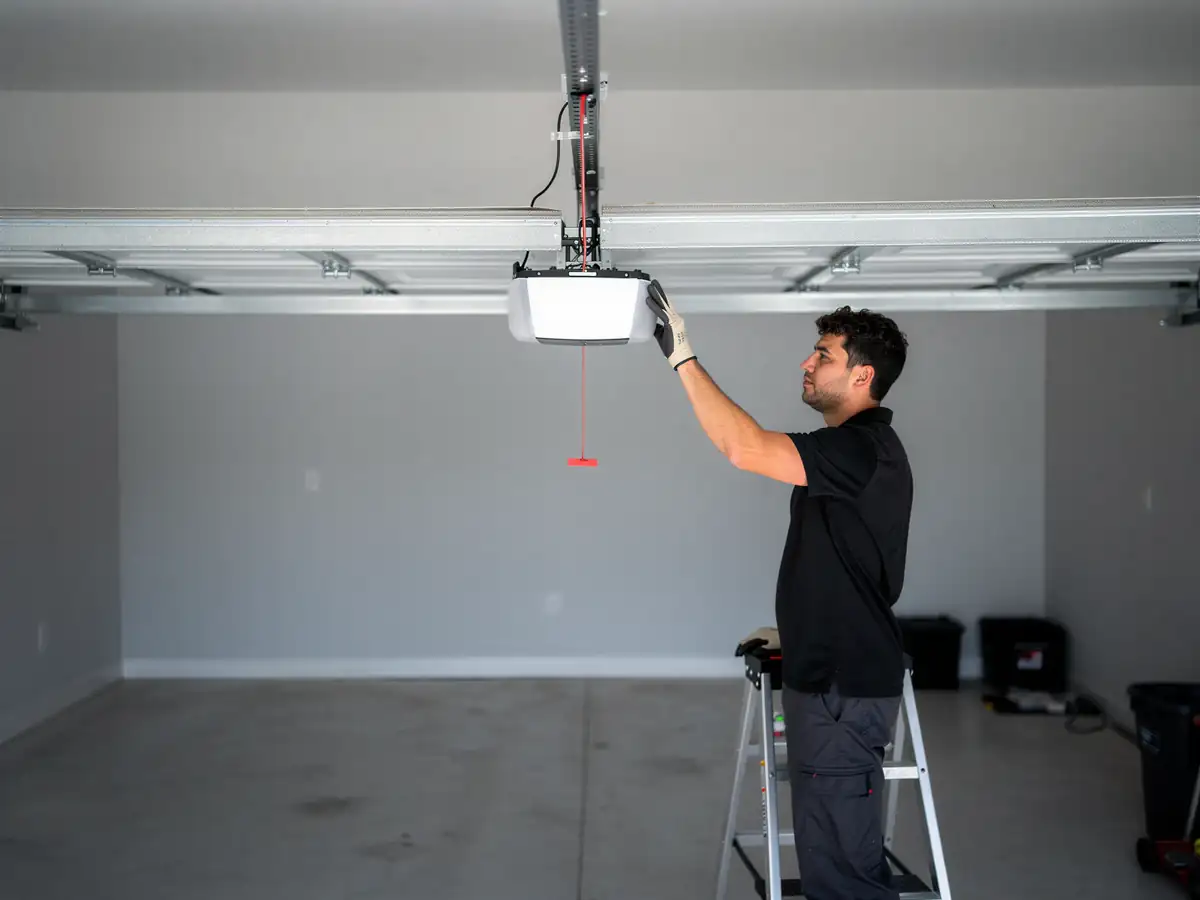
At that point you're paying for labor on three separate repairs instead of one install, and the door still looks like what it is. We won't talk you into patching a door that's past it just to get the call - some jobs are a straight replacement conversation, and we'll say so.
We don't carry parts for every obsolete opener model that shipped in this area over the decades
So there's a real limit to what's fixable versus what needs a new unit. If you're not sure which side of that line your door is on, that's the actual question worth answering before any repair gets scheduled.