Why This Fails Locally
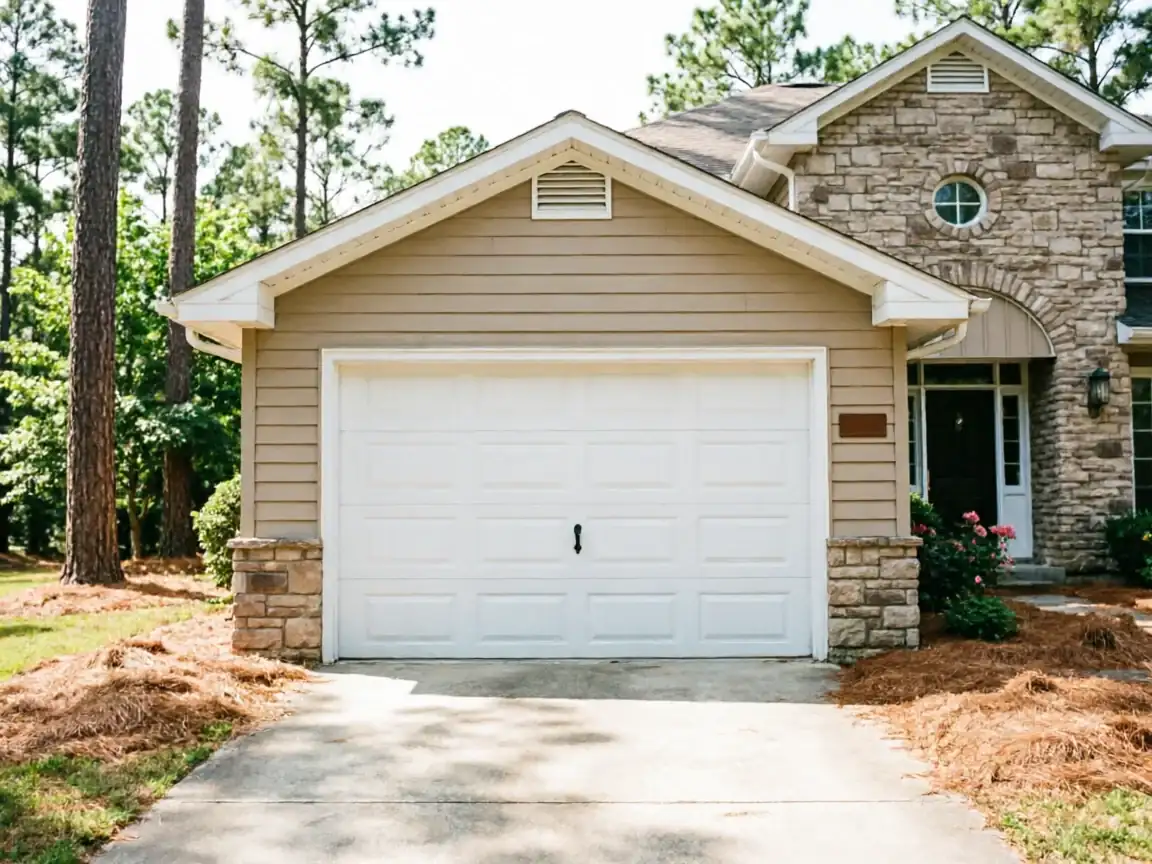
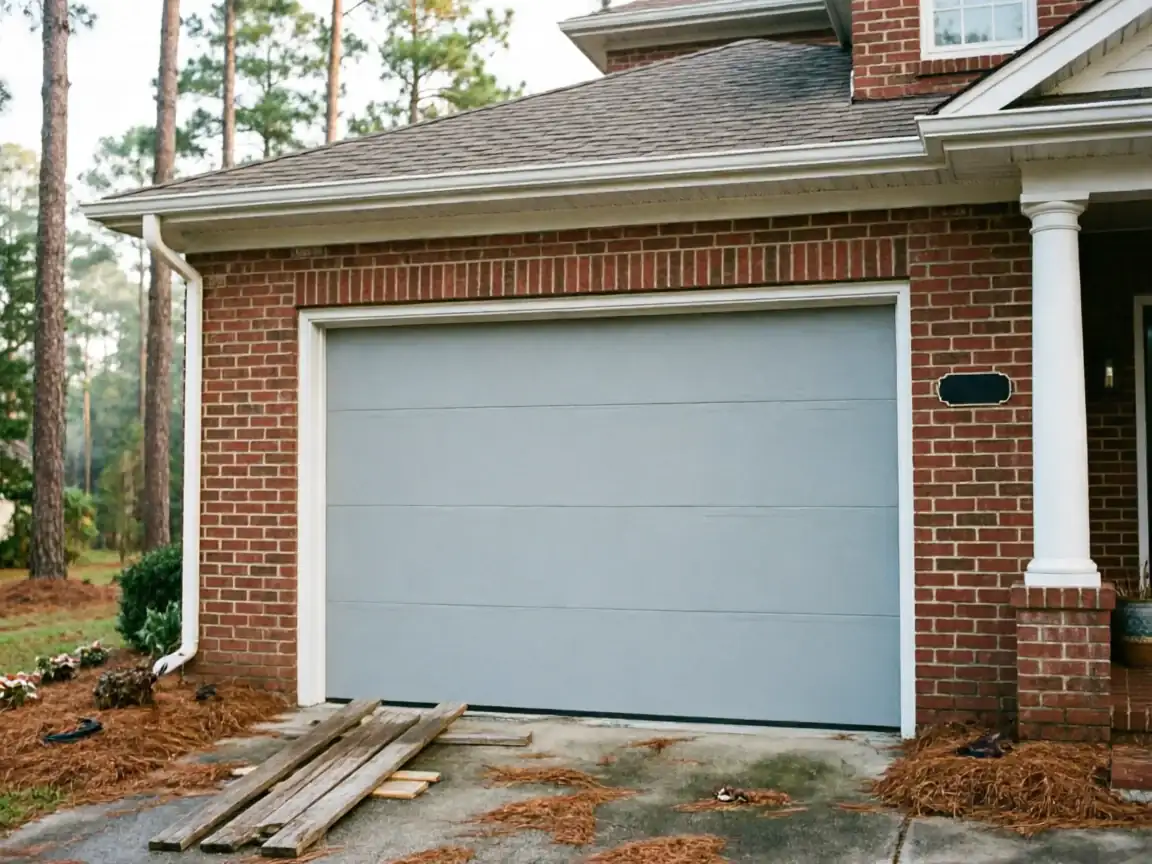
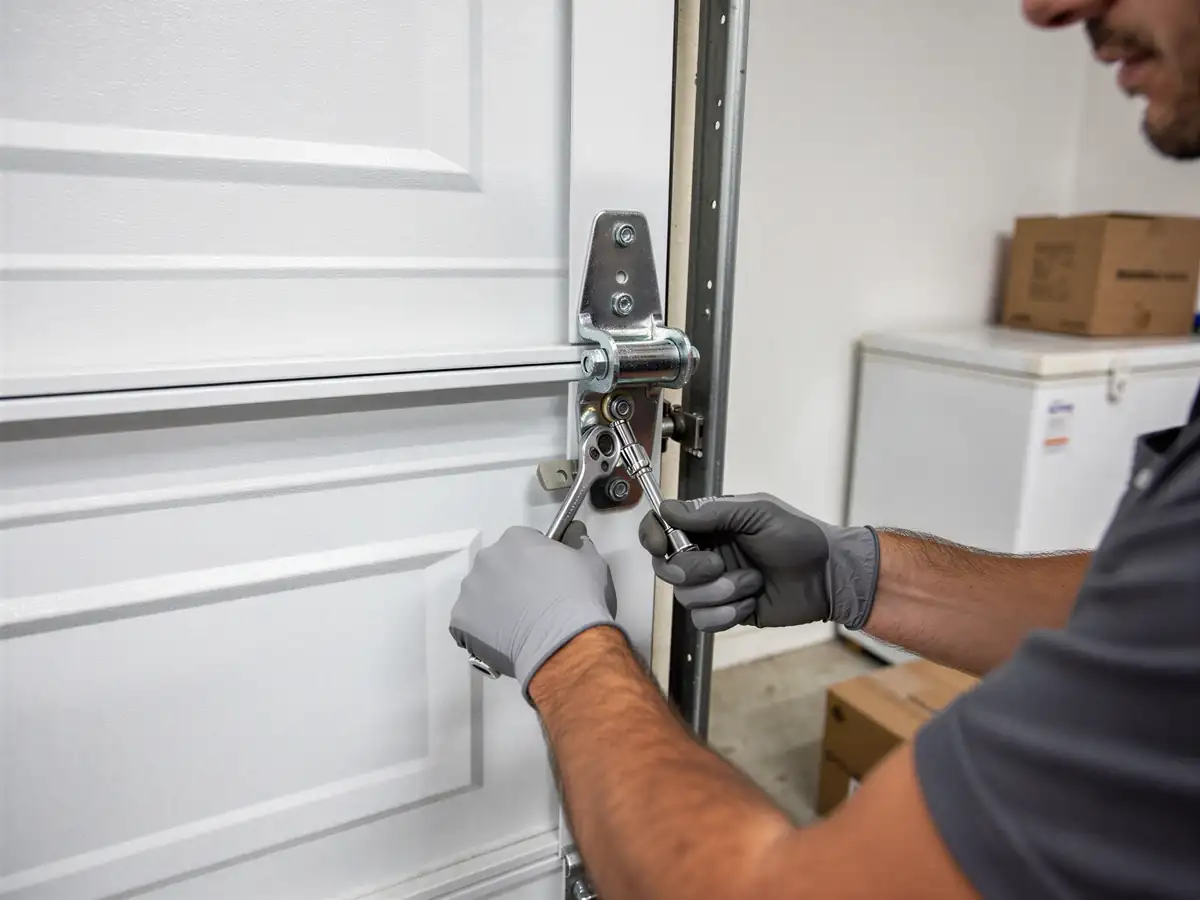
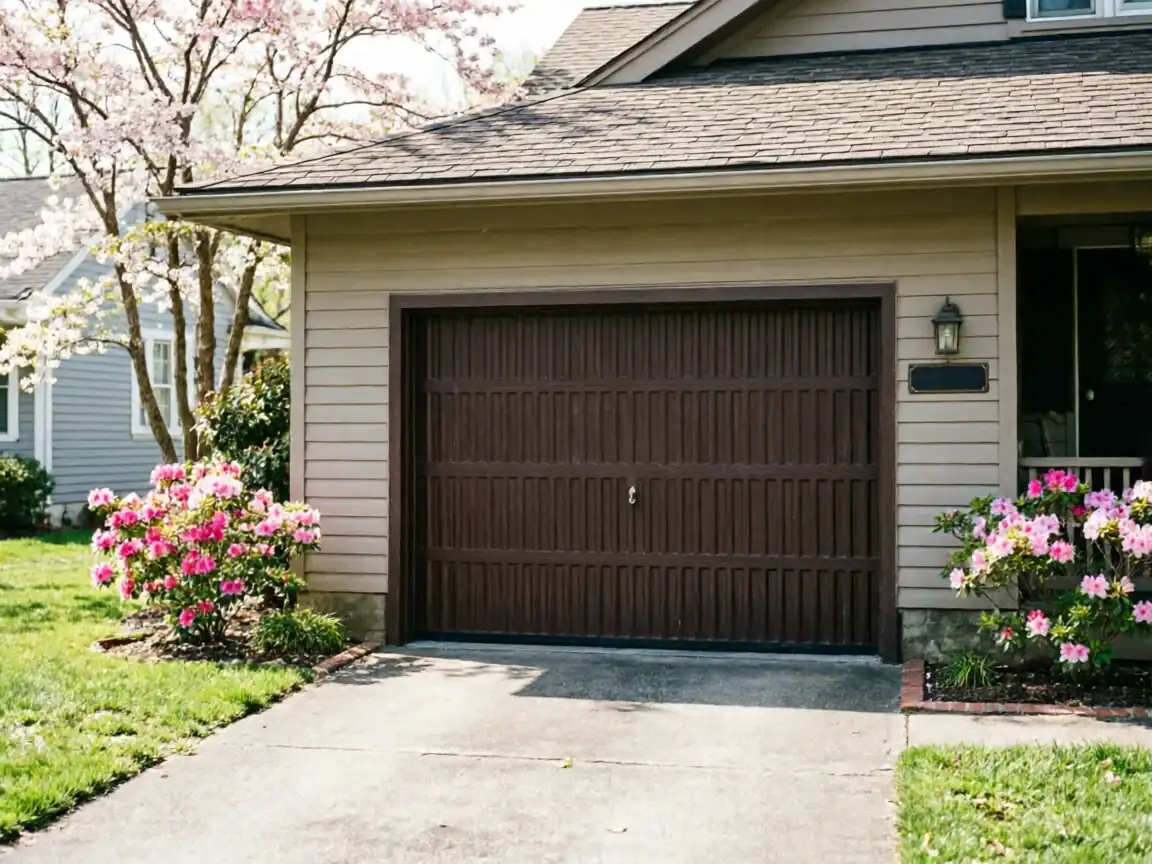
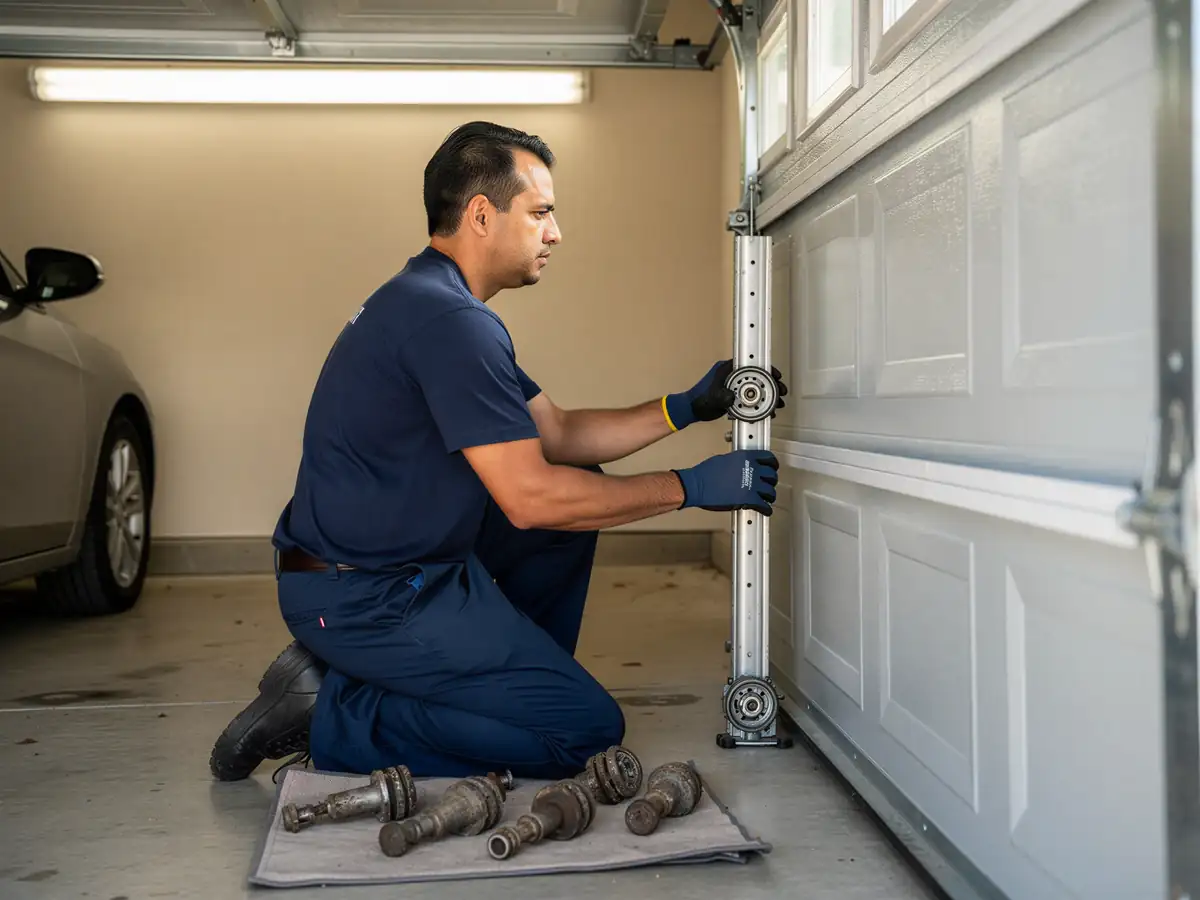
Montgomery sits about 8 miles out from Savannah, and the housing stock here centers on 1984 - solidly in the window when a lot of garage doors went up with steel tracks and roller hardware that was built to last, not to be serviced. Across the 15 named areas we cover, the stock runs 1980s to 90s, and Montgomery's own build year lands right in that run. The failure mode that shows up most in homes from this era is a track bracket that's slowly worked loose at the lag bolts over decades of door cycles - not a dramatic snap, just a slow drift until one day the roller walks off the rail on a close. In a milder climate with some freeze risk, like this one, you don't get the frost-heave foundation shifts that throw brand-new tracks out of square elsewhere - here it's age and cycle count doing the damage, which is a slower, quieter failure and easier to miss until the door's hanging at an angle.
The DIY Question
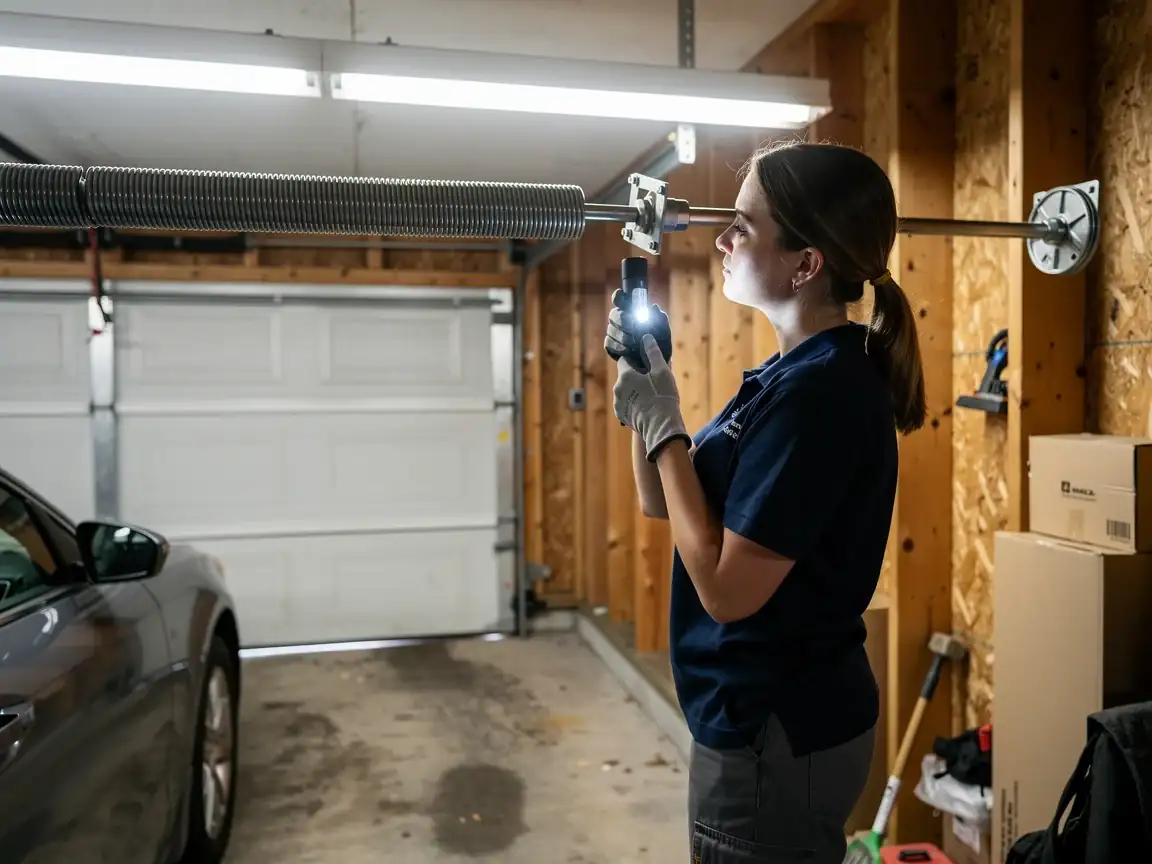
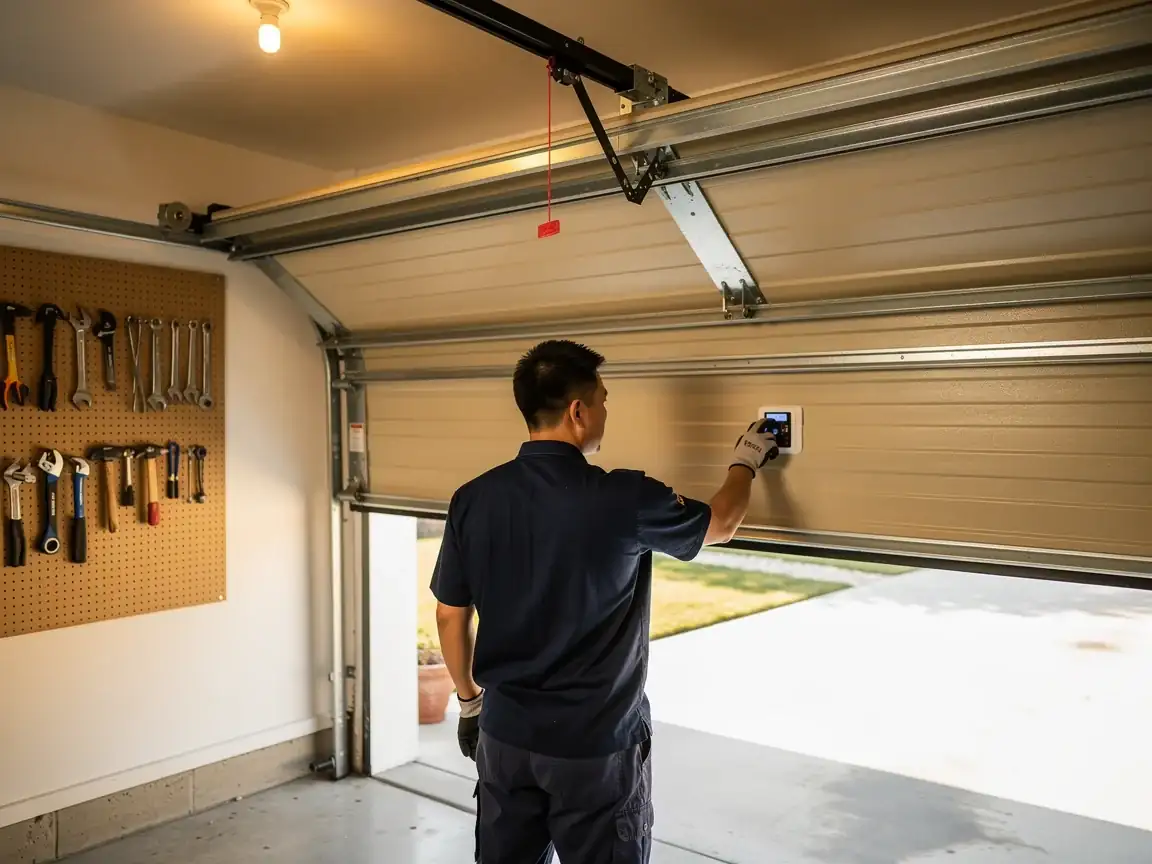
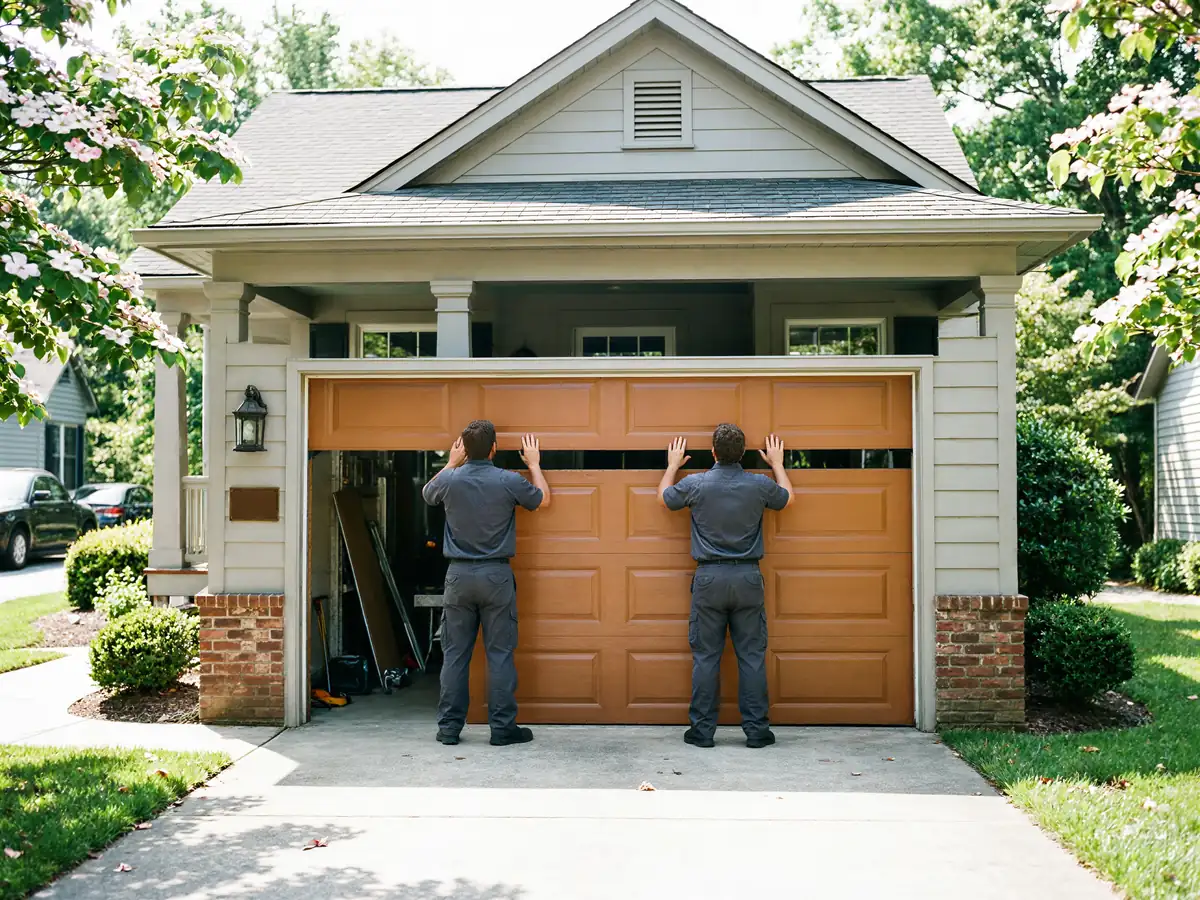
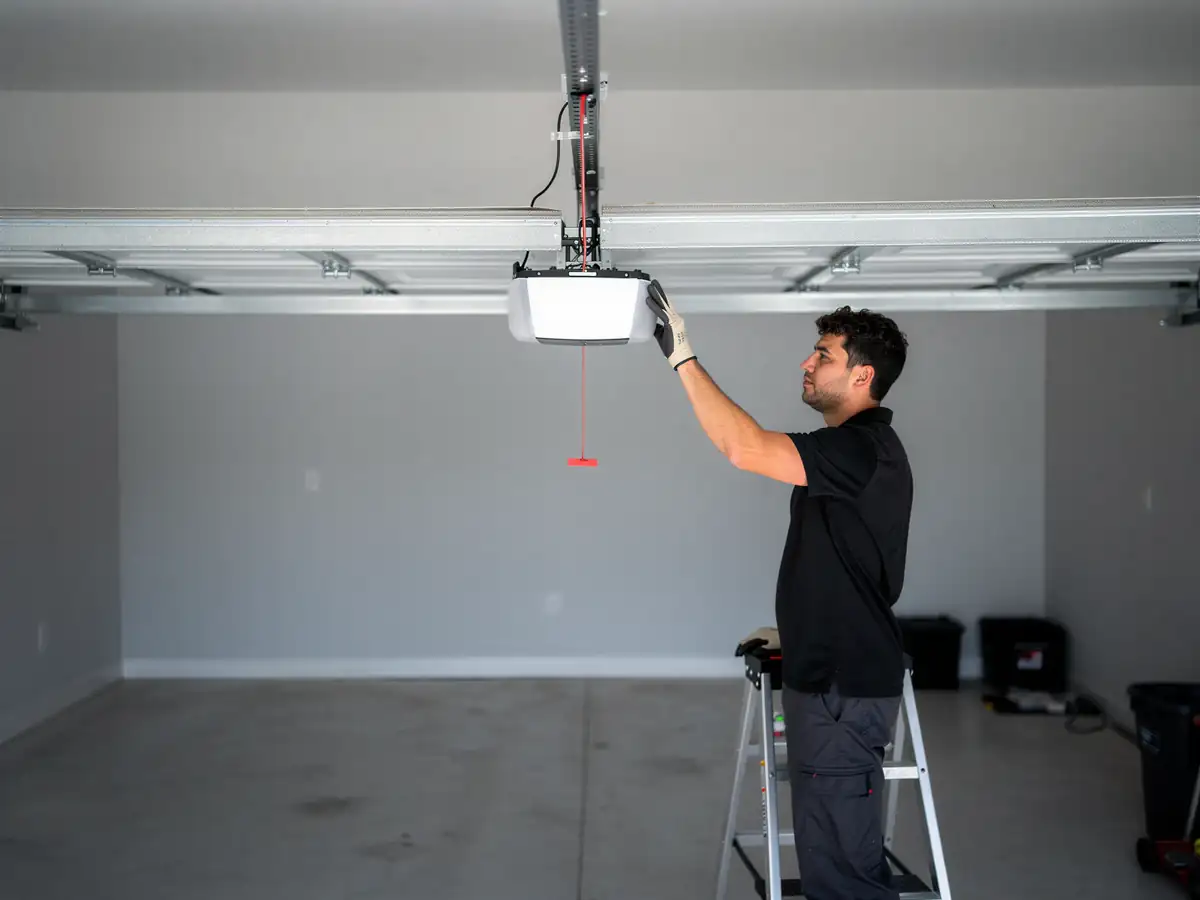
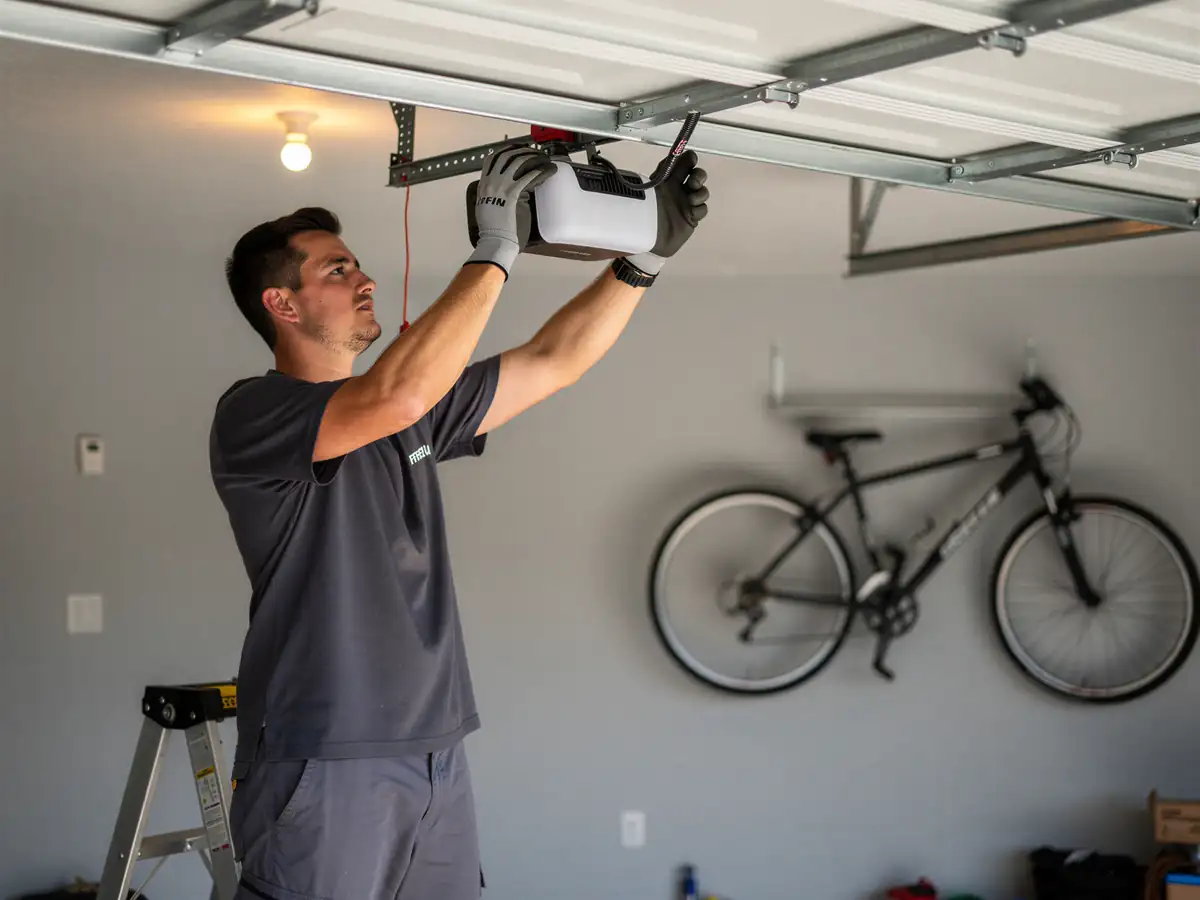
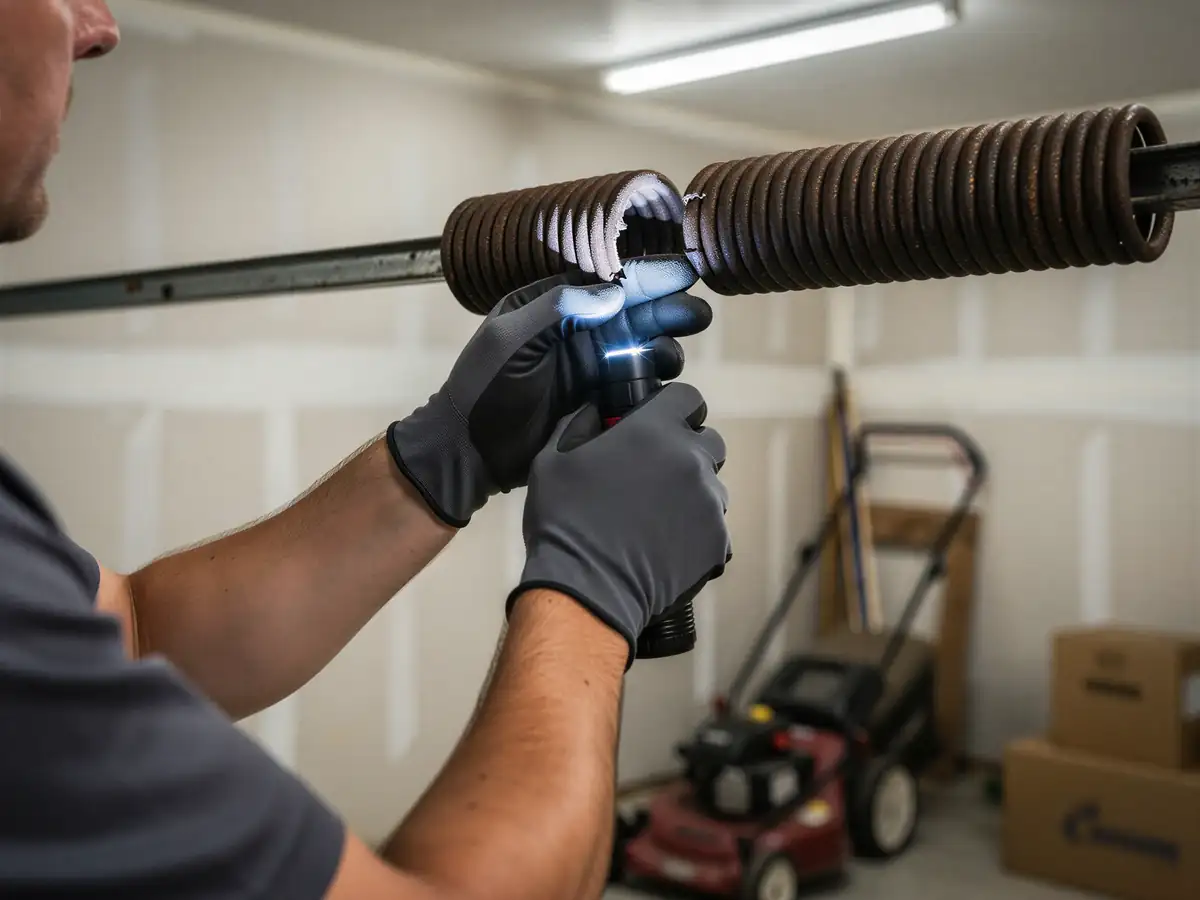
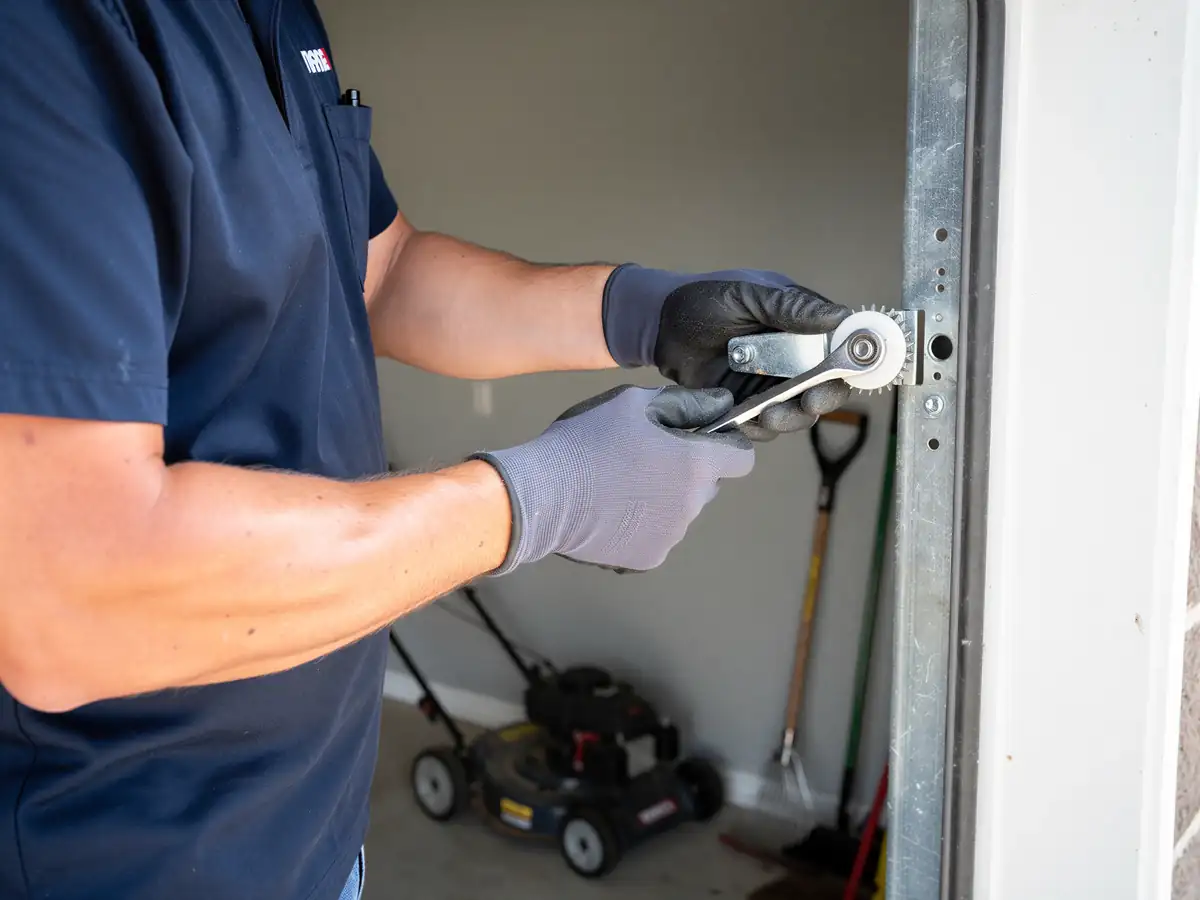
You can push a door back onto its track yourself if it's only off on one side and the opener is disconnected first - that part isn't complicated. What gets people in trouble is doing it with the opener still powered, or with a spring under tension, because a door on a bent track can bind and then let go all at once. If your hardware is original to a 1984 build, there's also a decent chance the roller carriers or hinges are brittle enough that forcing a door back into the track cracks something that was already near failure. Our honest limit here: we don't recommend DIY on anything where the track itself is visibly bent, or where you can't tell by eye whether it's the track or the roller that's the problem. That's a call a tech makes standing in front of it, not over the phone.