Why This Fails Locally
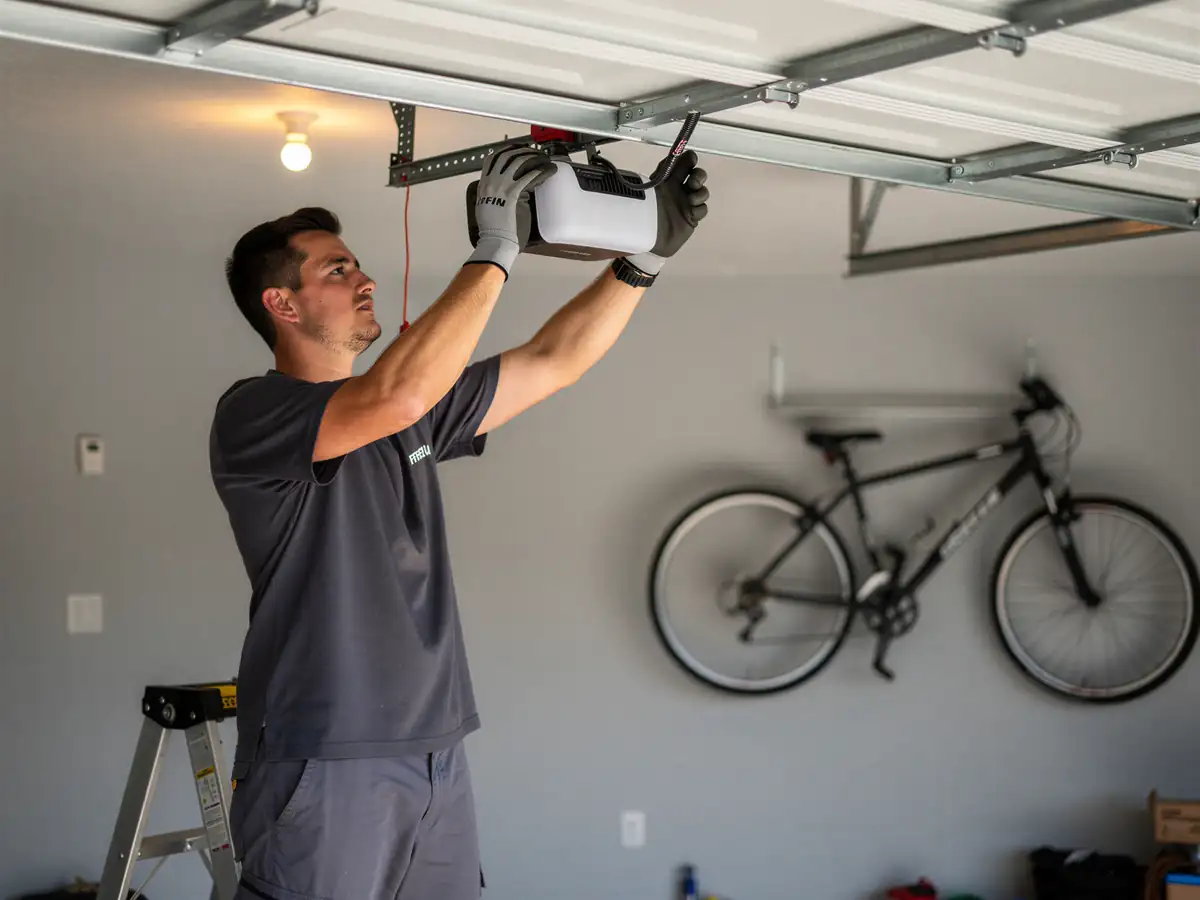
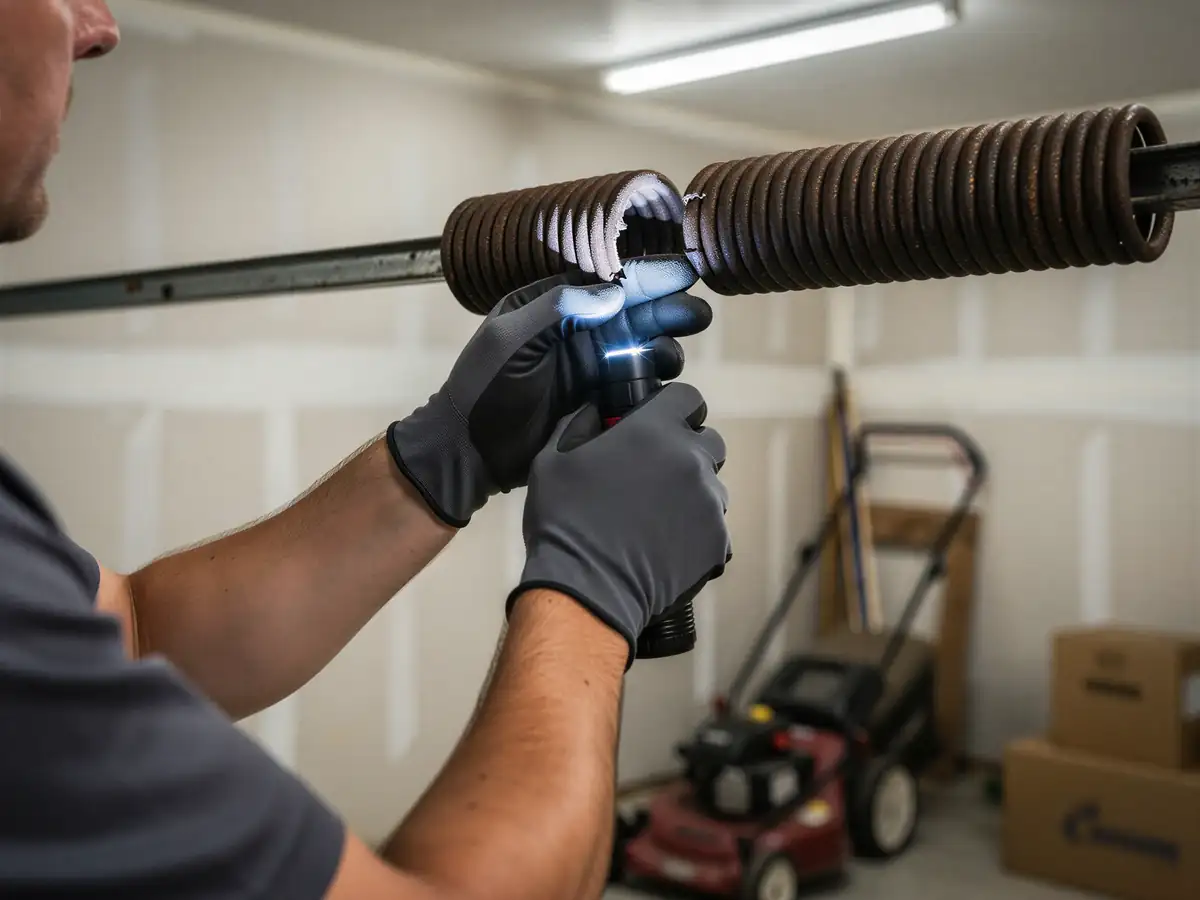
A home built in 1984 was built in the chain-drive era. The openers that went in then were simple, mechanical, and often still running when the house changed hands once or twice since - which is why we see a lot of first-generation or early-replacement units out here, not the rolling-code screw-drive models that went into Savannah's newer subdivisions. These older units wear differently: the drive gear strips from decades of use, the capacitor that gives the motor its starting torque goes first in the heat, and the logic board, if it's been swapped once already, often doesn't match the original rail or sensor wiring. Montgomery's housing stock centers on 1984, a few years older than the 1990 median across the wider service area, so the failures we're called out for here tend to be a notch further along than what we see on an average Savannah job - stripped gears instead of loose ones, a board that's simply stopped posting instead of one that's intermittent. The mild climate with occasional freeze doesn't help a strained chain-drive motor's lubricant hold up over that many summers. None of this is dramatic. It's just old hardware doing what old hardware does.
The DIY Question
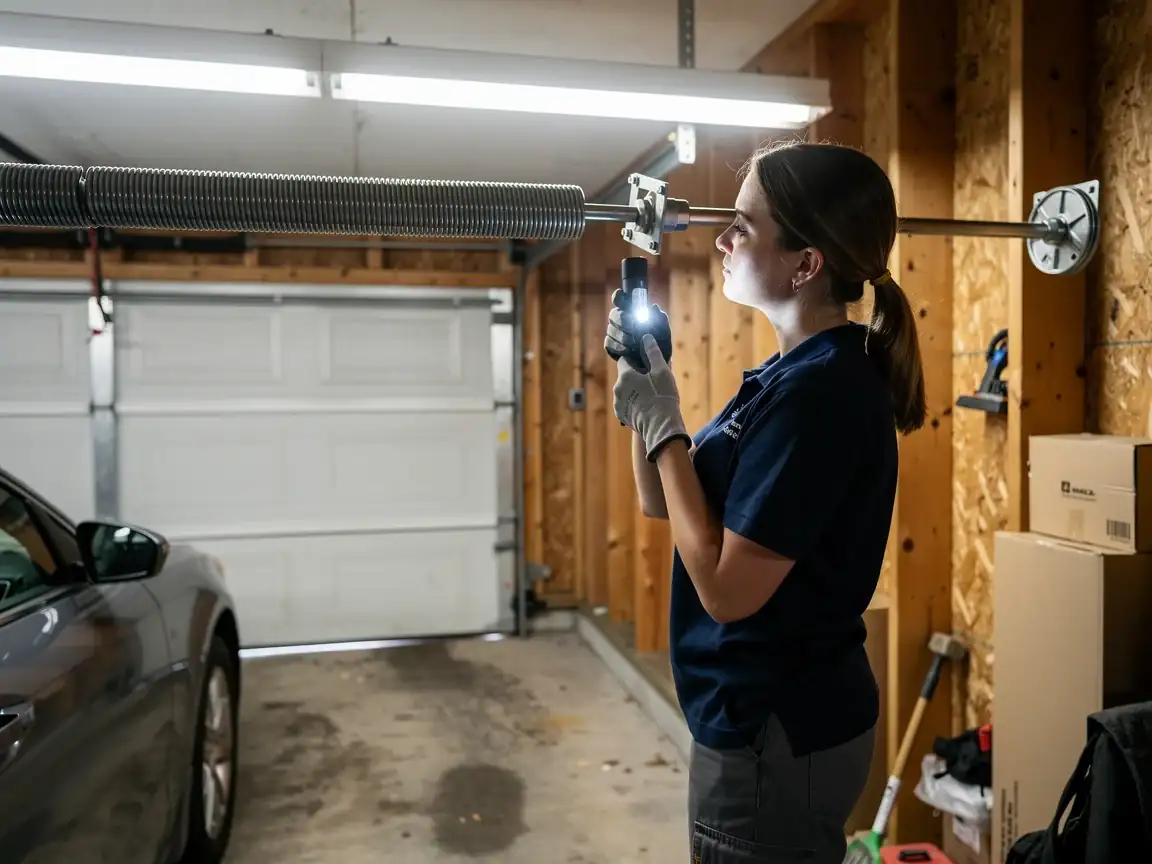
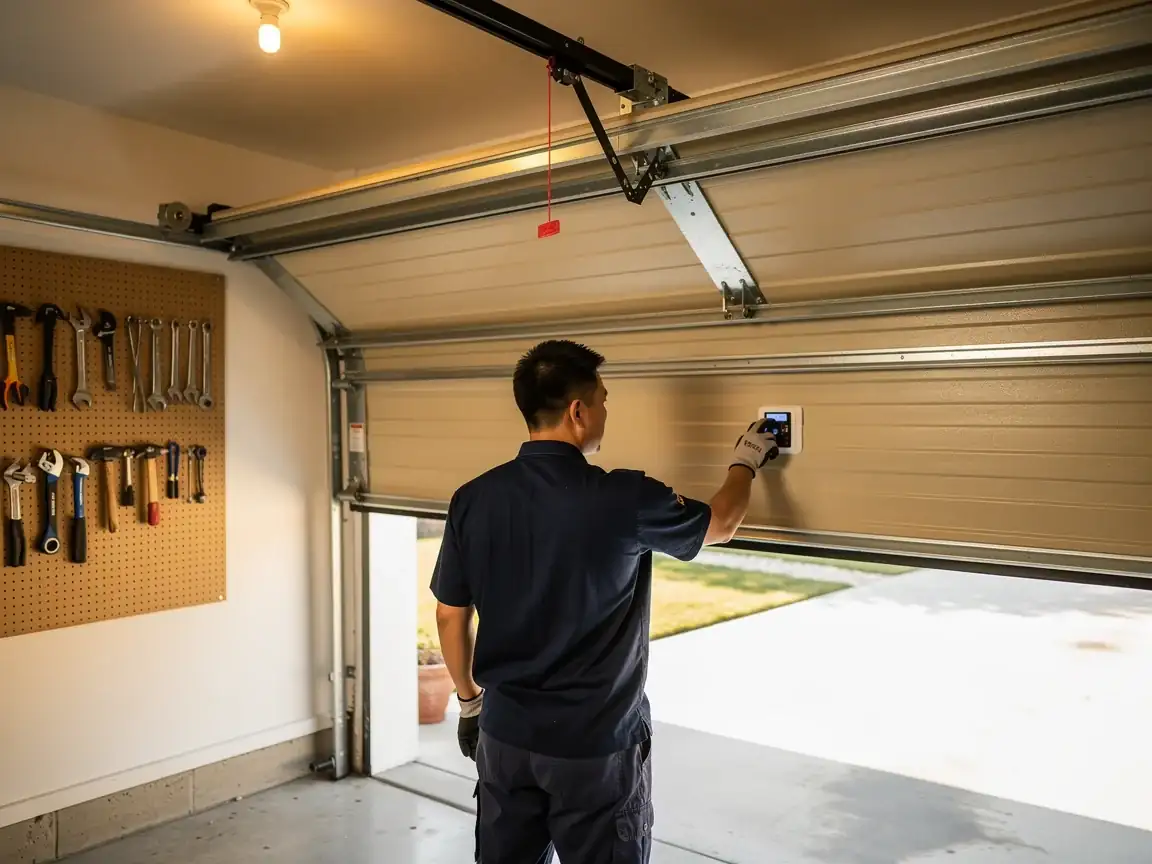
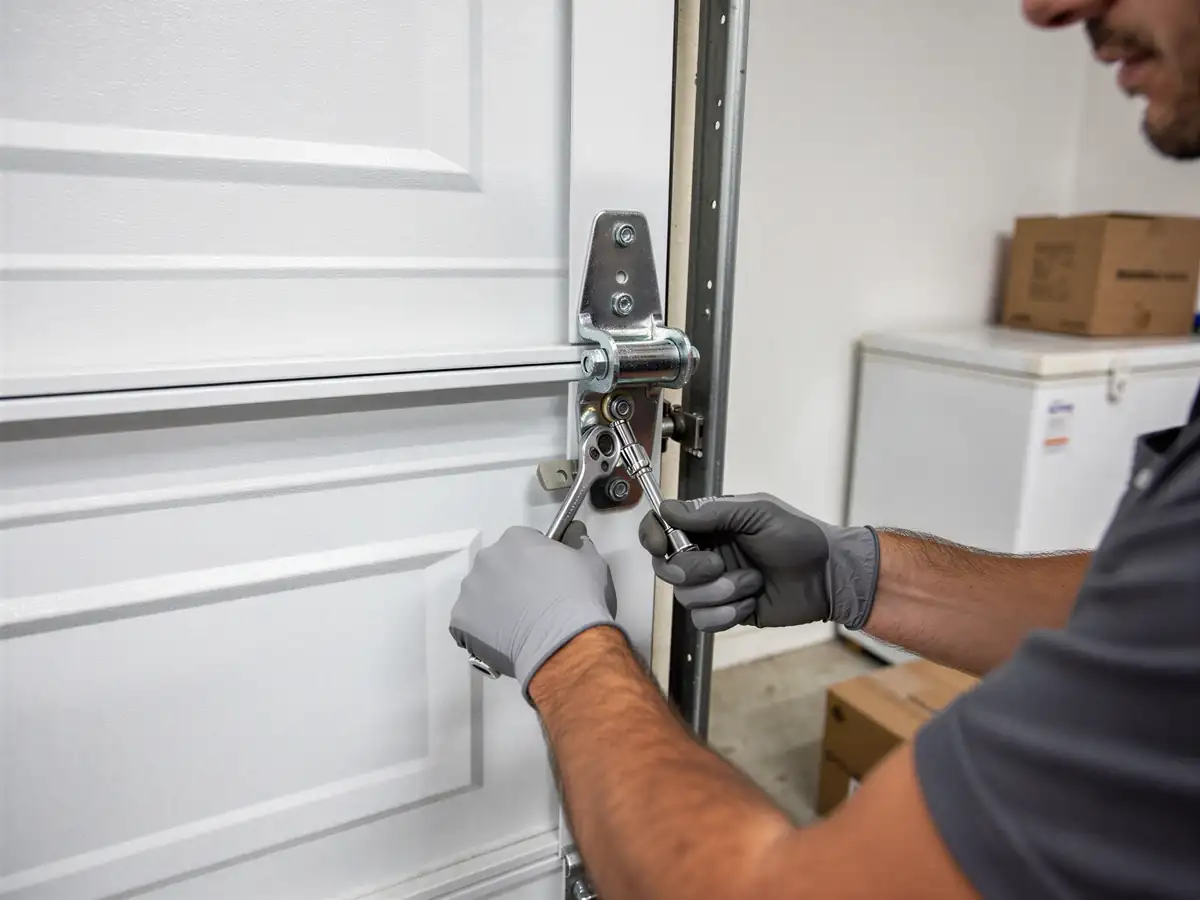
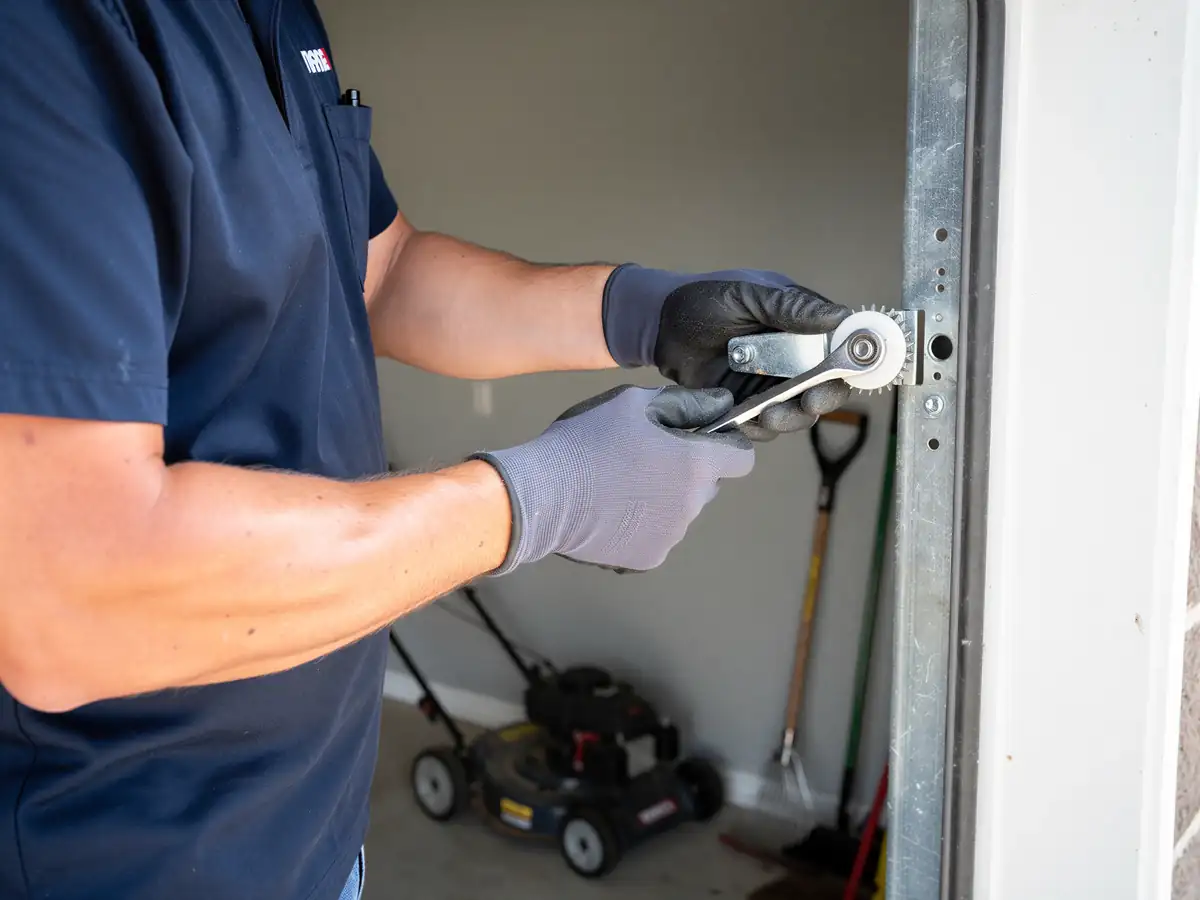
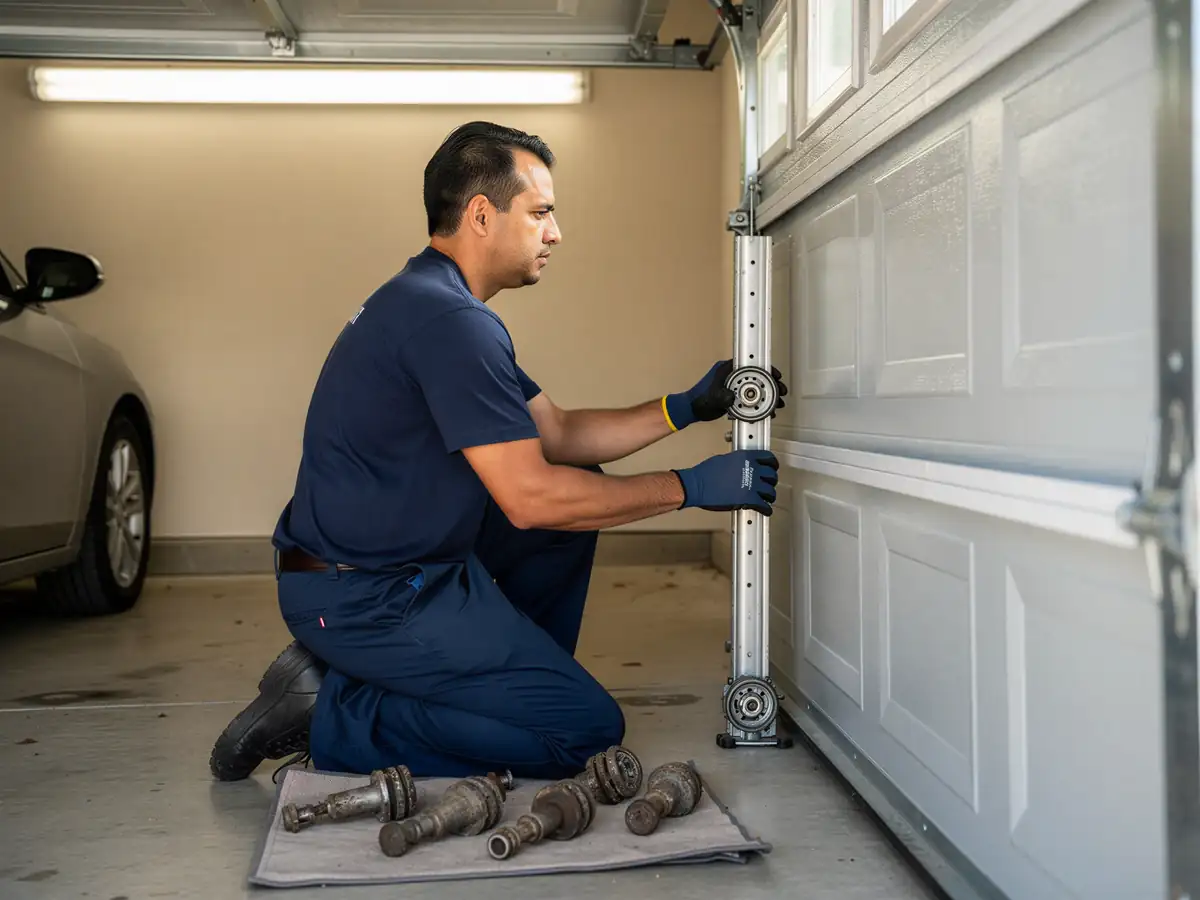
Swapping a wall button or reprogramming a remote is within reach for most owners, and we're not going to tell you otherwise. Where it stops being a weekend job is the drive train itself. A chain-drive opener from the 1984-era stock often runs on a gear set and shaft assembly that newer universal parts don't match cleanly, so a swapped-in modern gear kit can bind or strip again inside a season if the rail isn't shimmed right. We've also seen owners replace a dead logic board only to find the safety reversal sensors from the original install were never wired to code in the first place - that's not a part you want to guess at. Our honest limitation: if your opener is the original 1984-era unit and the motor housing itself is cracked or the gear case is stripped past the point of a clean part swap, we're going to tell you to replace the whole unit rather than keep patching it. Repairing a unit that old past a certain point costs more in labor than a new motor does, and we'd rather say that up front than bill you for round two.