When We Can Get There
We run out of Savannah, about 10 miles up the road
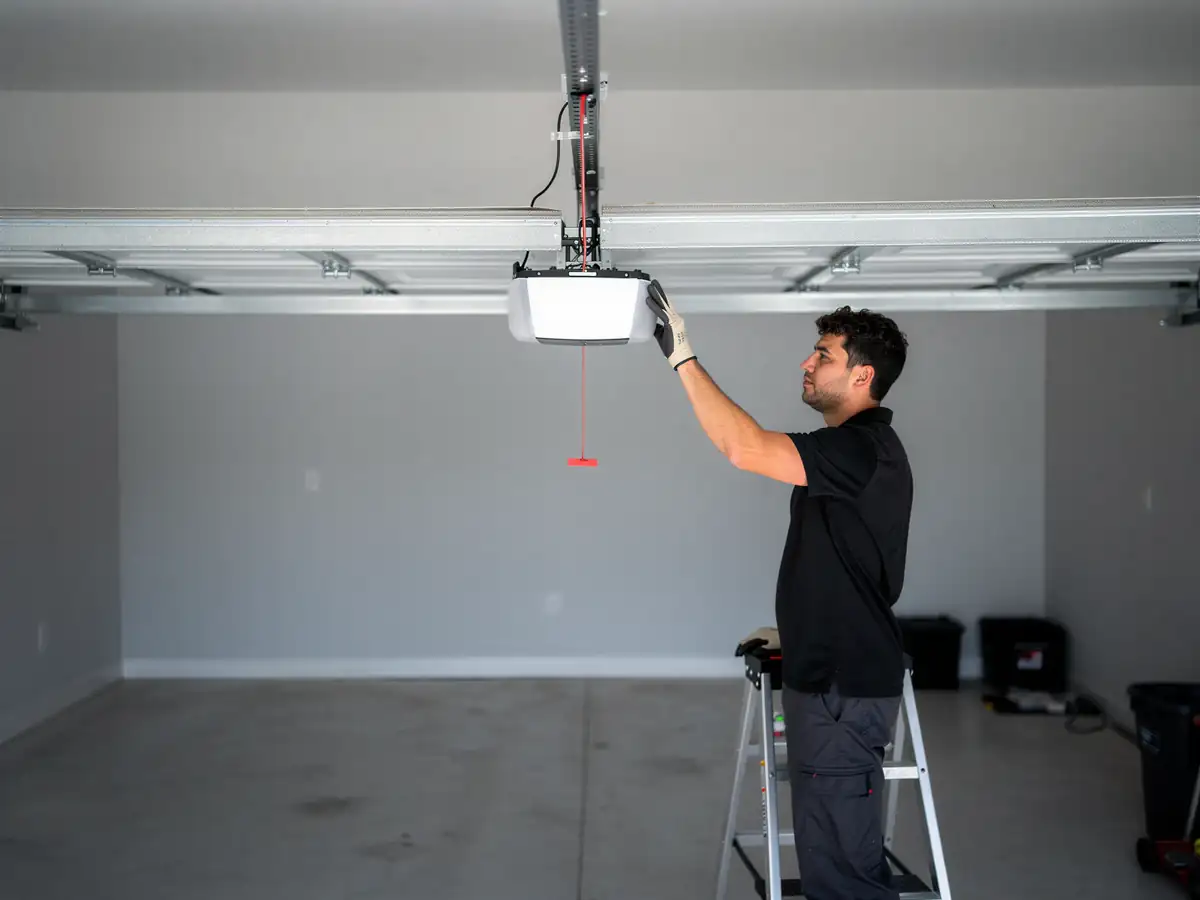
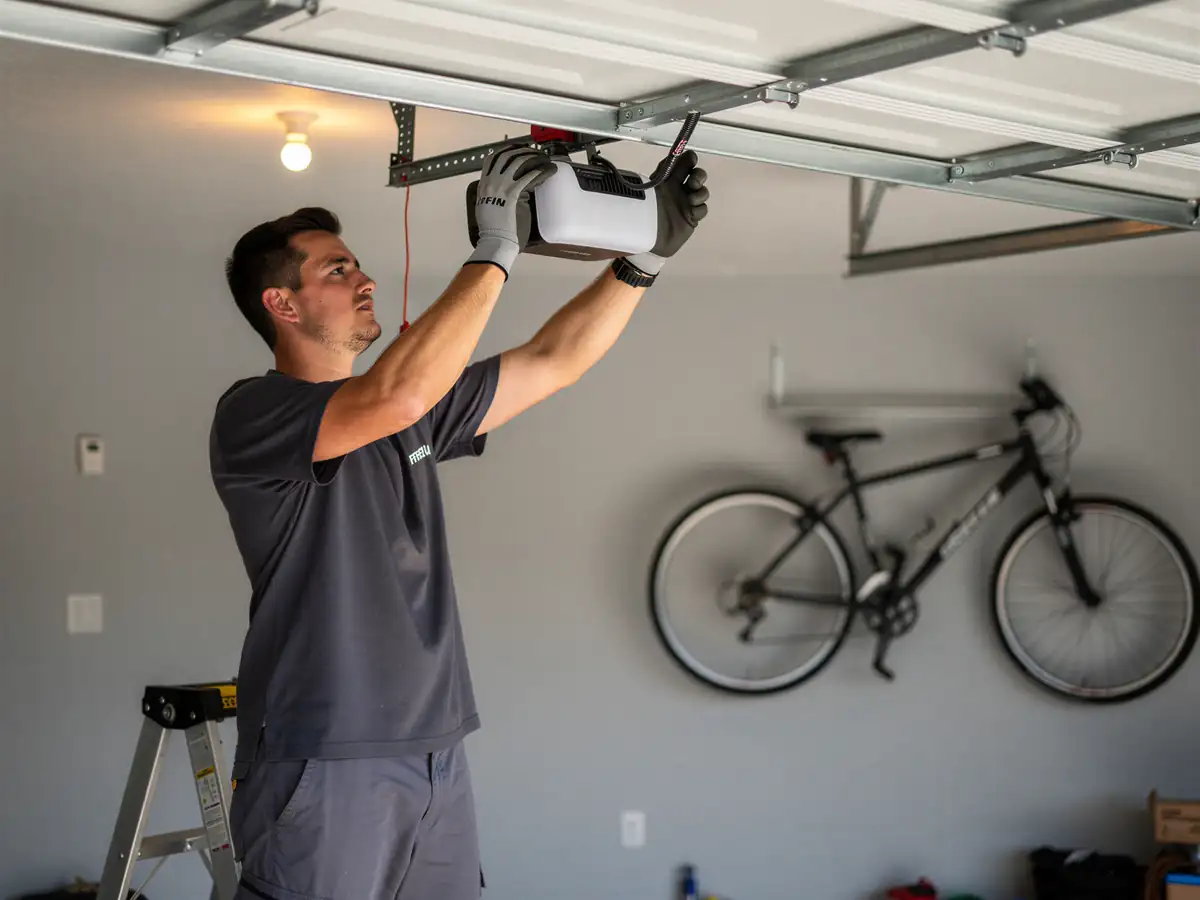
And Skidaway Island isn't a quick turn off the highway the way some of the closer stops are - Georgetown at 3 miles or Garden City at 5. That distance doesn't change what we bring on the truck, but it's worth saying plainly: we don't keep a depot on the island, and we're not claiming to be around the corner. We're coming from the shop, same as we would for Isle of Hope or Thunderbolt, both also sitting around 9 miles out. If you call about a spring that's gone or an opener that's dead, we're happy to talk through what's likely wrong before we're even on the road, so the visit itself goes faster once the truck is in your driveway.
- 9 miles
What matters more than the drive is what we find when we get there
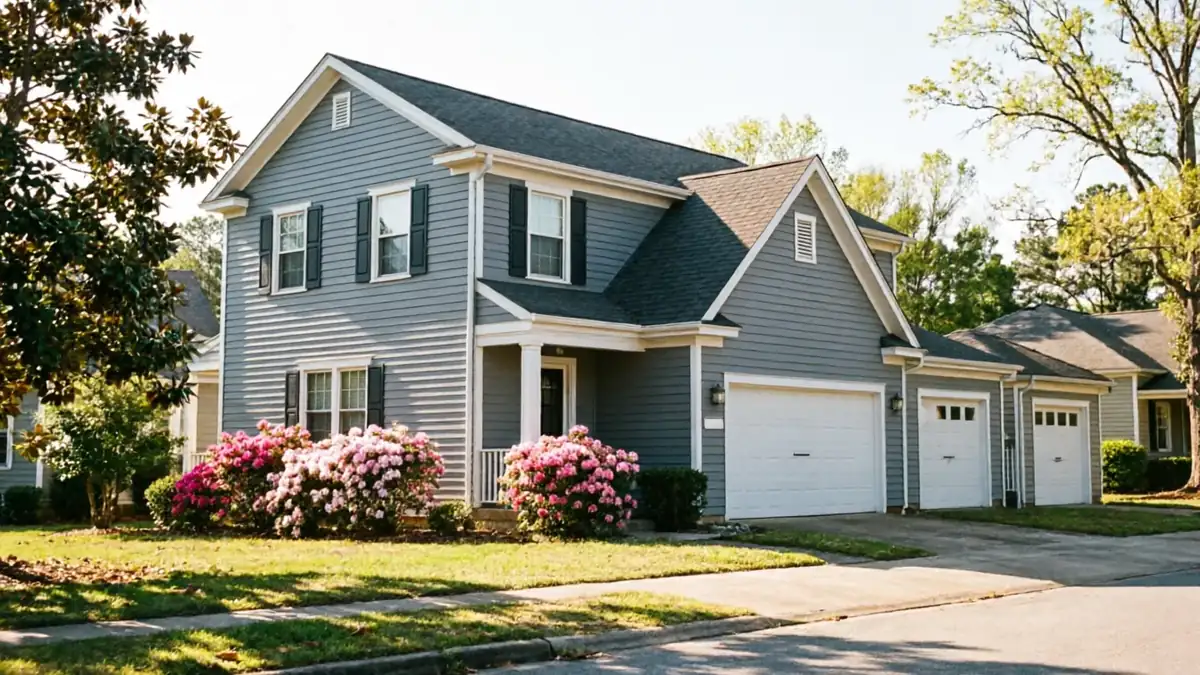
Skidaway's housing stock skews newer than a lot of the service area, and that changes the job before we even open the panel.
How That Shows Up in the Door
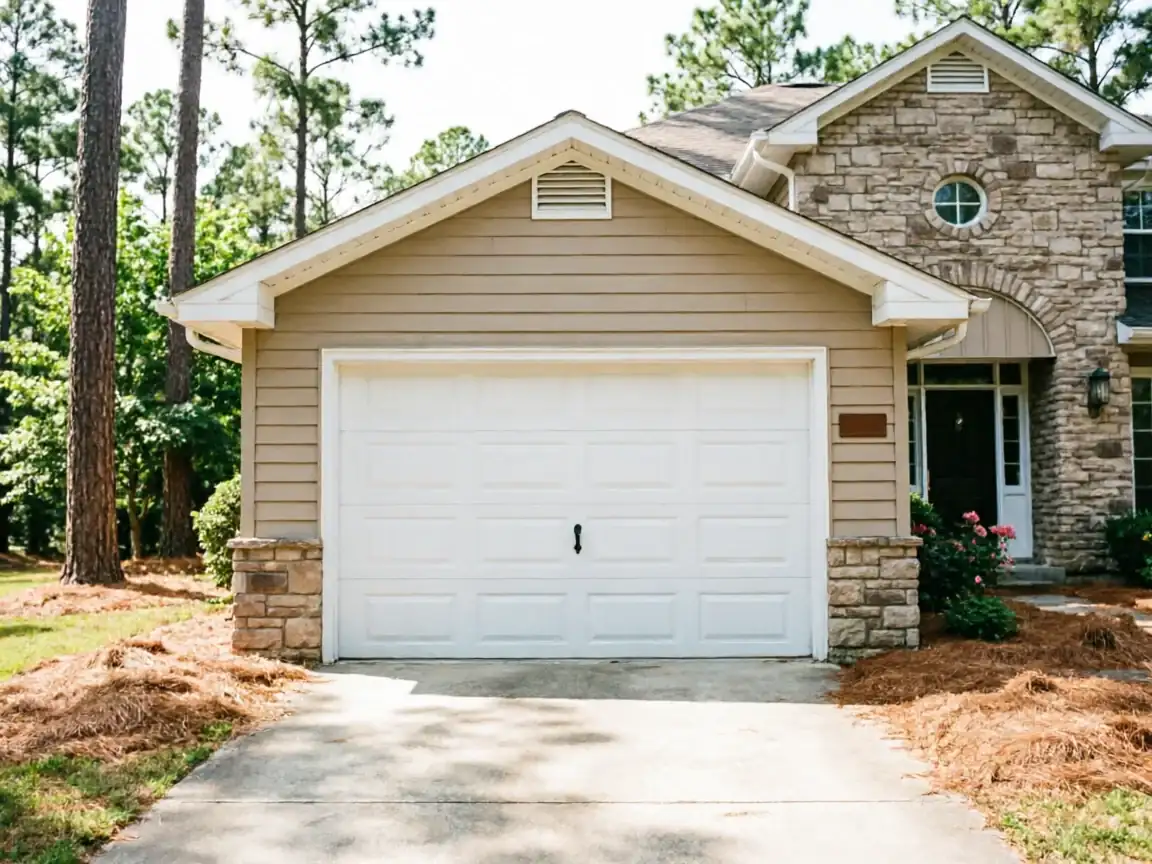
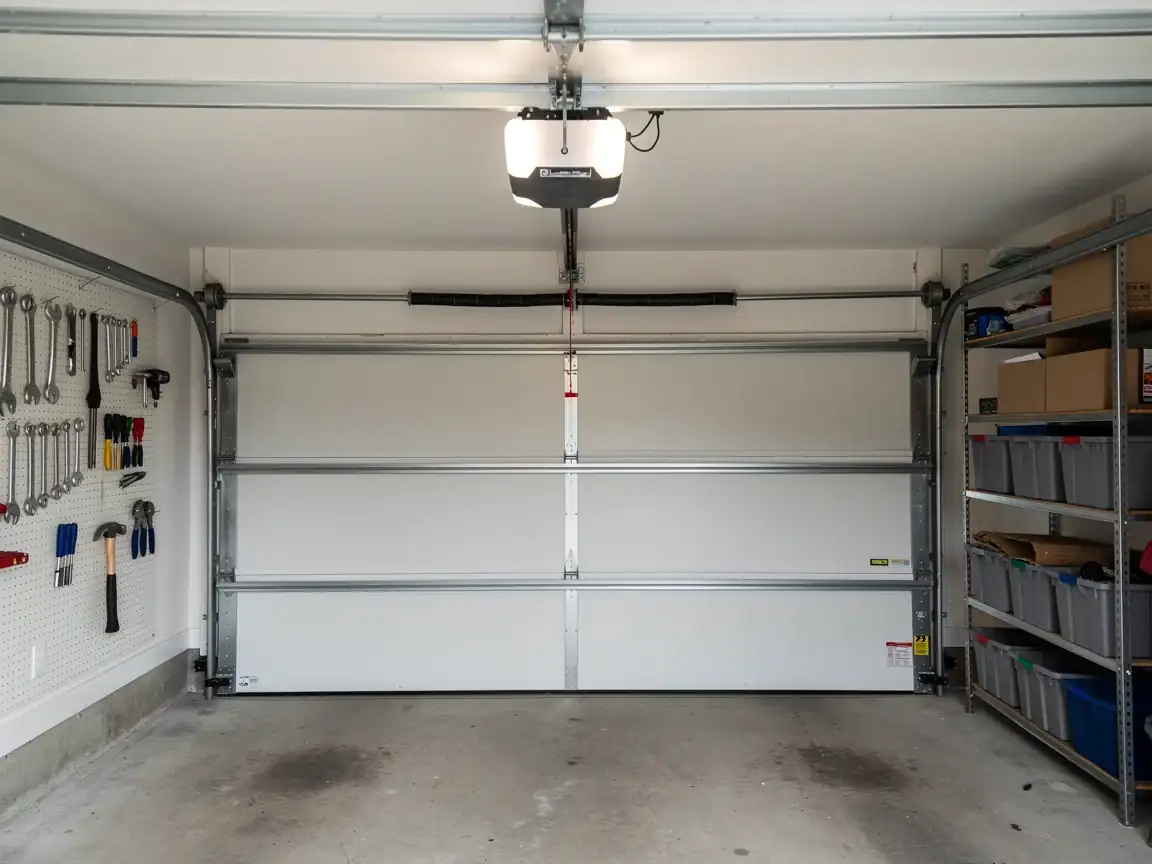
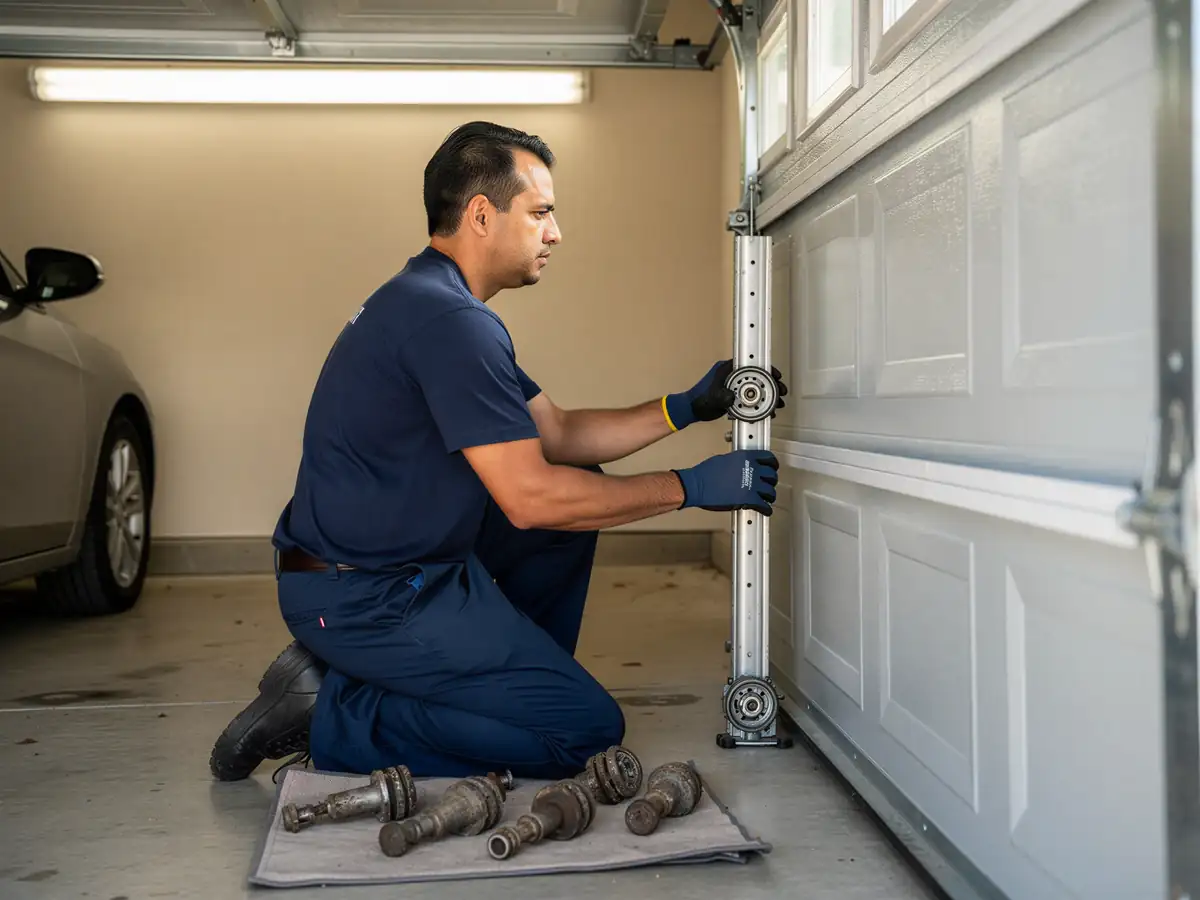
Median year built here lands around 1990, later than the 1964-2011 spread across the wider service area and noticeably different from the older pockets closer to Savannah's historic core. A door installed in 1990 or after is far more likely to be a sectional steel door on a standard extension or torsion setup with parts that are still being made - not the one-piece or oddball track hardware you run into on houses from the 1960s. That's good news for repair costs: we're not hunting down obsolete brackets or drilling new holes to retrofit a modern spring onto old framing.
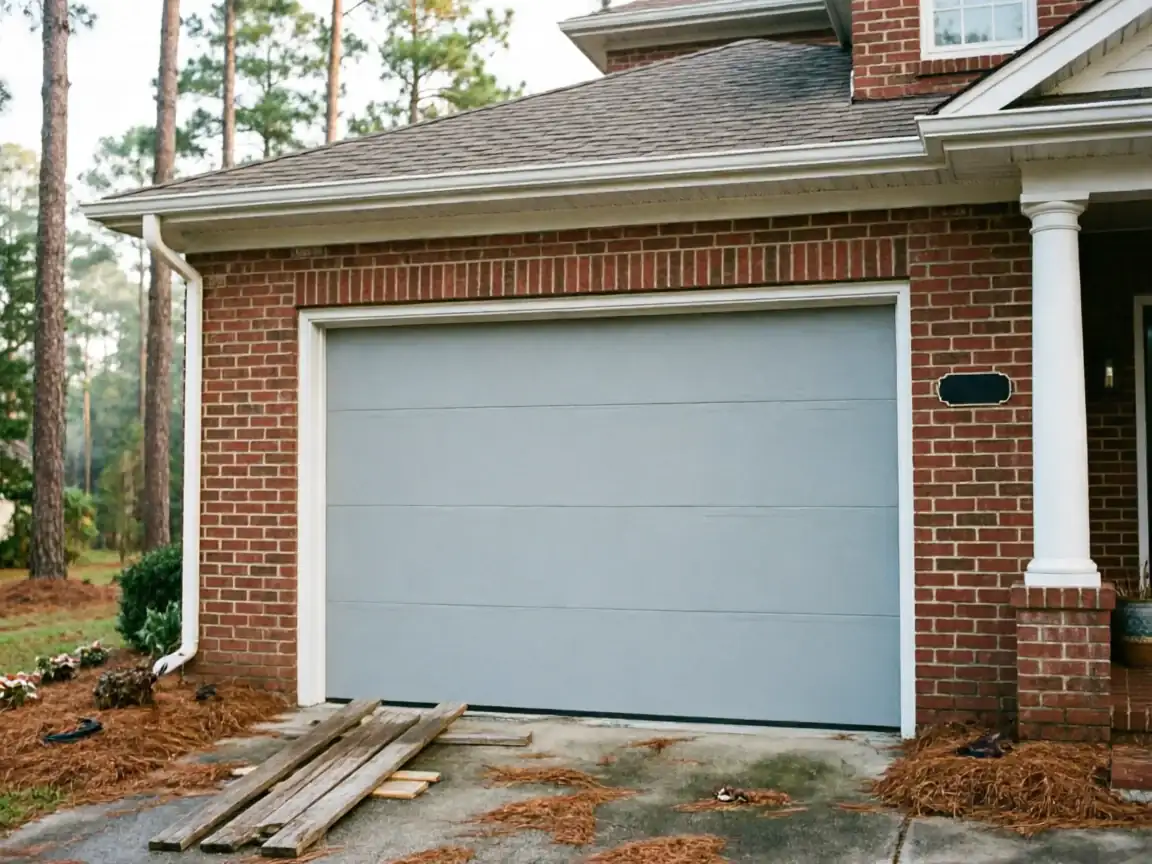
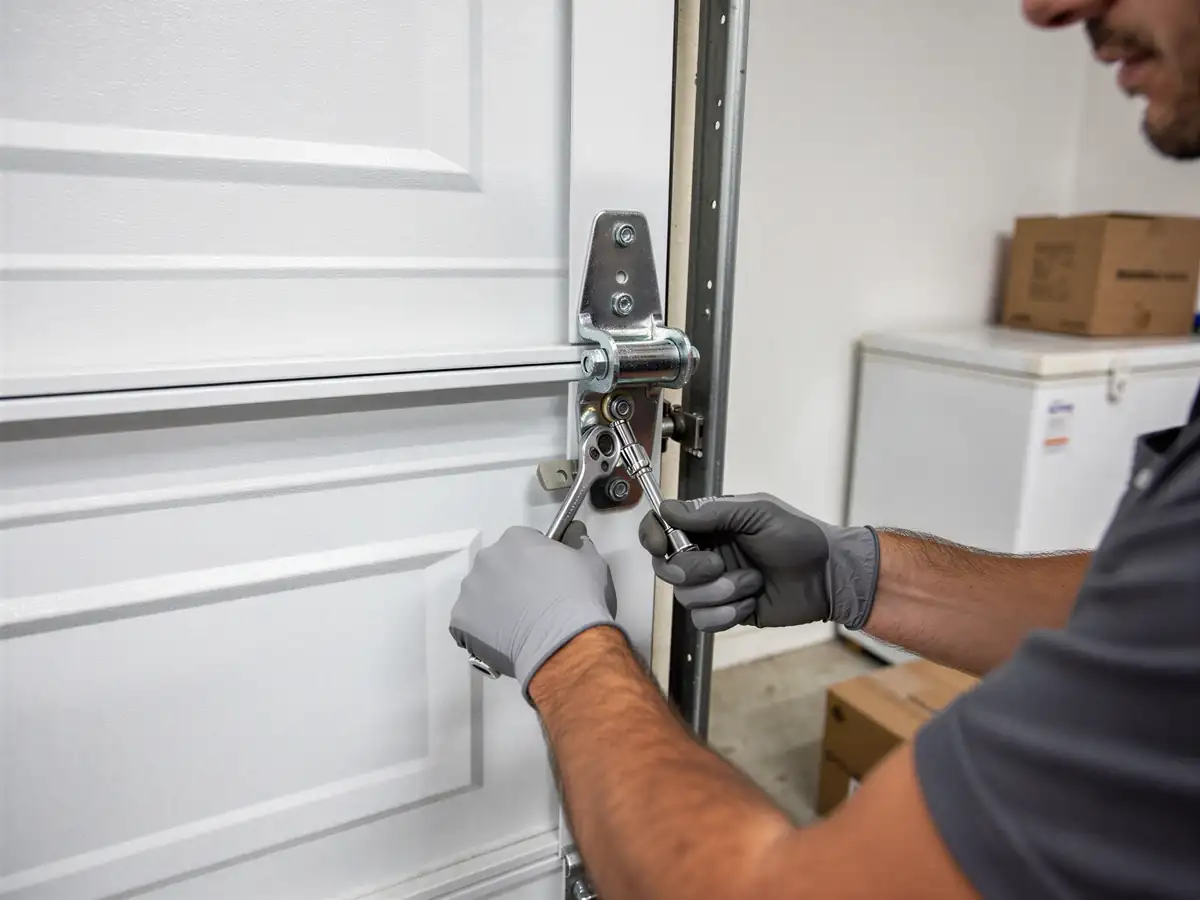
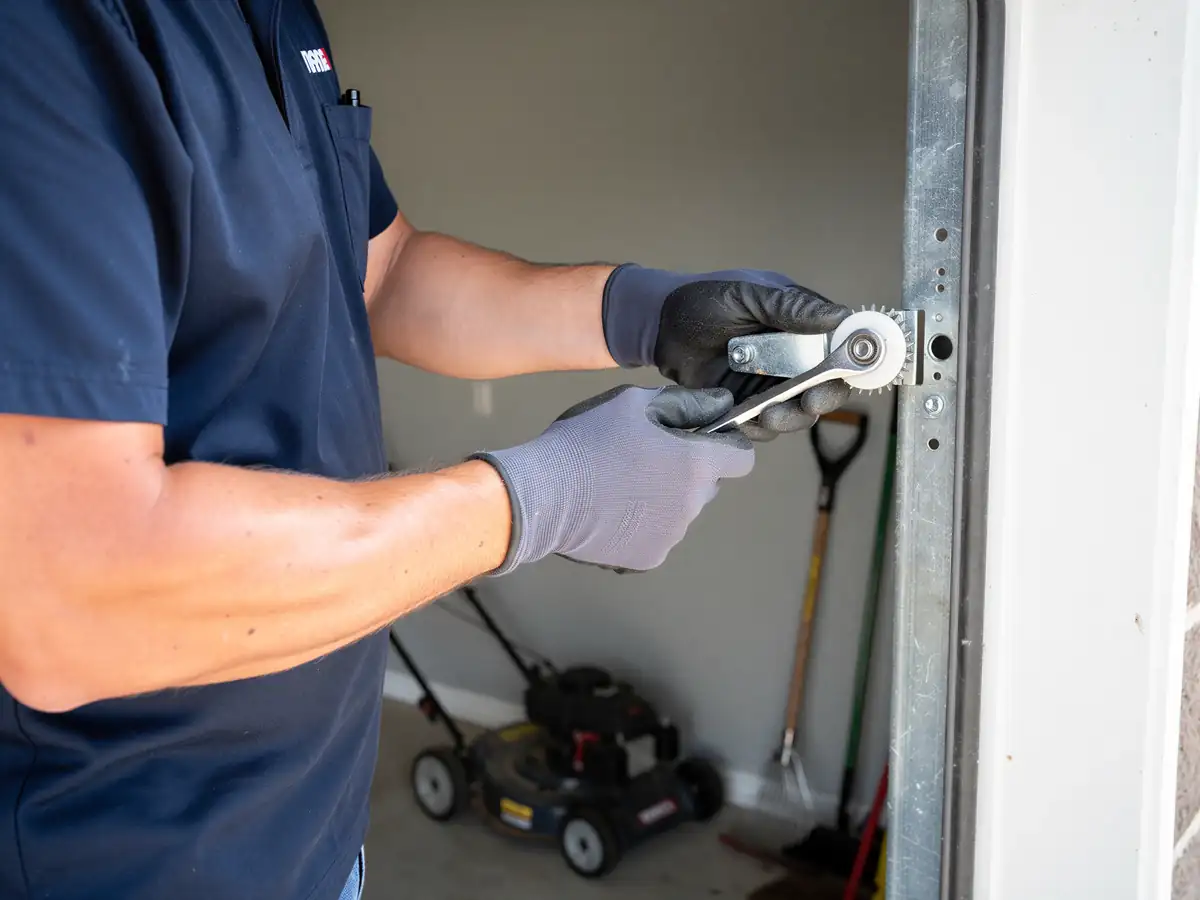
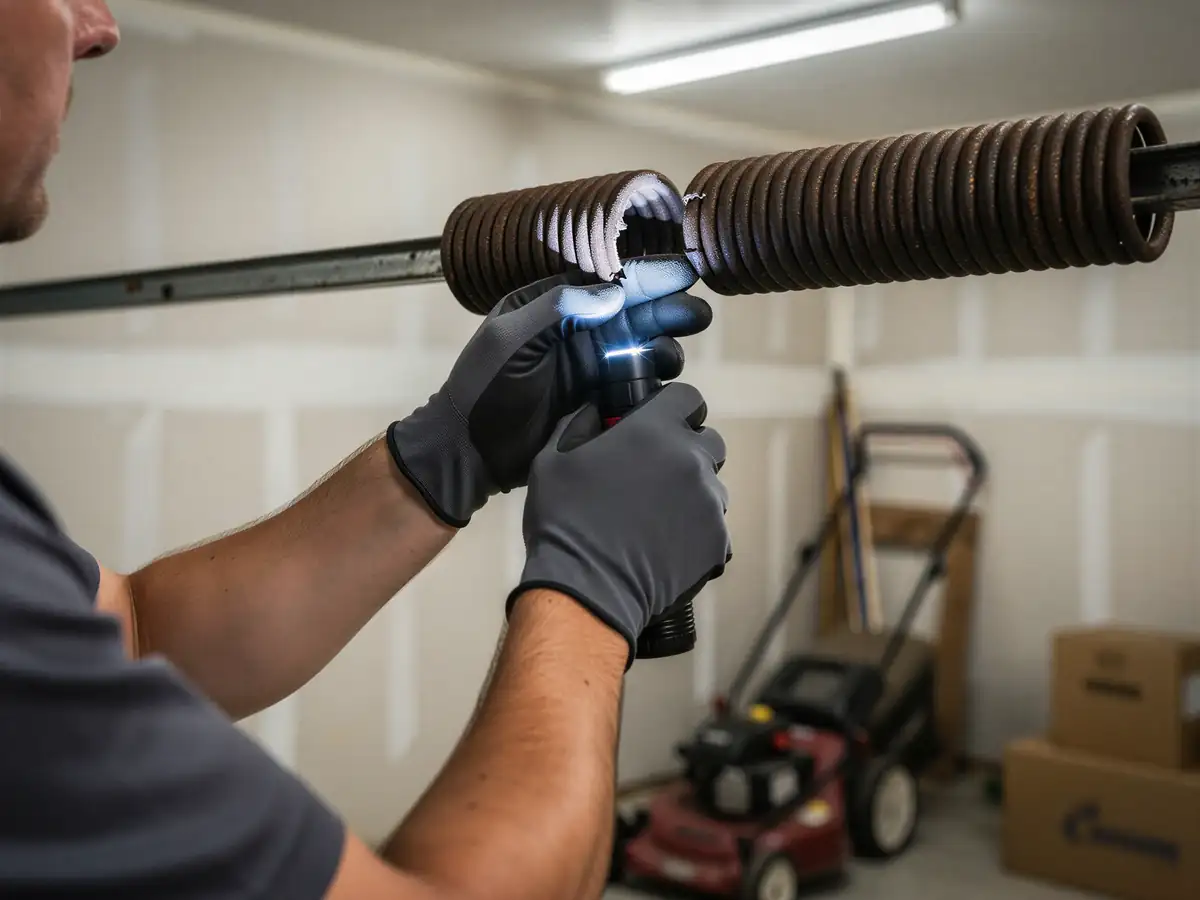
What we do see on 1990s-and-later construction out this way is wear in the usual places - nylon rollers gone brittle, cable fraying at the drum, openers from the original build finally giving out after three decades of Georgia humidity. The climate here runs mild with the occasional freeze, which isn't hard on steel panels the way a real freeze-thaw cycle is, but it does swell wood jambs and stiffen seals on the coldest mornings of the year, which is usually when a marginal spring finally lets go.
The Houses Here
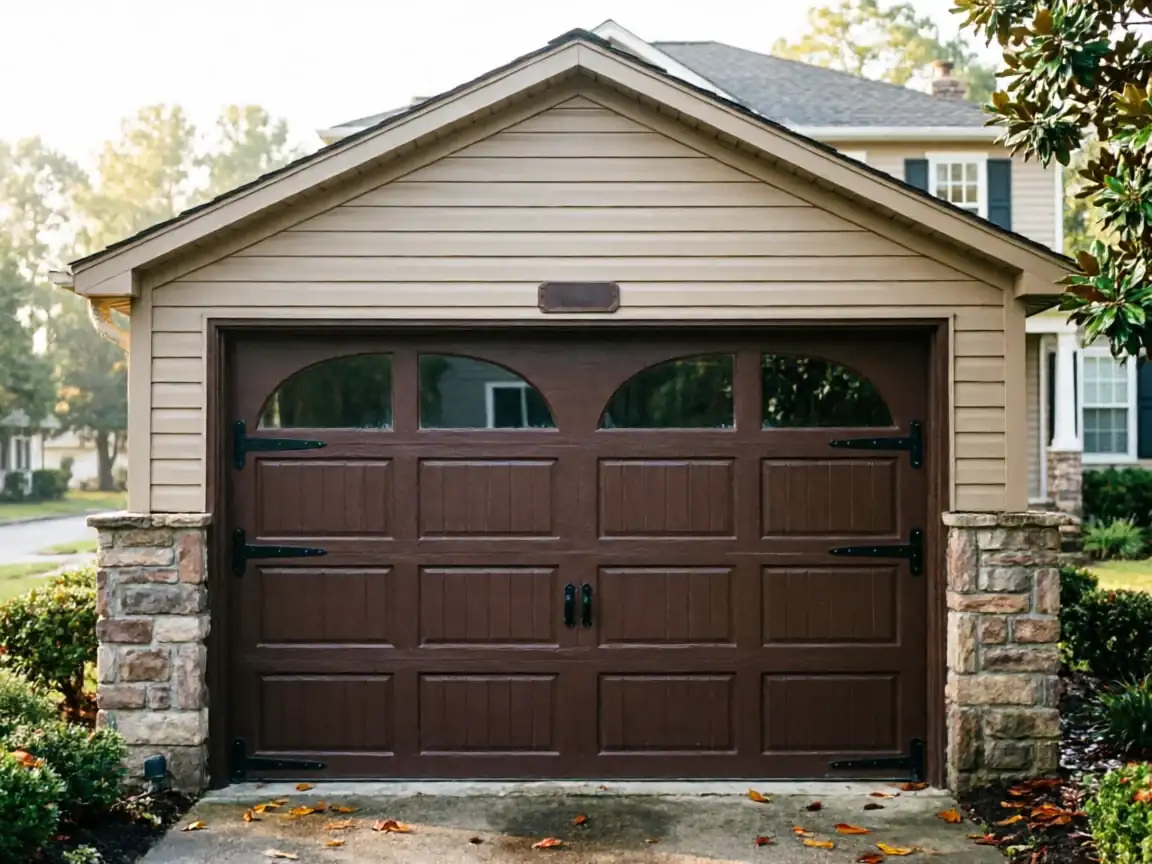
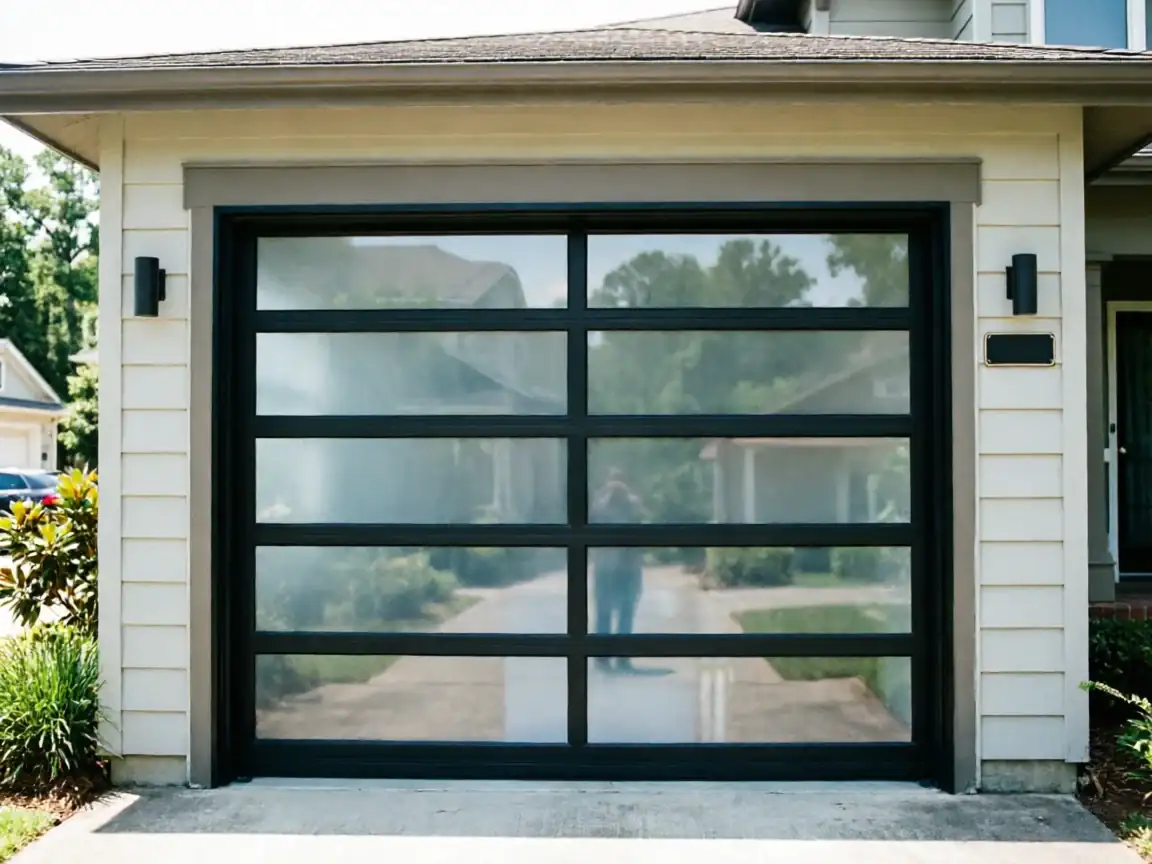
With roughly 4,242 households on the island and a median income near $121,991, this is a different buyer and a different house than the broader Savannah service area, where the median household income sits closer to $86,500 across 45,614 households. That income gap tends to track with upgrade history - insulated steel doors, better openers with battery backup, sometimes a second garage bay that got finished out as living space and needs its own smaller door serviced. We don't assume every house here has had that work done, but we see more of it on Skidaway than we do in older, denser pockets like the North or South Historic Districts seven miles off.
It also means when something does fail, it's often a newer-generation part - a belt-drive opener instead of an old chain drive, a torsion spring rated for a heavier insulated door. That's not harder work, just different parts on the truck, and part of why we ask a few questions about the door's age before we quote anything over the phone.
Old Streets and New Ones
Skidaway doesn't carry the same mix of build eras you'd find moving toward Savannah proper
No stretch of 1960s one-piece doors sitting next to 2000s sectional steel on the same block. The island's development pattern runs later and more consistent, which is part of why we lead with the 1990 median year built instead of a wider range. Compare that to somewhere like at 11 miles or Wilmington Island at 13, each with its own build pattern, and you start to see why we don't write one page and swap the name across the service area.
- 11 miles
We'll say the honest limit here too
If a door is original to a 1960s-era house, replacement parts can take longer to source and sometimes cost more than the repair is worth, and we'll tell you that straight rather than stretch a fix that won't hold. On Skidaway that's less common, but it's not zero - a handful of older structures predate the island's main build-out, and those get treated case by case, not off a standard parts list.