Time on the Job
We work opener calls across the full Savannah service area, not just one neighborhood
That runs from Georgetown and Garden City in close to Isle of Hope, Thunderbolt, Wilmington Island, and out past Richmond Hill and Skidaway. The houses we see range from builds in the mid-1960s up through ones finished in the last fifteen years, but the bulk of the stock across the area's 15 named neighborhoods dates to the 1980s and 90s. That matters for opener work because a chain-drive unit installed in 1987 uses a completely different control board, logic, and safety sensor setup than something put in during 2015. We don't walk up guessing. We ask the age of the door and opener before we load the truck, because the part on the shelf for a 1991 unit is not the part for a 2008 one.
With 25,831 owner-occupied houses in the service area, we see a lot of repeat patterns
The same openers, wearing out the same way, roughly two to three decades after install. That's not a coincidence. It's the install wave lining up with a failure wave.
- 25,831 owner-occupied
What You Are Seeing
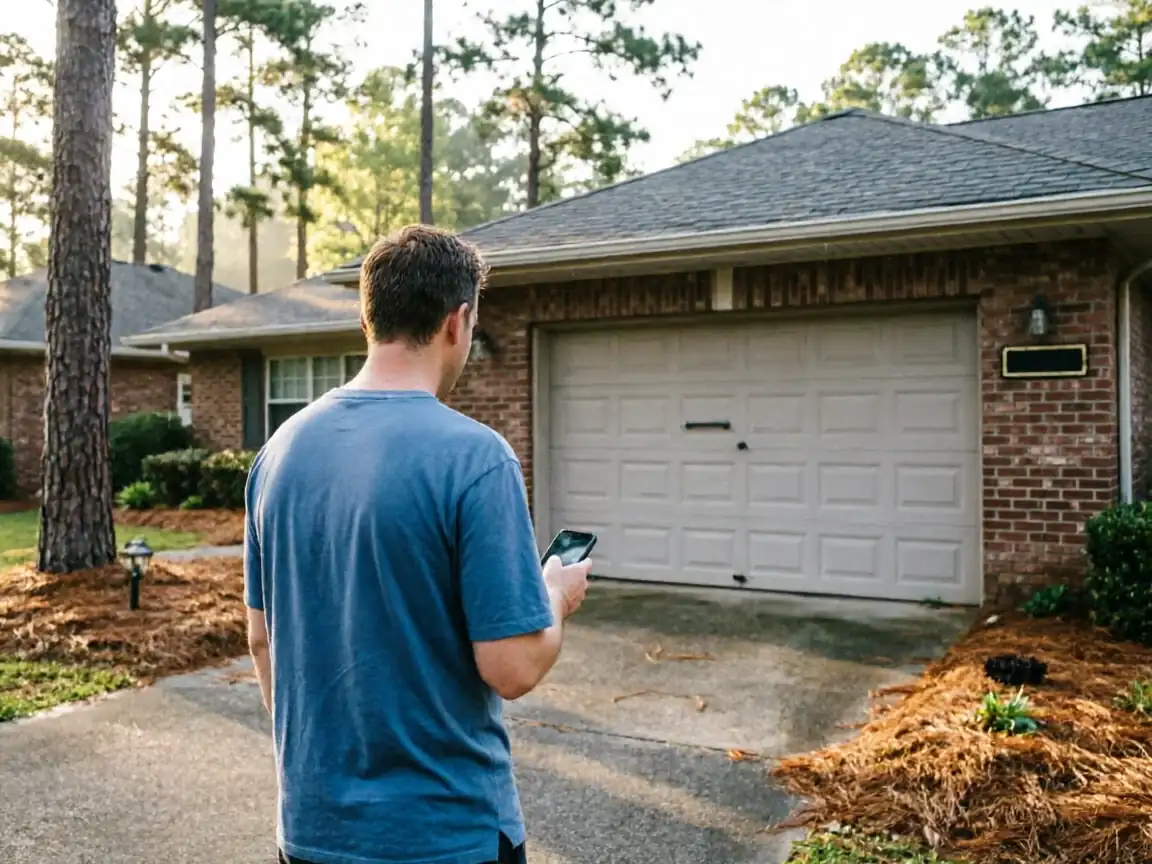
The door won't respond to the remote but moves fine when you pull the manual release. The opener hums and the light blinks but the carriage doesn't travel. The door reverses itself halfway up for no visible reason. Sometimes it's quieter than that - the opener just stops working one humid morning and starts again that evening like nothing happened.
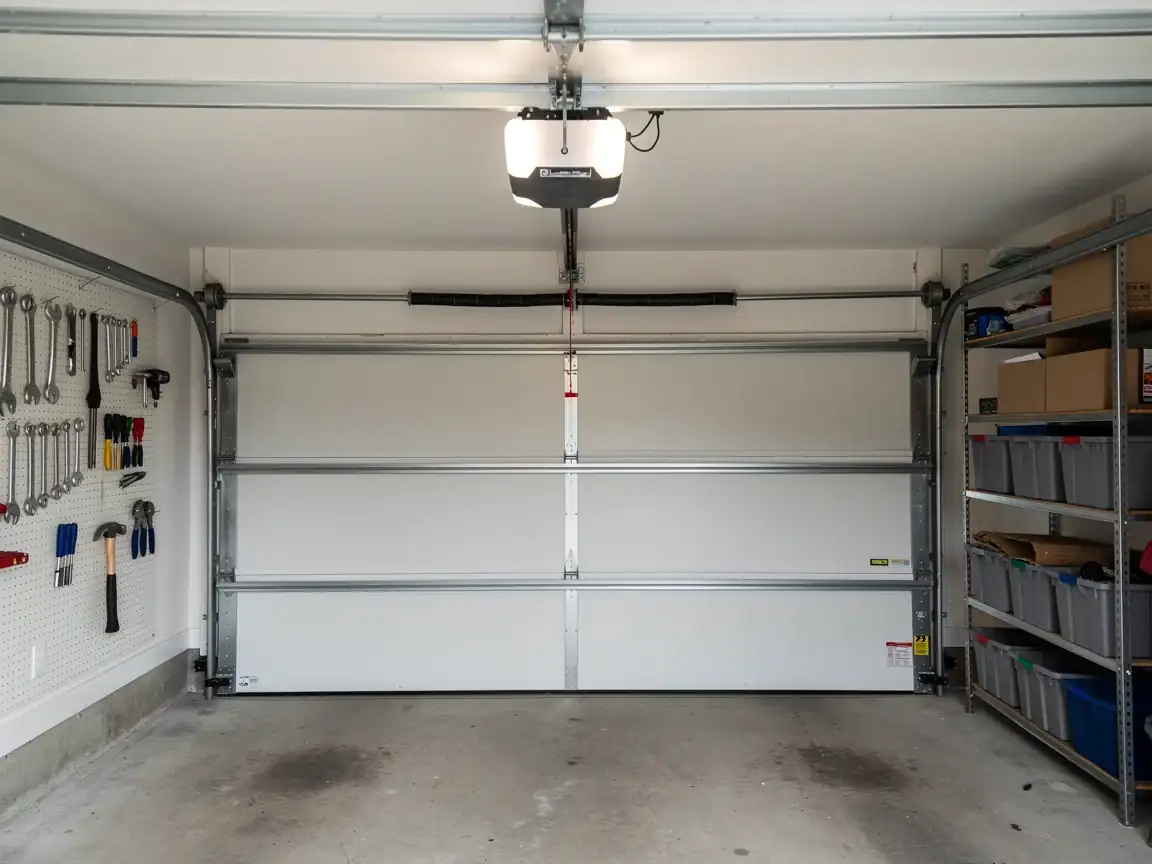
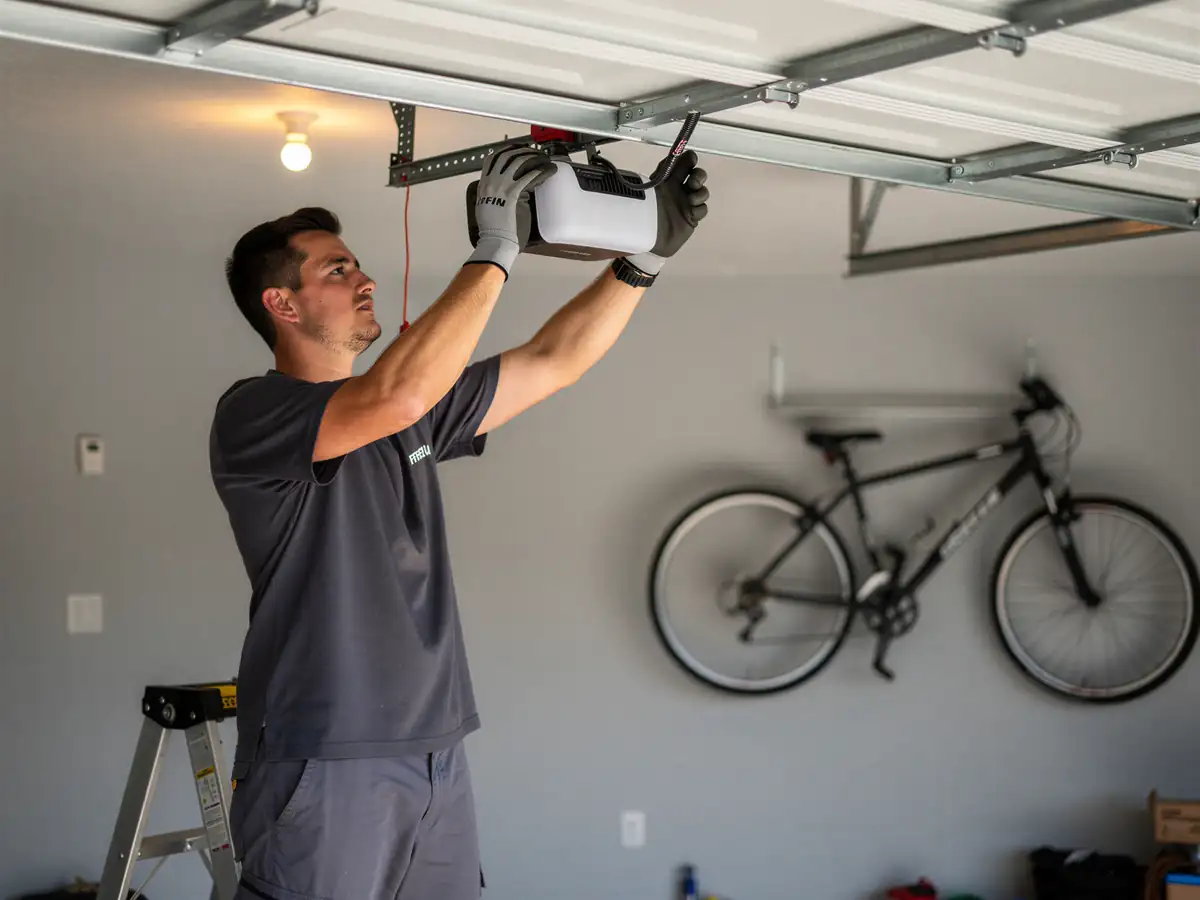
These are opener symptoms, not spring or track symptoms, and they show up constantly in houses from the 1980s and 90s stock that makes up most of this area. Circuit boards and capacitors in units that age are past their design life. Safety sensor eyes get knocked out of alignment or corrode at the contacts. None of this is dramatic. It just stops being reliable, usually right when you need it least.
Why This Fails Locally
Savannah sits in a mild climate band that still gets the occasional freeze, and that swing is harder on opener electronics than steady heat or steady cold would be. Humidity swings corrode exposed terminals and sensor eye contacts faster than a dry climate would. An opener board that would run another ten years in a dry inland town starts failing early here because moisture gets into connections that were never fully sealed to begin with.
Layer that onto the housing stock. A large share of homes across this service area, spanning the 15 named communities from Georgetown to were built between 1964 and 2011 with a concentration in the 1980s and 90s. Openers from that build era are now 25-40 years old even when they've been replaced once. Second-generation units installed in the 2000s are hitting the age where boards and logic start to go. We're not troubleshooting new construction quirks here - we're troubleshooting units that have had two or three decades of coastal humidity working on their guts.
How We Fix It
First call is diagnostic
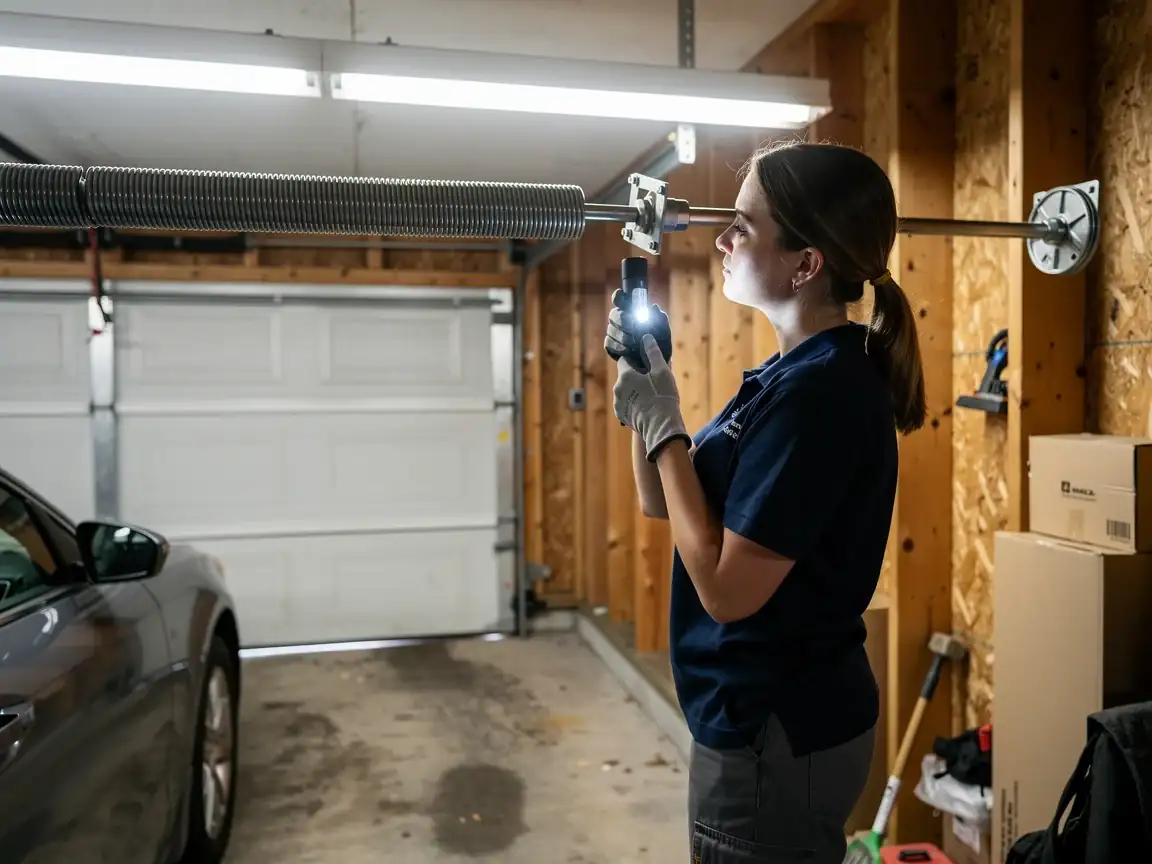
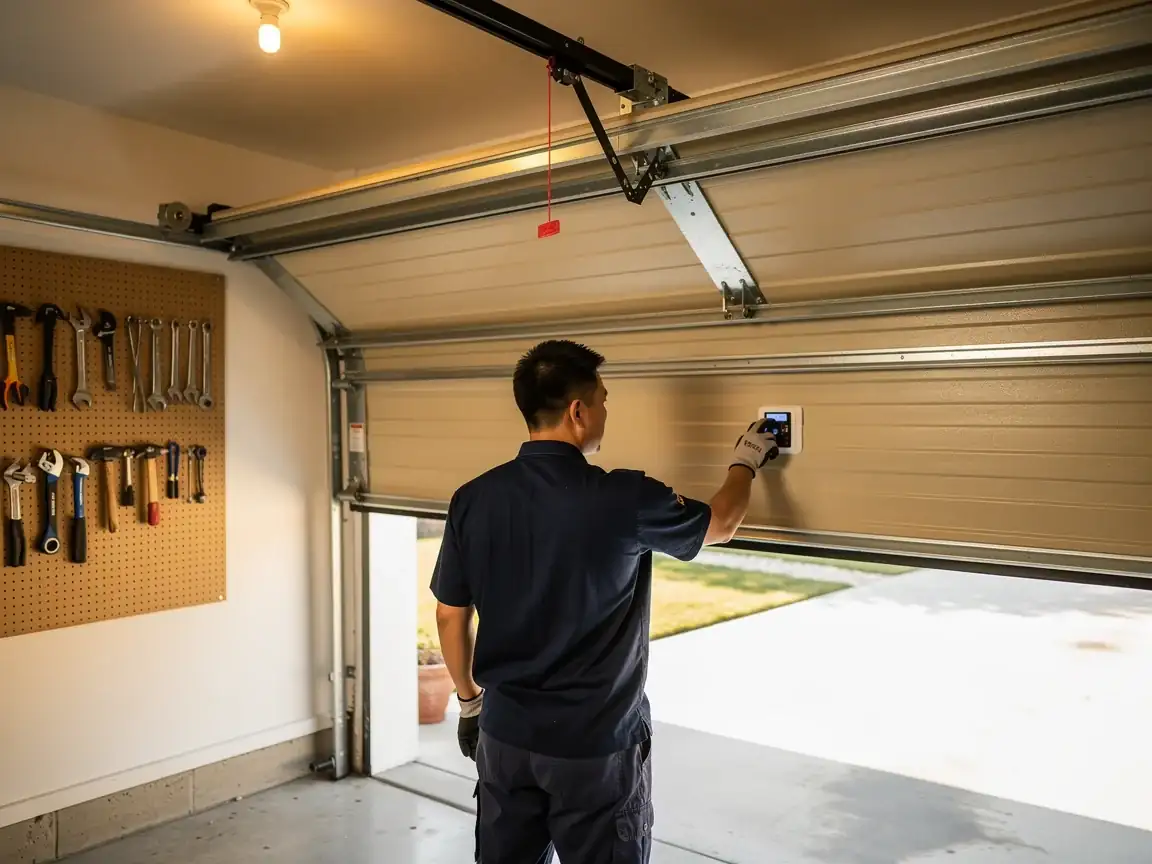
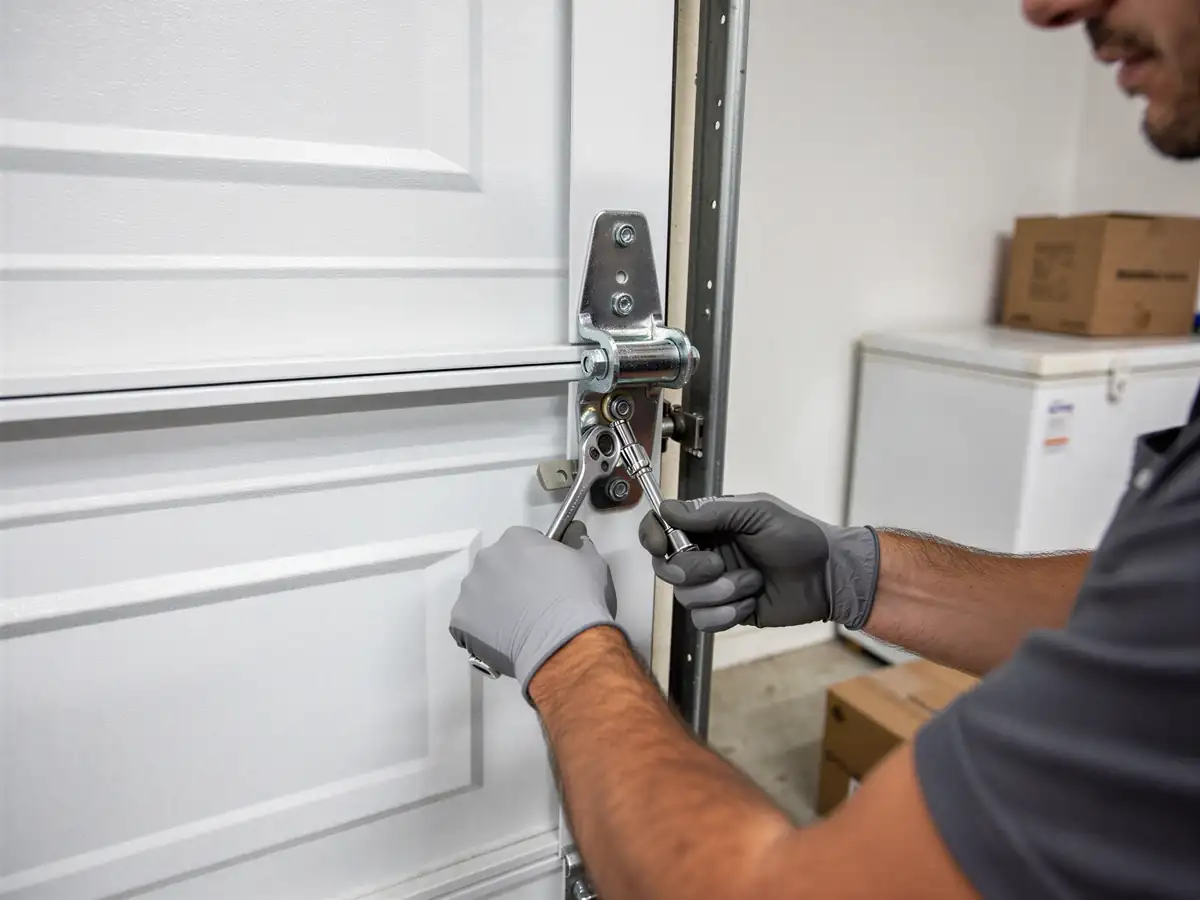
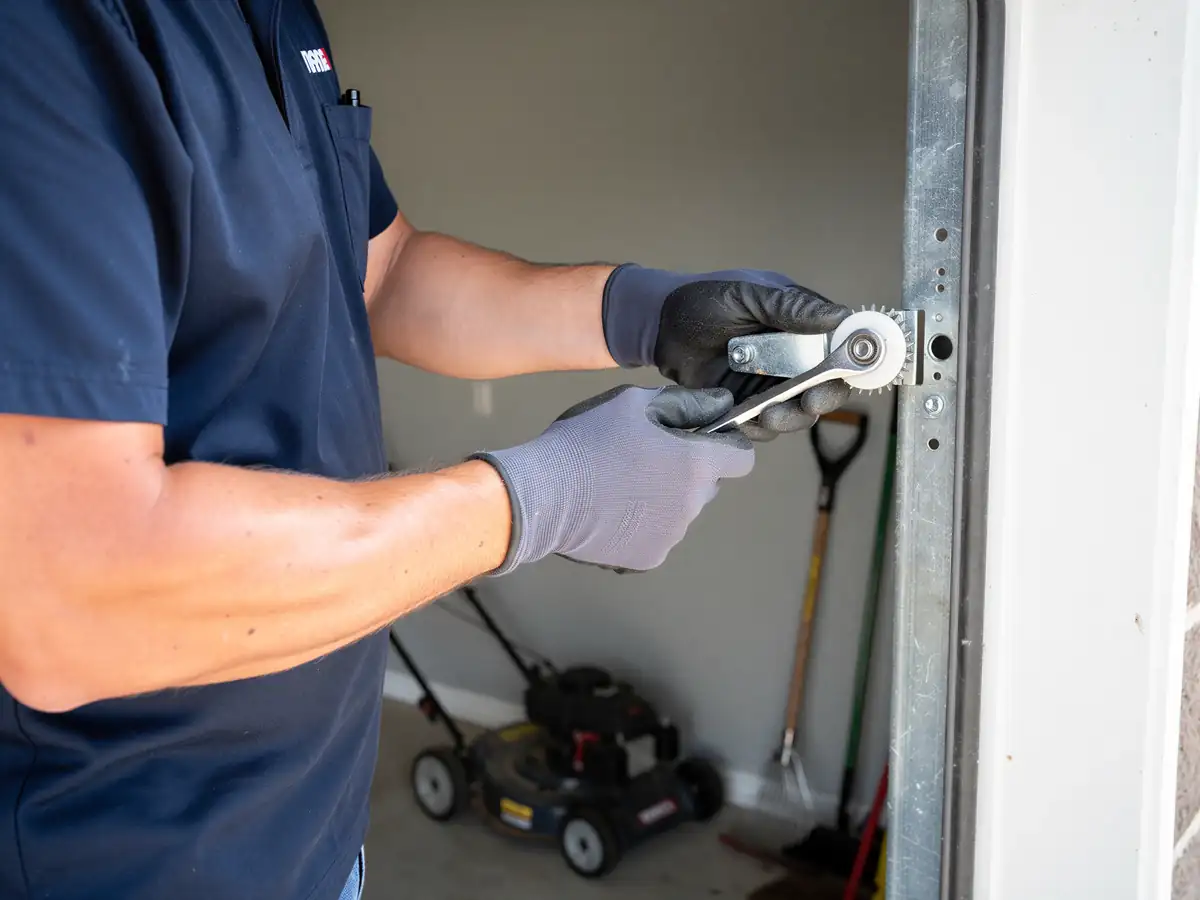
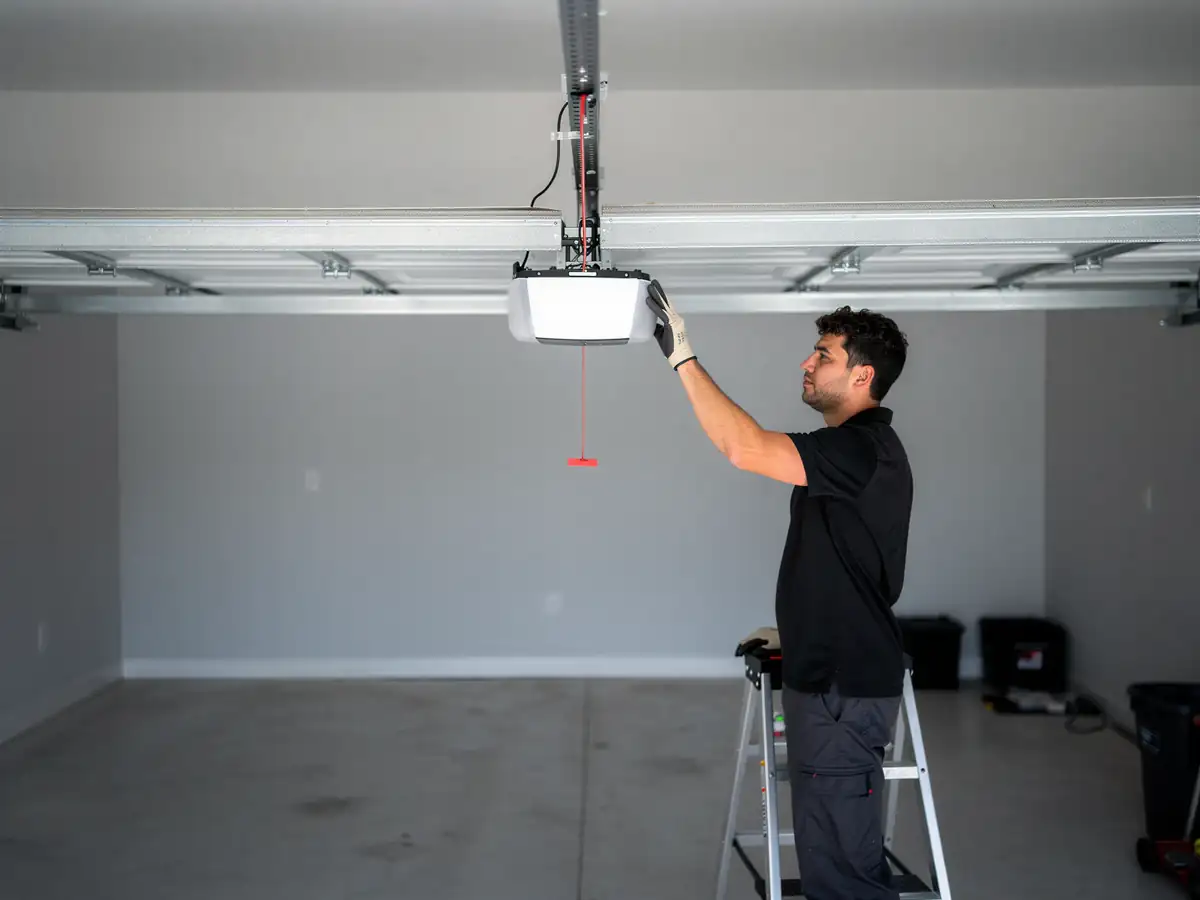
We check the board, the sensor alignment, the travel limits, and the wiring before we touch the motor itself. A lot of what looks like a dead opener is actually a sensor eye knocked a few degrees out of true, or a wire nicked at the wall button. That's a fifteen-minute fix, not a new unit.
When the board or capacitor is actually gone
We replace what's failed rather than the whole unit if the drive and rail are sound. If the opener is original to a house built decades back, replacement usually makes more sense than chasing parts for a design that's been discontinued - we'll tell you straight when that's the case instead of running up a bill on a unit that's going to fail again in six months.
One limit worth naming: we don't stock every control board for every opener brand ever sold
If yours is an older or less common model, the part may need to be ordered, and we'll tell you that up front rather than promise a same-visit fix we can't back.