The Seasonal Bit
Savannah sits in a mild band with the occasional freeze
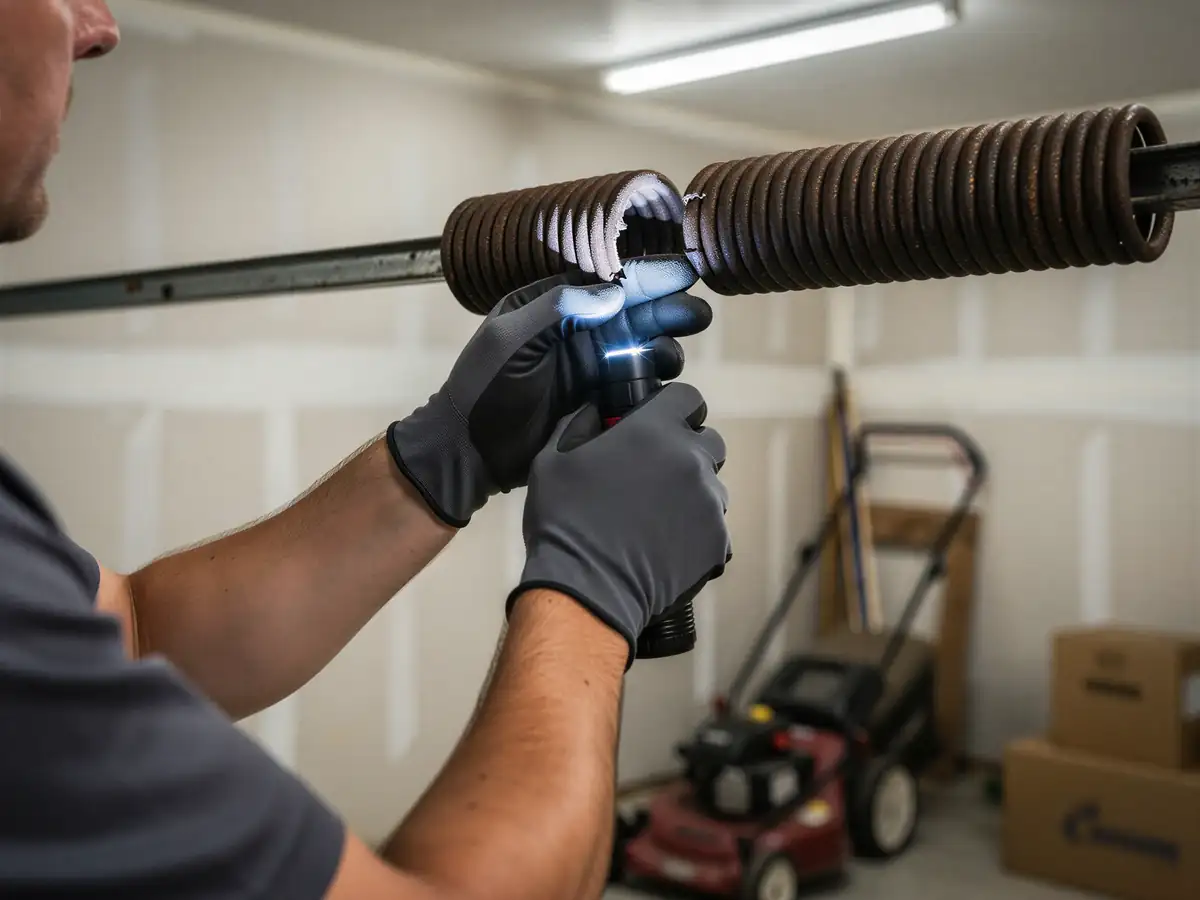
And that swing matters more to your door than most people think. On the cold mornings we do get, grease on rollers and hinges stiffens up fast, and a door that ran quiet all October will start groaning on its way up. That groan isn't damage yet - it's lubricant that's too thick for the temperature. The sound you want to pay attention to is different: a sharp pop followed by the door sagging or refusing to move. That's not the cold. That's a spring losing tension, and the freeze just happened to be the last straw on a part that was already near the end.
Humidity plays the other side of this
Most of the year here, moisture sits heavy enough that bare steel tracks and hinges corrode slowly even without a hard freeze to speed things along. A squeak that shows up in spring and quiets down by summer is often just surface rust working its way into a hinge pin. It's a small fix if you catch it early - a bigger one if you let a season or two pass.
What to Look At First
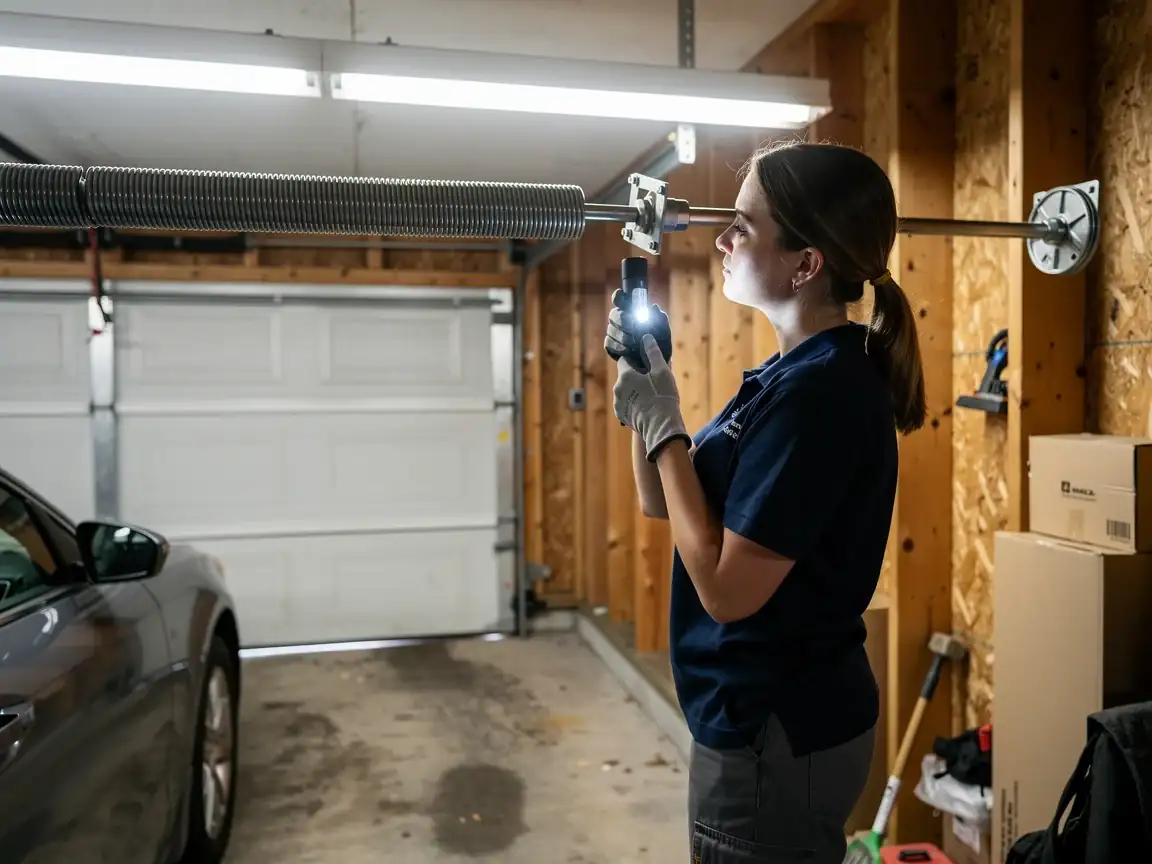
Housing in this service area went up mostly between 1964 and 2011, with the median build year sitting around 1990. That range matters because it spans two very different eras of garage door hardware. If your house is on the older end of that window, you may still have original torsion springs and a lift mechanism sized for a heavier, older-style door - and those springs don't last forever regardless of how quiet they've been. A loud bang from the garage, especially one that happens with the door closed and nobody touching it, is almost always a torsion spring letting go.
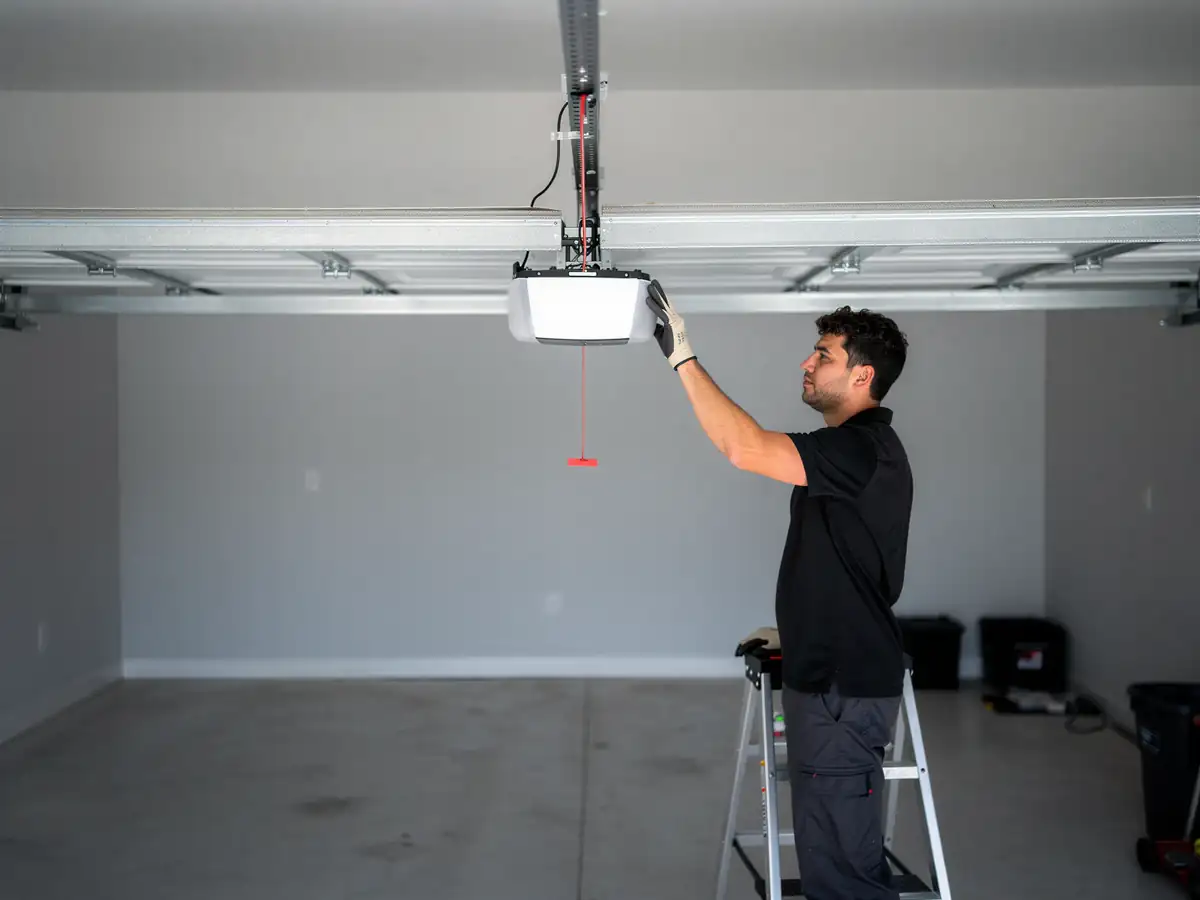
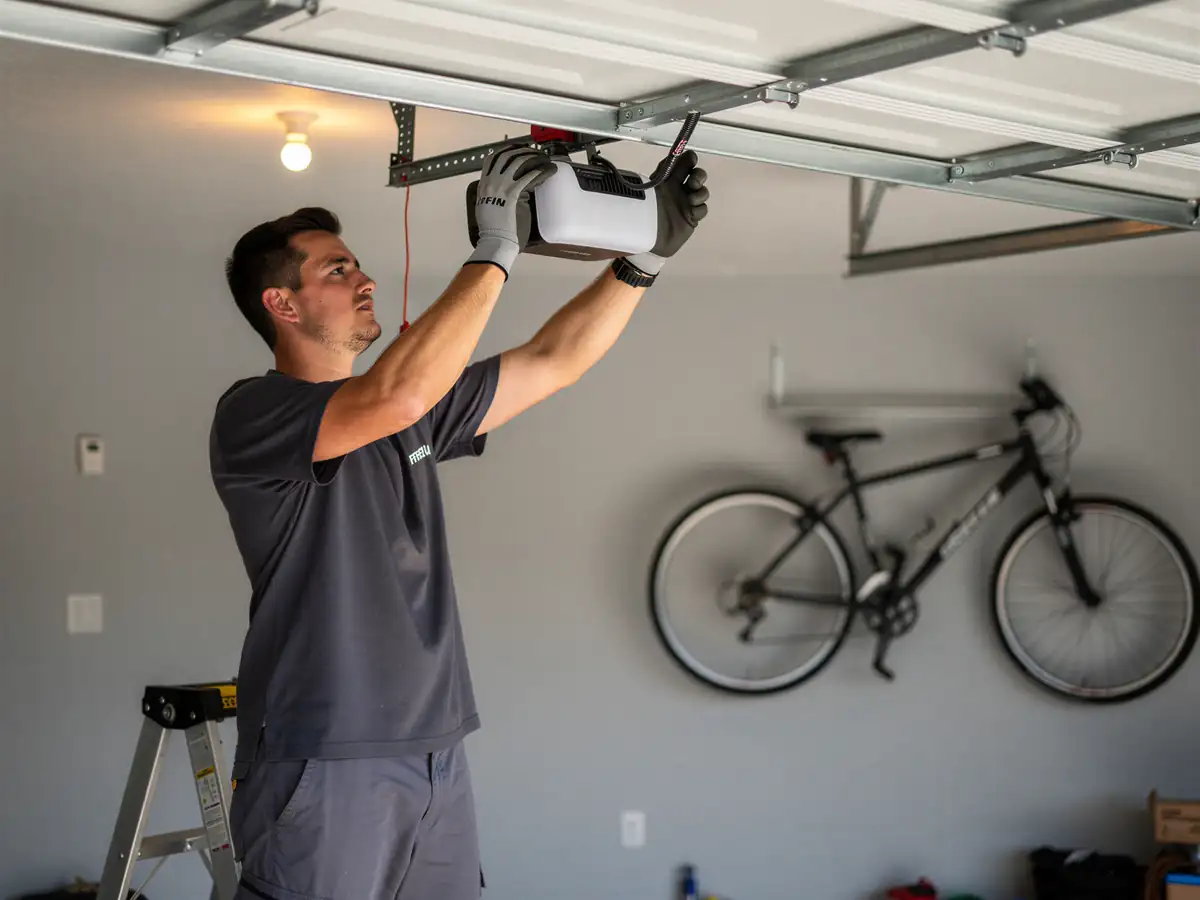
If your house falls into the 1980s-90s stock that makes up most of the 15 named areas we work in, check the opener next. That generation of openers is old enough now that gear sets and circuit boards are wearing out on their own timeline, independent of the door hardware. A grinding sound from the motor housing, not the door itself, usually means the gear is stripping - a part worth replacing before it fails completely and strands the door half open.
How Local Conditions Play In
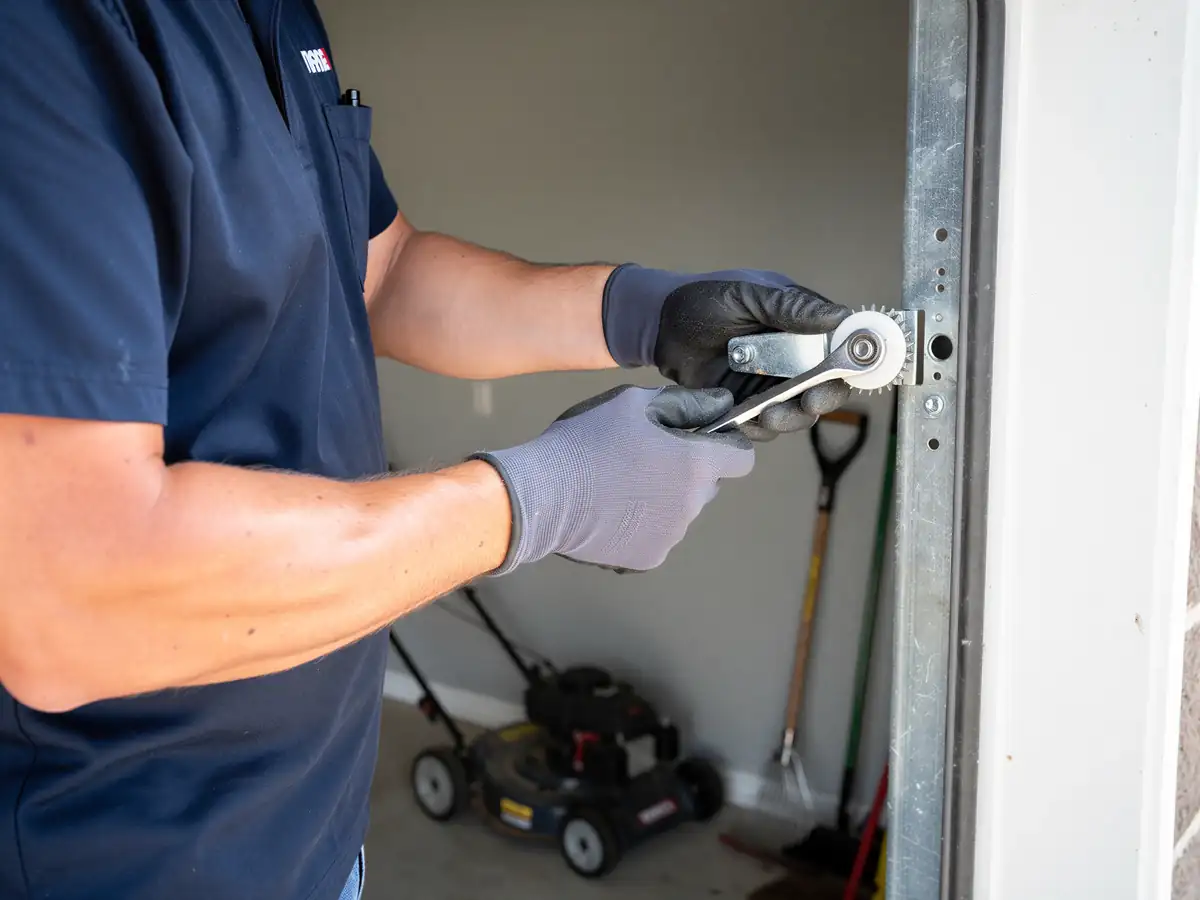
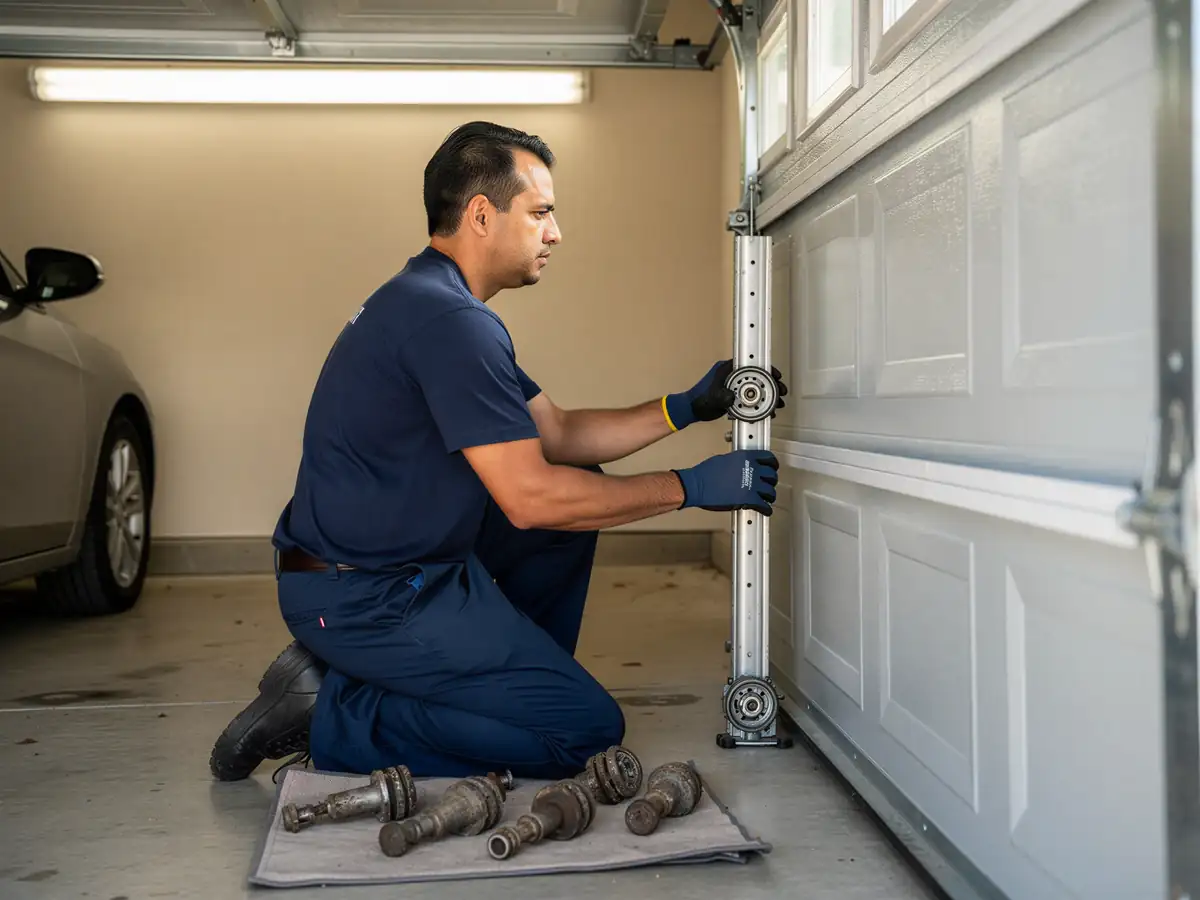
Across the 15 areas we cover - from Georgetown and Garden City a few miles out to Wilmington Island further east - the housing age runs fairly consistent, which is why the same handful of noises show up again and again on service calls. A rattle that tracks the full length of the door as it opens usually means a bent track or loose roller bracket, and on houses from the 1980s-90s stretch of that build range, the original steel rollers are often the culprit. They've outlasted their lubrication and started wearing unevenly.
A squeal that happens only at the very top or bottom of the travel, rather than the whole way, points somewhere different - usually a cable that's starting to fray where it meets the drum. That's not a noise to wait out. With 25,831 owner-occupied houses in this area and a lot of them built in that same two-decade window, cable wear on original hardware is one of the more common reasons we get called out, right alongside spring failure.
The Situation
Not every noise is a repair call, and we won't tell you it is
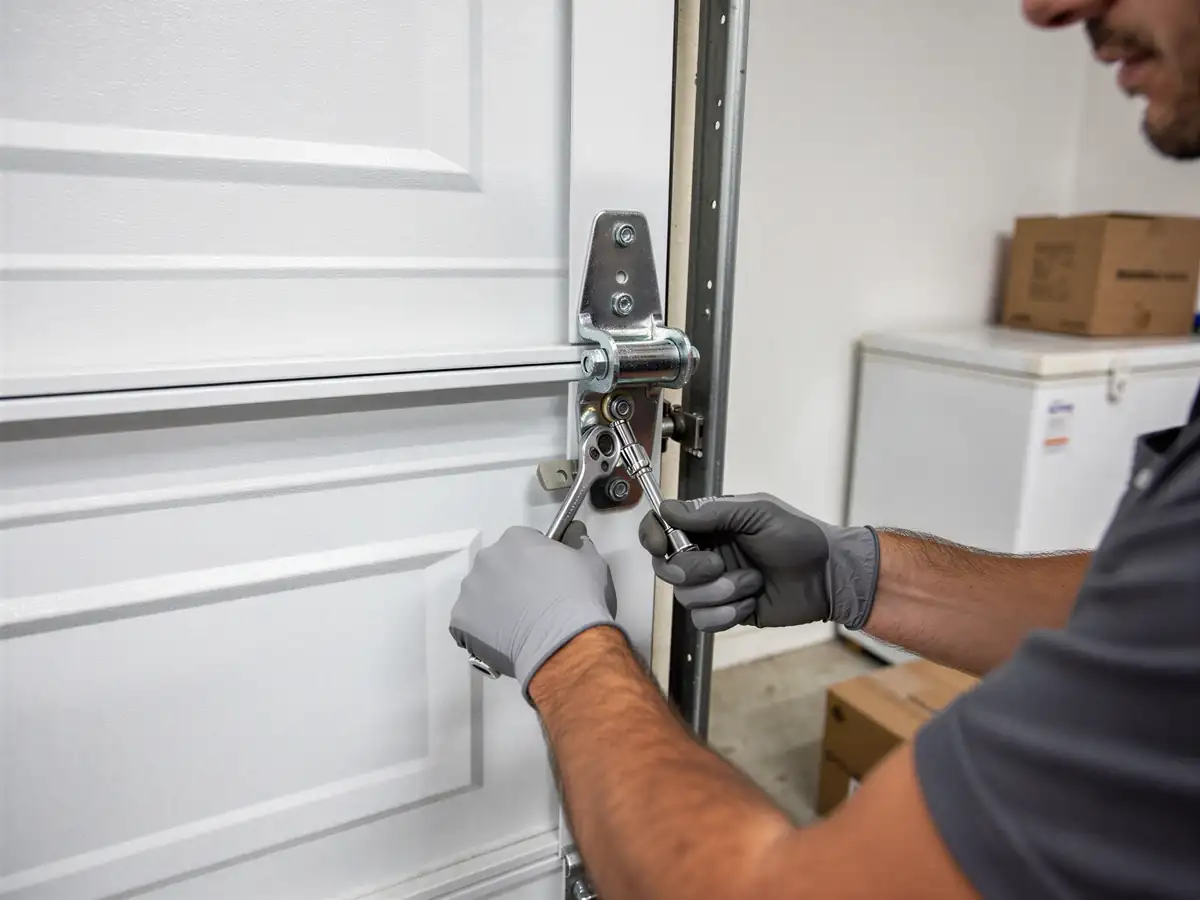
A dry squeak that goes away after you spray the hinges is maintenance, not a job. Where we draw the line is anything involving the spring system - if you hear a bang, see the door sitting unevenly, or notice it's suddenly heavier to lift by hand, stop using the opener and call. Torsion springs are under enough tension to cause real injury, and that's not a DIY fix regardless of how simple it looks online.
The honest limitation here
We can tell you a lot from a sound over the phone, but we can't diagnose a worn cable versus a bent track without seeing the door move. If you're not sure what you're hearing, describe it as specifically as you can - when it happens, where on the door, whether it's getting louder - and we'll tell you whether it's worth a visit now or something you can watch for another week.