Worn Rollers on Savannah Garage Doors: What We Replace and Why
Rollers wearing out on a Savannah garage door built in the 1980s or 90s? We replace steel and nylon rollers across the service area and explain why this fault is so common here.
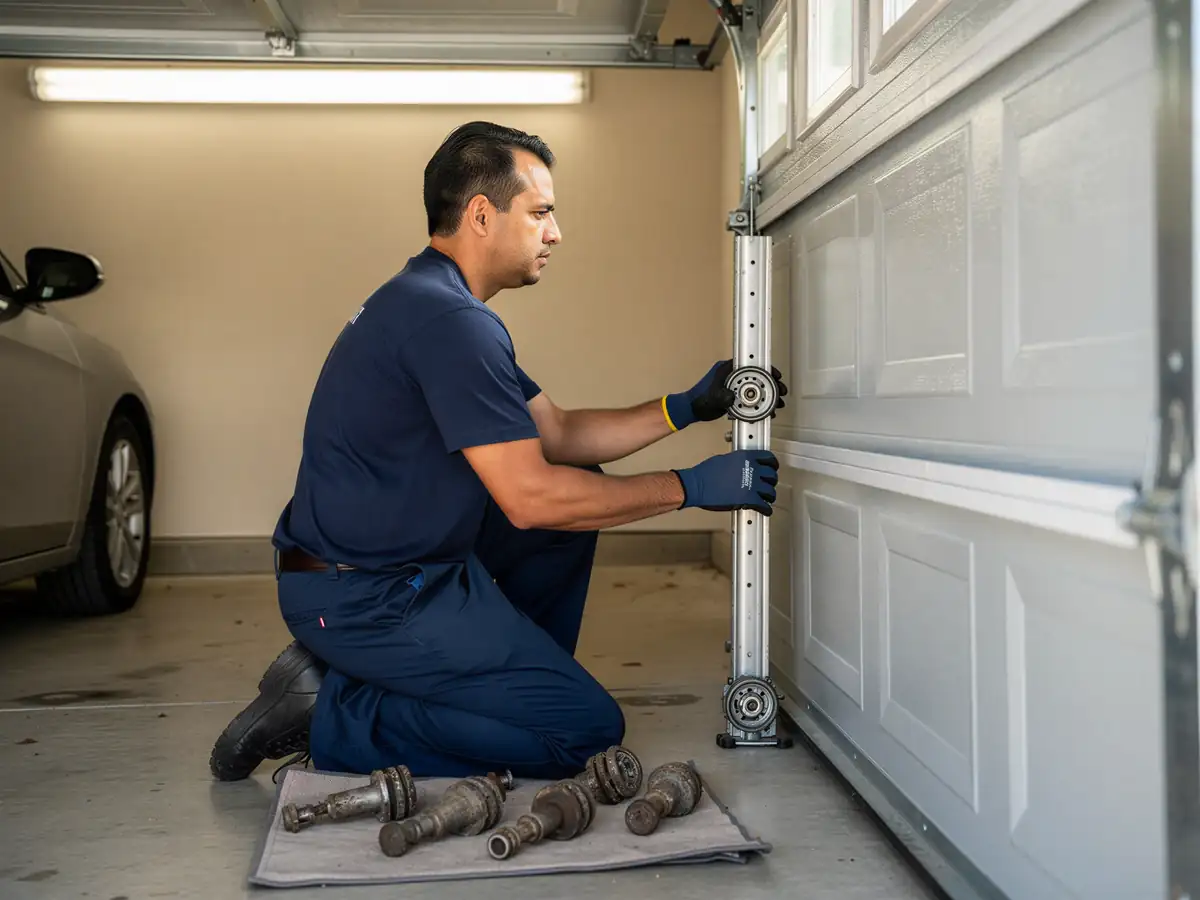
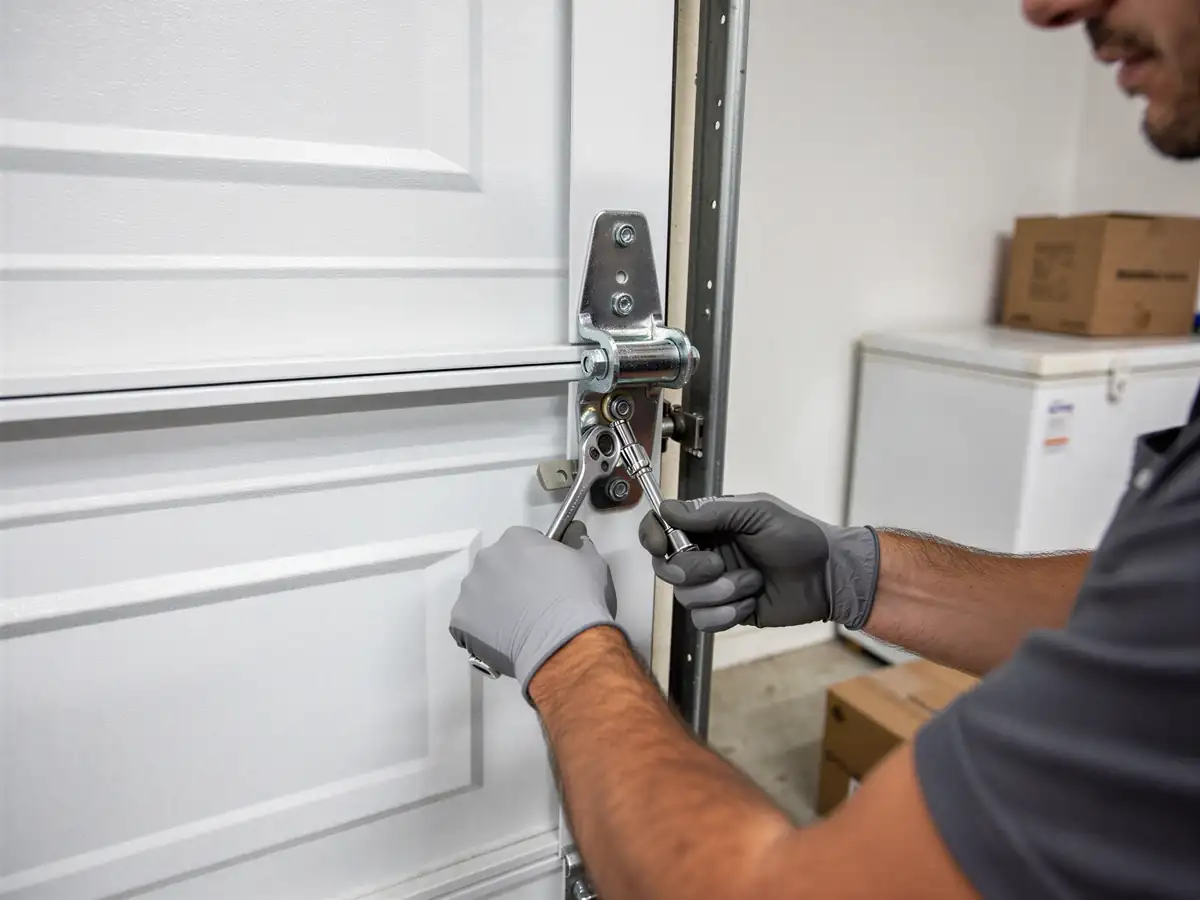
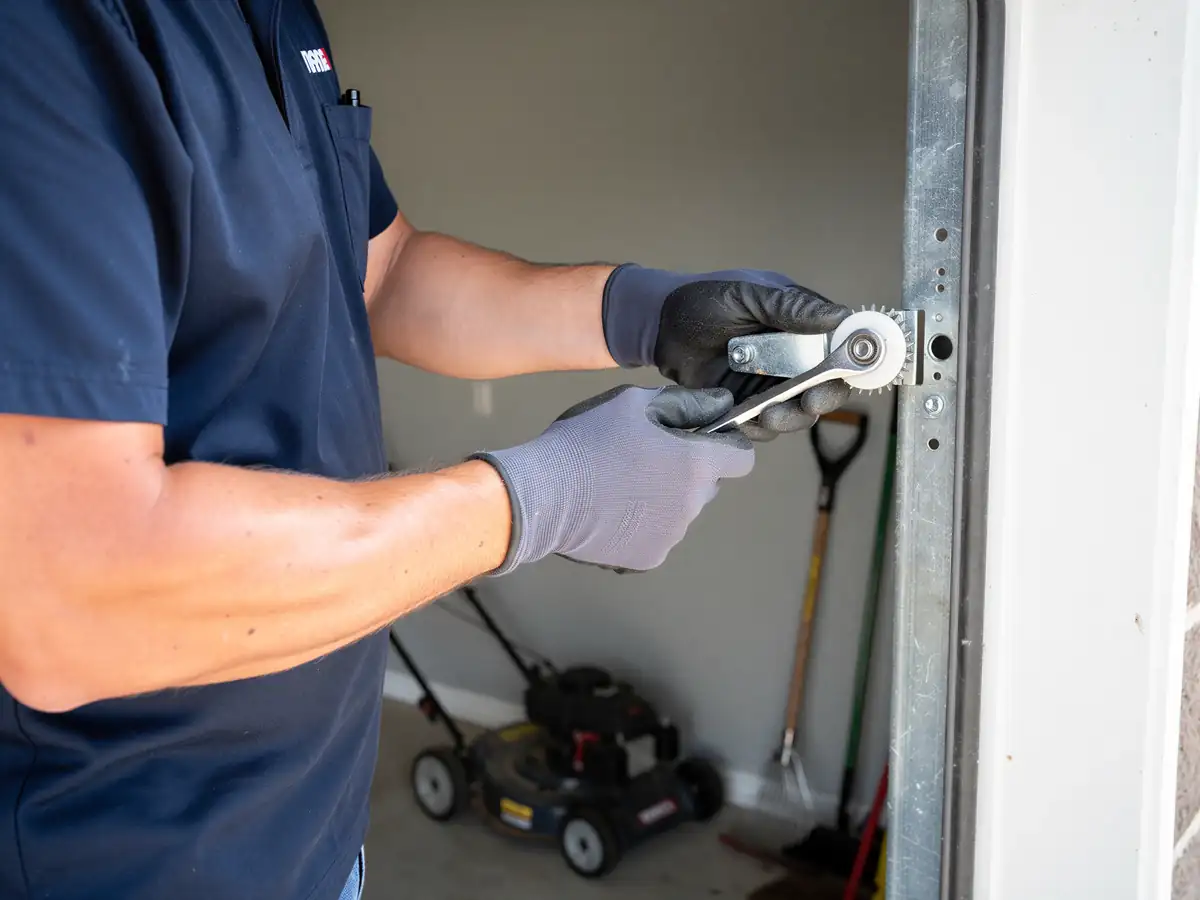
A roller swap on a standard double door usually means pulling the old track hardware loose enough to slide each roller stem out, checking the track for the gouging that bad rollers leave behind, and setting new ones in. If the door is original to a house built in the 1980s or 90s, we're often replacing all ten rollers in one visit rather than the one or two that are making noise, since the rest are close behind. We stock the common 7-ball and 10-ball nylon rollers used on residential torsion doors, but some older steel-wheel setups use a stem length nobody carries on the truck, and that one has to be special-ordered. We'll tell you straight if that's your door instead of guessing and coming back twice. We don't replace rollers as a stand-alone fix if the track itself is bent or the door is sagging on its hinges - at that point you're paying for parts that won't solve the actual problem, and we'll say so.
What You Are Seeing
The usual complaint is a grinding or clicking sound every time the door opens, worse on one side than the other. Sometimes it's a door that jumps or shudders partway up, or a track that's visibly scored with a shiny groove where a cracked roller wheel has been dragging metal-on-metal instead of rolling. On older steel rollers you might see actual rust flake off onto the garage floor. On nylon rollers, look for a wheel that's gone from round to flat on one side, or a plastic sleeve that's split and hanging loose on the stem. None of this is an emergency in the way a snapped spring is, but it gets worse fast once a roller seizes, because the door starts loading weight onto the track bracket instead of the wheel, and that bends the track.
Why This Fails Locally
Housing across this service area was mostly built between 1964 and 2011, with the heaviest concentration from the 1980s and 90s. That matters here because that's the exact era when steel 2-inch rollers with open ball bearings were standard equipment on residential doors, and after thirty-plus years those bearings have no lubricant left and the wheels have worn oval. A lot of those original doors never had their rollers touched. The climate here stays mild with only occasional freezes, which sounds like it should be easy on hardware, but the cheaper nylon rollers that later replaced steel ones don't hold up to freeze-thaw cycling well - the plastic goes brittle in a cold snap and cracks rather than wearing down evenly the way it would in a warmer climate. So you get two failure patterns stacked on top of each other across the same housing stock: worn-out steel from age, and cracked nylon from the cold snaps mixed into an otherwise mild year.
How We Fix It
For doors still running original steel rollers, we replace the full set with sealed nylon rollers - quieter, no lubrication needed, and they don't rust. For doors that already have nylon rollers failing early, we look at whether it's a cheap builder-grade roller that cracked in a cold snap, and step up to a heavier-duty nylon roller rated for more cycles. Either way we check the track alignment at the same time, since a roller riding a bent or gouged track will fail again regardless of what you put on it. With 45,614 households and 25,831 owner-occupied houses across this area, and a median household income of $86,500, most of what we see is owners choosing to do the full set once rather than one roller at a time every six months. We cover the area from Georgetown out to Tybee Island and everywhere in between - each town has its own page with more specific detail, but the roller work itself doesn't change from one side of the service area to the other.
How it works
From “it’s stuck” to “it’s fixed”
01
Tell us what’s wrong
Describe the symptom - won’t open, loud bang, opener runs but the door won’t move.
02
On-site diagnosis
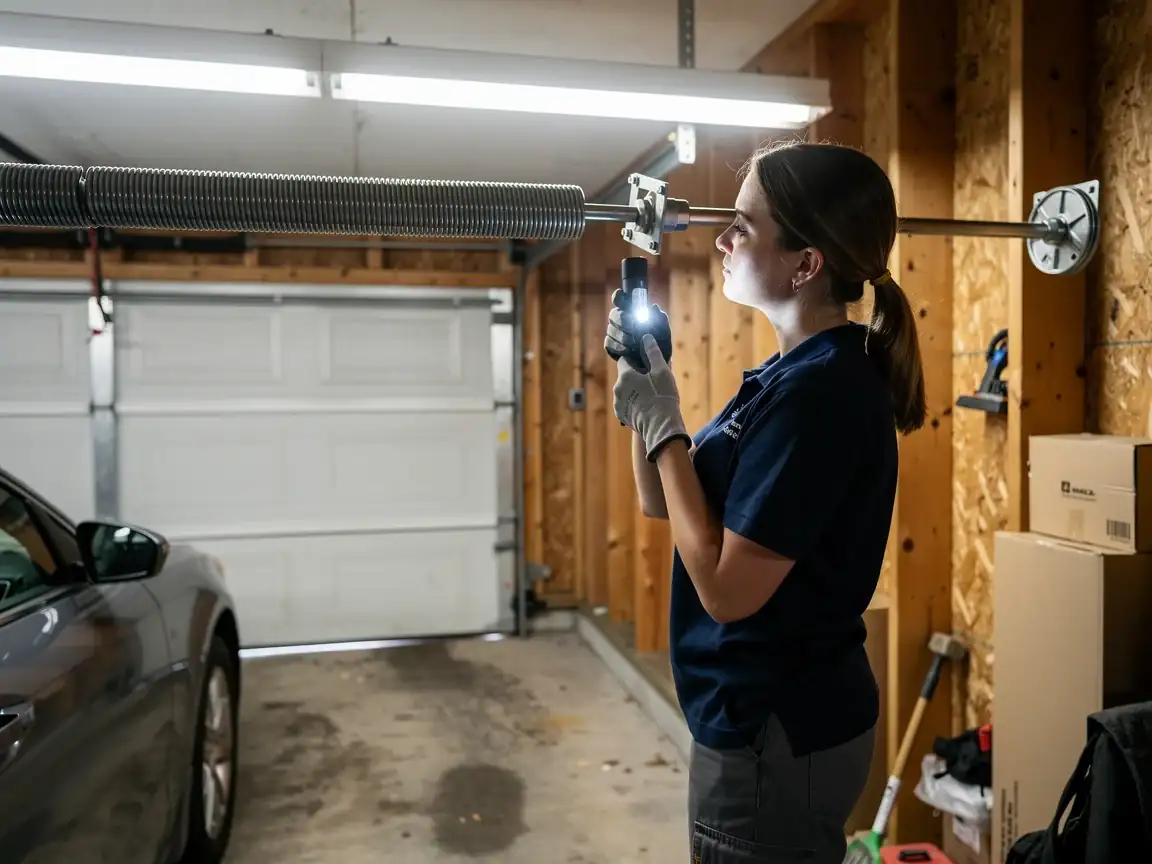
A technician tests the door under power and by hand and finds what actually failed.
03
Clear, up-front plan
You get the fix that’s needed and what drives the cost - before any work starts.
04
Repaired & tested
The repair is done, the door is set true and tested, and the work area left clean.
Not sure which repair your door needs in Savannah, GA? Describe what it’s doing - every job starts with a diagnosis.
Do I need to replace all the rollers or just the noisy one?
If your door is original to a house from the 1980s or 90s, replacing just the loud roller is a short-term fix - the rest are the same age and close to failing too. We'll check all of them and tell you honestly if one is fine, but on original hardware this old, doing the full set usually saves you a second trip.
Will new rollers fix a door that shakes or jumps?
Sometimes, but not always. If the track is bent or the rollers have been grinding a groove into it, new rollers on a damaged track will fail again. We check the track every time we do roller work and tell you if that needs attention too.
Do you serve areas outside Savannah proper?
Yes. We cover the service area from Georgetown and Garden City out to Richmond Hill, Tybee Island, and Rincon. The housing stock dates from roughly the same build window across most of these towns, so the roller failures we see look similar area to area.
Ready to get your garage door sorted?
Tell us what it’s doing and where you are in Savannah - we’ll take it from there.