What to Look At First
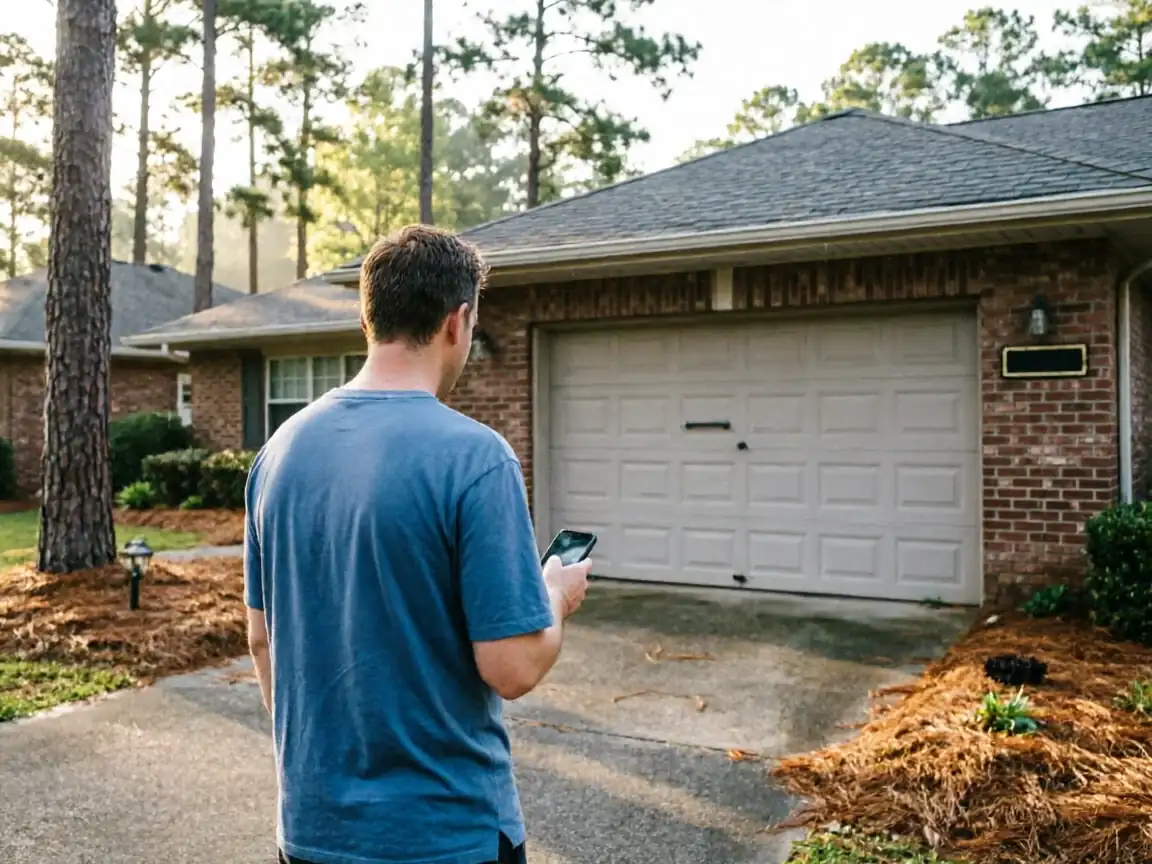
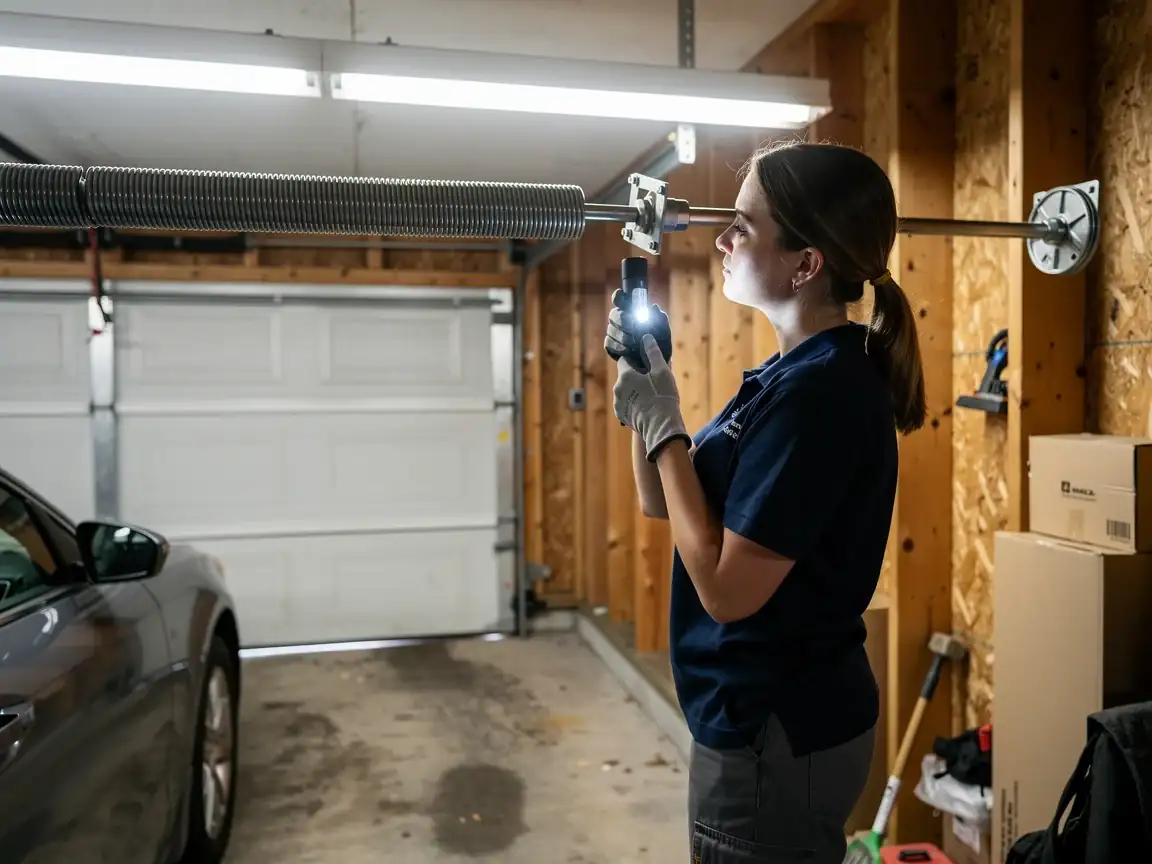
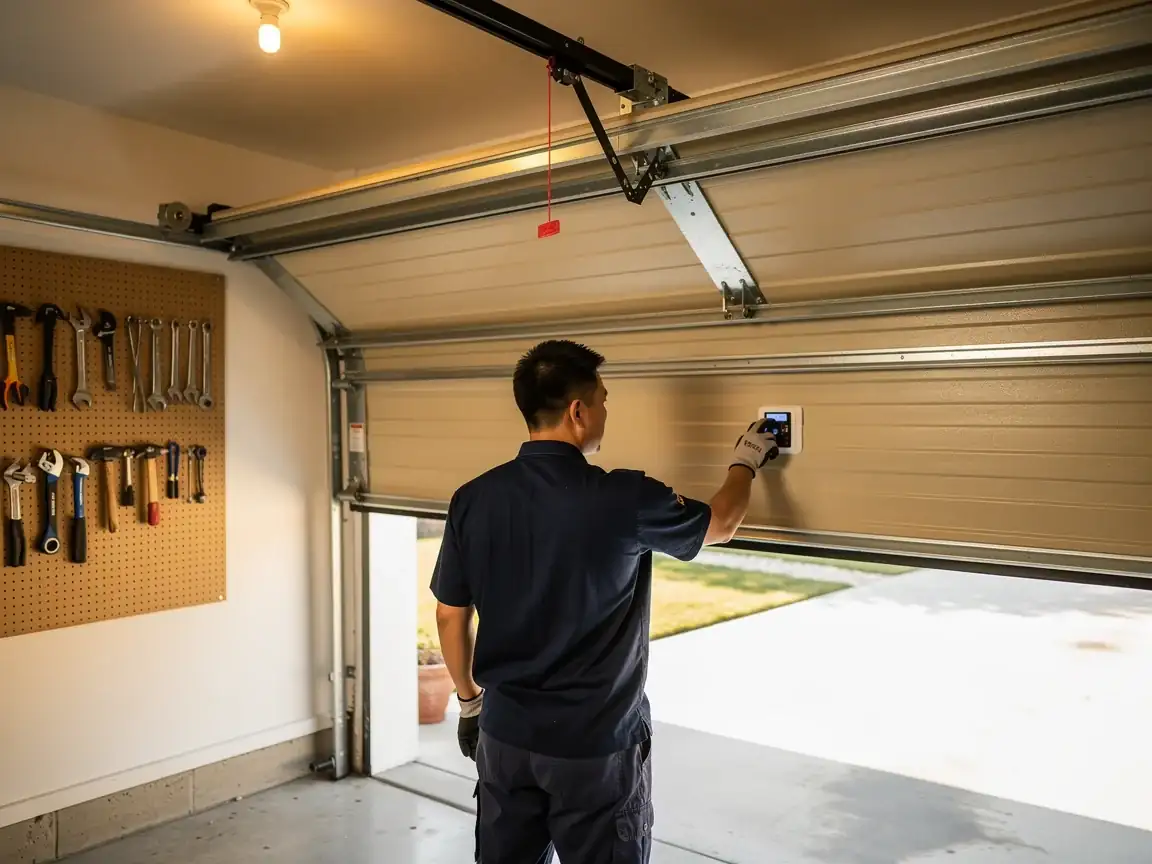
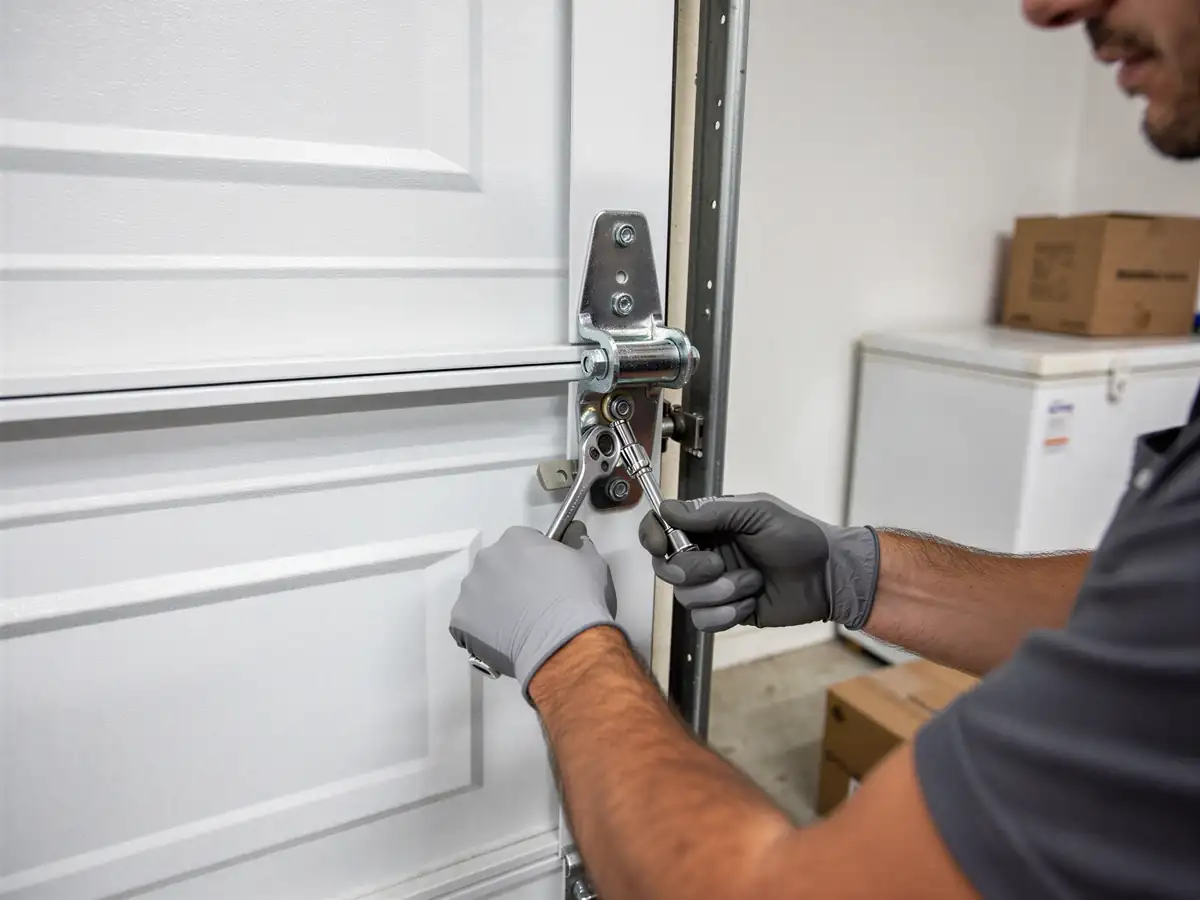
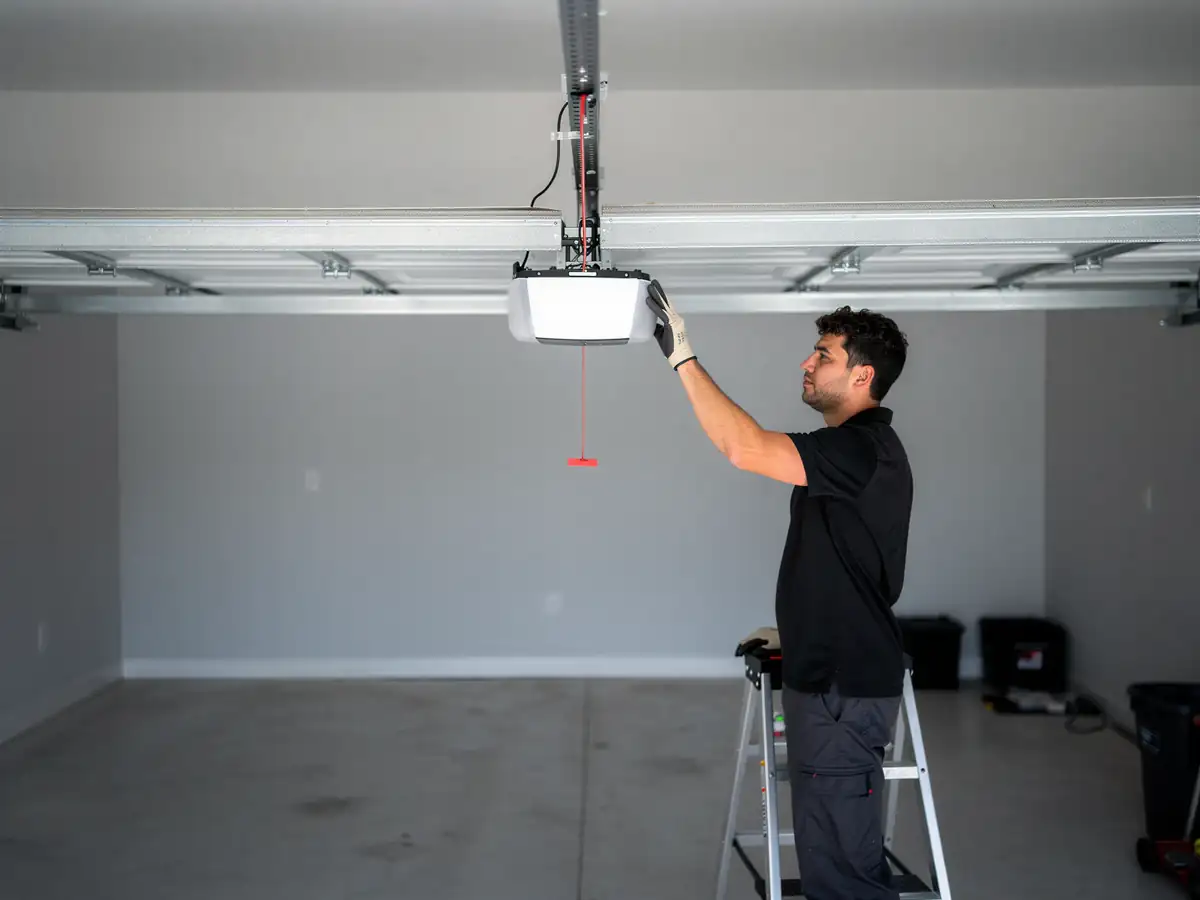
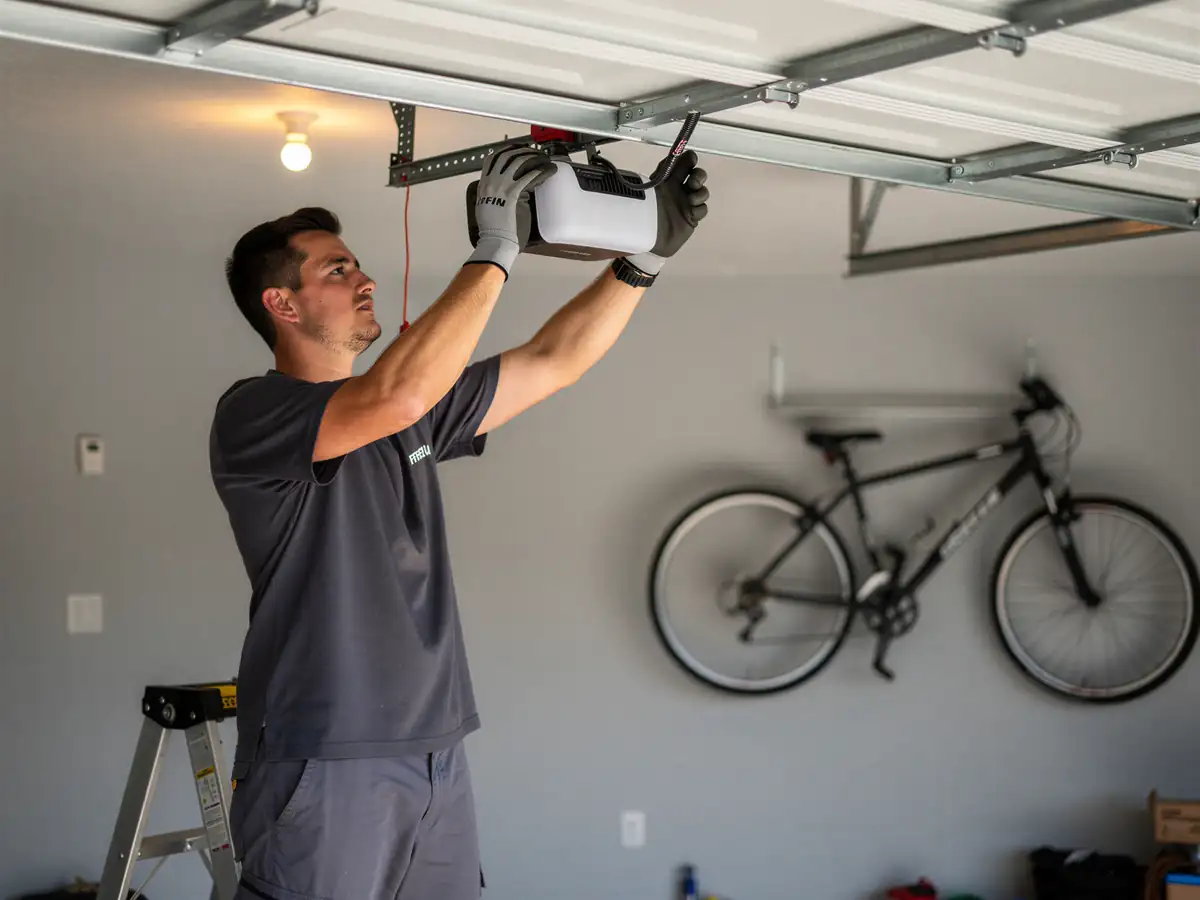
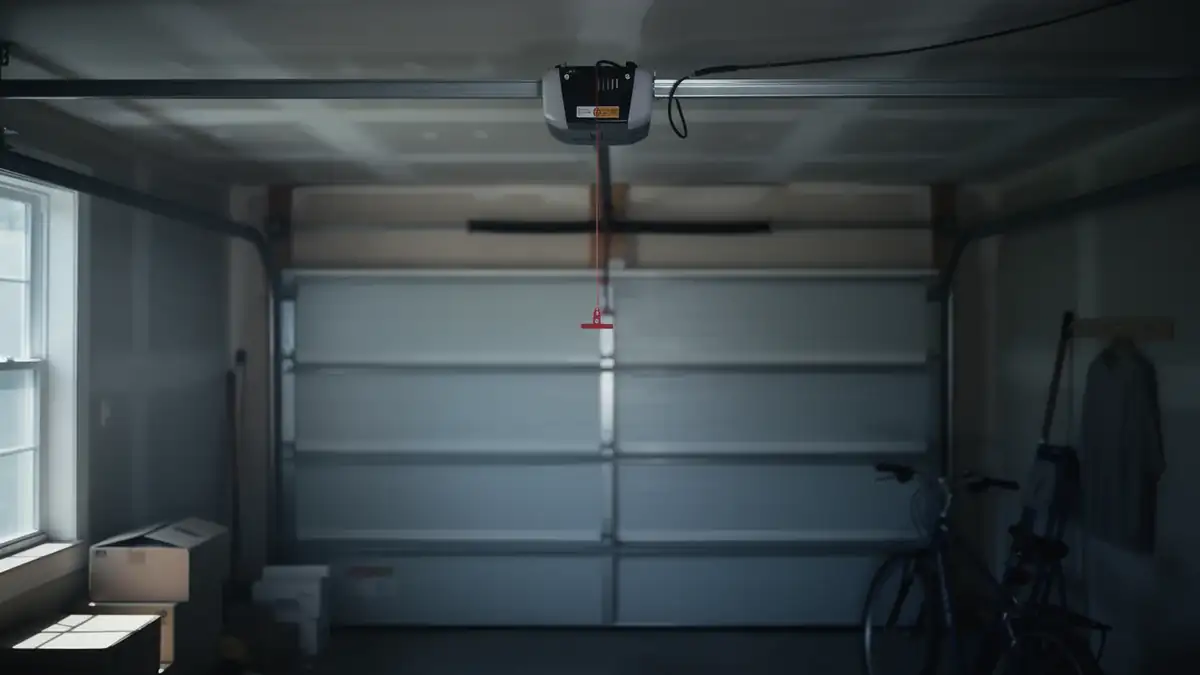
Across the 15 named areas in this service area, most garage doors and openers date to the 1980s and 90s, sitting inside a broader housing stock built between 1964 and 2011 with a median build year around 1990. That means a lot of openers out there are on their second or third logic board, chain drives with worn sprockets, or belt drives installed as upgrades over older rail. First thing to check after any power cut: does the opener respond at all when power is restored, or does it hum and not move? A hum with no travel usually means the capacitor gave out, not the motor - common on units from that 80s/90s install window. Second: check the wall control and the keypad battery, since a dead keypad can look exactly like a dead opener to someone standing in the driveway. Third, and this is the one people skip, is the manual release cord itself - on houses with original 90s-era hardware, that cord sometimes hasn't been pulled in years and the mechanism can bind. Test it now, not during the next outage.
How Local Conditions Play In
With 25,831 owner-occupied houses out of 45,614 households across the service area, and a median household income of $86,500, a lot of these homes have owners who've been in the house long enough to inherit the original opener along with the original door. That combination - older opener hardware, mild but not snow-free climate - means the failure mode here tends to be electrical and mechanical wear rather than ice-jammed tracks. A power cut doesn't damage the opener, but it does expose whatever was already weak: a capacitor near end of life, a logic board that's seen three decades of humidity, or a backup battery nobody's replaced. None of that is urgent to fix on a sunny day, but it becomes urgent fast when a storm knocks out power and the door won't budge by hand either. If your opener is original to a house built in that 1964-2011 window, especially the 1980s-90s cluster that makes up most of the stock here, it's worth knowing its age before the next outage decides for you.