What You Are Seeing
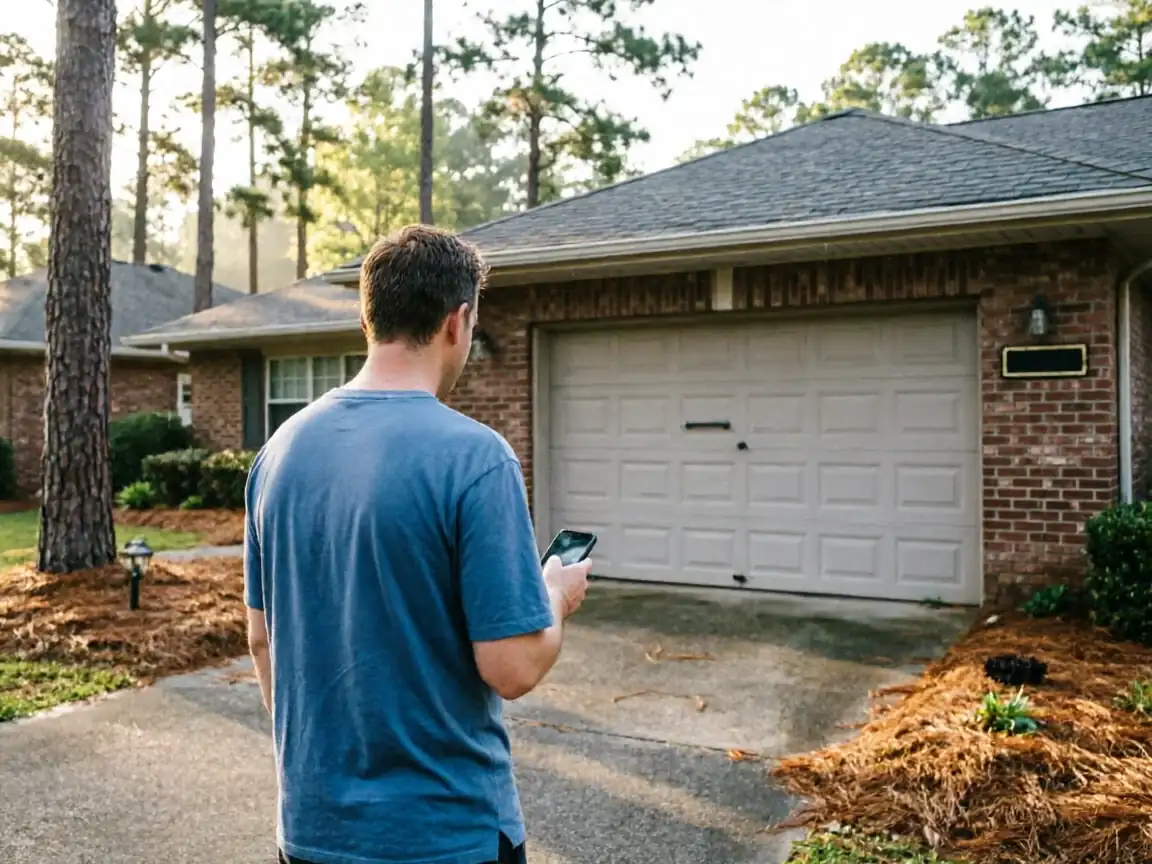
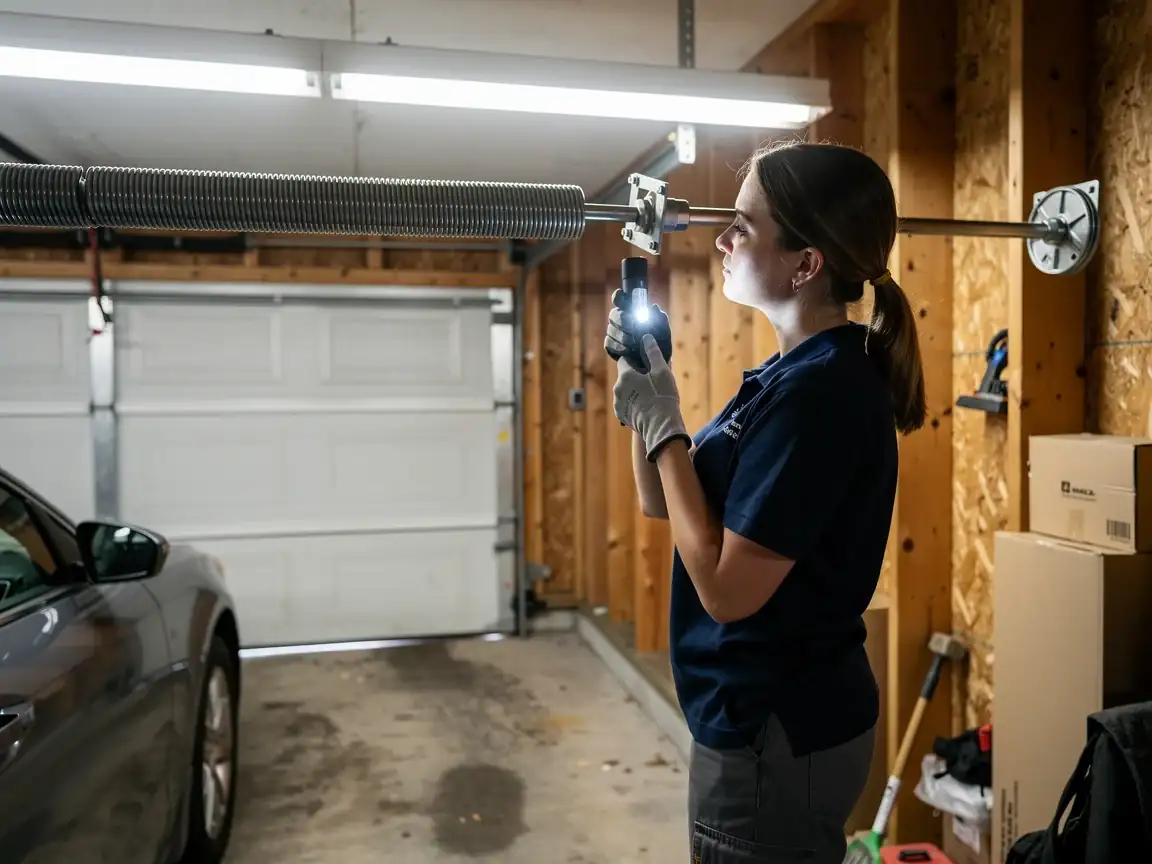
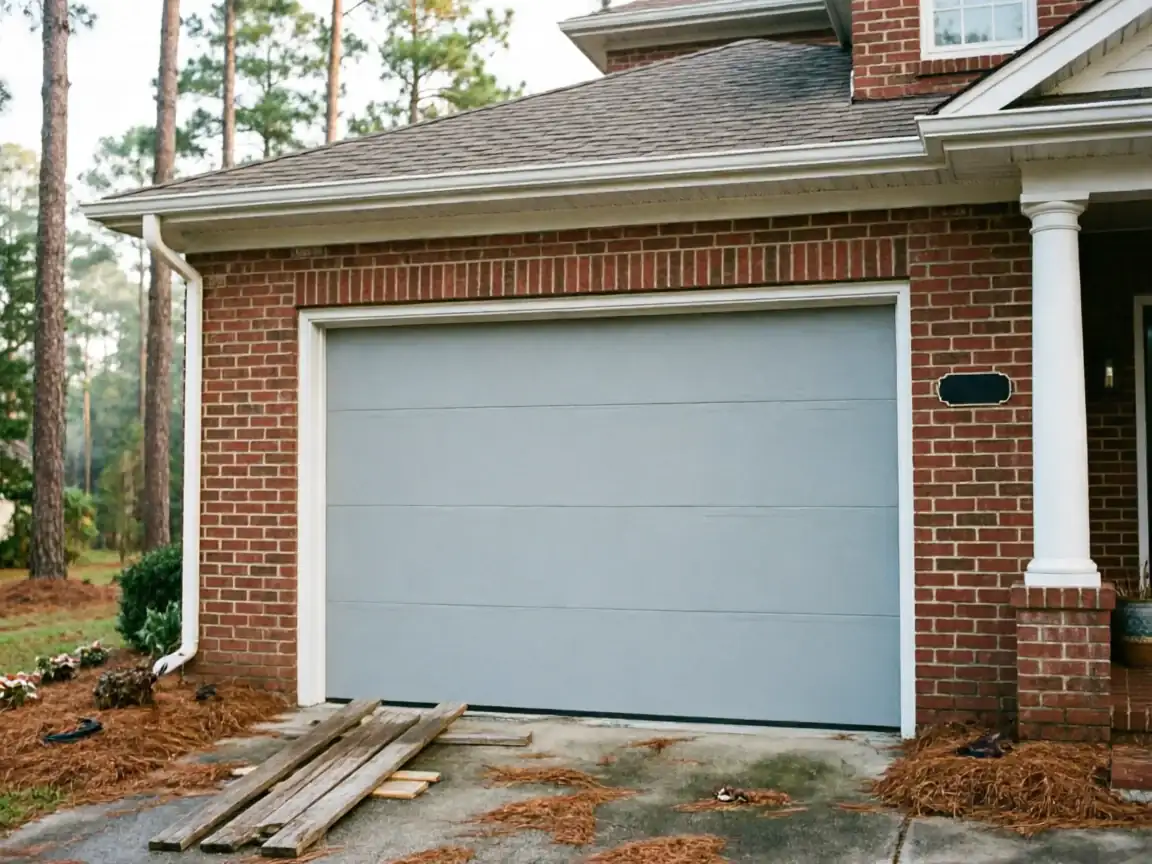
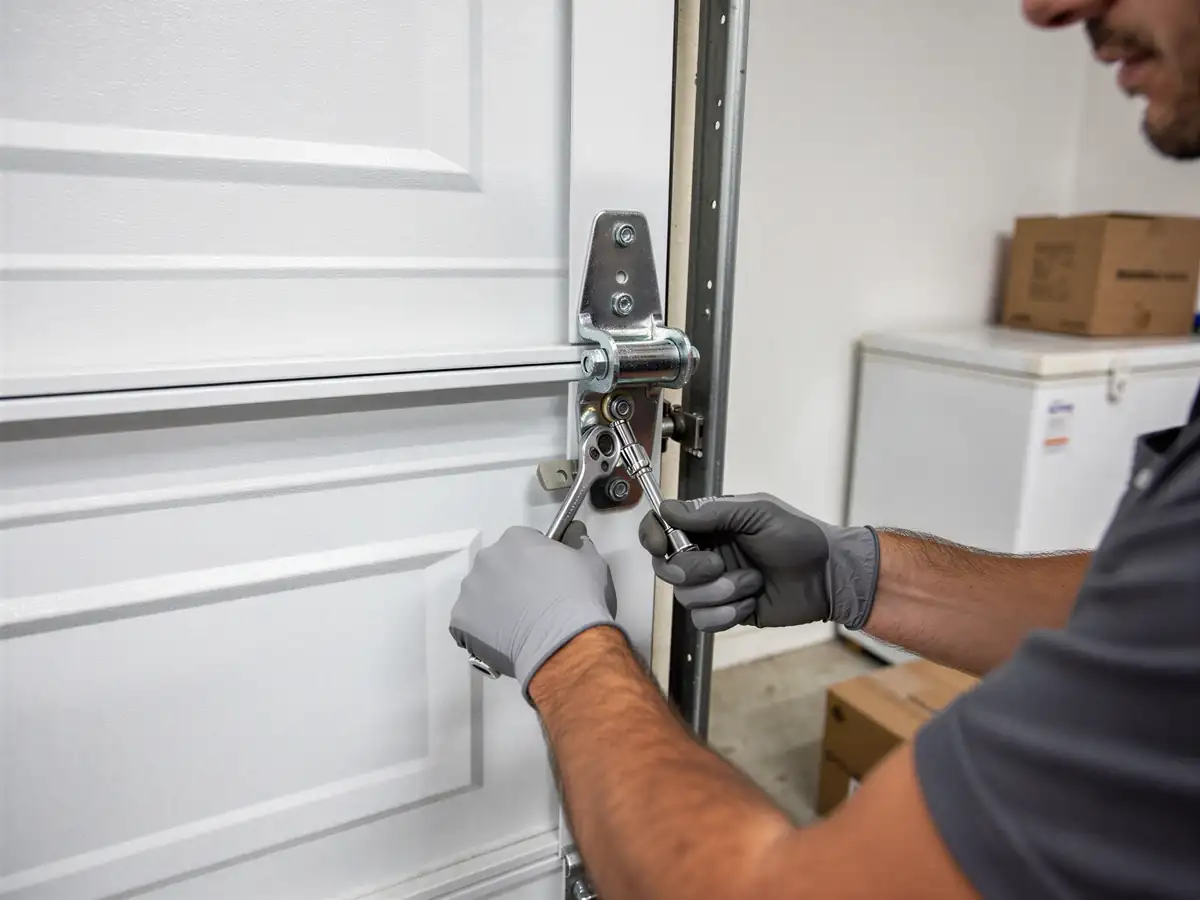
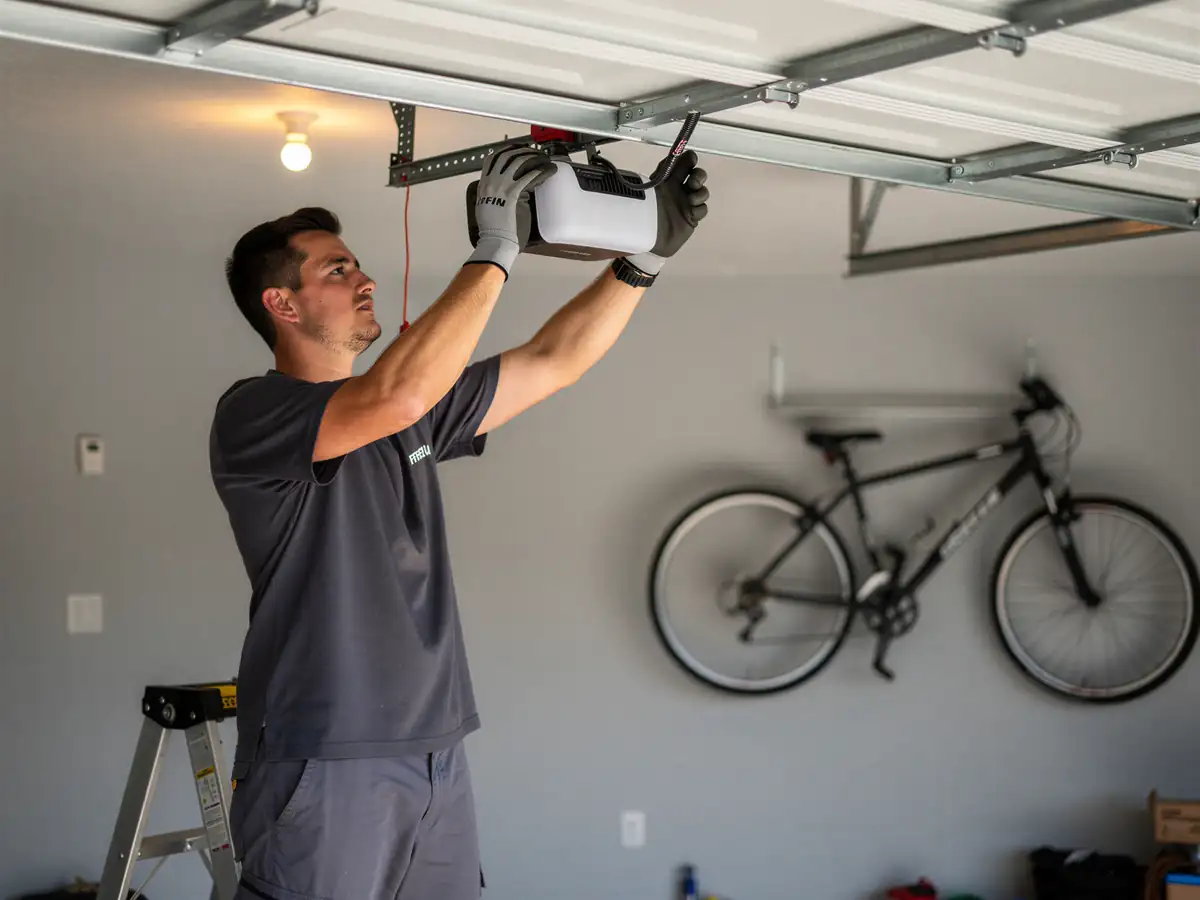
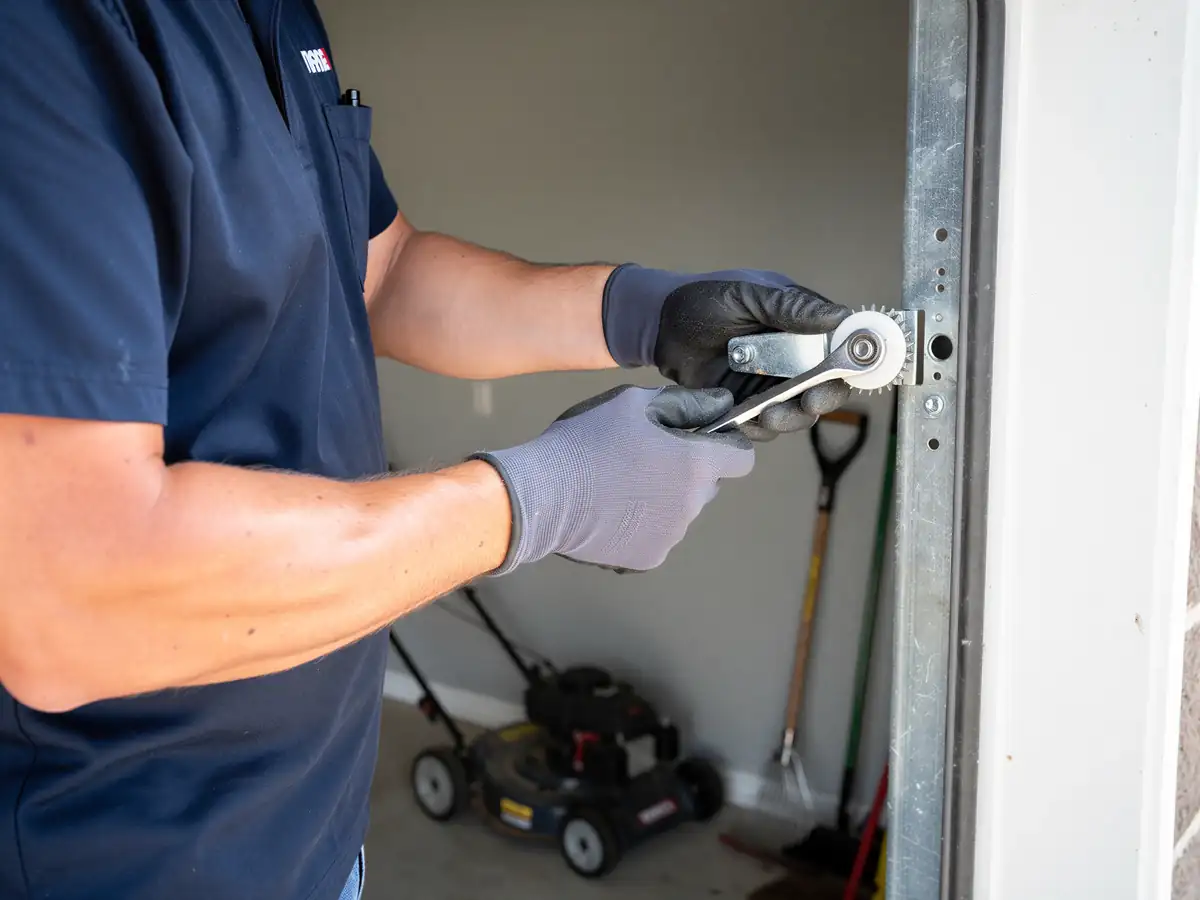
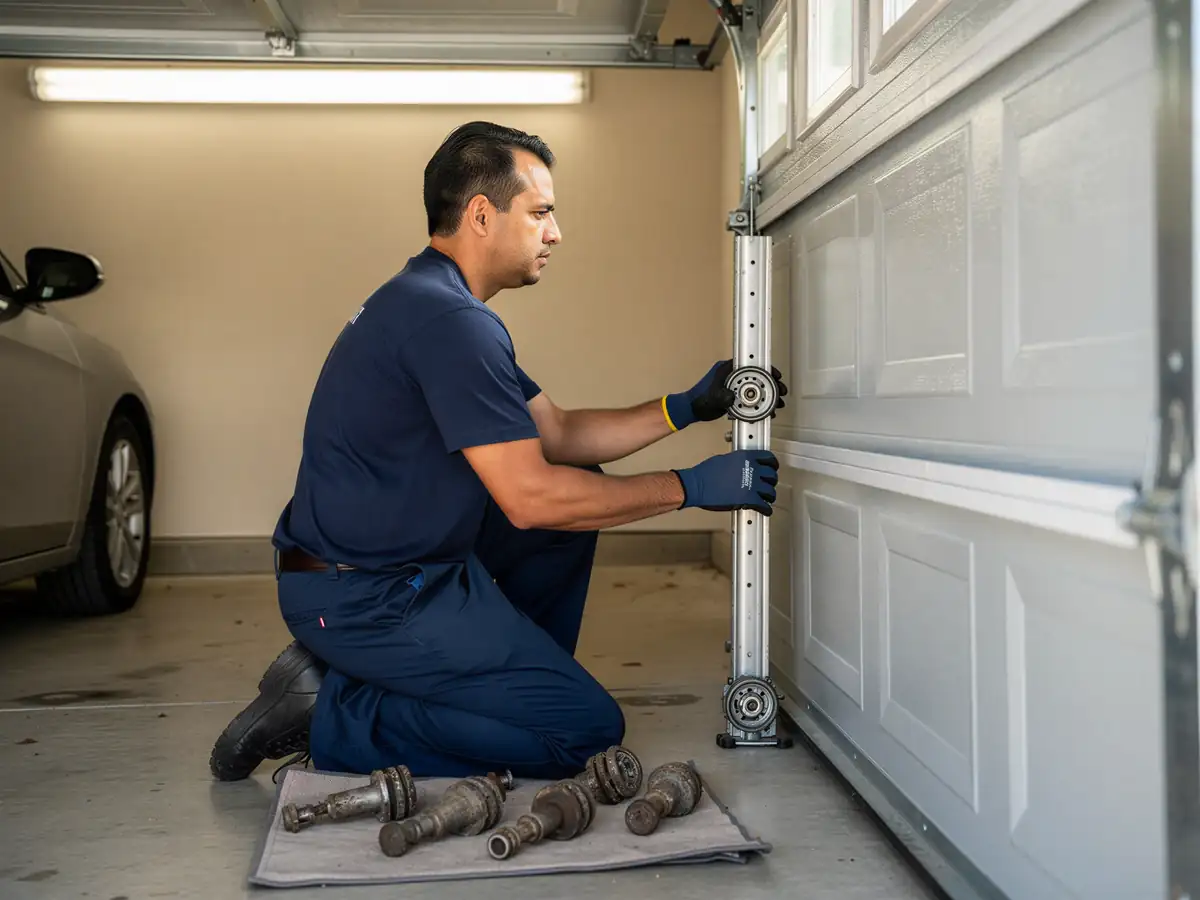
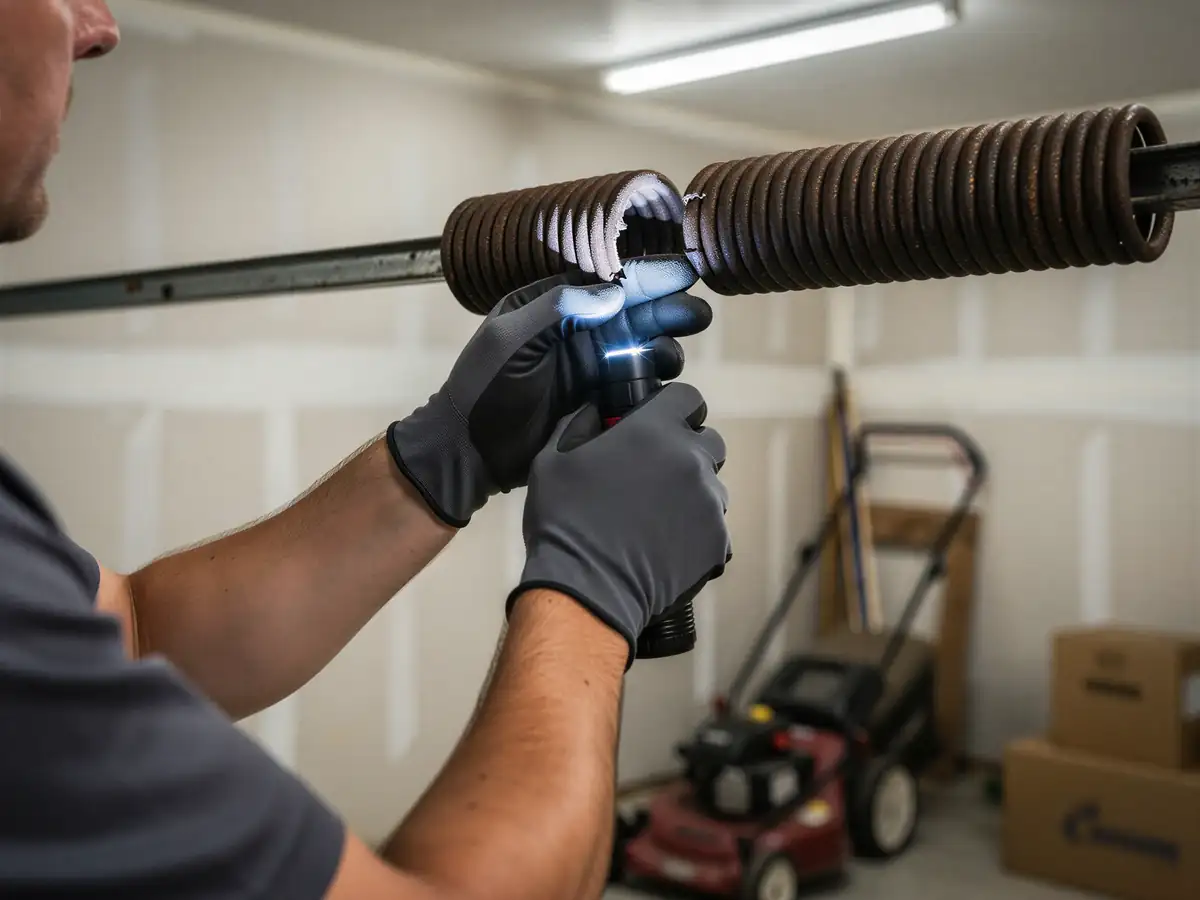
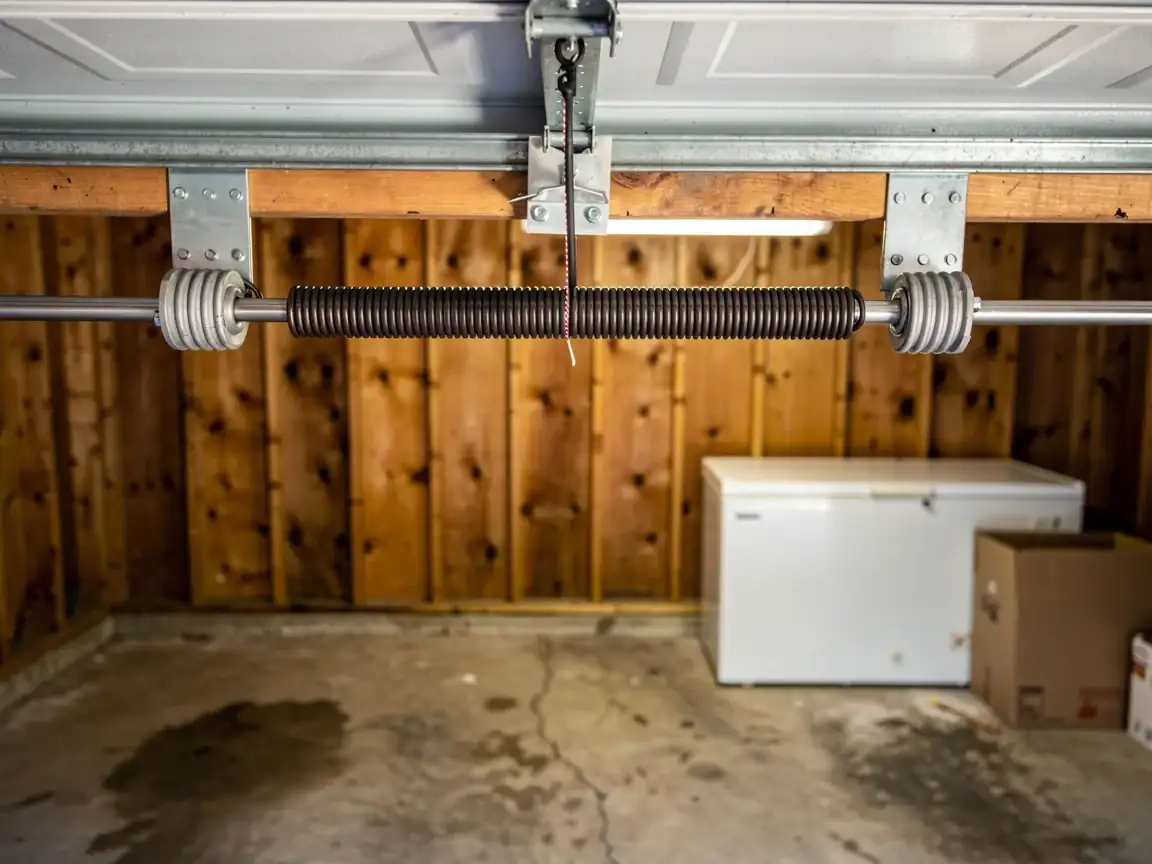
The complaint we hear most in this area is a door that reverses halfway up, or one that's suddenly heavier to lift by hand than it used to be. Both point to spring fatigue, and in Savannah's climate band that fatigue shows up differently than it would somewhere with hard freezes. We don't get the deep-cold contraction that snaps springs in a single cold snap; what we get instead is the slow corrosion from humidity sitting on steel year-round, with the occasional freeze thrown in to stress metal that's already pitted. On older housing stock, dating back toward the 1964-2011 build range, you'll also see rollers that have worn unevenly because the track was never perfectly plumb to begin with, or hardware that's been painted over so many times nobody can tell if a bolt is loose until it's already backed halfway out.
Why This Fails Locally
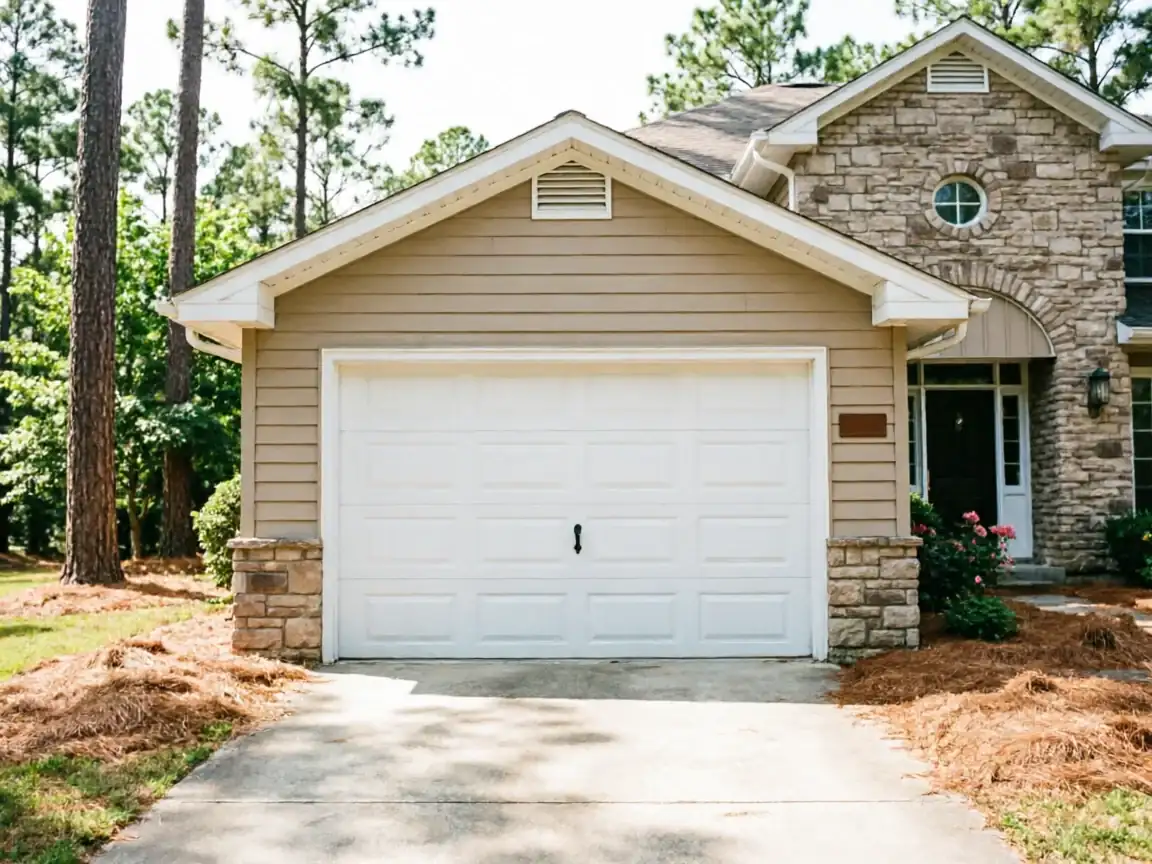
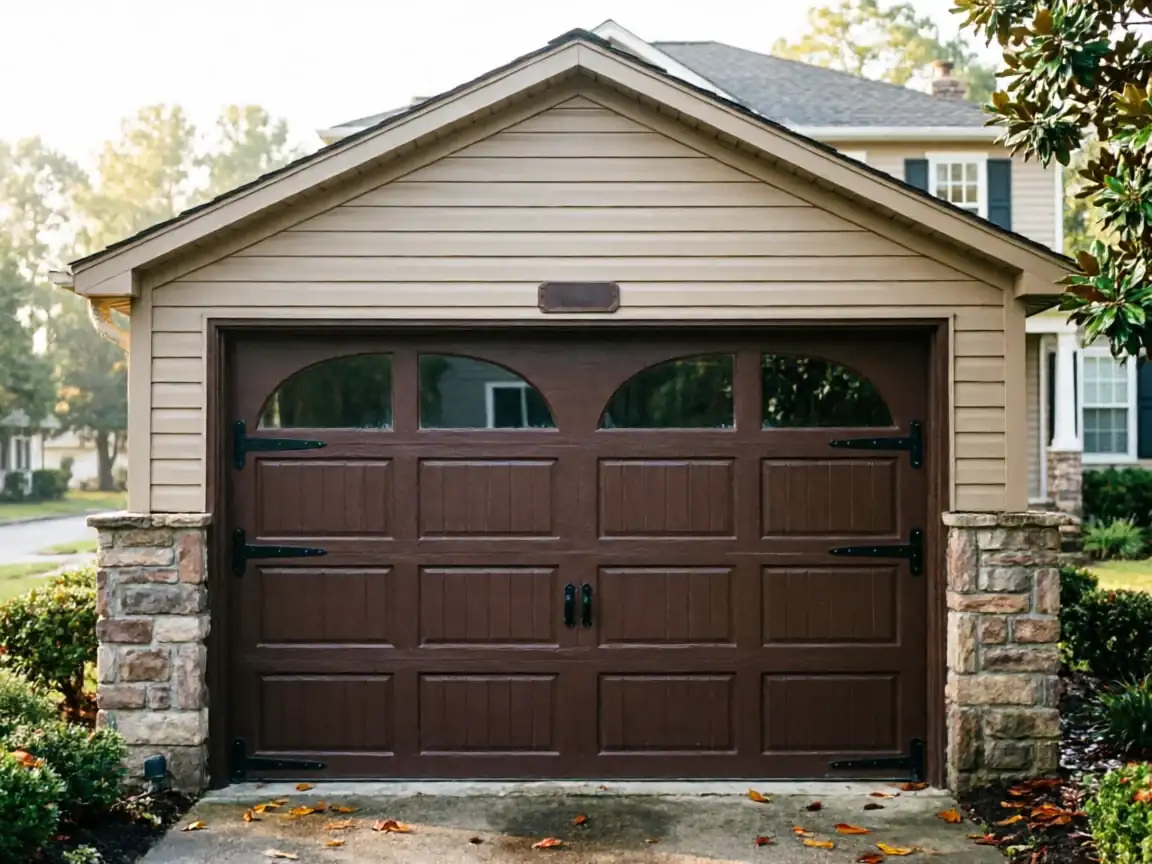
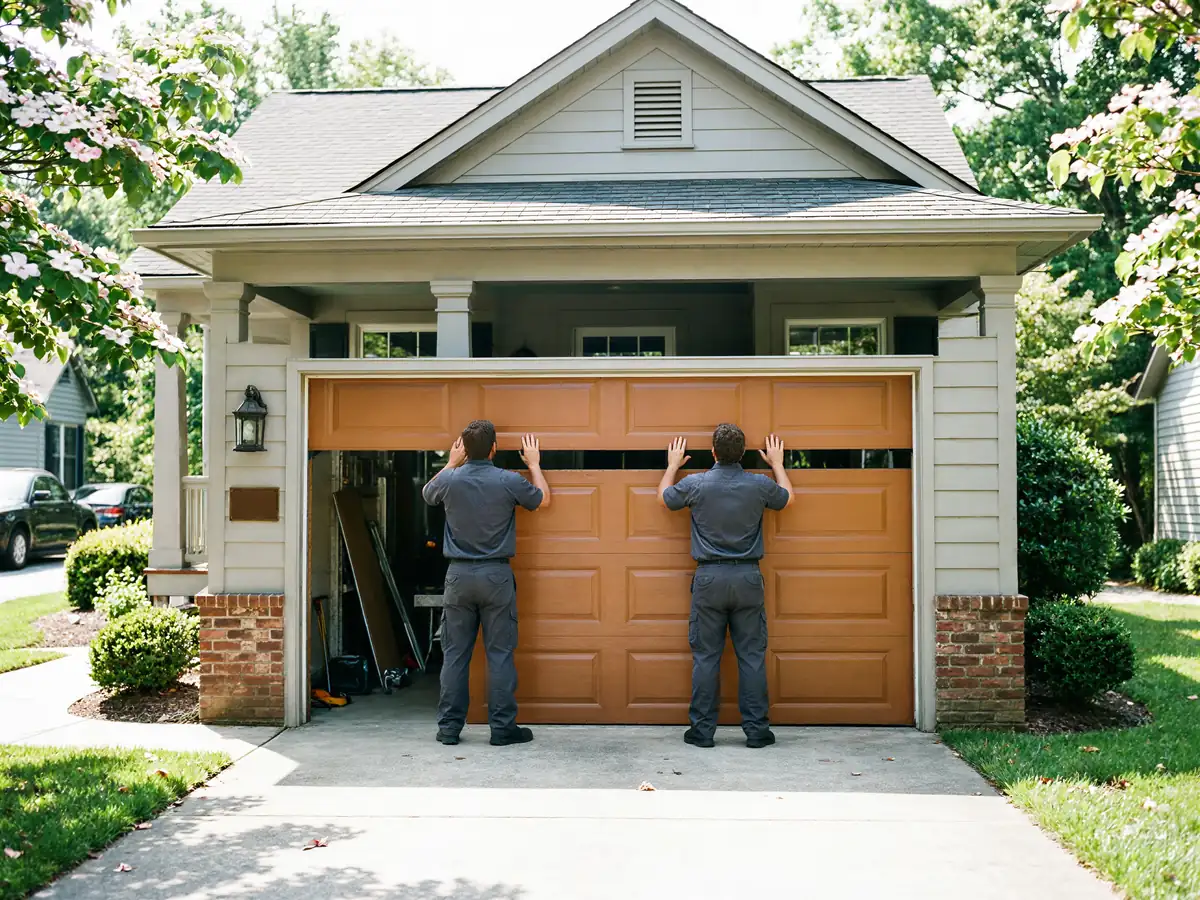
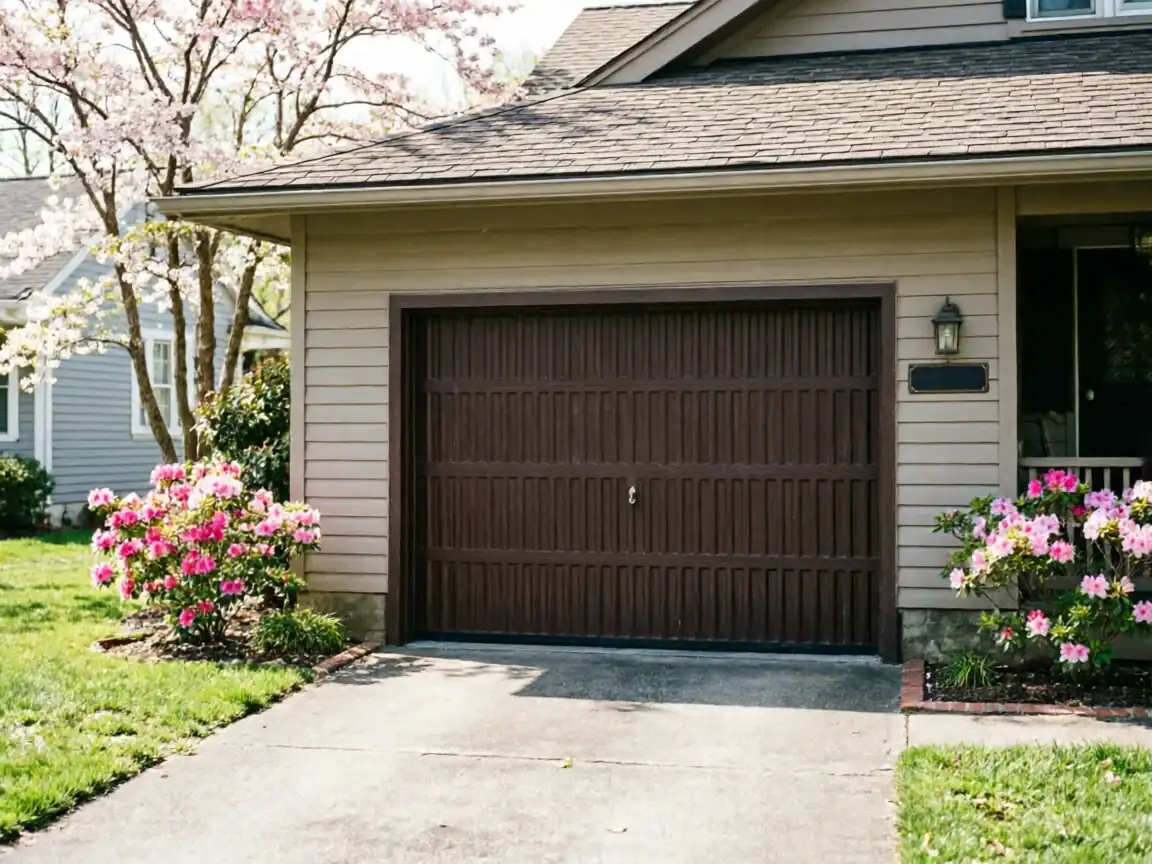
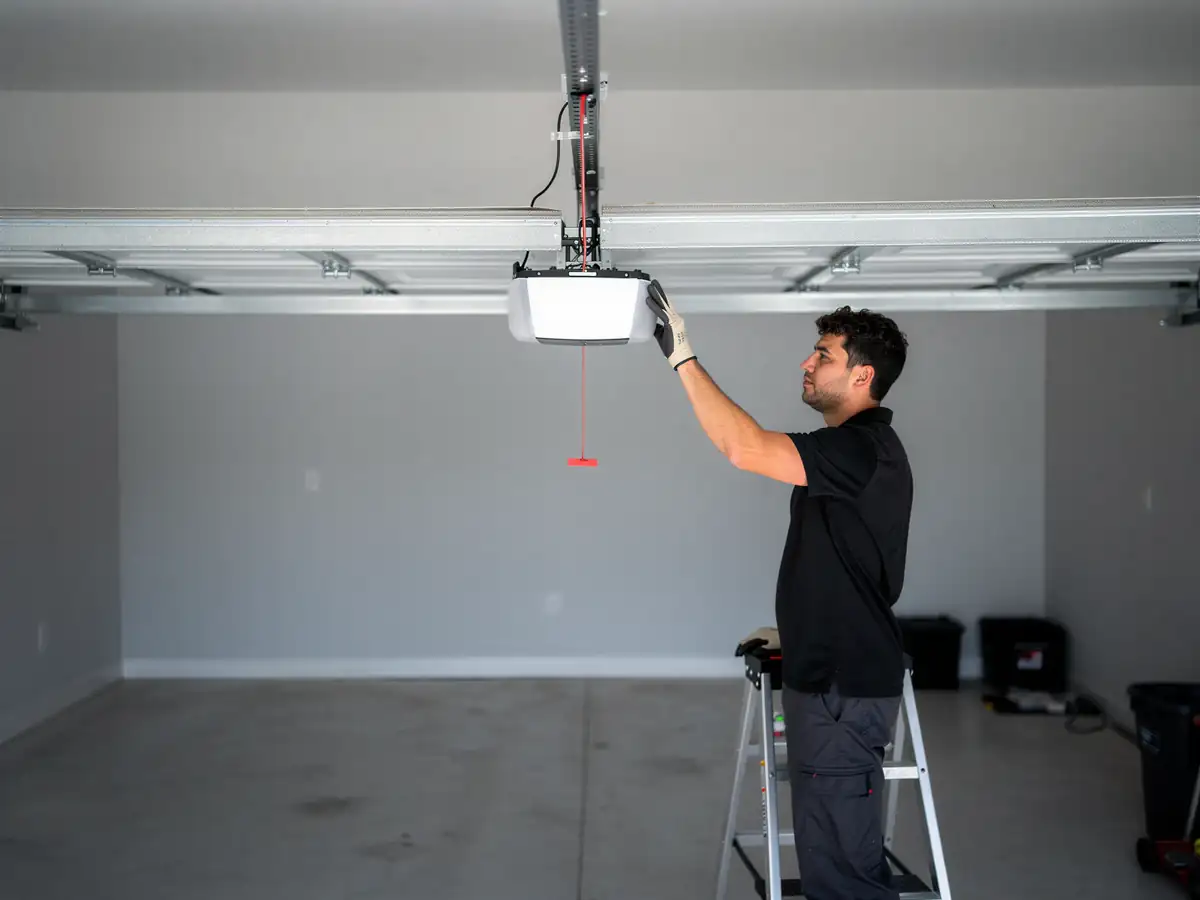
Most of the houses we work on in this service area were built between 1964 and 2011, with the bulk of that stock going up in the 1980s and 90s across the fifteen named neighborhoods we cover, Wilmington Island. That era of construction favored attached garages with the opener mounted on a single center rail and springs sized for the standard door weight of the time. Thirty-plus years later, those springs are well past their working life, and the mild-with-occasional-freeze climate here means the galvanized coating on older torsion springs degrades from humidity exposure rather than snapping outright from cold. The spring doesn't break clean - it weakens gradually, which is why so many homeowners describe the door as 'getting heavier' over months rather than failing all at once. That slow failure is a Savannah pattern, not a universal one, and it's why a spring that looks fine on inspection can still be close to the end.