What to Look At First
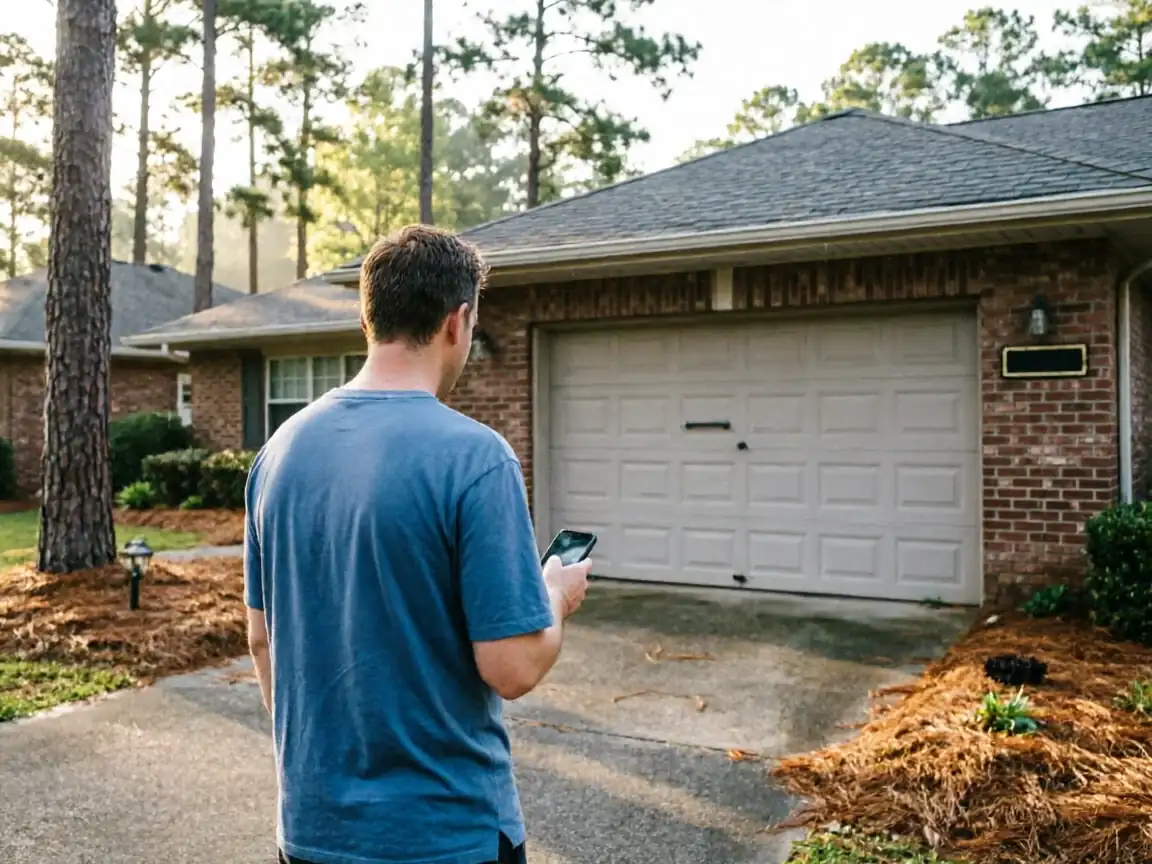
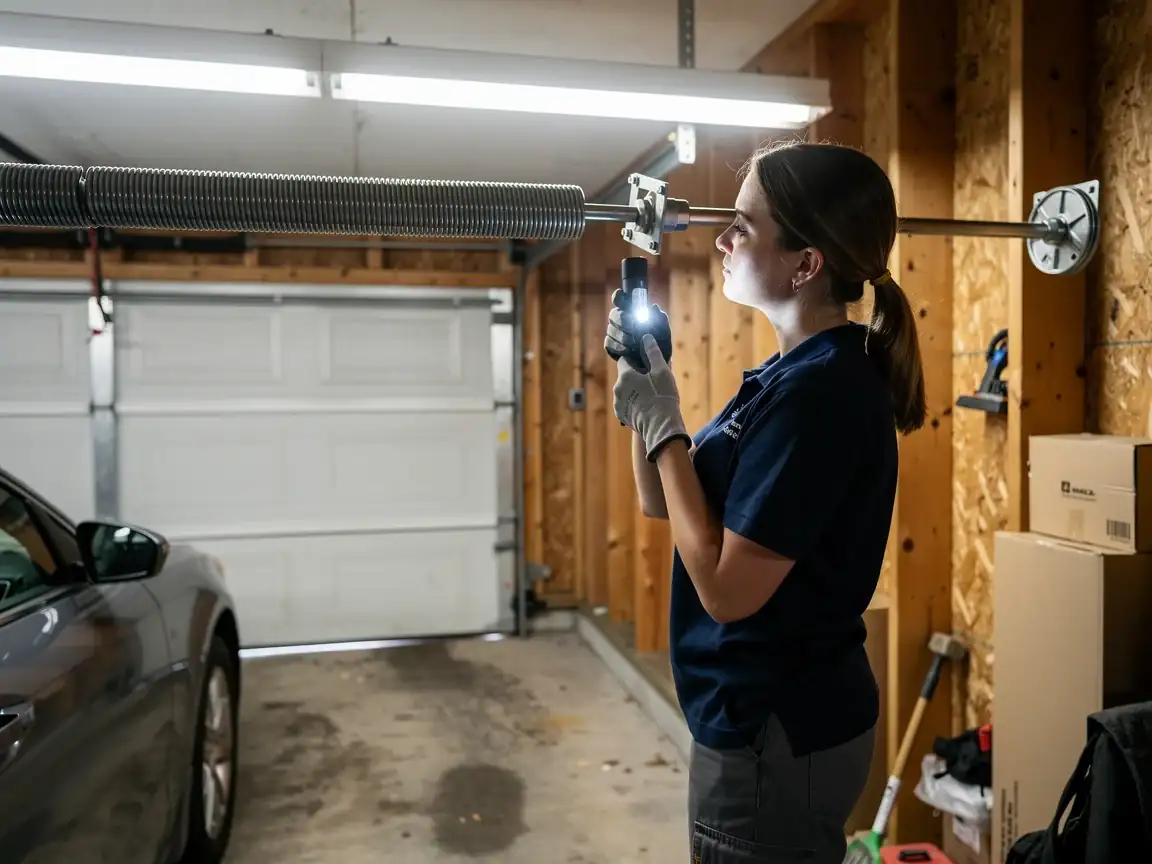
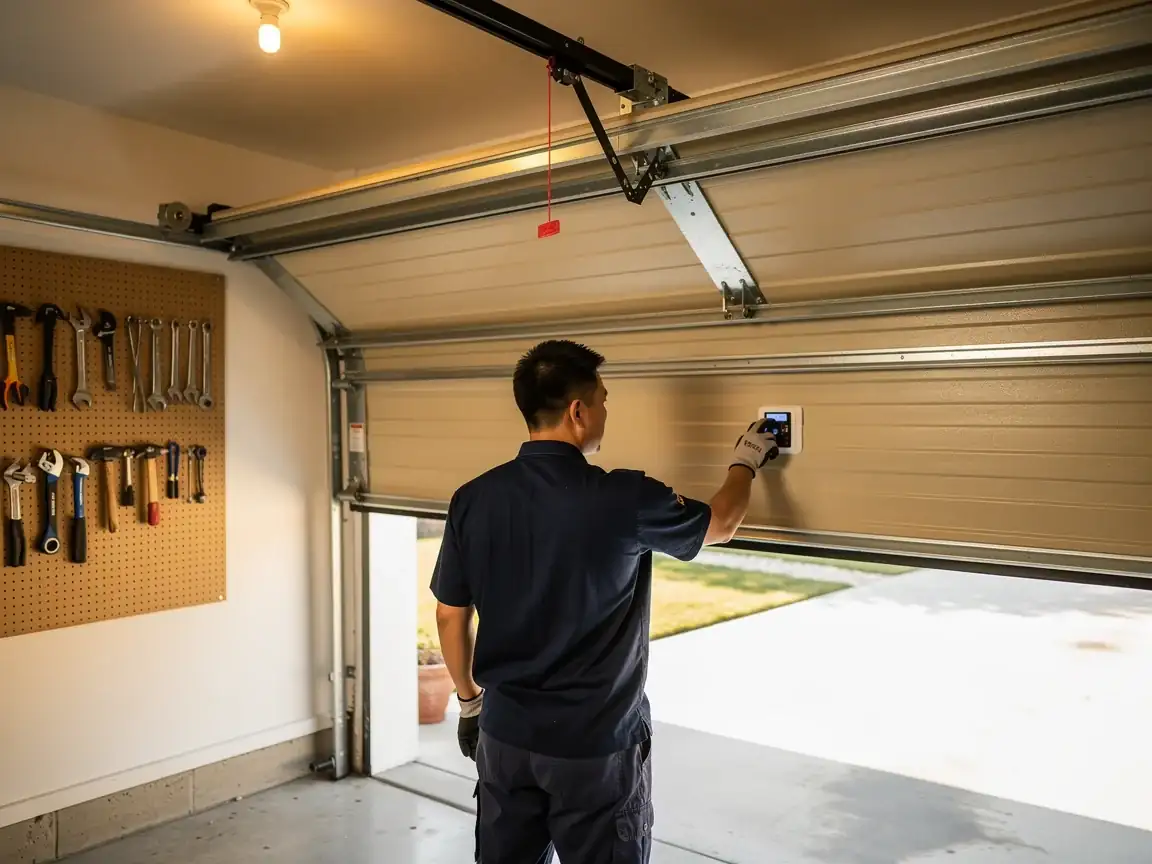
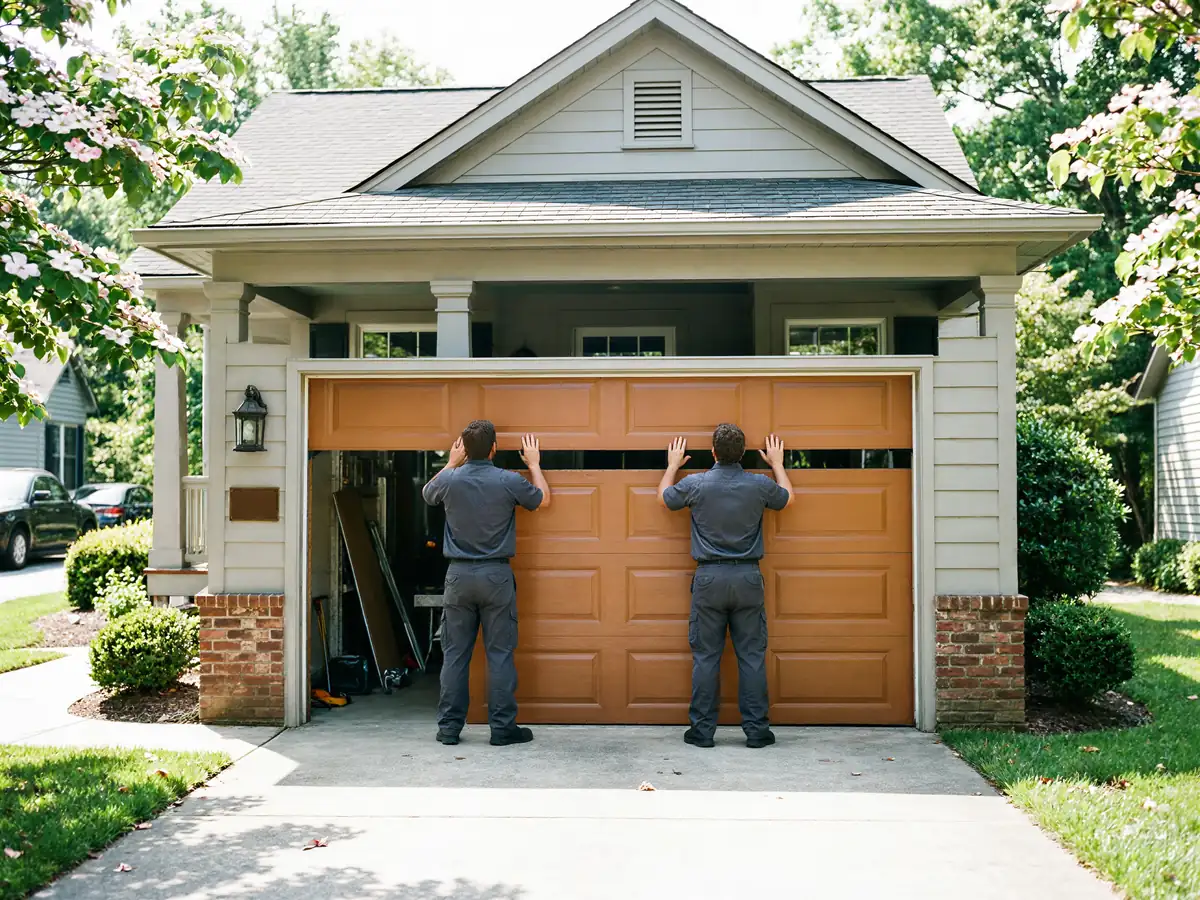
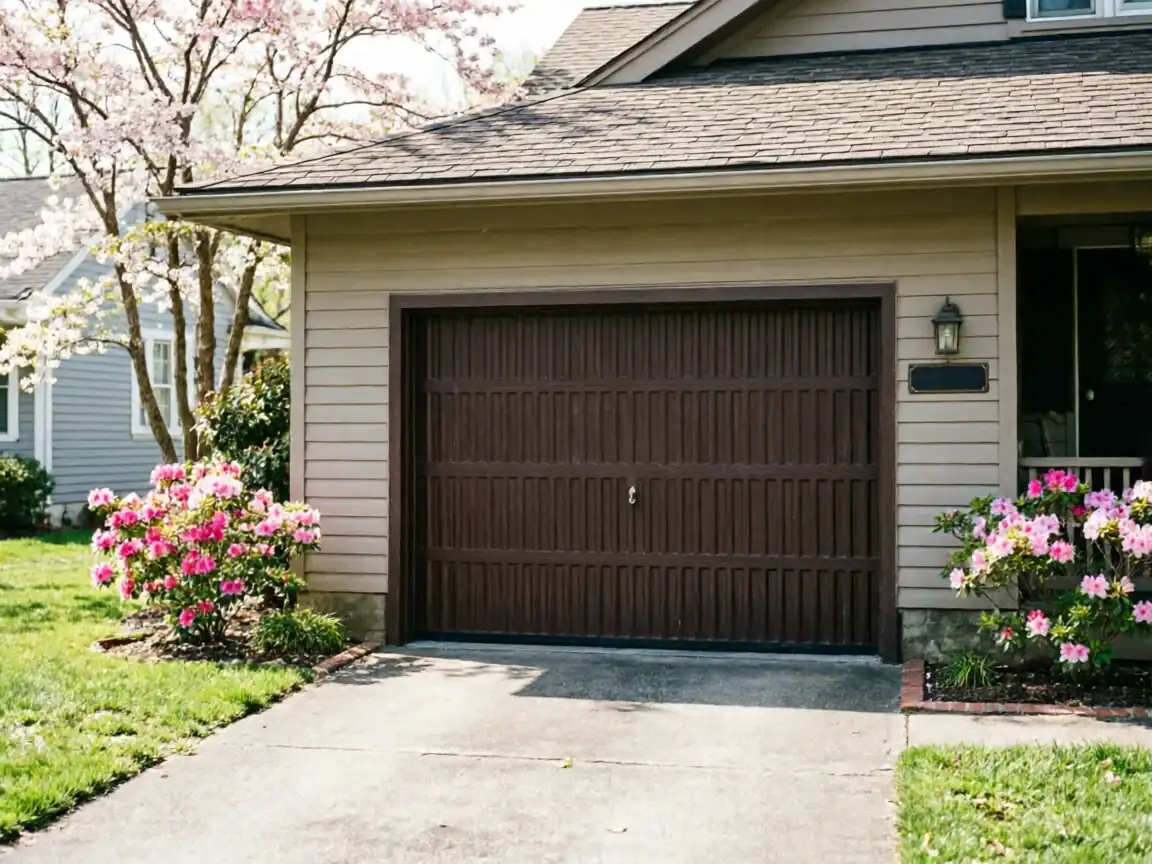
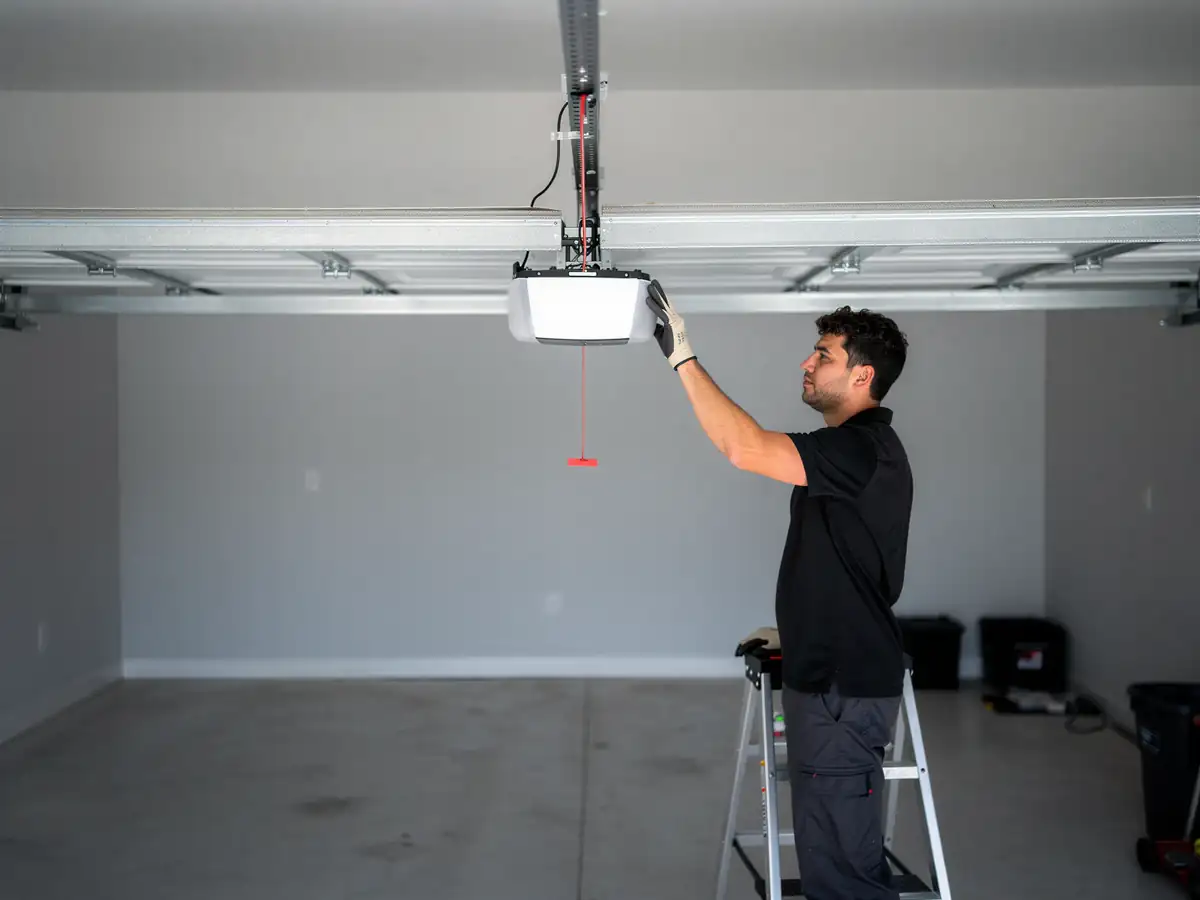
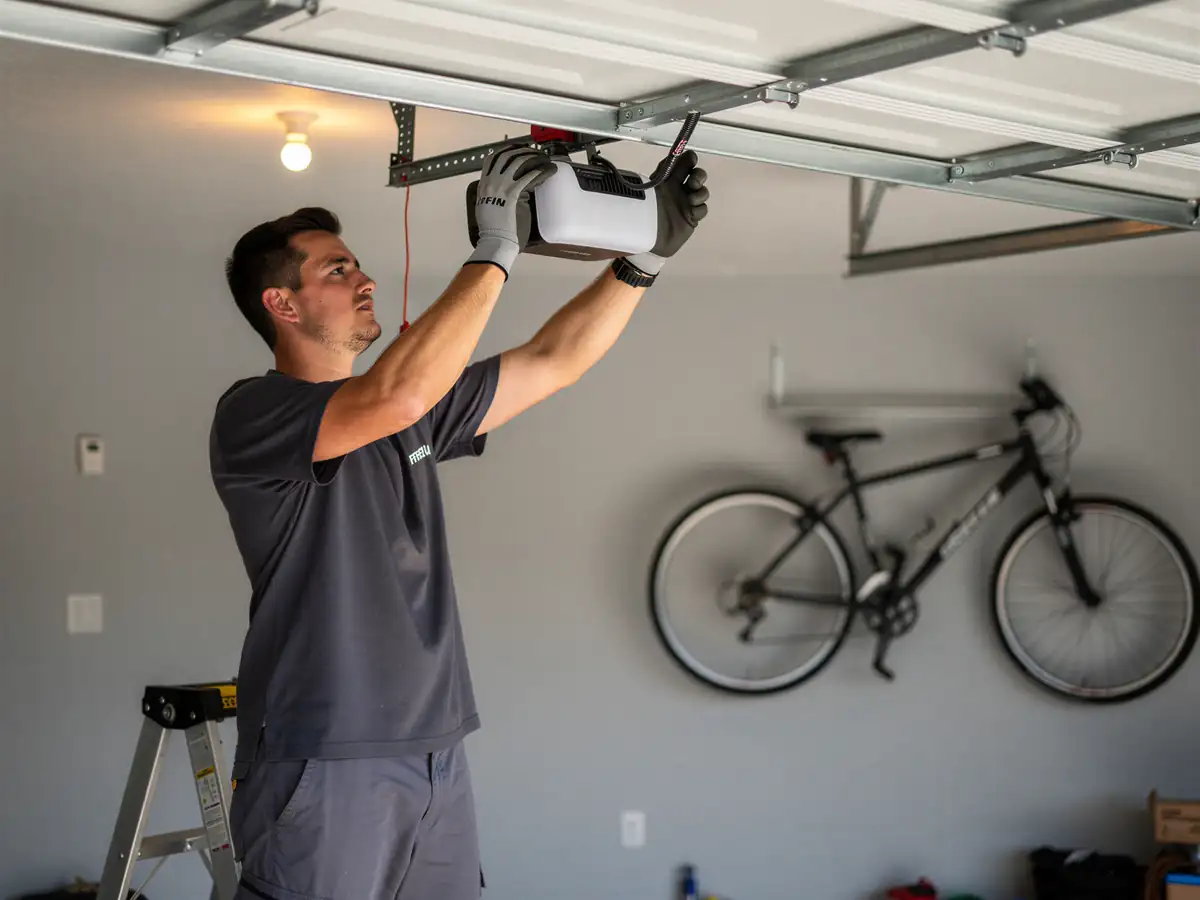
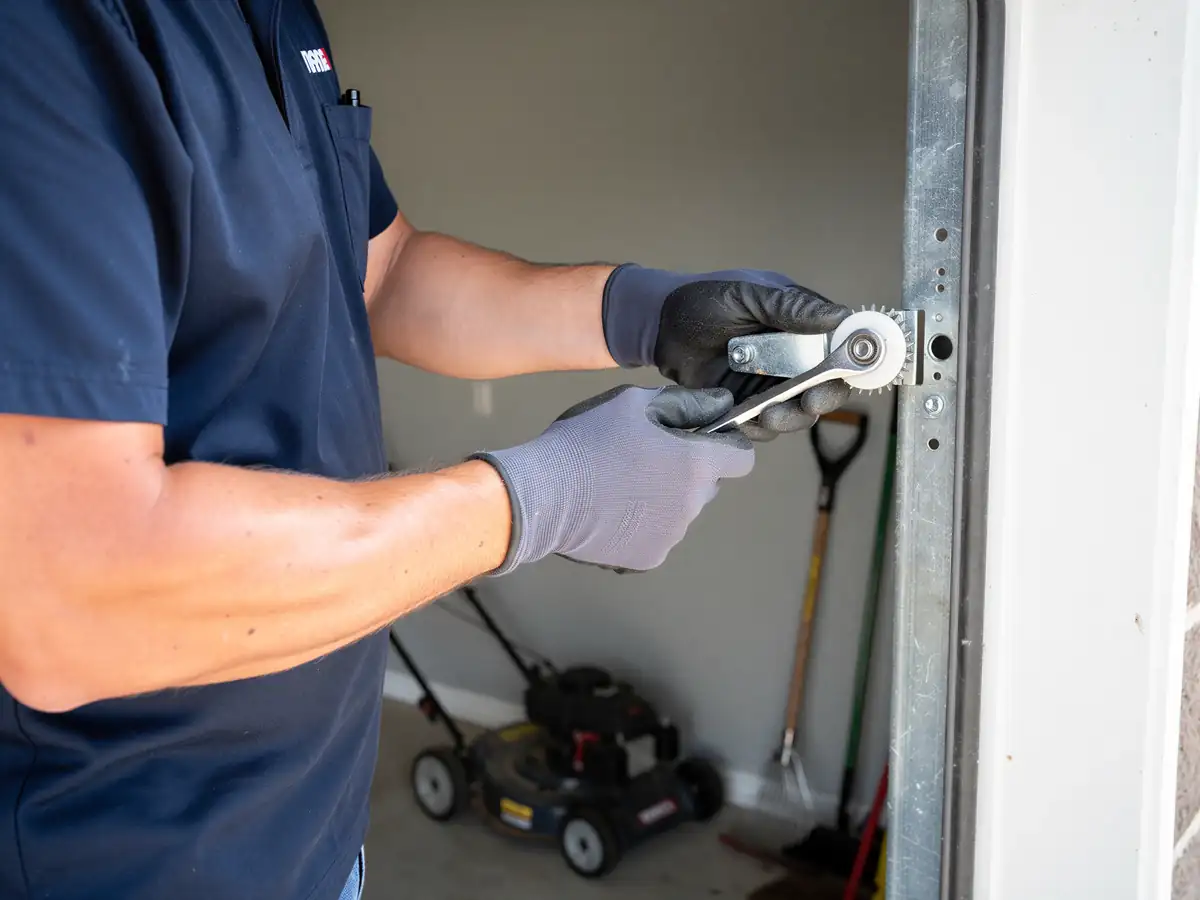
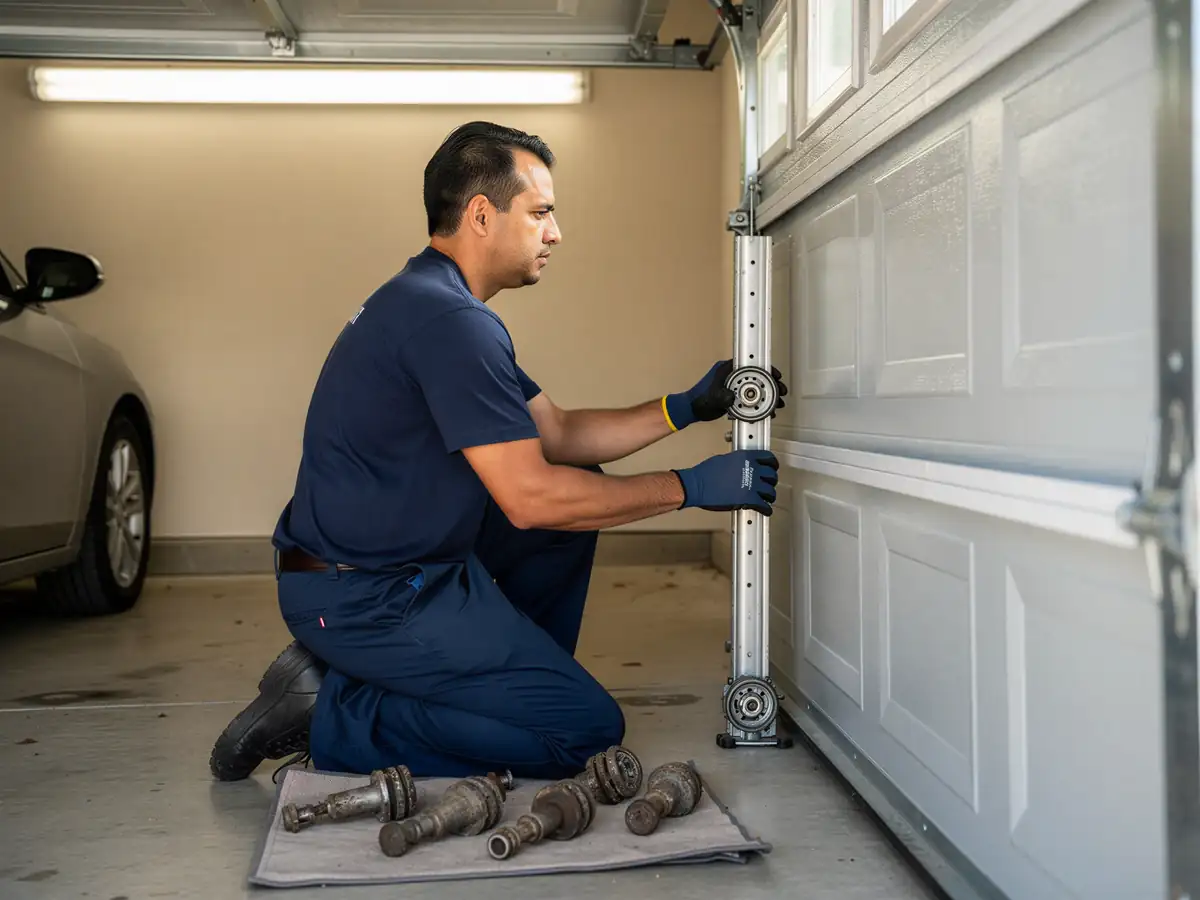
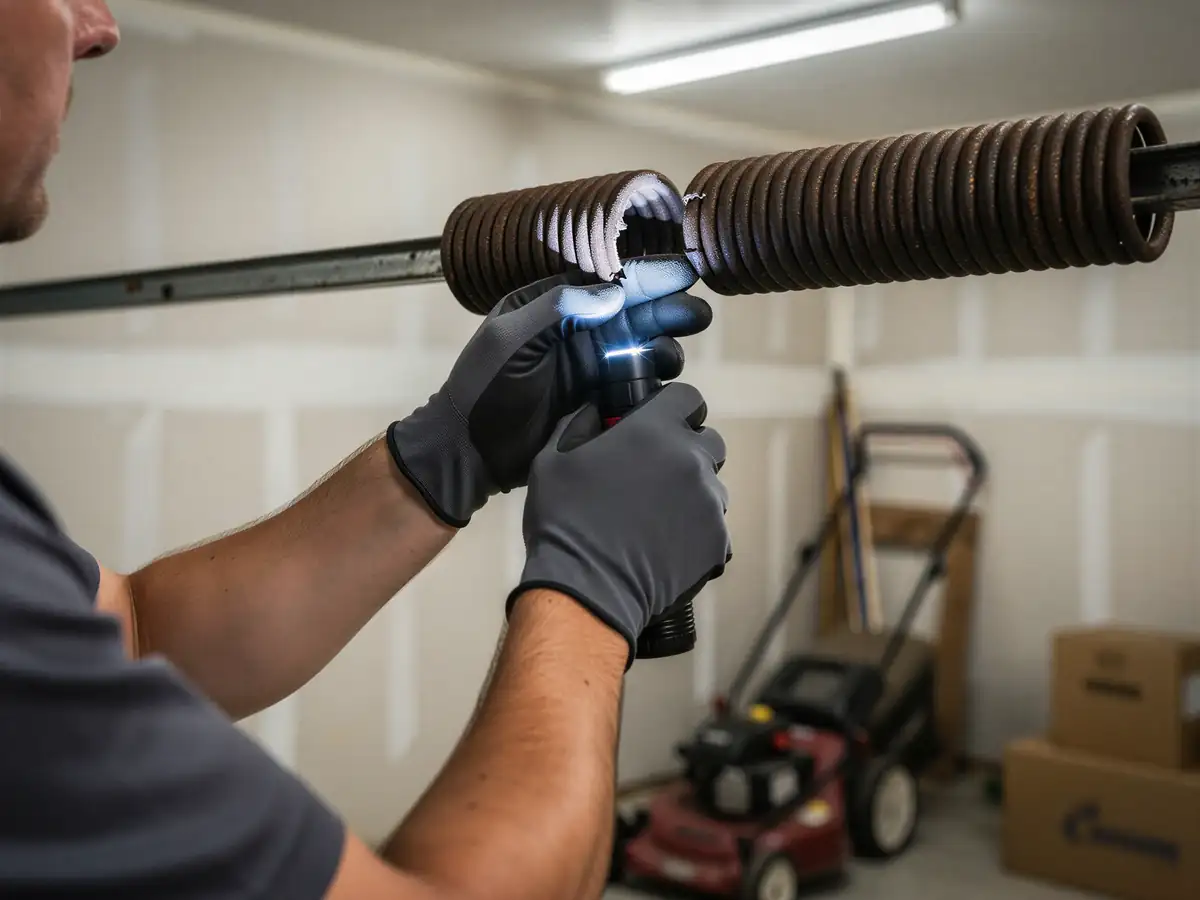
The housing stock in our service area was built mostly between 1964 and 2011, with the median house going up around 1990. That's a wide spread, and it matters because it means we're not looking at one era of garage door hardware - we're looking at three or four generations of it on back-to-back calls. A house from the mid-60s or 70s might still have its original extension springs mounted along the track, parts that are simple but wear differently than the torsion springs standard on anything built after the 80s. A 1990s-build, which covers a lot of the ground here, usually has torsion hardware and a steel sectional door that's aging into the window where rollers and cables start to go. On a service call we start by asking when the house was built, or just reading the door - the spring type, the track style, the opener generation - because that tells us what's likely to fail before we even open the panel up. Guessing wastes the homeowner's time and ours.
How Local Conditions Play In
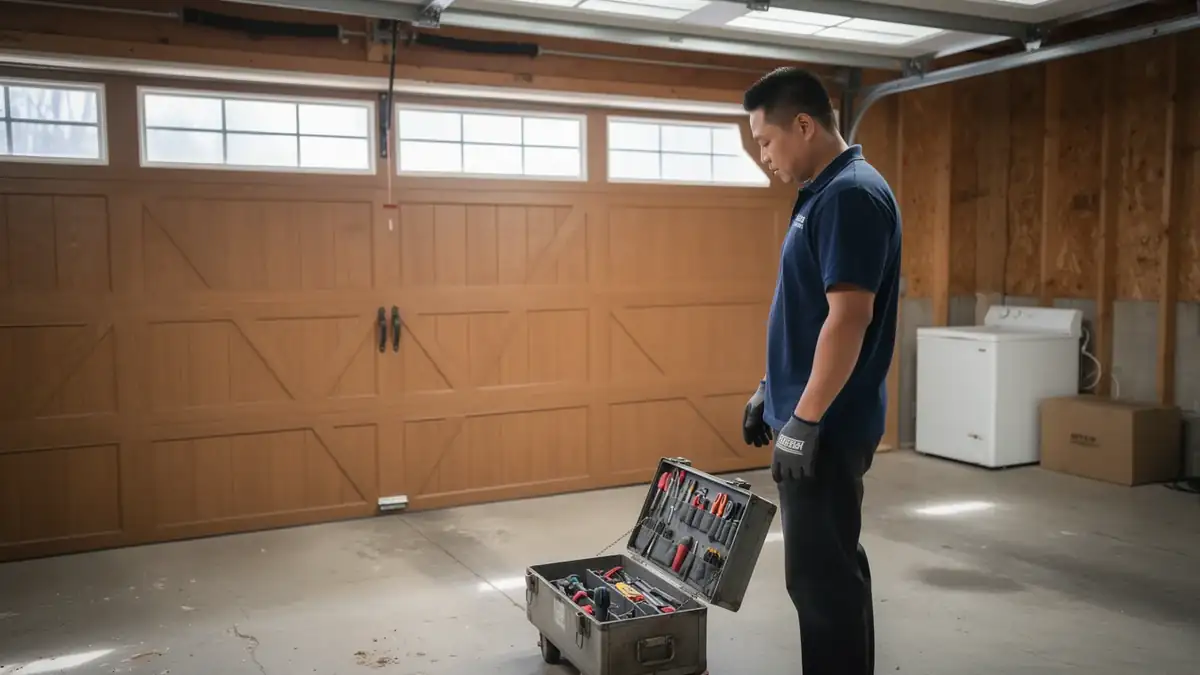
Across the fifteen named areas we work - from close in, out through Area/Sandfly, and the Historic Districts, to Georgetown, Garden City, Montgomery, Isle of Hope, Thunderbolt, Bloomingdale, Skidaway Island, Richmond Hill, Whitemarsh Island, Buckhead, Port Wentworth, Wilmington Island - the mix of 1980s and 90s builds is the common thread, even where the exact year varies block to block. That consistency is useful on a service call: it means the torsion-spring, steel-door setup is the default we expect to find, and anything older or newer gets flagged as a deviation worth a closer look. We don't treat a call in one of these areas any differently based on distance from the center of town - three miles out or twelve, the hardware era is the bigger factor than the drive.