Why This Fails Locally
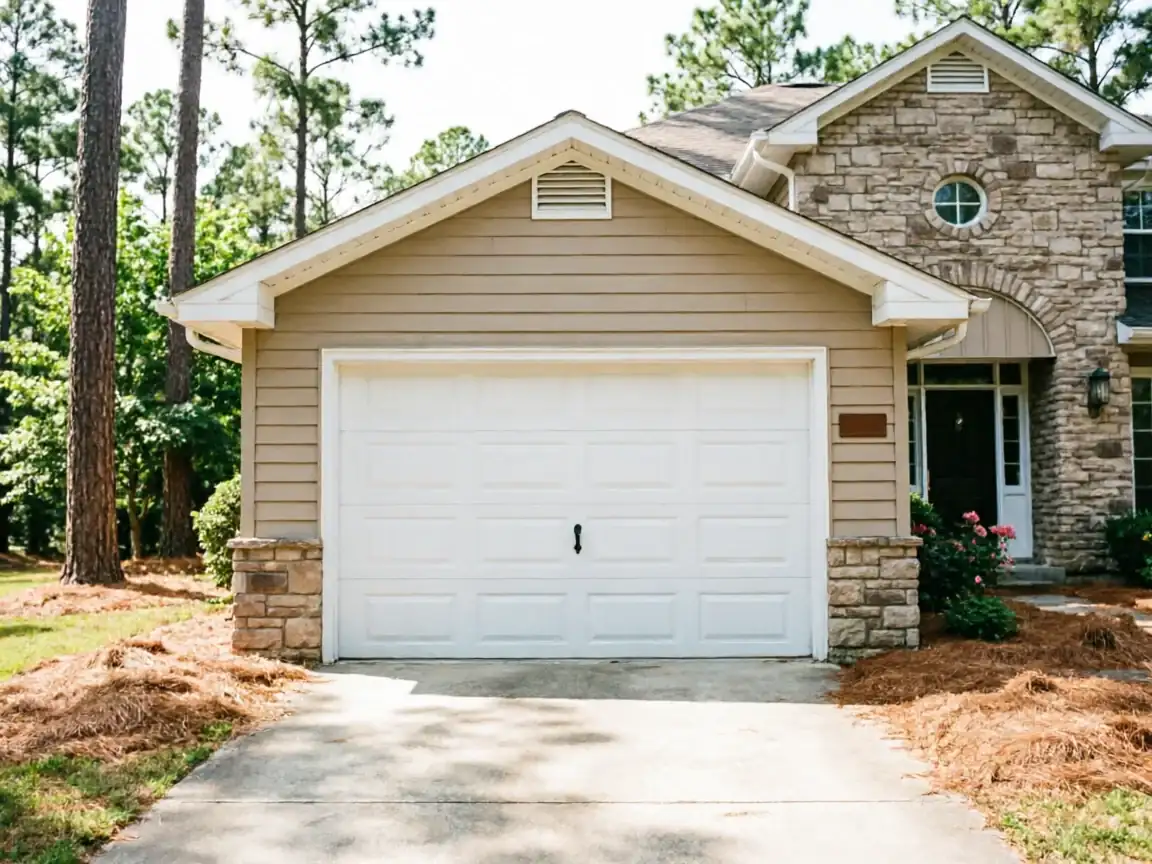
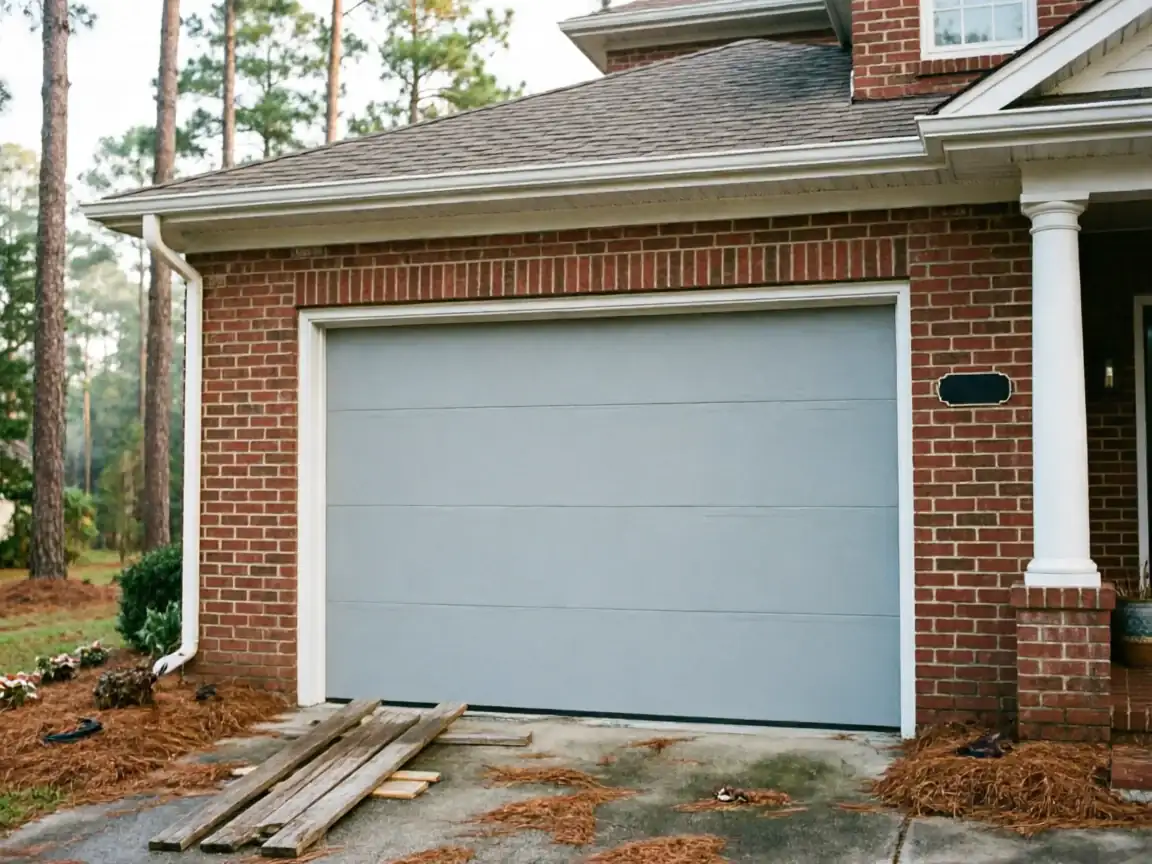
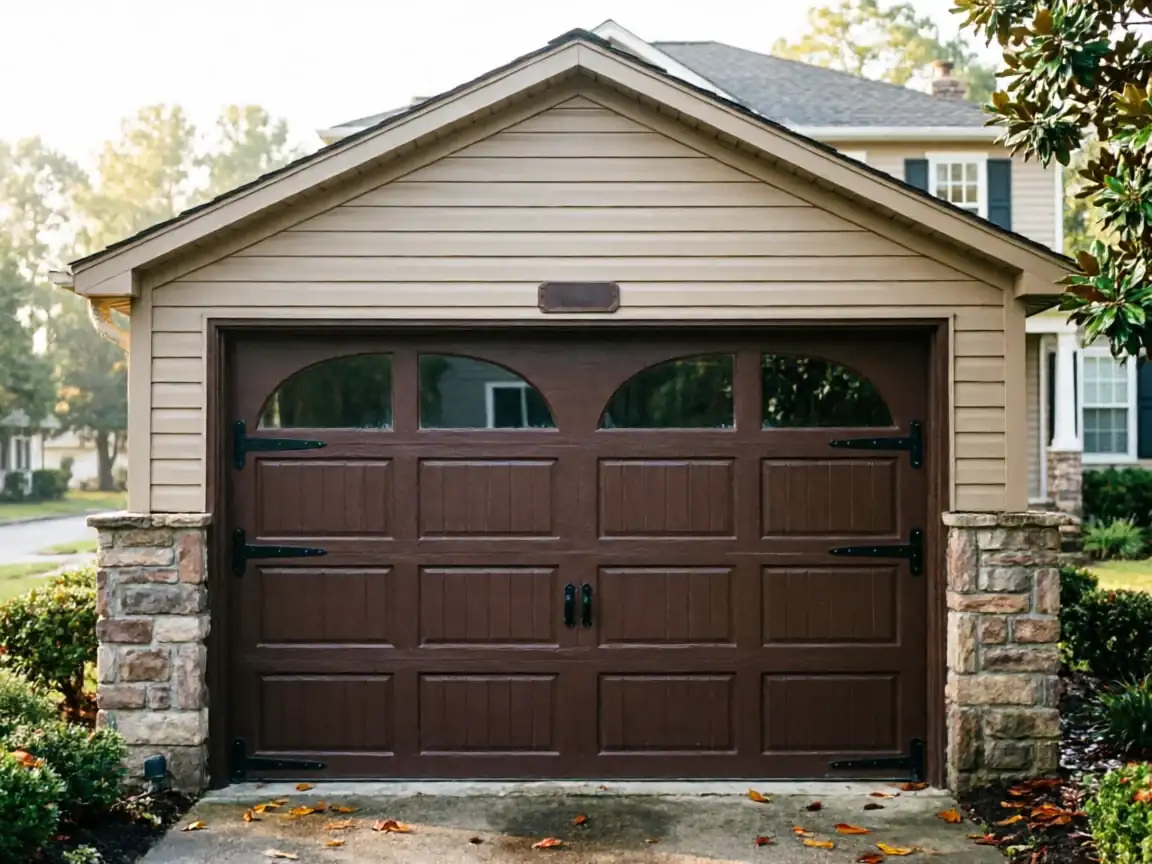
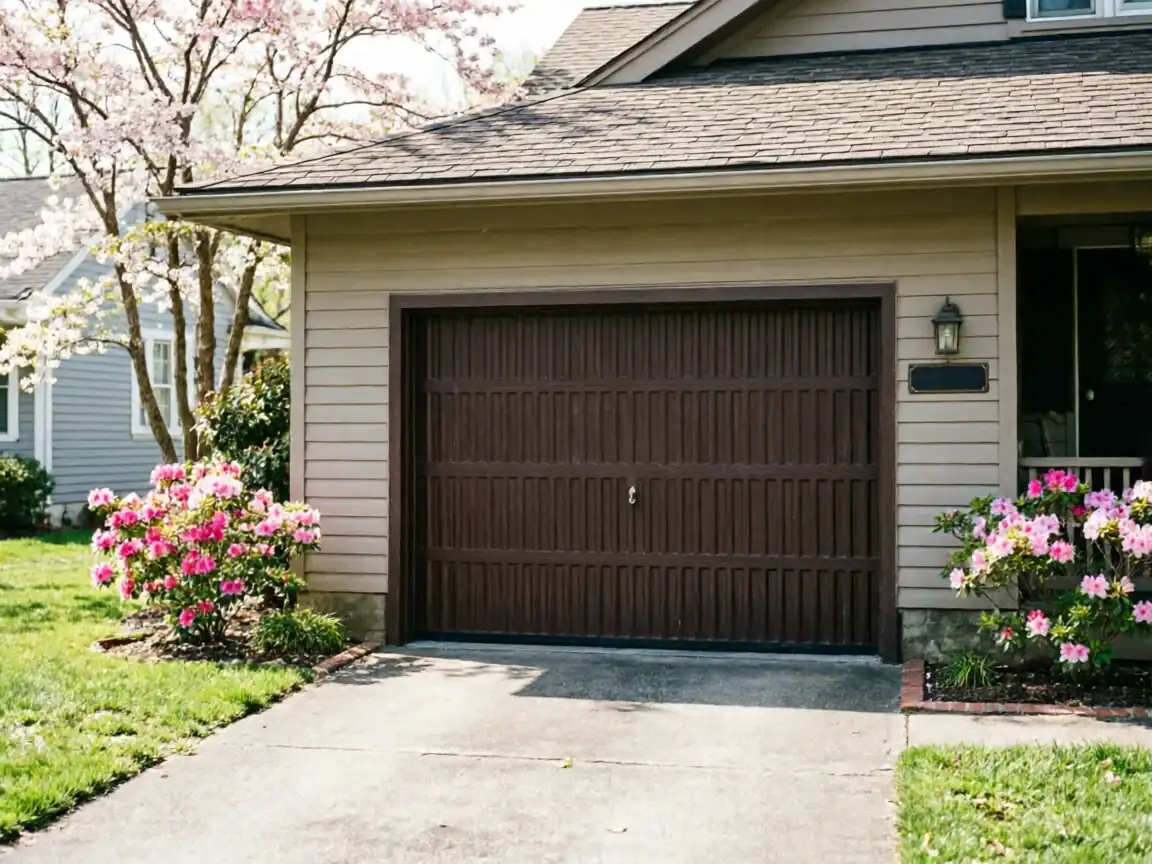
Most garage doors on Whitemarsh Island are steel sectional doors
Hung on the island during the build-out years around 1993, which runs a few years past the 1990 median for the wider Savannah area. These are mainly 16-foot double doors or 9-foot singles, stamped steel panels, with the original stamped-steel or galvanized ball-bearing rollers still in the track from the day the house went up. That's over thirty years of travel on the same hardware.
The climate here sits in the mild band with the occasional freeze
And that matters more for rollers than people expect. Steel rollers don't flex - they just wear a flat spot where they sit most of the time, usually at the bottom of travel where the door rests closed. You hear it before you see it: a grinding or a clunk every time the door opens, worse on the roller nearest the opener side where the pull is uneven. A rusted stem on an unsealed bearing is common too, since nobody's oiling hardware installed before anyone living there bought the house.
We don't see cracked nylon rollers here the way we do in newer subdivisions
Because most of what's original on this island is steel, not plastic. That changes what we're actually replacing and what we quote.
What It Costs
We don't publish a flat number here because the job splits into two very different scopes. A full set of ten rollers on a double door costs more than swapping the two or three that are actually shot - and on original steel hardware from the early '90s, it's common to find only the bottom four worn while the rest still roll fine. We check all ten before quoting anything.
The other variable is what the roller rides in. If the track itself is bent or the rail has pulled away from the jamb - not unusual after three decades - rollers alone won't quiet the door down, and we tell you that up front rather than sell a roller job that won't fix the noise. Replacement rollers, whether steel or an upgrade to sealed nylon, are a small part of a service call compared to spring or opener work, which is the honest reason most homeowners here bundle it with a tune-up instead of calling for rollers alone.
How We Fix It
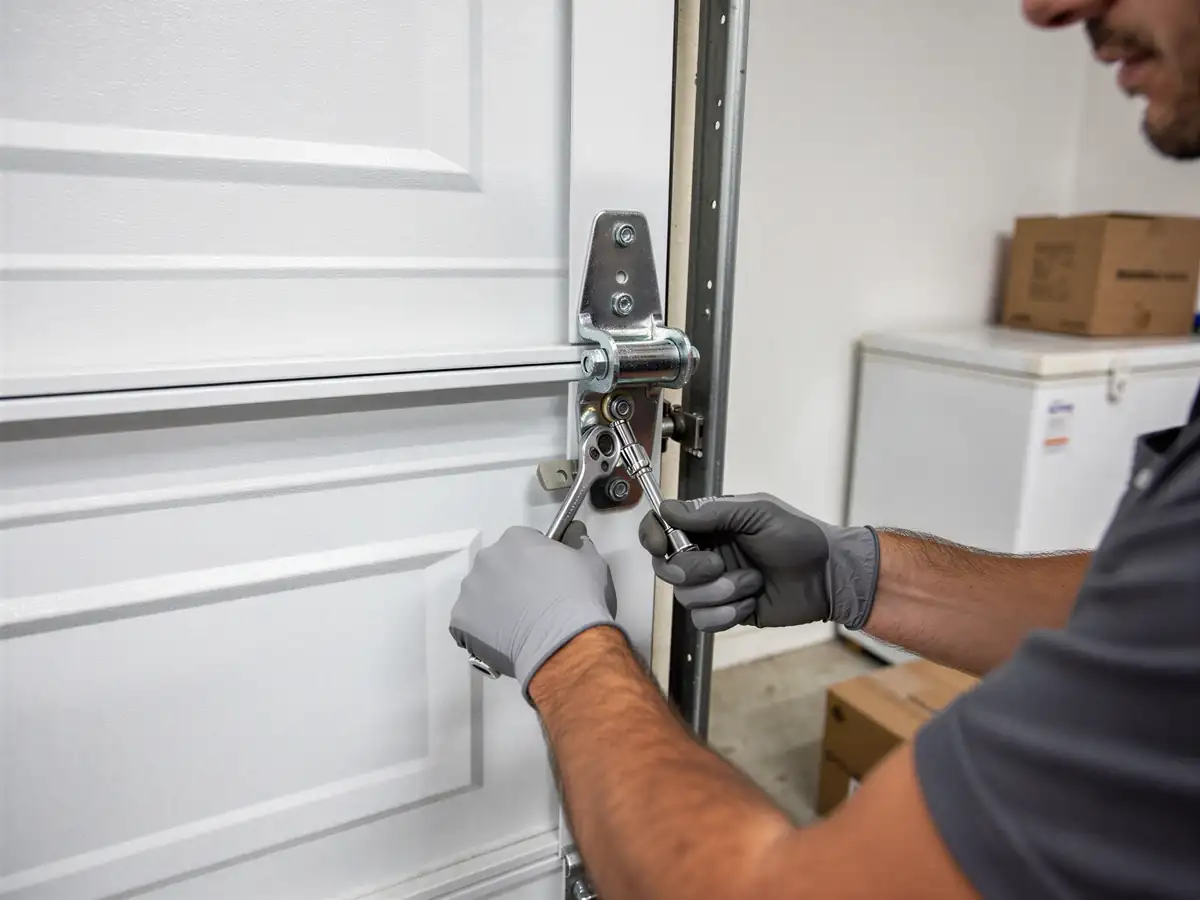
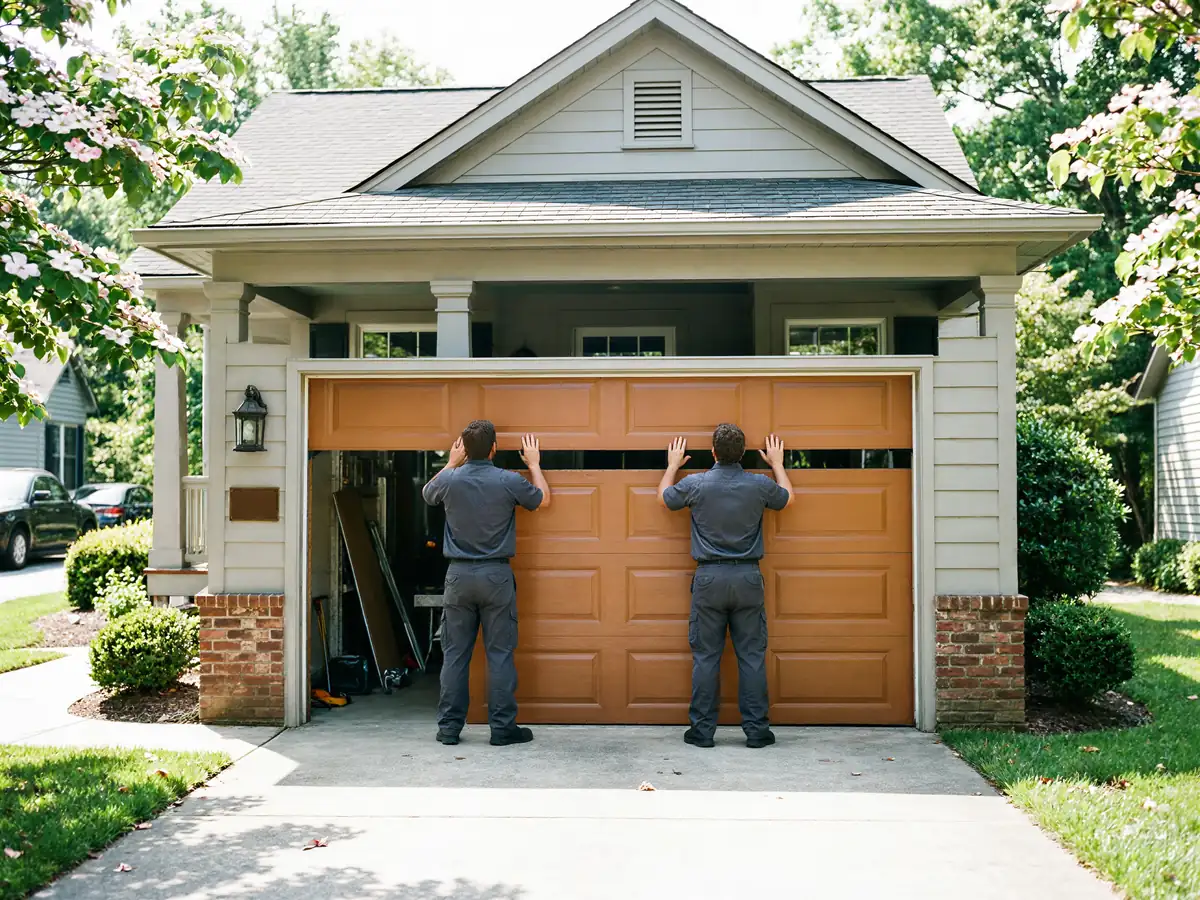
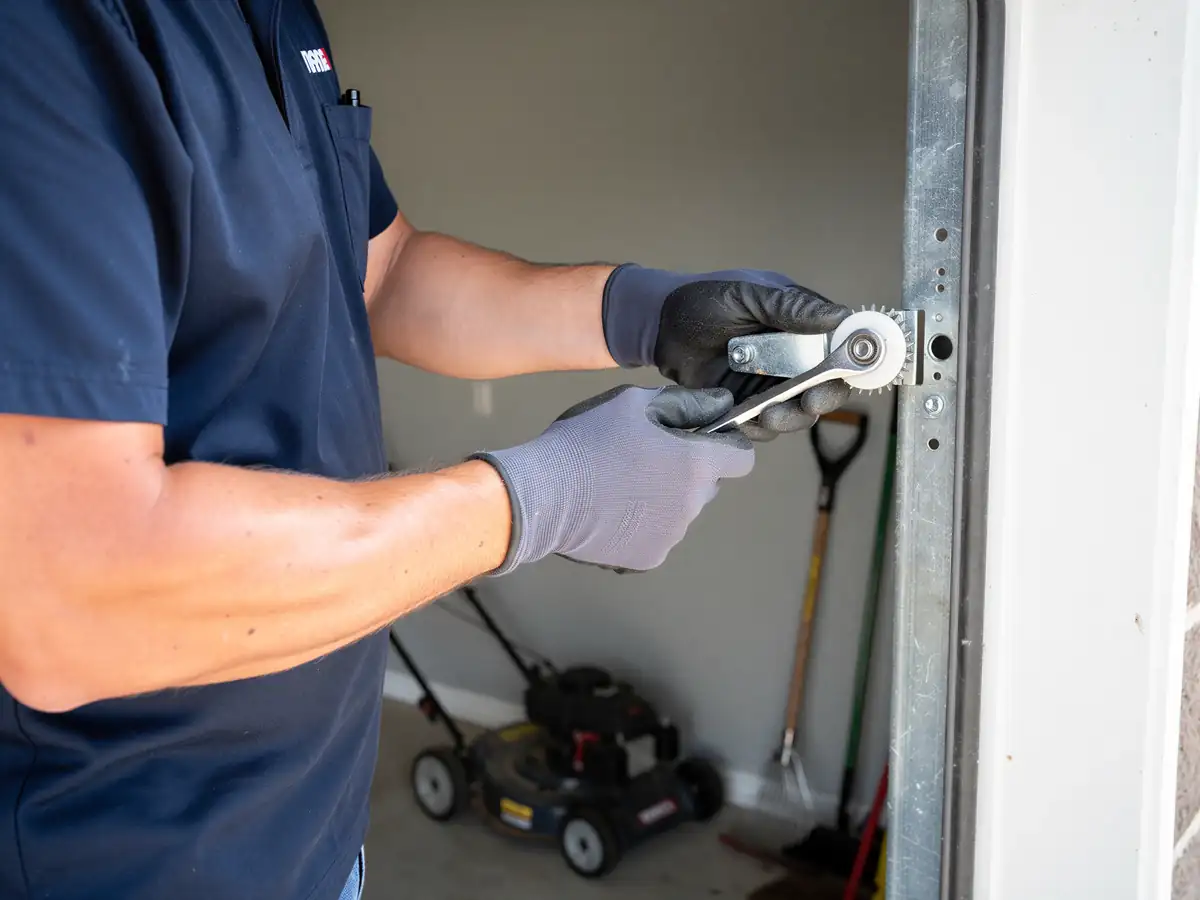
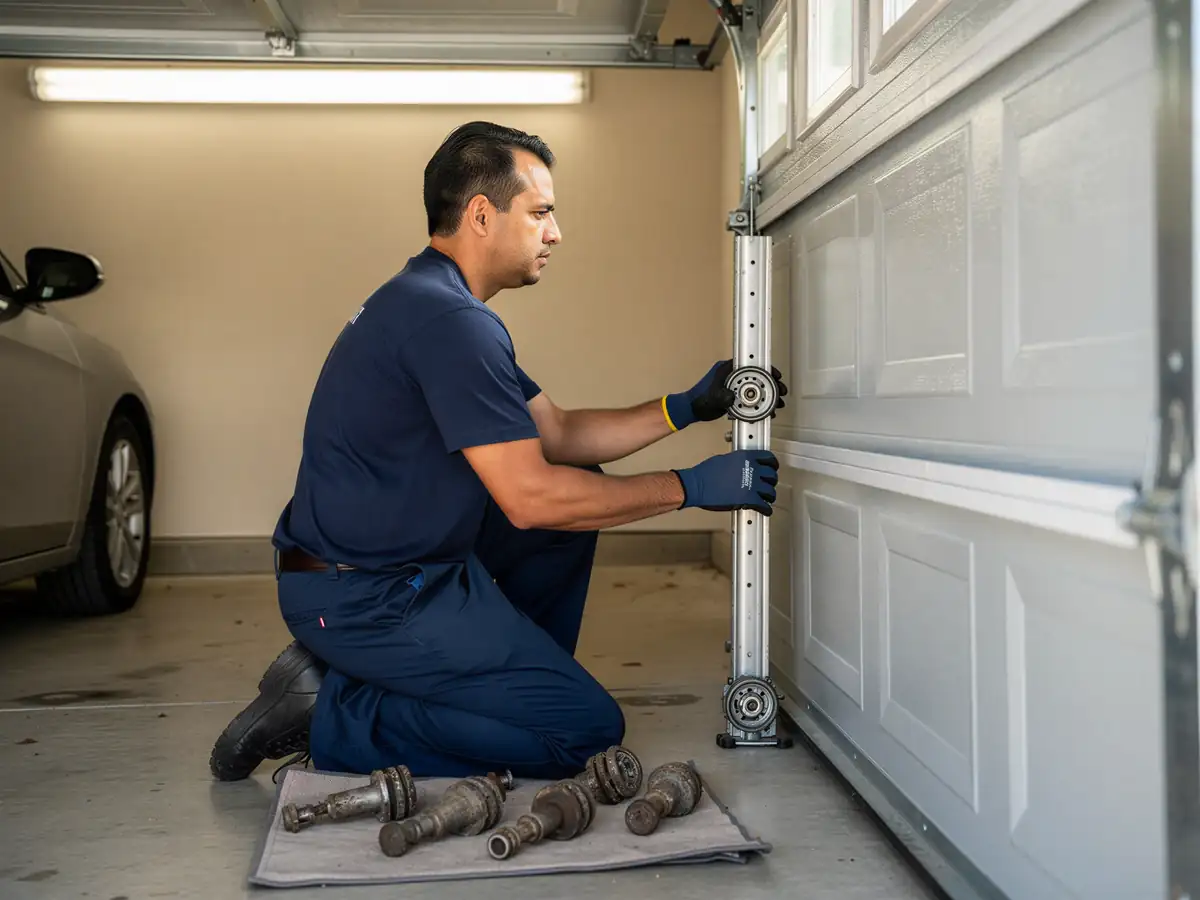
We start by running the door by hand with the opener disconnected, watching each roller through a full cycle. On a door built around the early '90s, we're usually looking at ten original rollers - four per side plus the top roller - and we mark which ones are worn, which are rusted at the stem, and which are fine.
For Whitemarsh Island's steel-roller stock, we typically swap to sealed nylon rollers with ball bearings. They run quieter, they don't need oiling the way the old steel ones do, and they won't flat-spot the same way after years of sitting in one position. We lubricate the track and hinges while we're in there, since the two are usually worn together on hardware this old.
One limitation worth saying plainly: if the track is bent from the roller riding rough for years, or the horizontal rail has sagged off its bracket, rollers get fixed alongside track work, not instead of it. Swapping rollers into a bad track just buys you a few quiet months before the noise comes back.
What Is on the Truck
For roller calls out to Whitemarsh Island
About 11 miles from our shop in Savannah, we carry the common roller stem lengths and both 2-inch and 3-inch wheel sizes, since early-90s doors on the island mix both depending on who built the house. We stock sealed 11-ball bearing nylon rollers as the standard upgrade, along with a run of steel rollers for anyone who wants to match original hardware rather than switch.
- 11 miles
We also bring track brackets, lag screws, and a level
Because a roller swap on hardware this age almost always turns into a quick track-alignment check too. We don't carry every custom panel width, so if the island has an unusual door size from an older custom install, that's a return trip rather than a same-visit fix - better to tell you that than pretend every truck carries every part.