Why This Fails Locally
Start with the number that actually shapes the call here
Median household income on Whitemarsh Island runs $113,250, well above the $86,500 figure for the wider Savannah service area. That changes the math on a 2 a.m. spring failure. A homeowner here is less likely to live with a door that won't open and more likely to want it fixed right the first time, even if that means replacing hardware instead of patching it.
The houses themselves tell the other half of the story
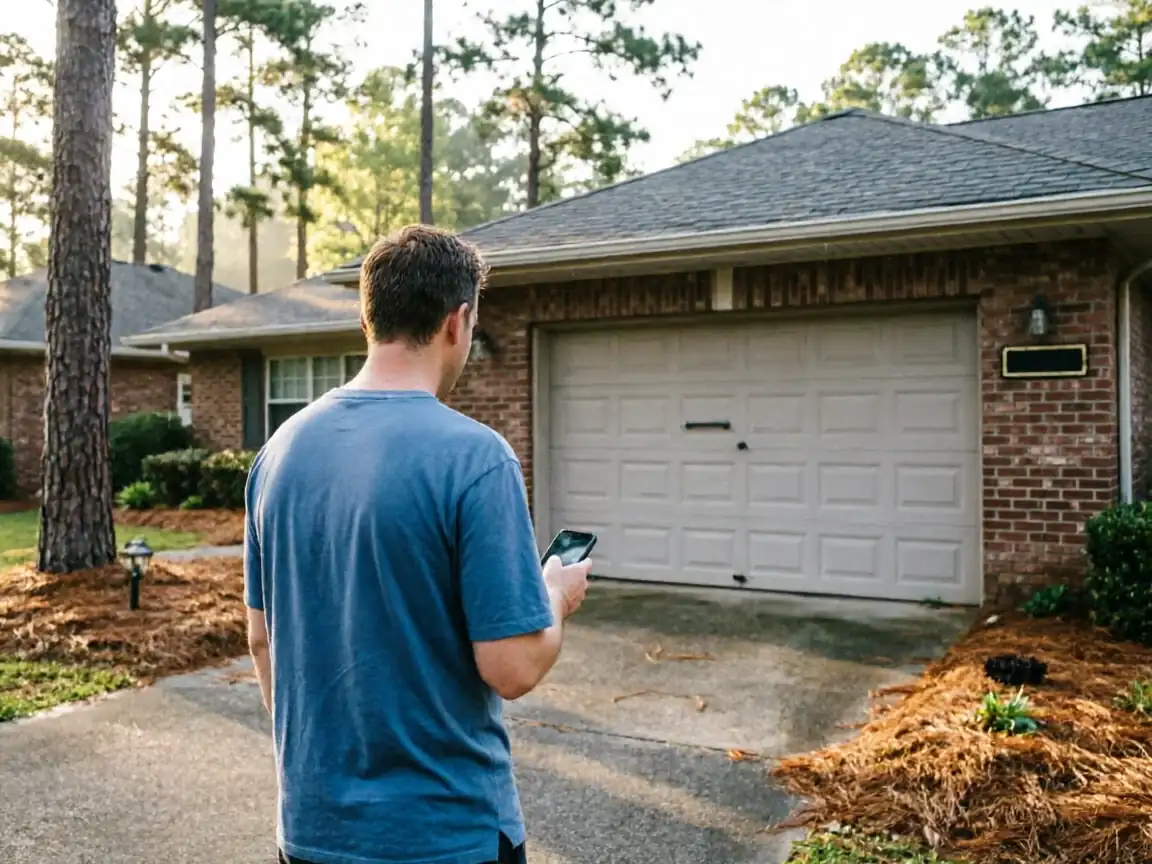
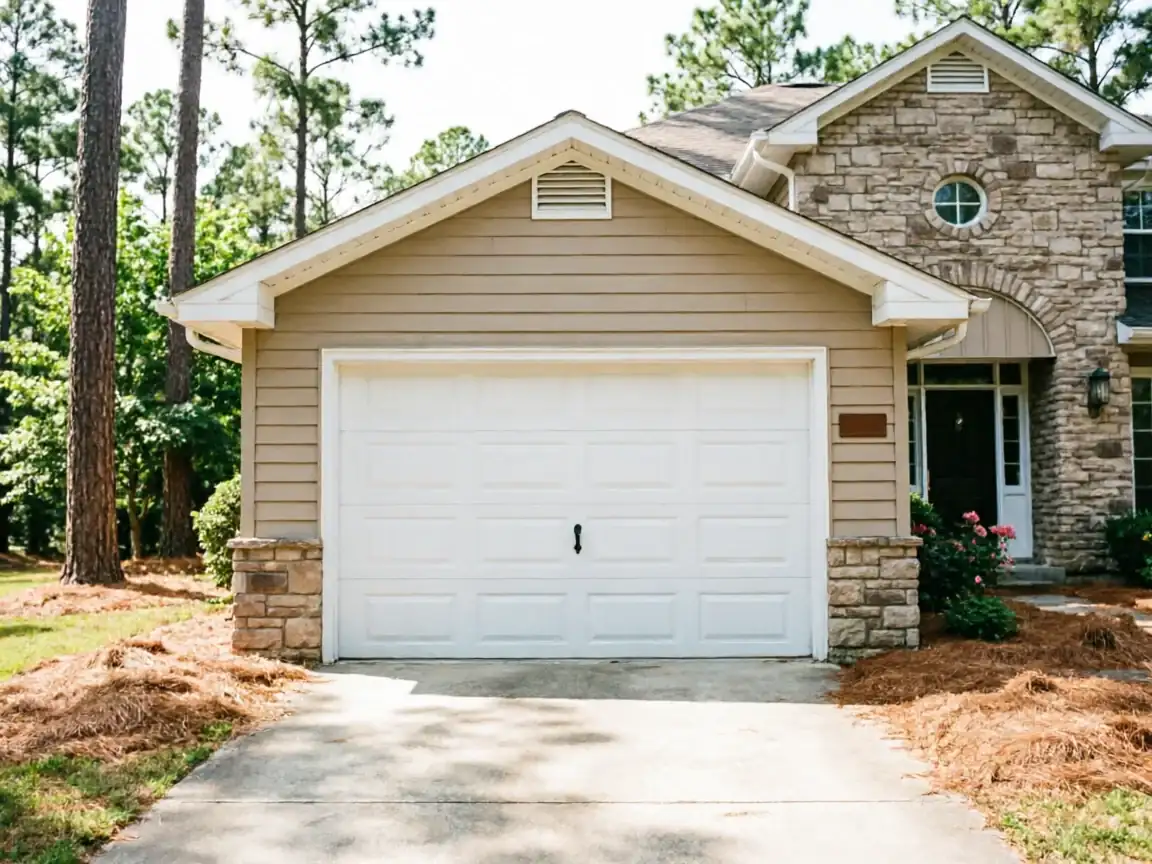
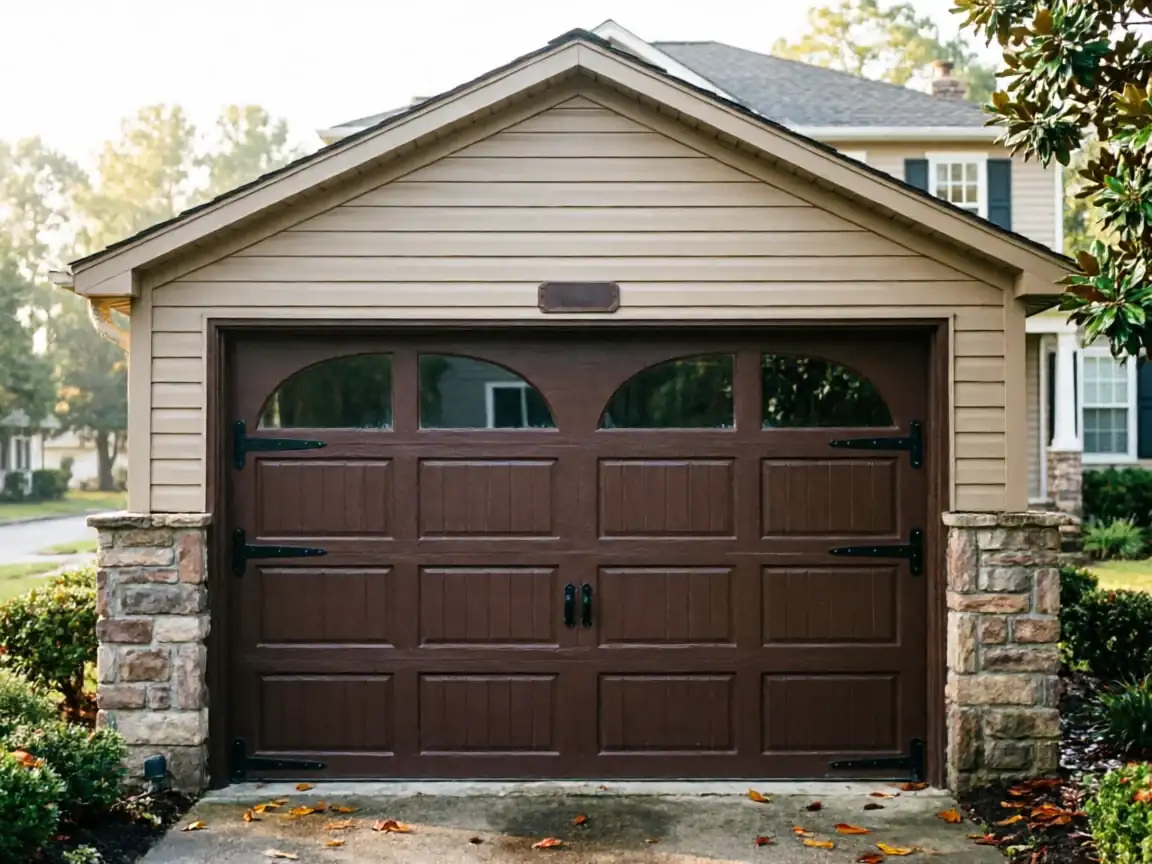
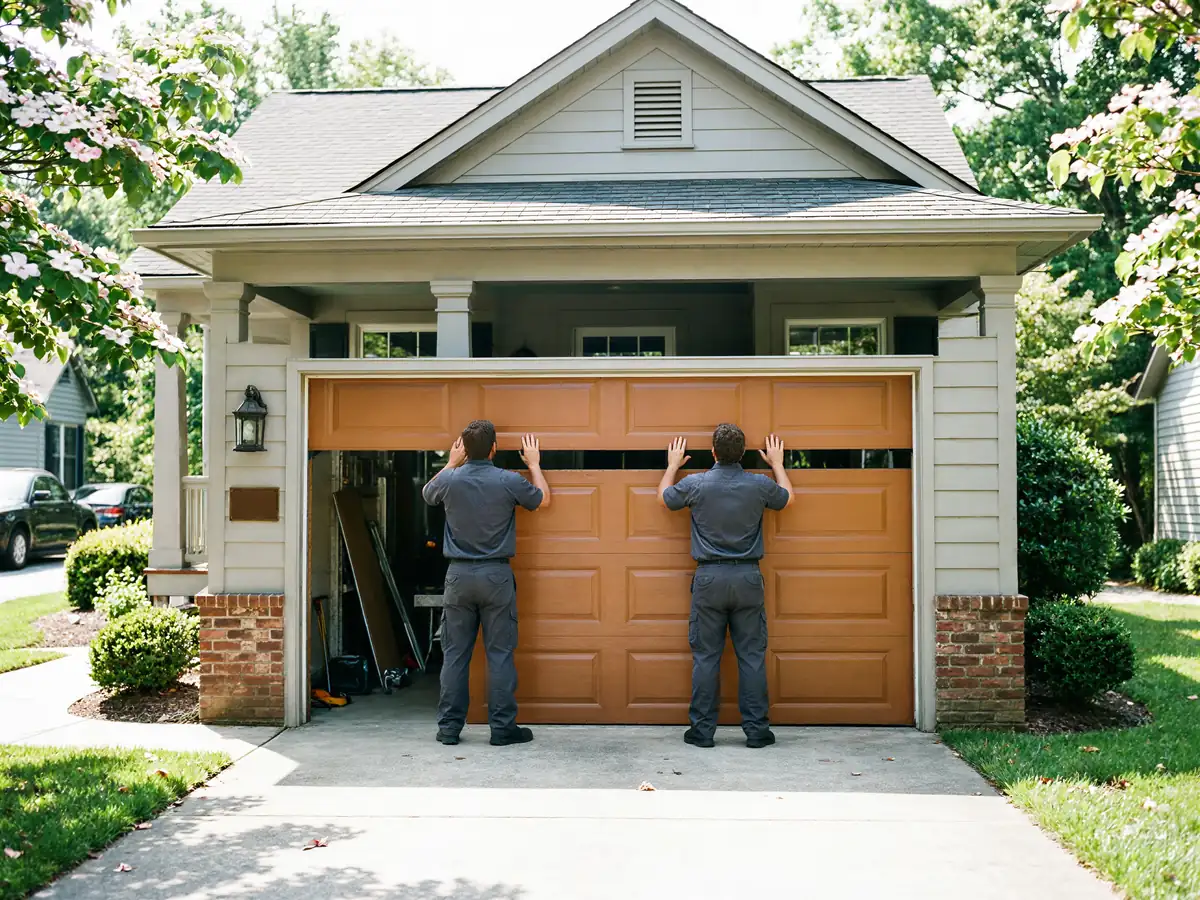
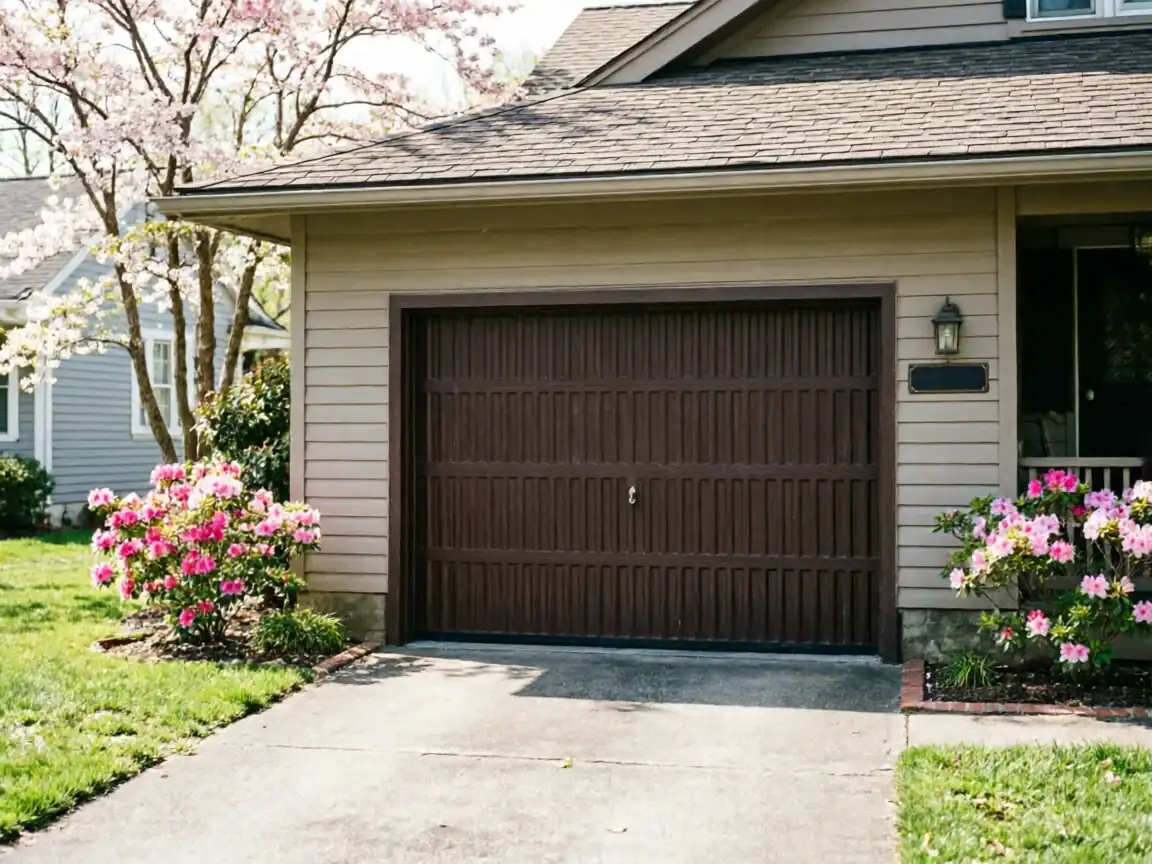
The median build year on the island is 1993, which puts most garages at the tail end of the 1980s-90s construction wave that shaped much of this service area. That era means extension or torsion springs rated for lighter doors, openers from a generation before today's safety-sensor standards, and track hardware that's held up fine for thirty years right up until the night it doesn't. With only 2,774 households on the island, it's also a smaller, more scattered call base than denser parts of the service area, which matters when a part has to come from the truck instead of a shelf next door.
- 2,774 households
Mild winters here mean the common break isn't a frozen track, it's fatigue
A spring or cable that's cycled tens of thousands of times since the early '90s and finally lets go.
What It Costs
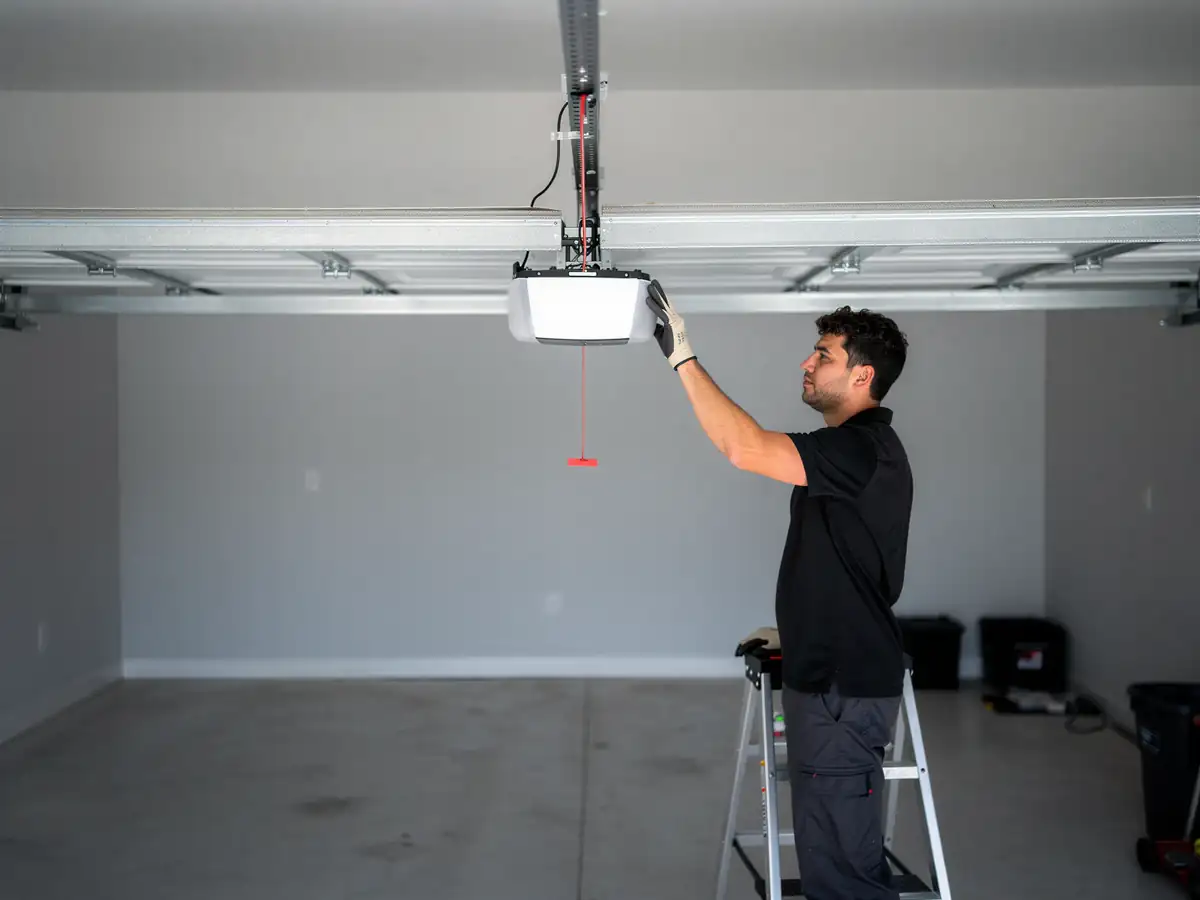
We don't post a flat number for emergency calls here because what breaks on a 1993-era door varies - a snapped cable job and a full spring replacement aren't priced the same. What we can tell you is how the decision usually goes at this income level: with a median household income of $113,250, most Whitemarsh Island owners choose to replace a tired opener or a cracked panel outright rather than nurse it along, because the cost difference between a patch and a permanent fix is smaller relative to the household budget than it is elsewhere in the service area.
The honest limitation: if a part for an older opener model is genuinely out of production, we'll tell you that on site rather than promise a repair that won't hold. Sometimes the right call is a new opener, not a rebuilt one.
How We Fix It
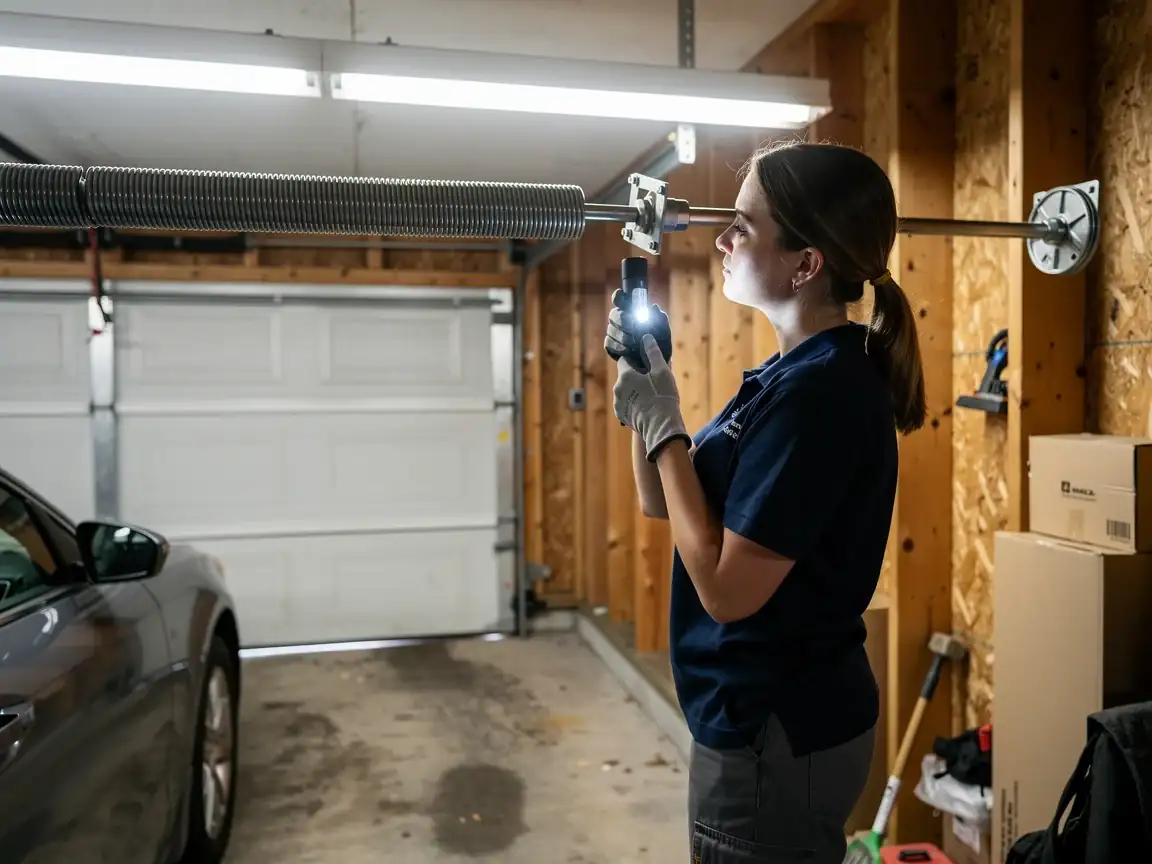
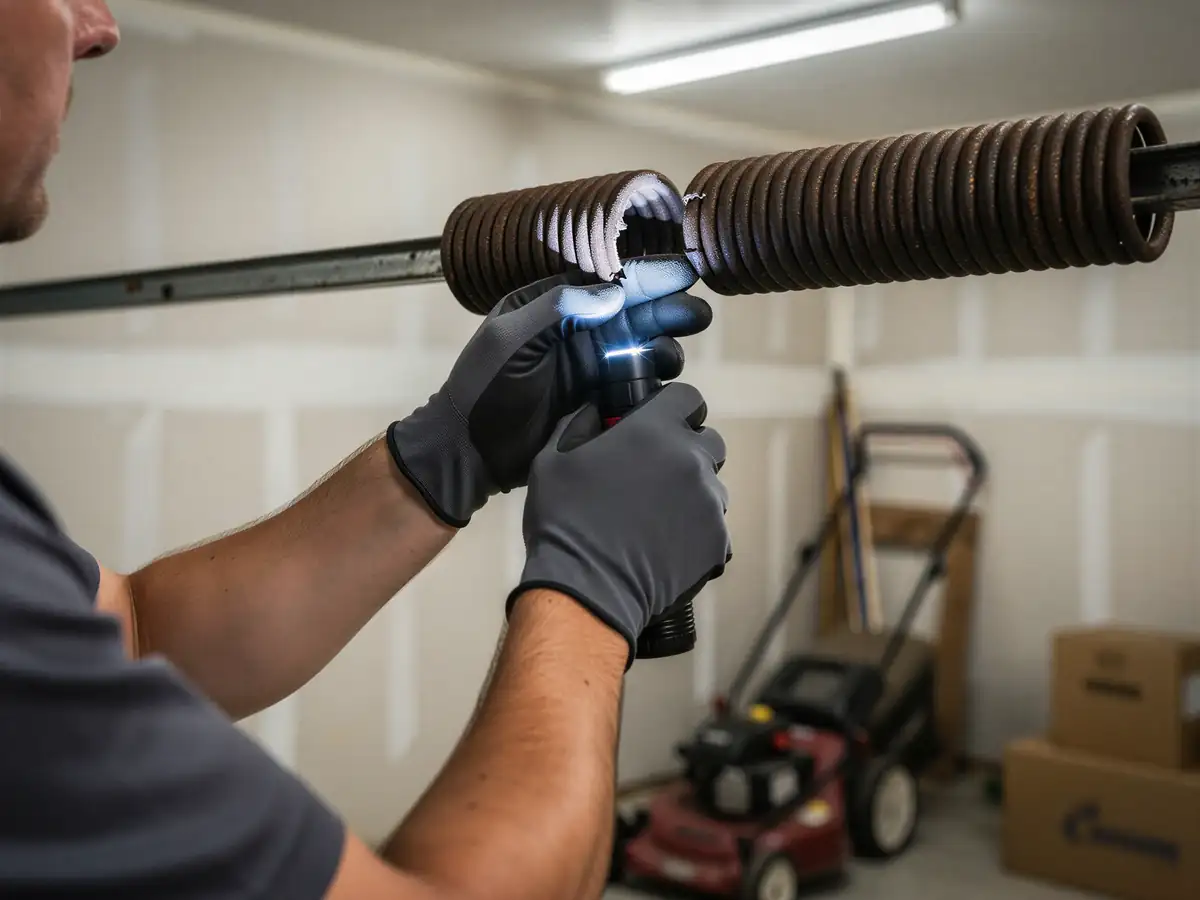
We work from Savannah, about 11 miles away, so the diagnosis starts on the phone - what the door is doing, what it sounds like, whether it's a torsion spring over the header or an extension spring along the tracks, since both styles show up in houses from this era. That lets us load the right spring size and cable gauge before we leave, instead of guessing twice.
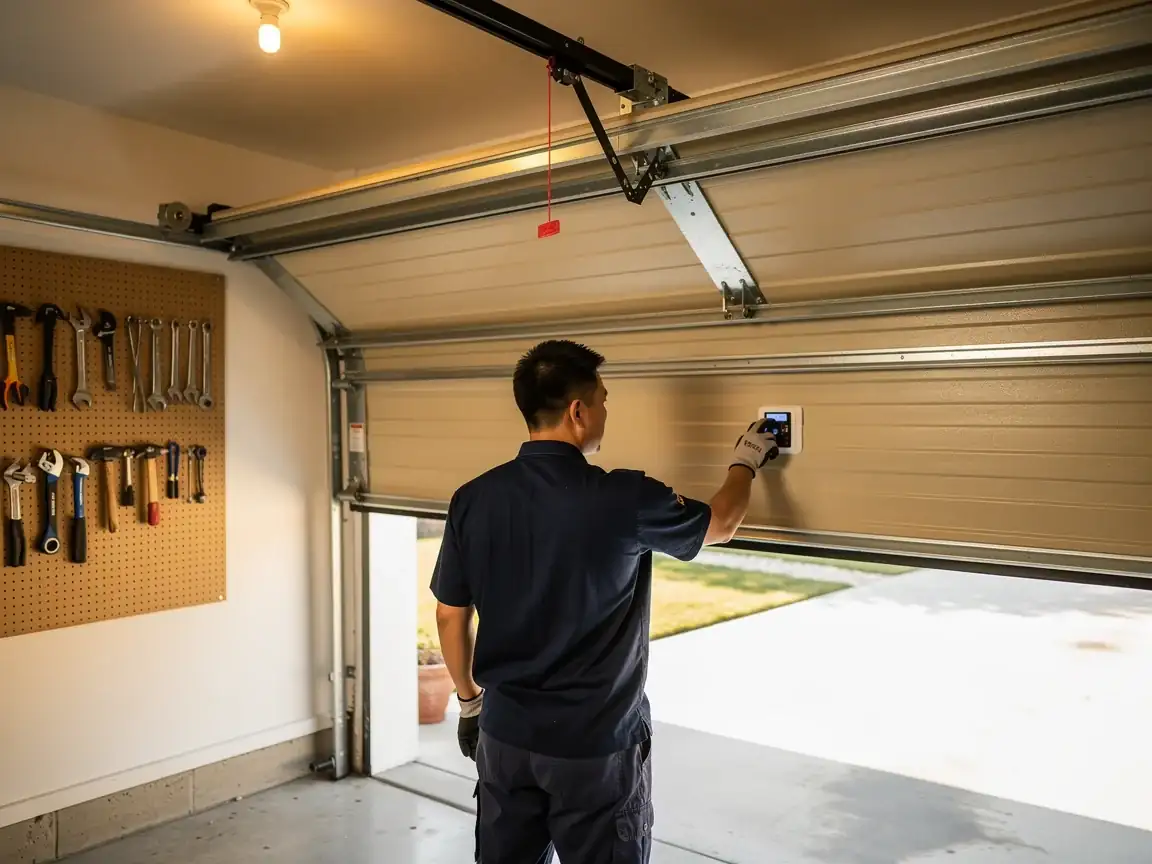
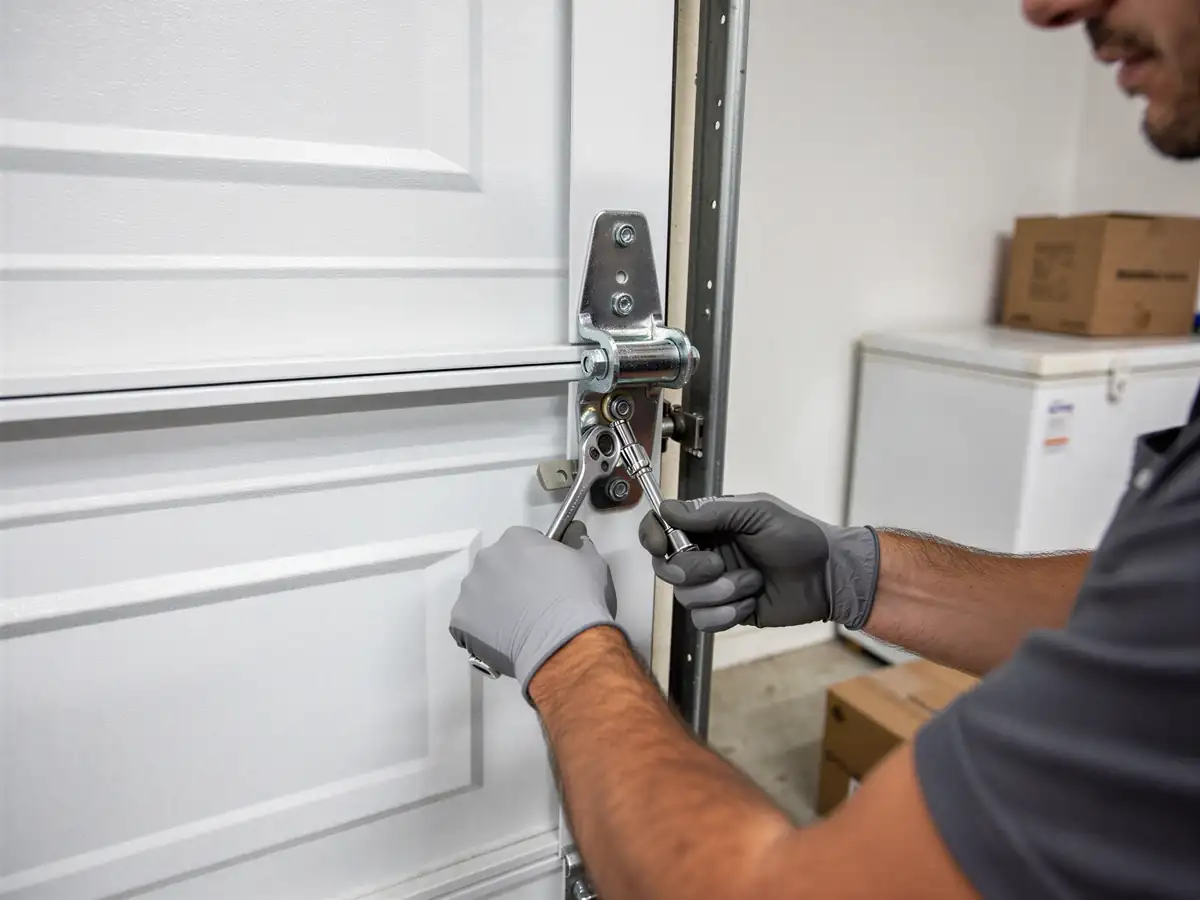
Once we're on site, the approach is the same whether it's a broken spring, a cable that's jumped the drum, or an opener that's stopped talking to its sensors: isolate the failure, confirm nothing else in the system is about to go with it, and fix the actual problem rather than the symptom. On a door this age, a spring failure often means the opposite spring isn't far behind, and we'll say so rather than send the same truck back out in a few months.
What Is on the Truck
For a service area where most doors date to the 1980s and 90s
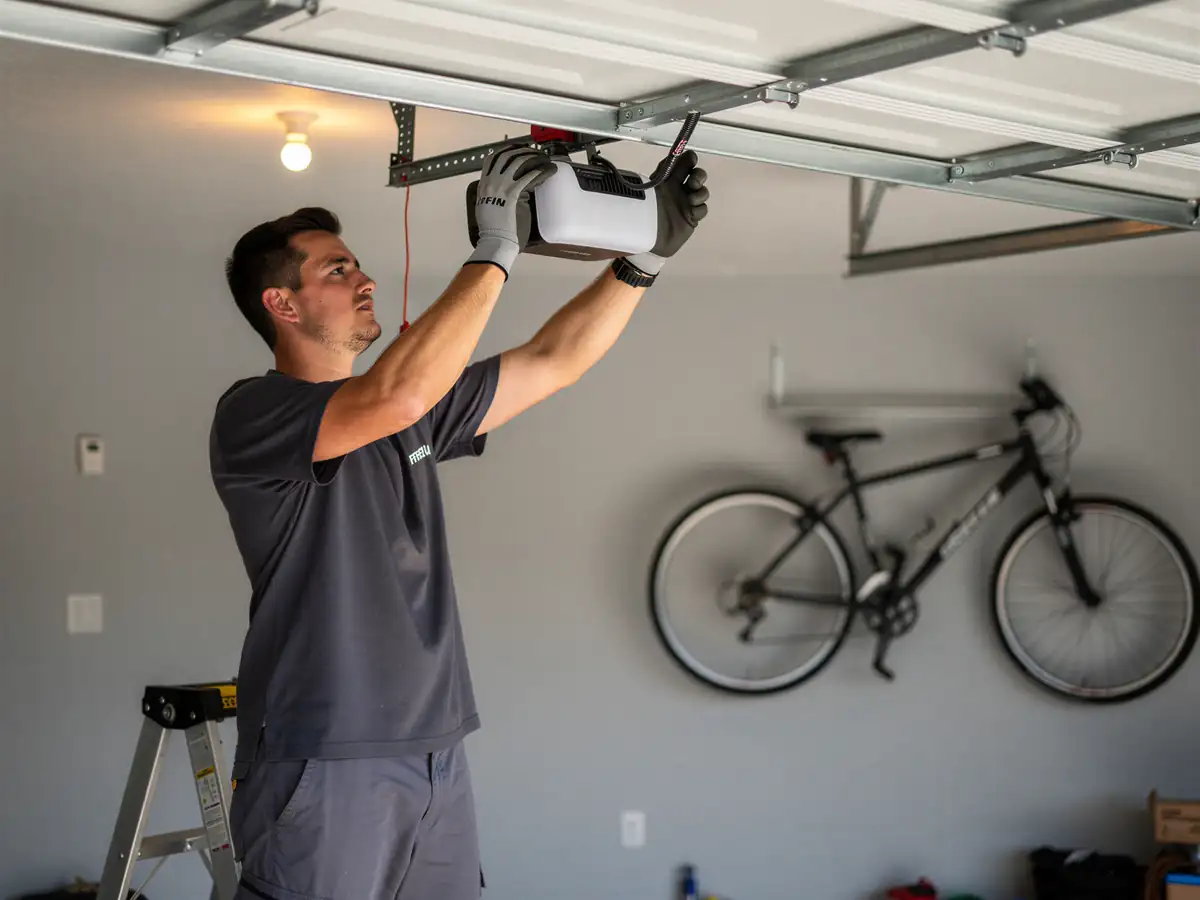
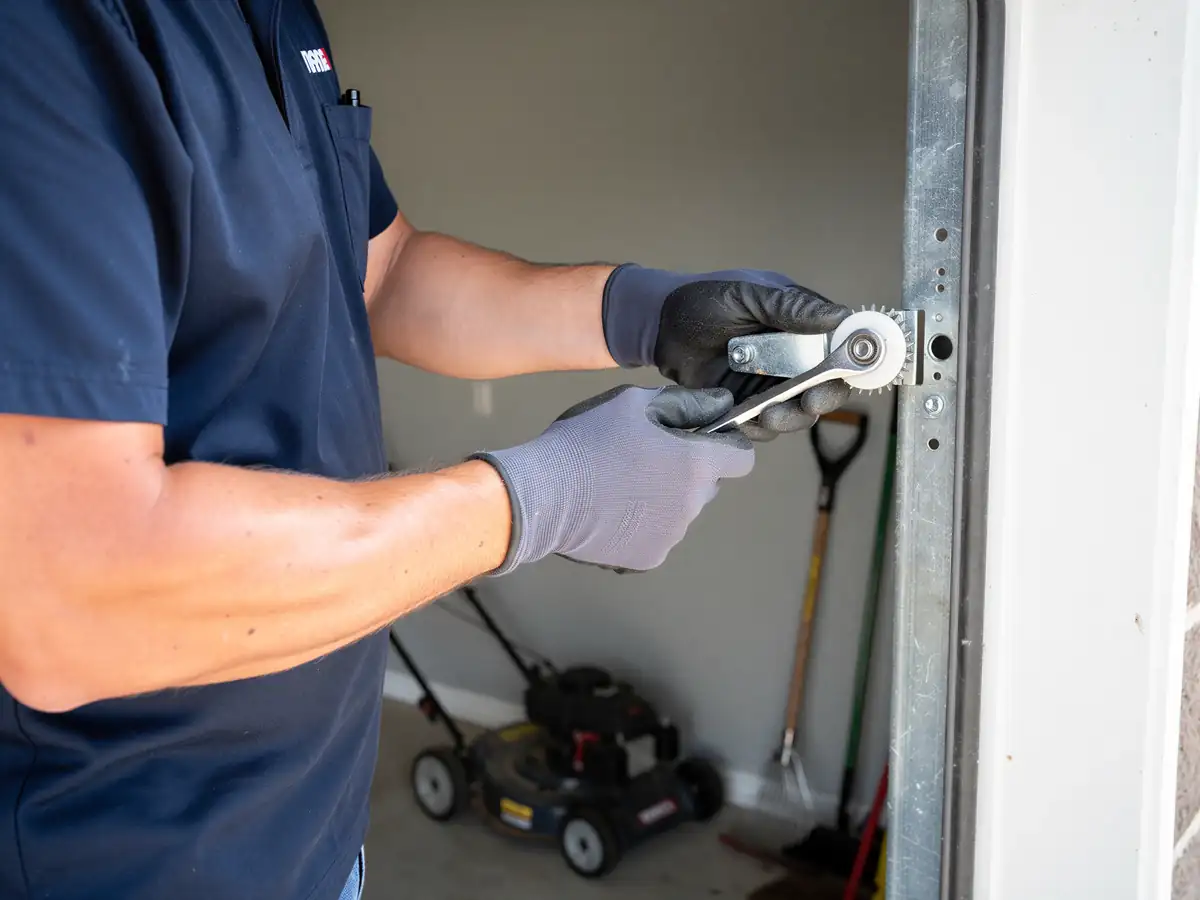
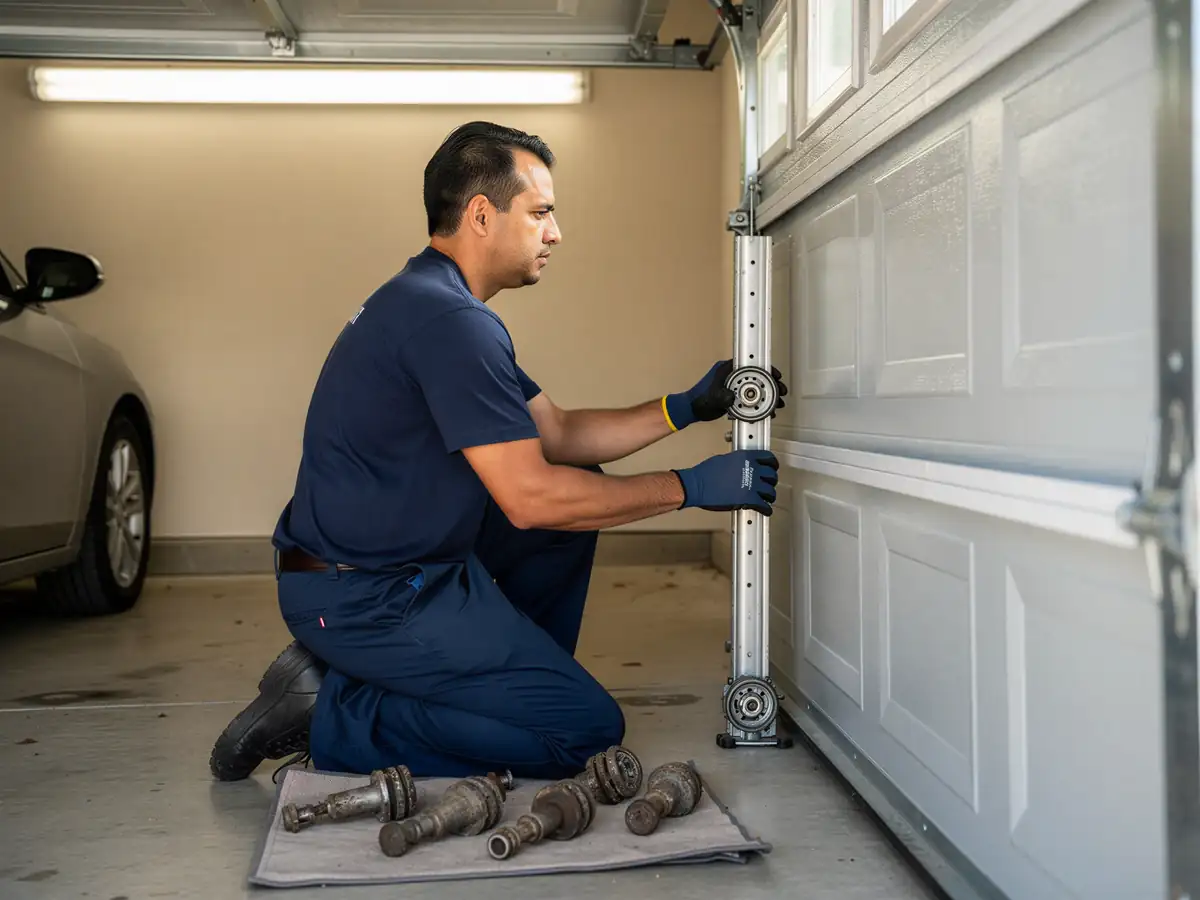
The truck carries torsion and extension springs across the common residential sizes, replacement cables, rollers, and the sensor and logic board parts that fail most often on openers from that generation. Given the 11-mile run from Savannah, we stock for the call before we leave rather than find out what's missing once we're on the island.
What we don't carry is every obsolete opener model ever sold
Some circuit boards from the early '90s simply aren't made anymore, and if yours is one of them, replacement is the honest answer, not a rebuild that won't last.