What It Costs
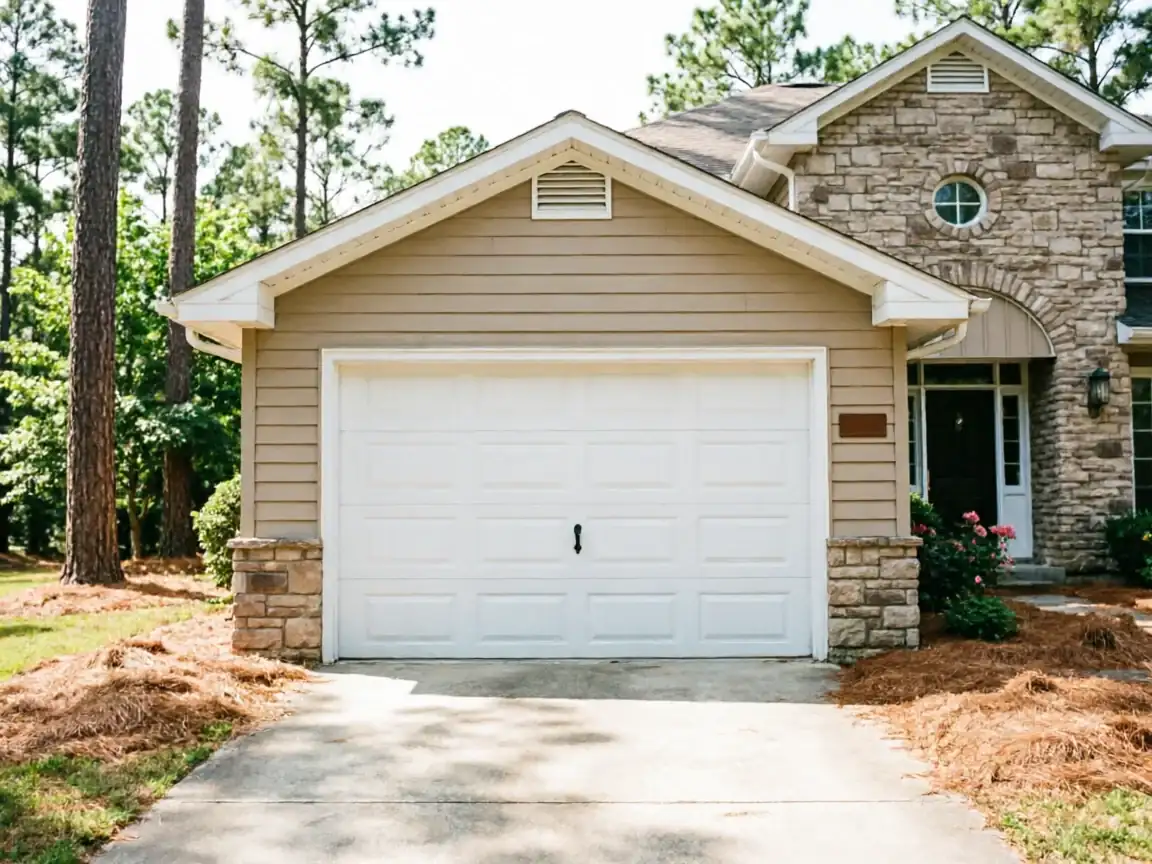
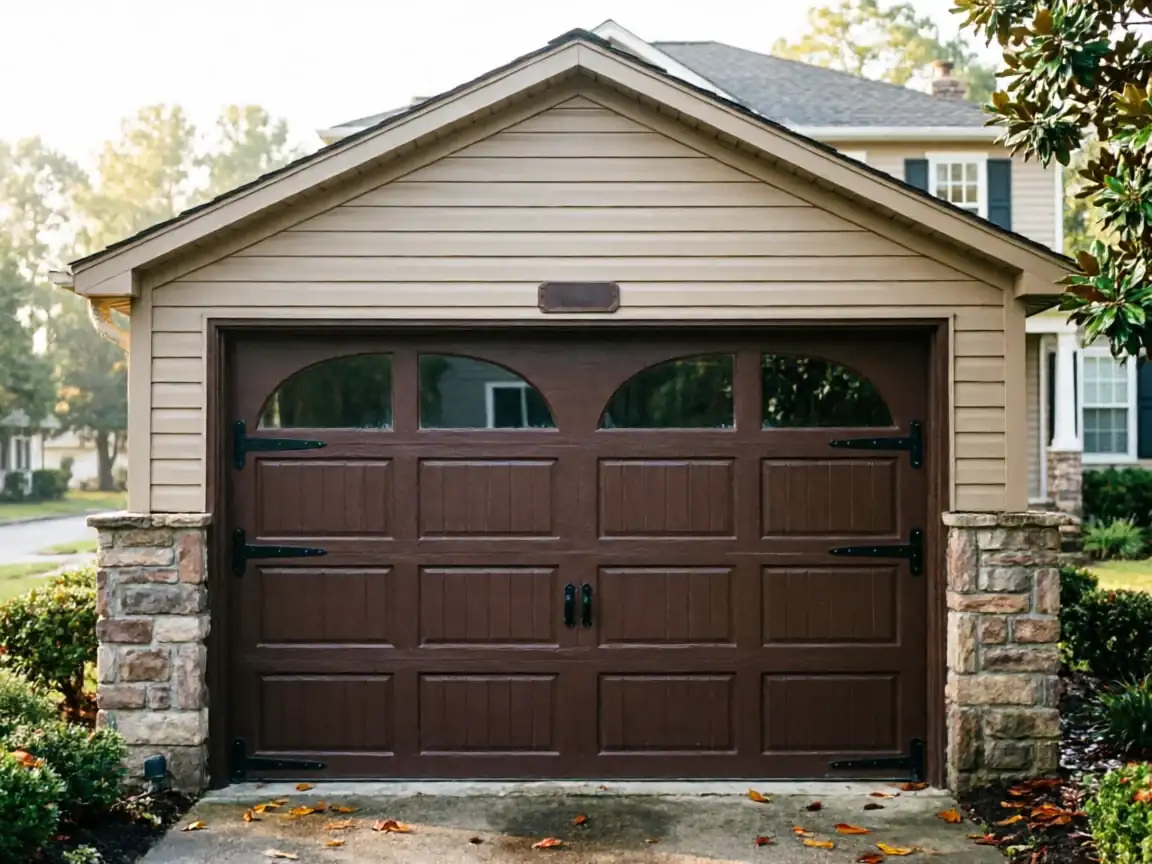
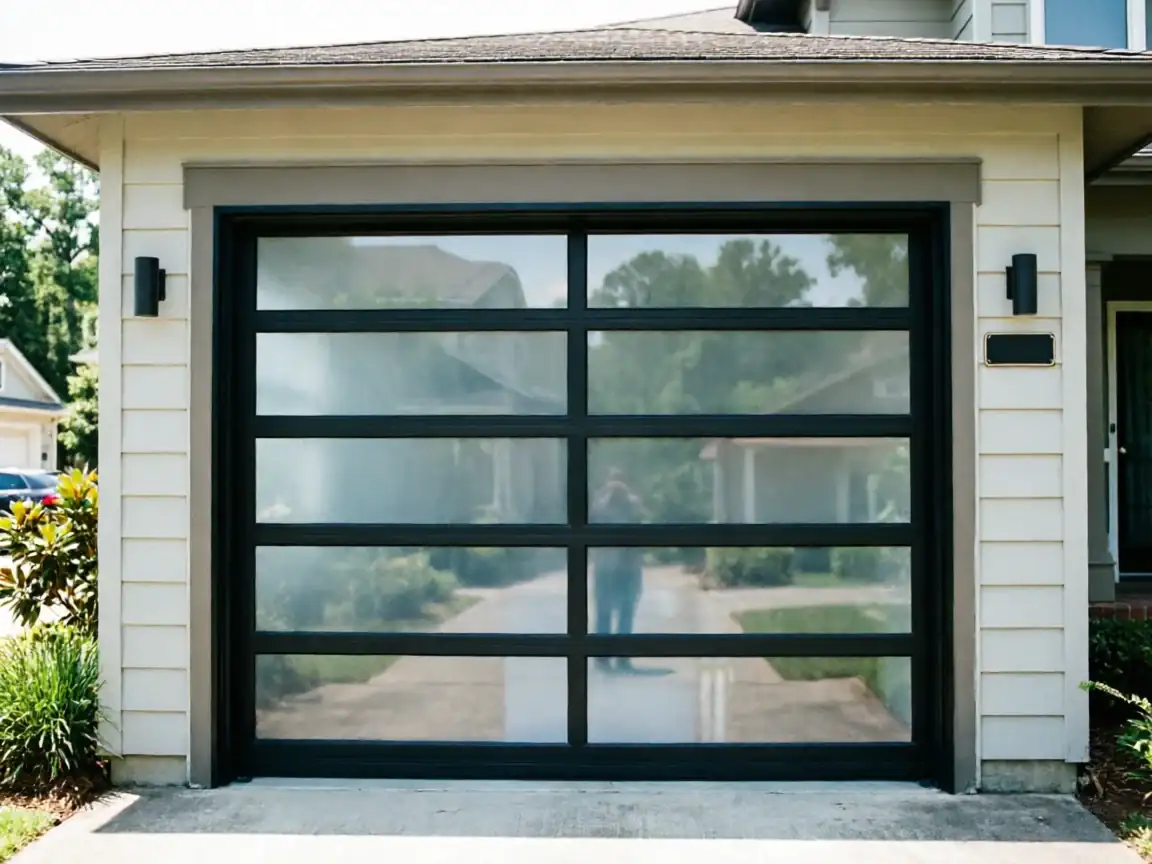
We don't have a published price list for this page, and quoting a number without seeing the opening would be a guess, which we won't do. What we can tell you is what drives the cost up or down for a house in this income bracket. Whitemarsh Island's median household income runs around $113,250, well above the roughly $86,500 median across our whole service area, and that shows up in the choices homeowners here actually make - insulated steel over single-layer, quieter belt-drive openers over chain, and upgraded hardware instead of the builder-minimum parts that came with a 1990s house. None of that changes what a job needs structurally; it changes what people choose to spend once they're already replacing a door. A straightforward single-door swap on standard torsion hardware costs less than a double door with a jackshaft opener and insulated panels. The honest answer is we price after we look at your opening, your current track and spring setup, and what you want the new door to do - quiet, insulated, matching trim color, keypad entry. Call and we'll give you a number for your actual door, not an average.
How We Fix It
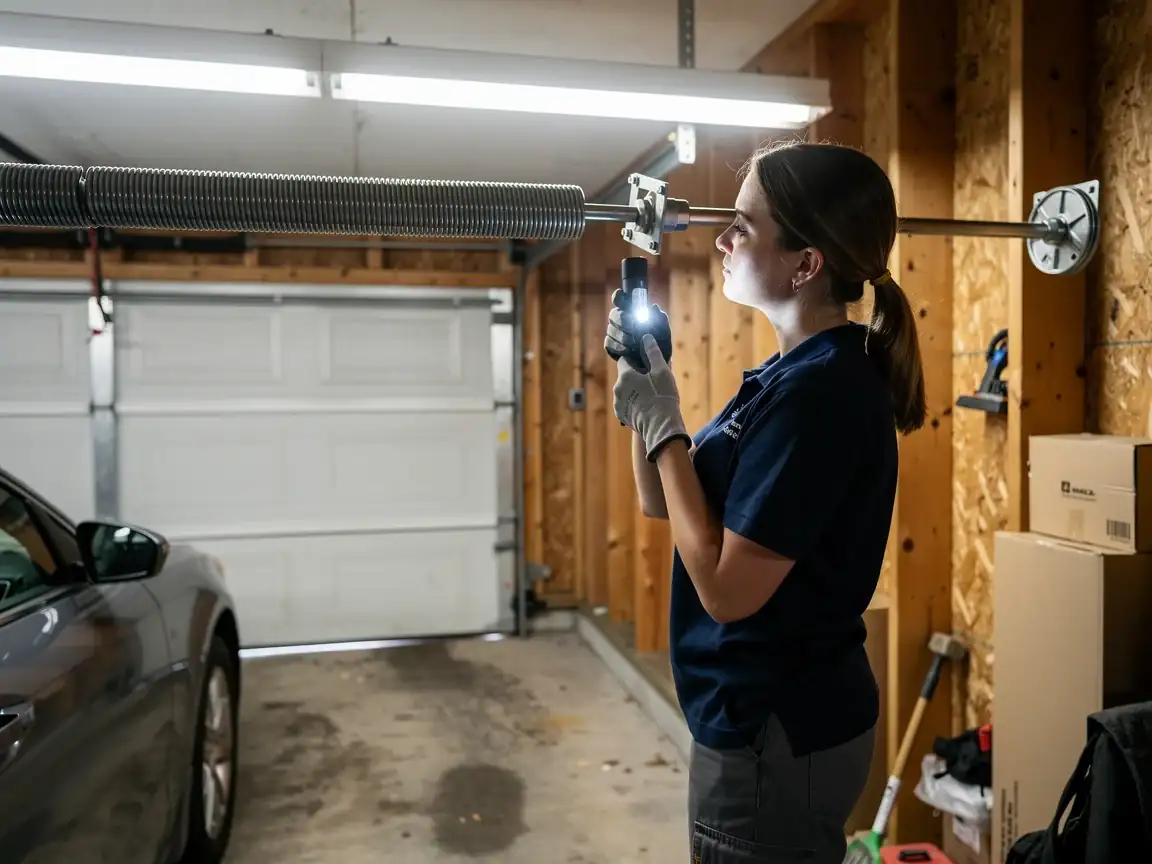
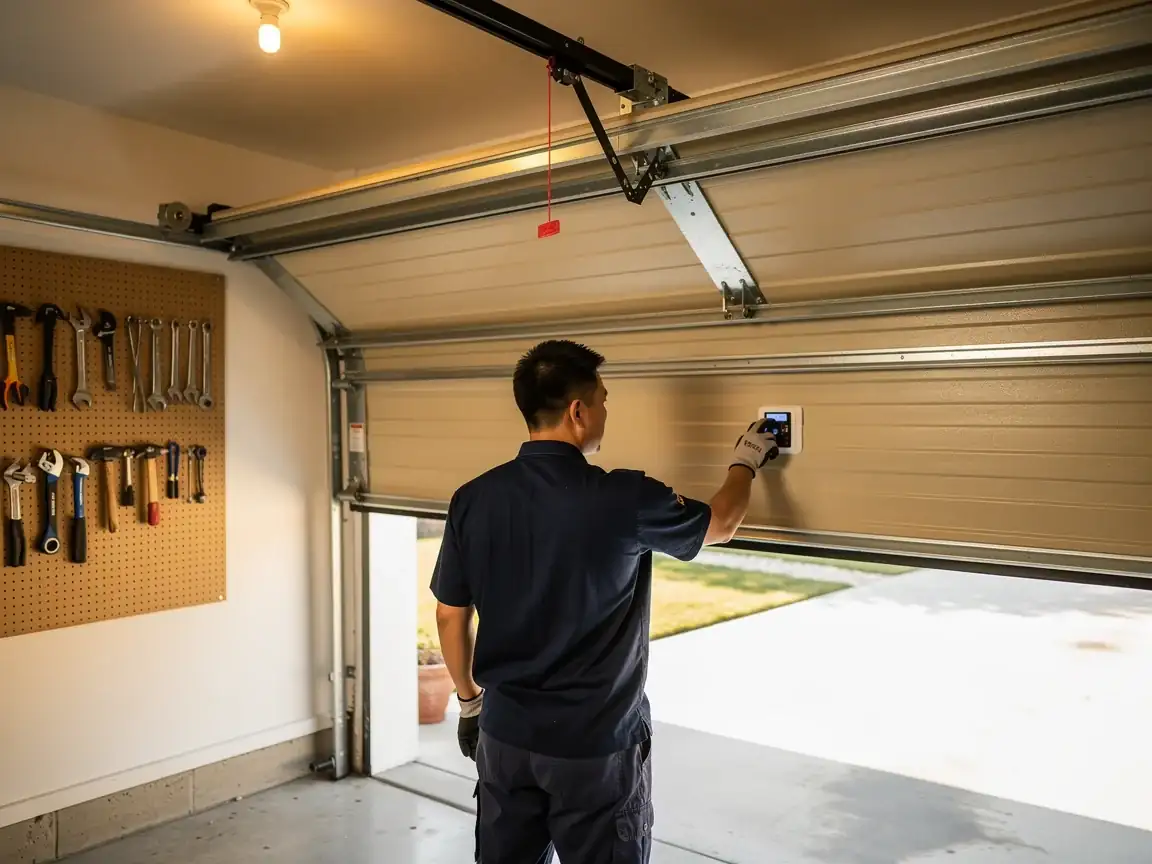
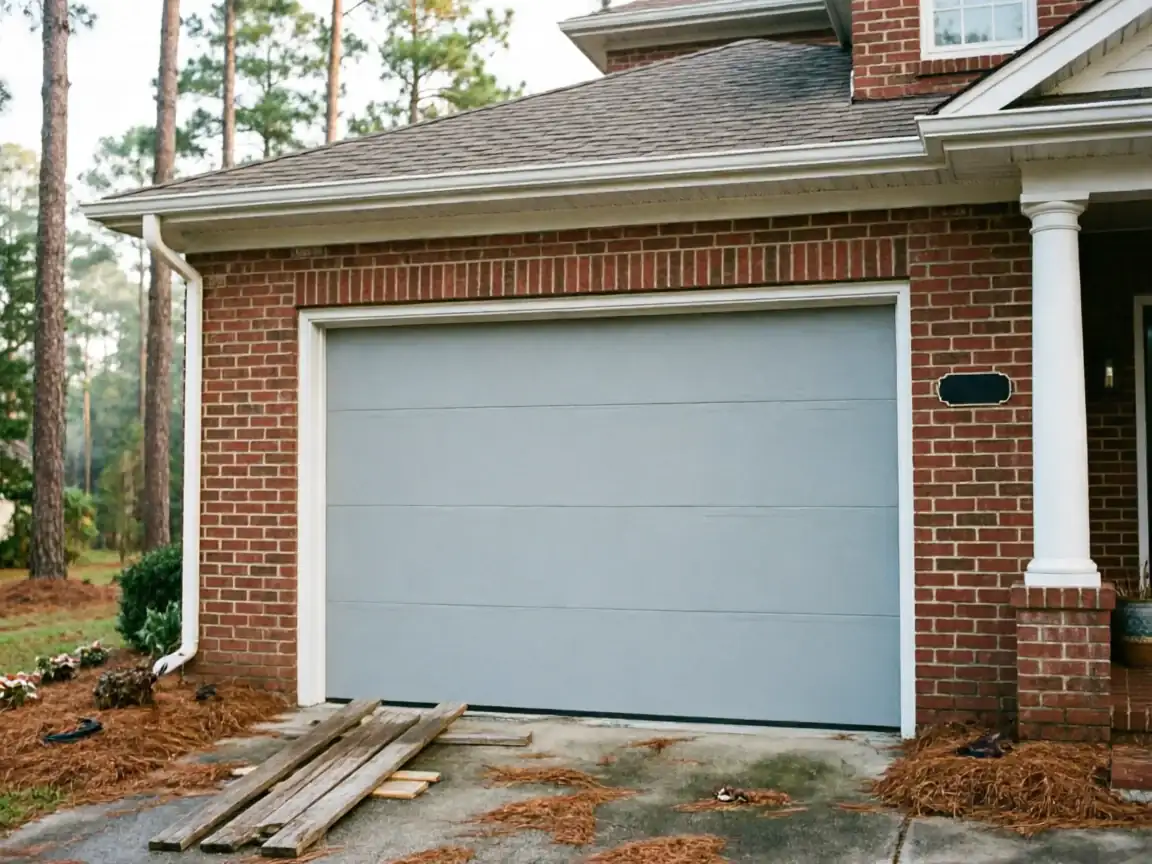
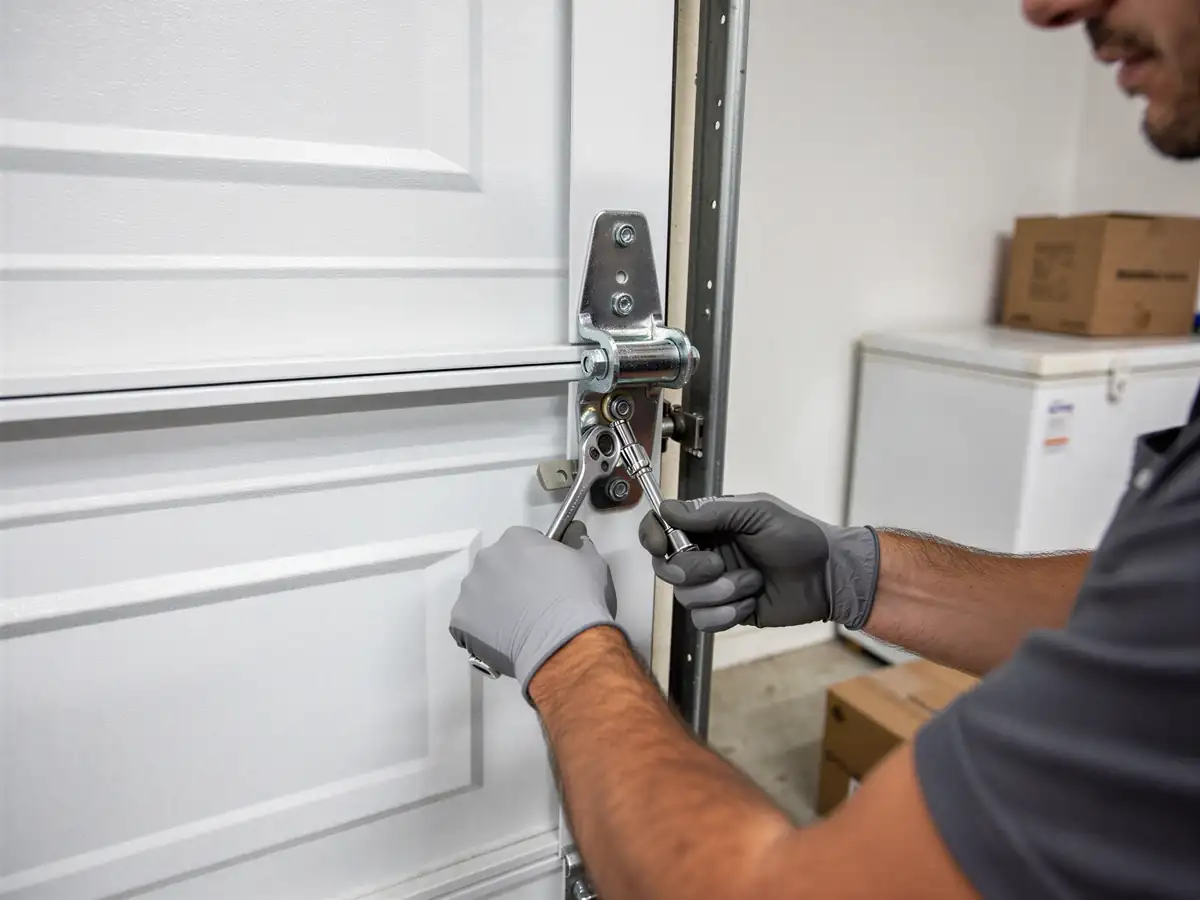
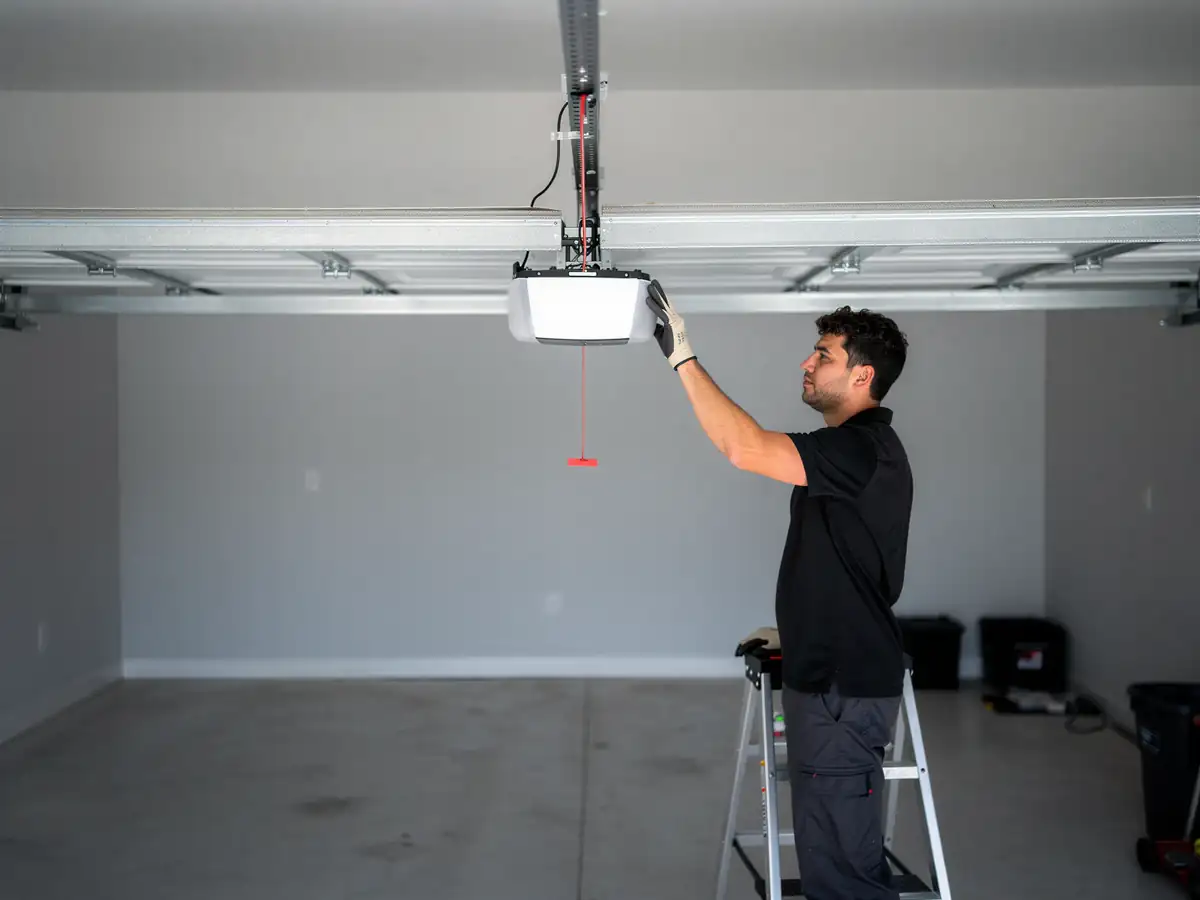
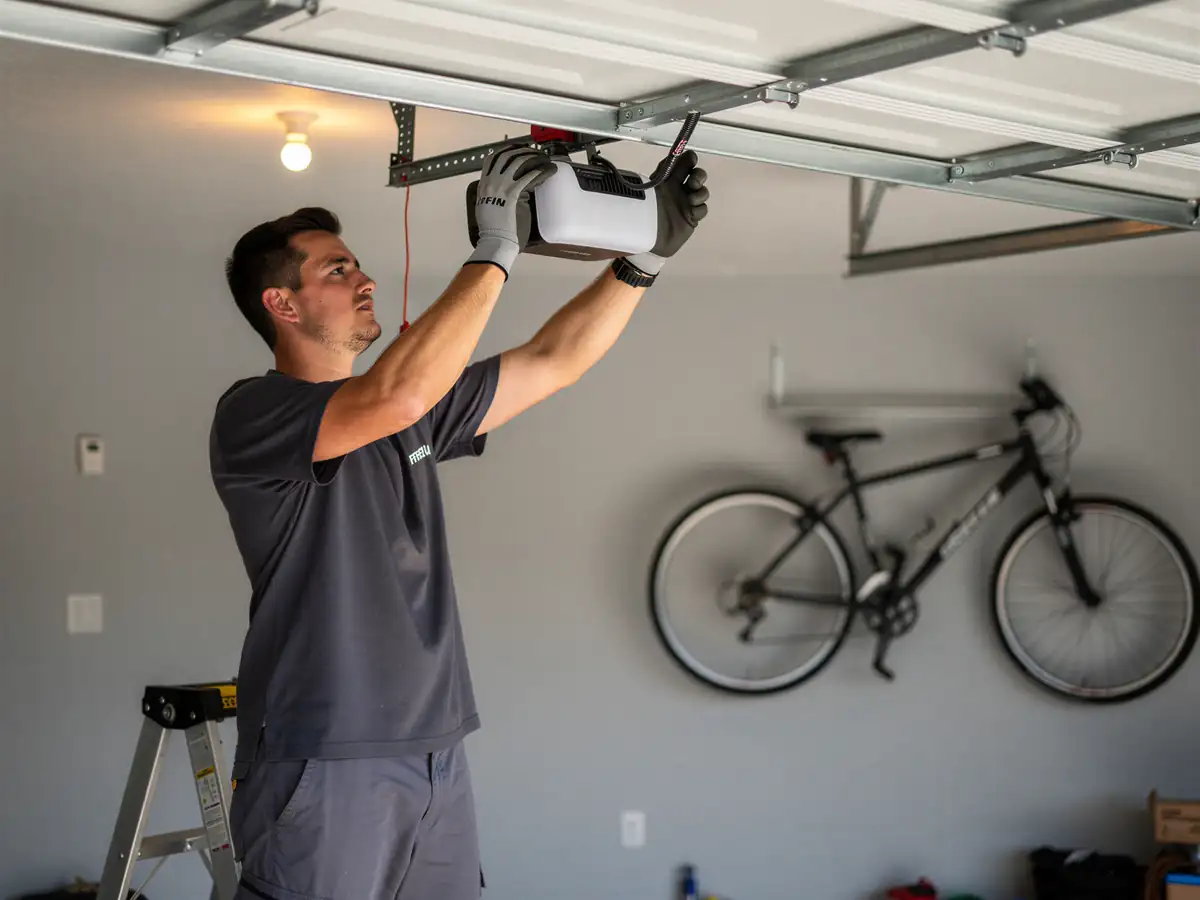
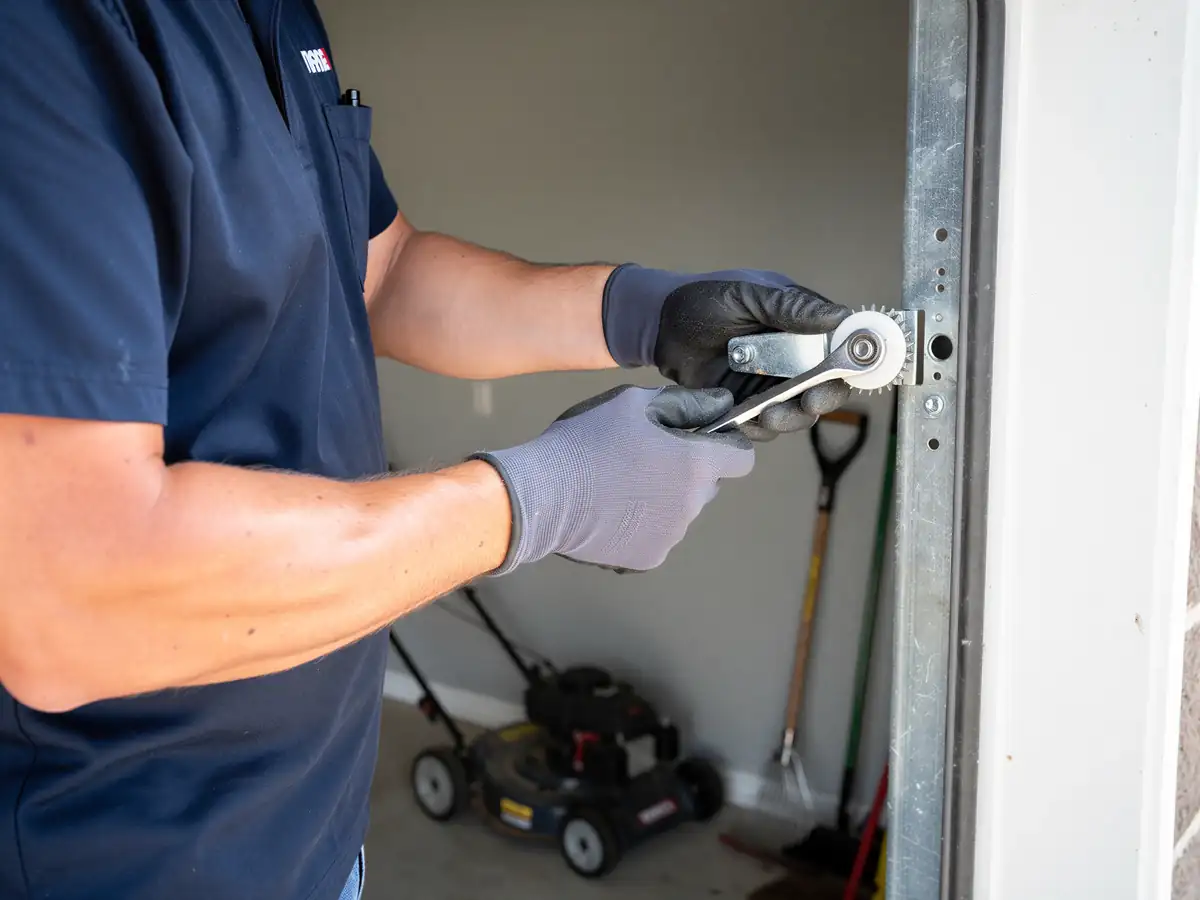
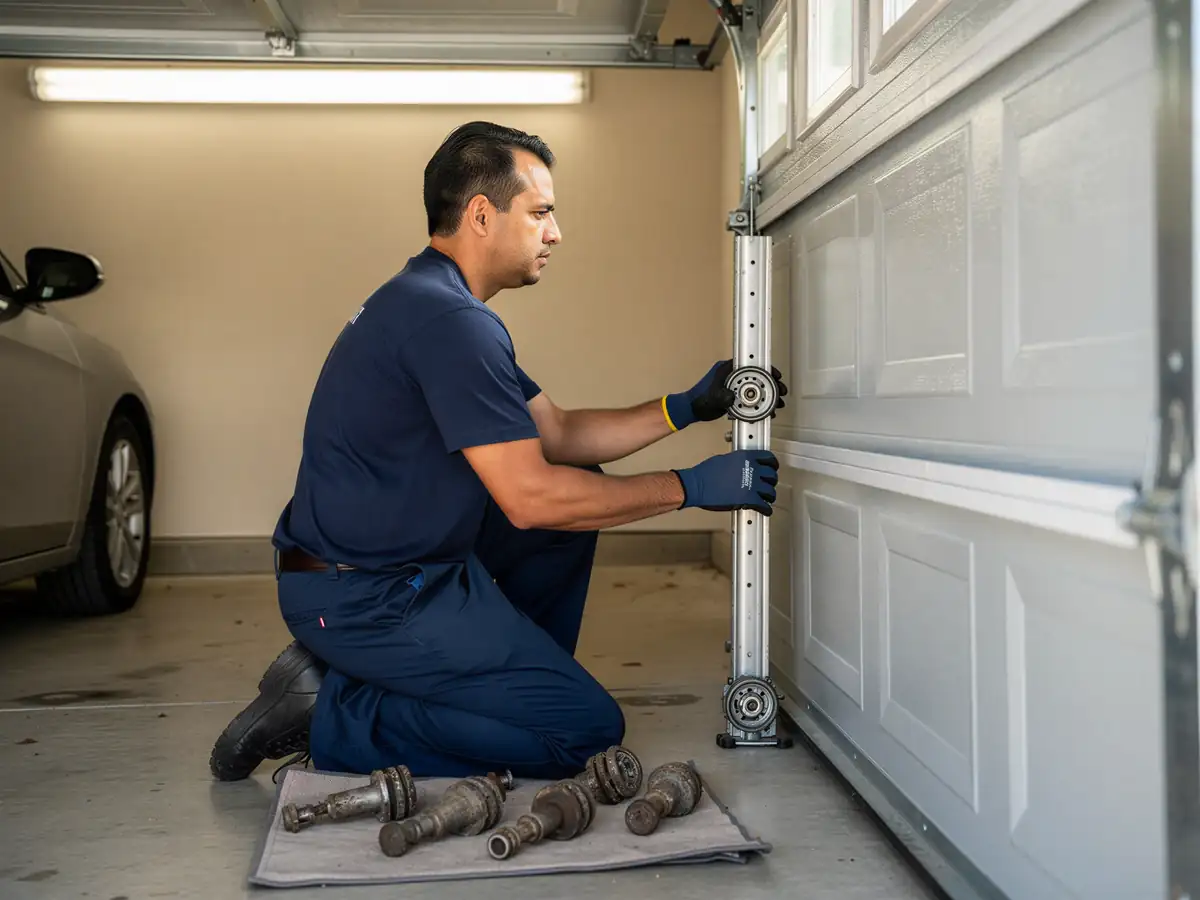
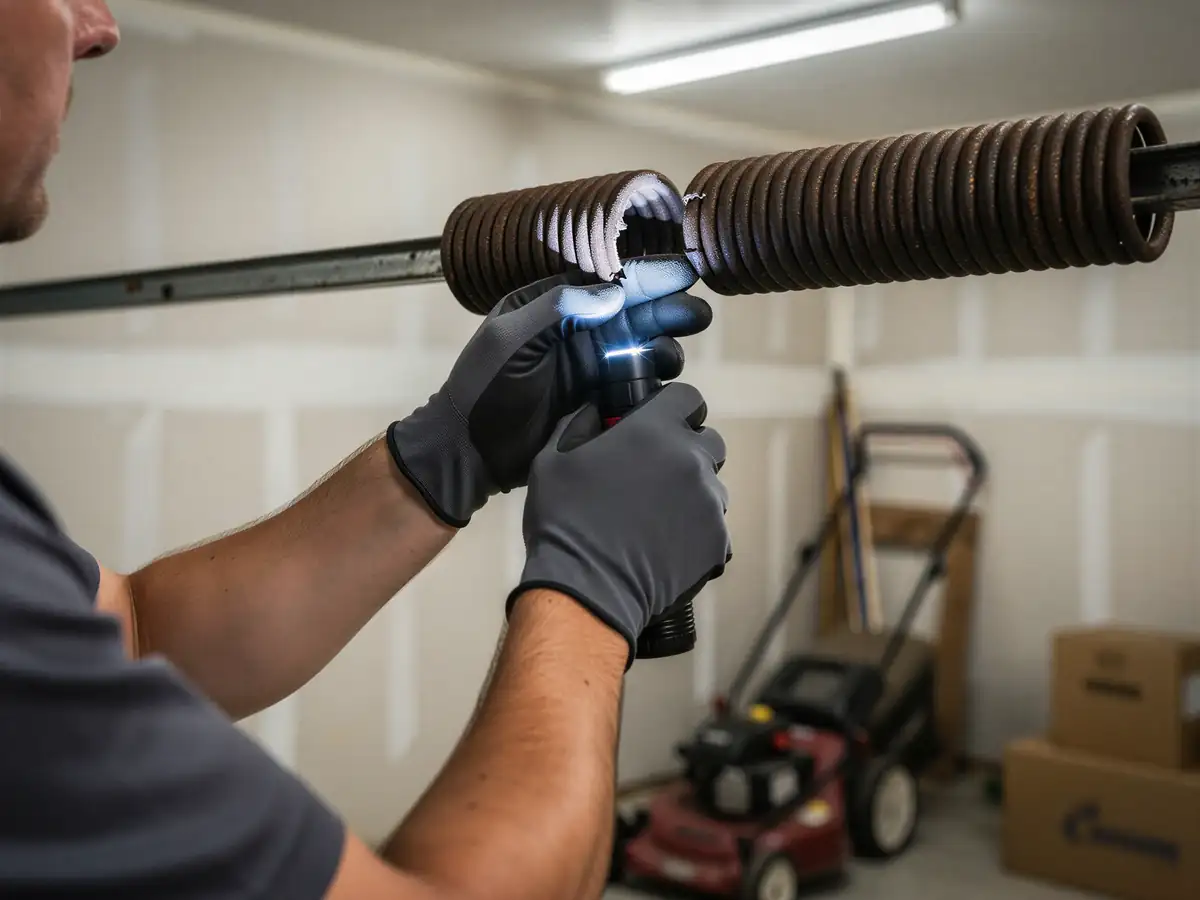
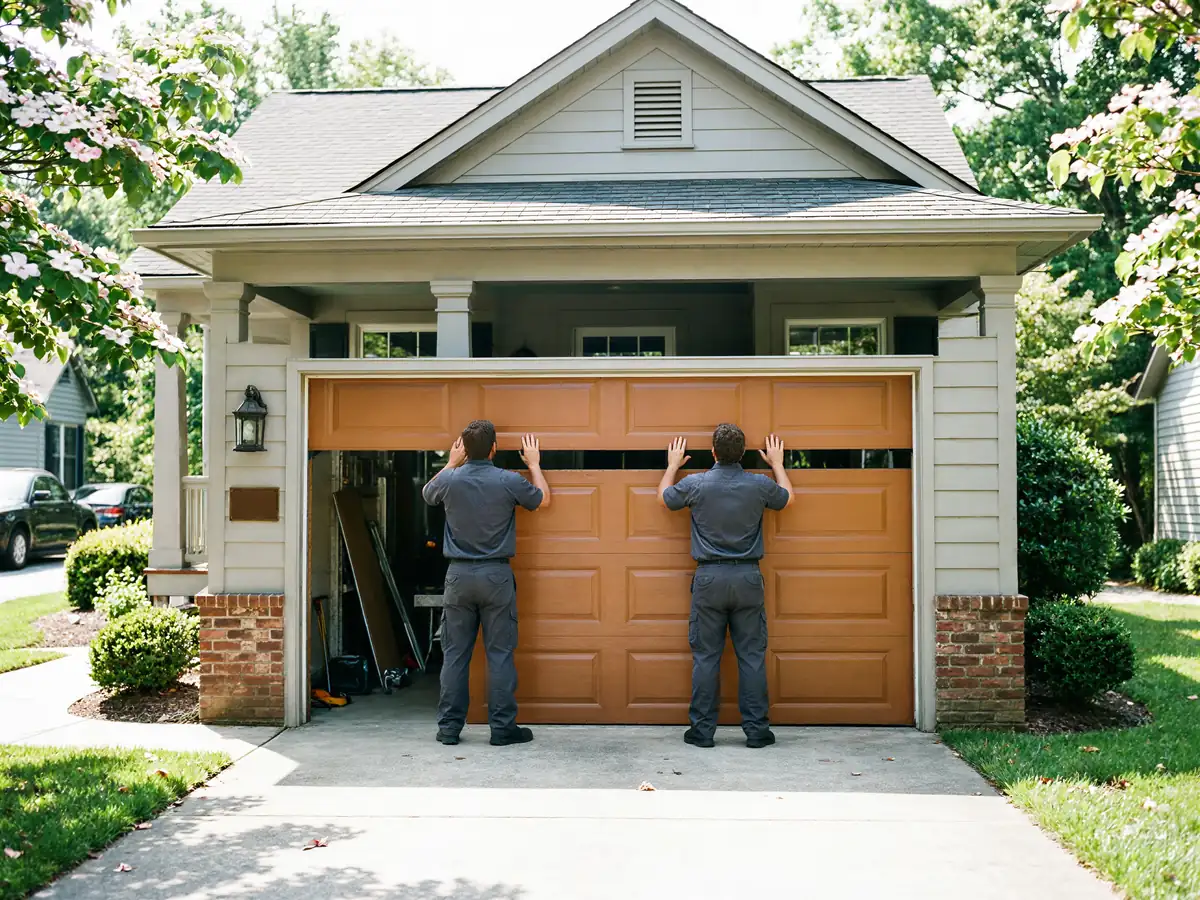
We come out from Savannah - Whitemarsh Island sits about 11 miles from our shop, so this isn't a same-block response, it's a scheduled drive. Once we're on site, the first job is sizing the opening correctly against the house, not just matching what's there, since a lot of early-90s openings were framed slightly off from catalog standard and a stock door needs shimming to seal right. We pull the old door, inspect the track and jambs for rot or rust (coastal moisture gets into wood jambs here more than people expect), and set new galvanized track and springs rated to the door's actual weight rather than whatever came with the house originally. For double doors we check whether the opener needs a jackshaft unit given garage depth. We test balance by hand before the opener ever touches the door - a door that isn't balanced on the springs will burn out any opener you put on it, new or old. Last step is cycle-testing with the photo-eye sensors and the wall control, and walking the owner through manual release in case of a power outage, since that's the one thing people never get shown until they need it.