Why This Fails Locally
The opener failure we see most on Whitemarsh Island isn't a dead remote or a blown fuse
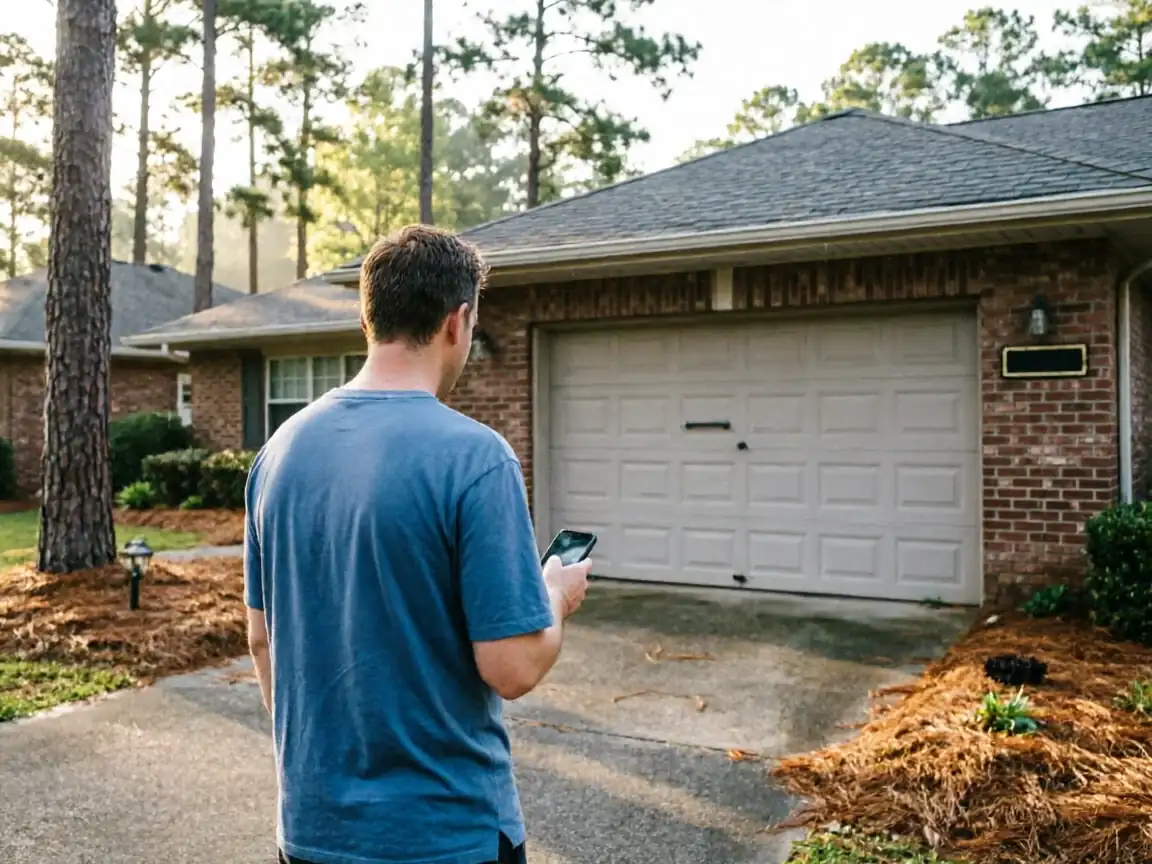
It's a unit that's simply outlived its gears. The median home here went up around 1993, which puts a lot of original or first-replacement openers at thirty years of chain wear, worn drive gears, and circuit boards that were never designed to last this long. When these units finally quit, they don't always fail clean - sometimes the door reverses for no reason, sometimes the motor hums and does nothing, sometimes the remote range drops to a few feet from the driveway.
The climate here is mild with only occasional freezes
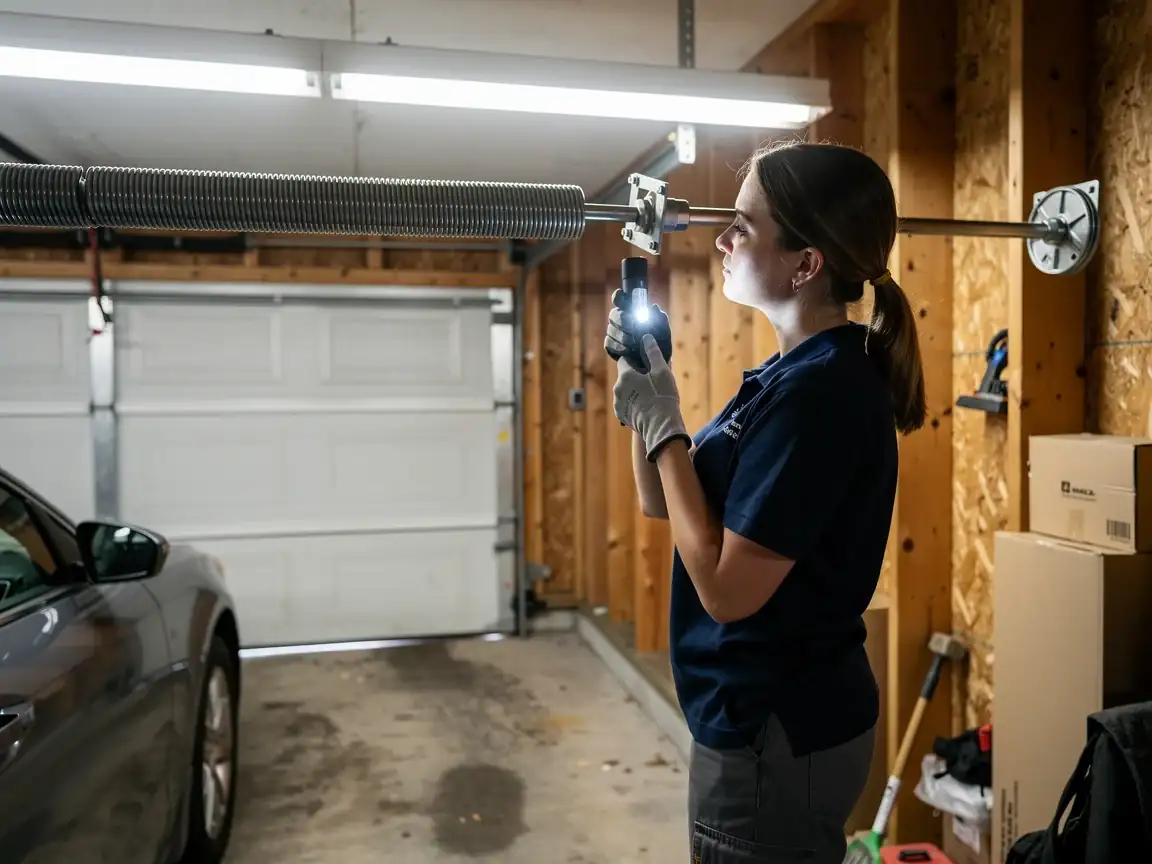
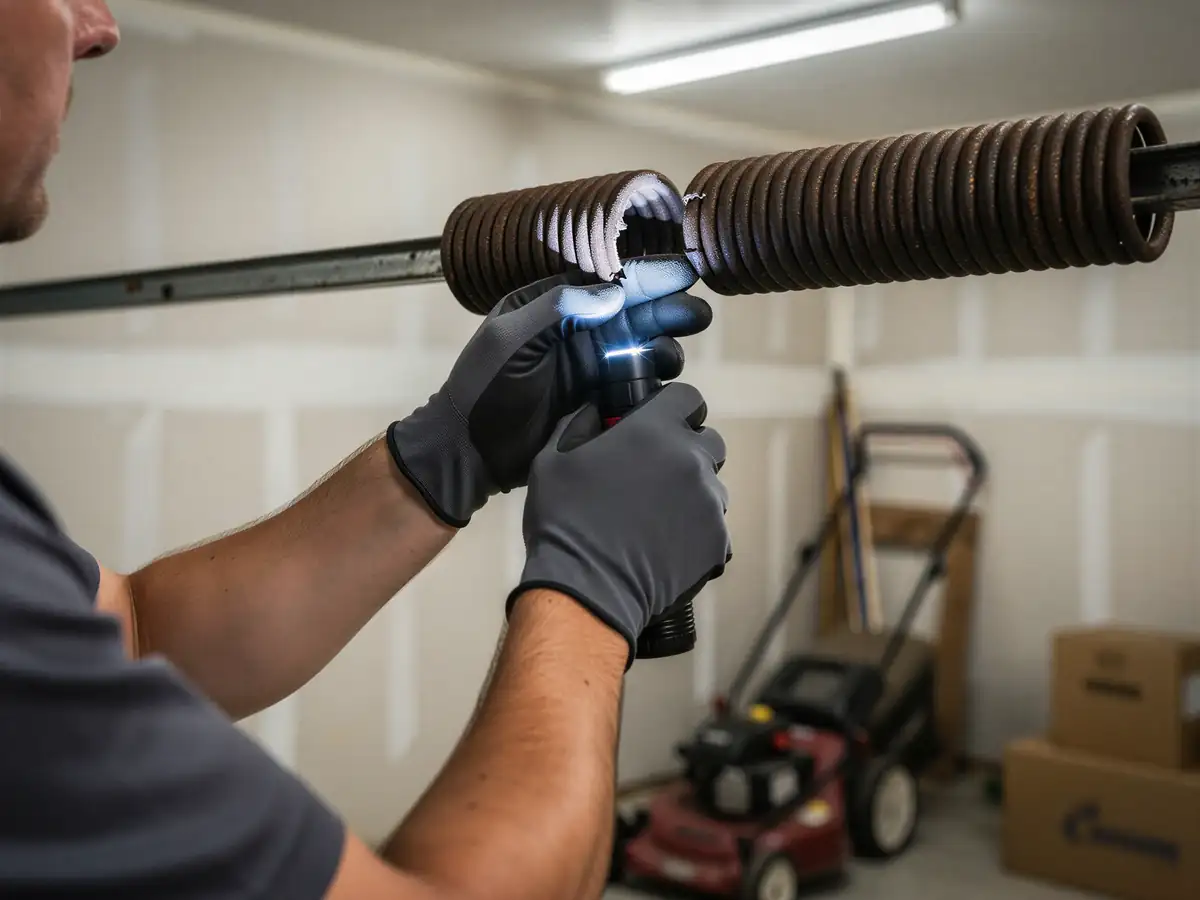
So we're not dealing with the ice-jammed openers you'd see further north. What we do see is lubrication that's dried out over decades of warm, humid stretches, letting chains run dry and motors work harder than they should. Add a belt-drive or screw-drive unit nearing the end of its rated life, and you get an opener that still turns on but can't be trusted to stop the door before it hits something. That's the fault we're actually called out for - not a mystery, just age catching up with hardware nobody's touched since the house was new.
What It Costs
We don't quote a number without seeing the door and the opener you've got, since horsepower needs, rail length, and whether you want battery backup or smart-phone control all move the price. What we can tell you is that median household income on Whitemarsh Island runs well above the wider Savannah service area - $113,250 versus $86,500 - and we see that reflected in what homeowners here ask for: belt-drive units for quiet operation, battery backup so the door still opens in a power outage, and Wi-Fi-enabled openers that tie into a phone app rather than a wall button alone.
That said, a straightforward chain-drive swap costs less than a belt-drive with smart features and backup battery, and we'll tell you honestly if your existing rail and track can be reused or if they need to come out too. We're not going to upsell a feature you don't need just because the neighborhood trends toward it.
How We Fix It
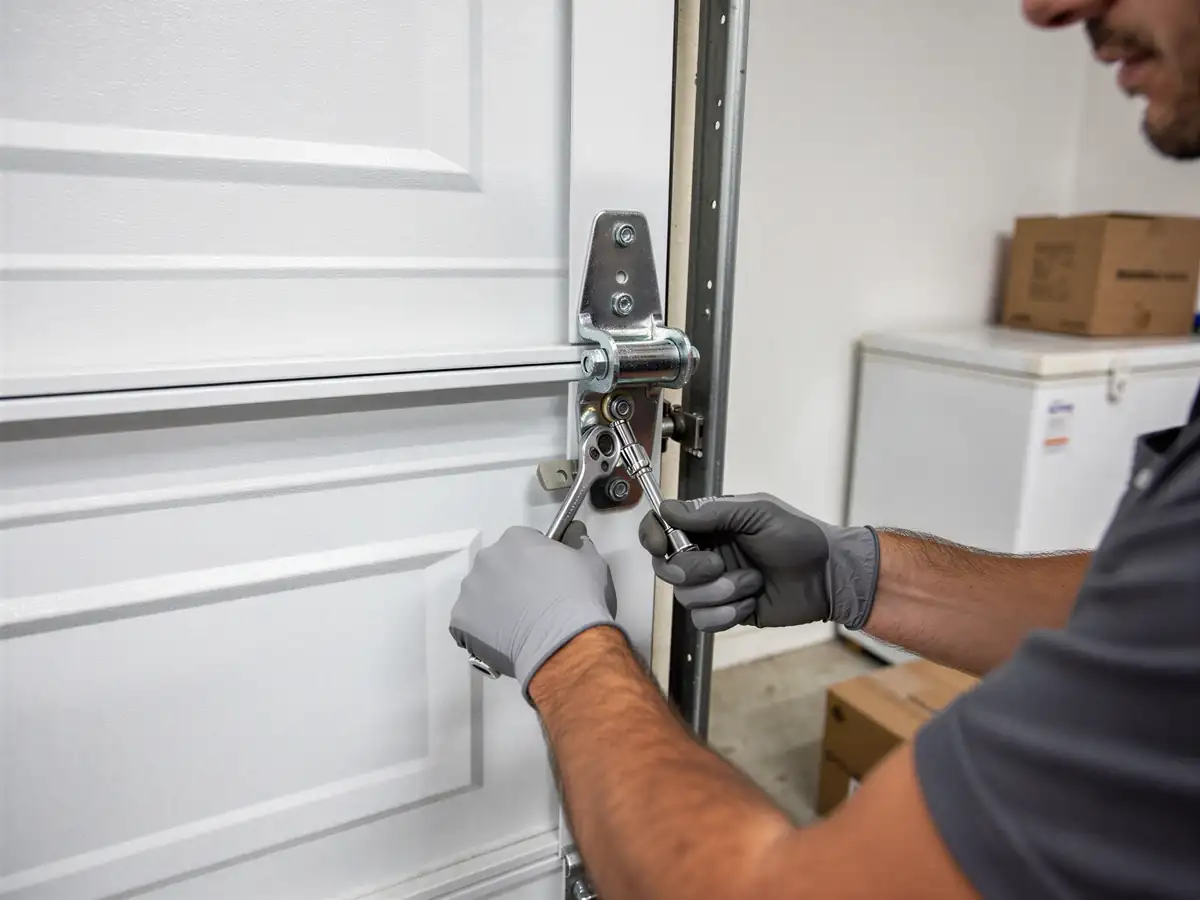
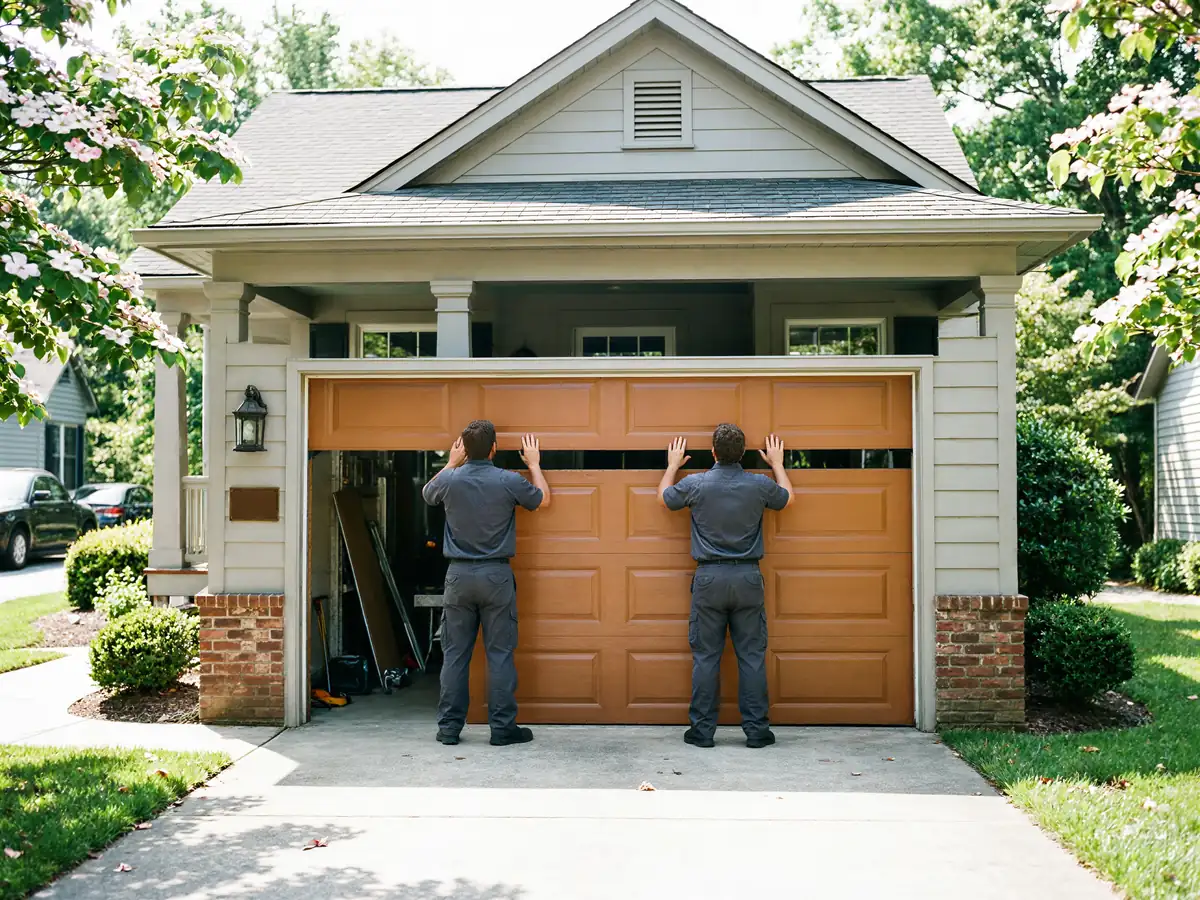
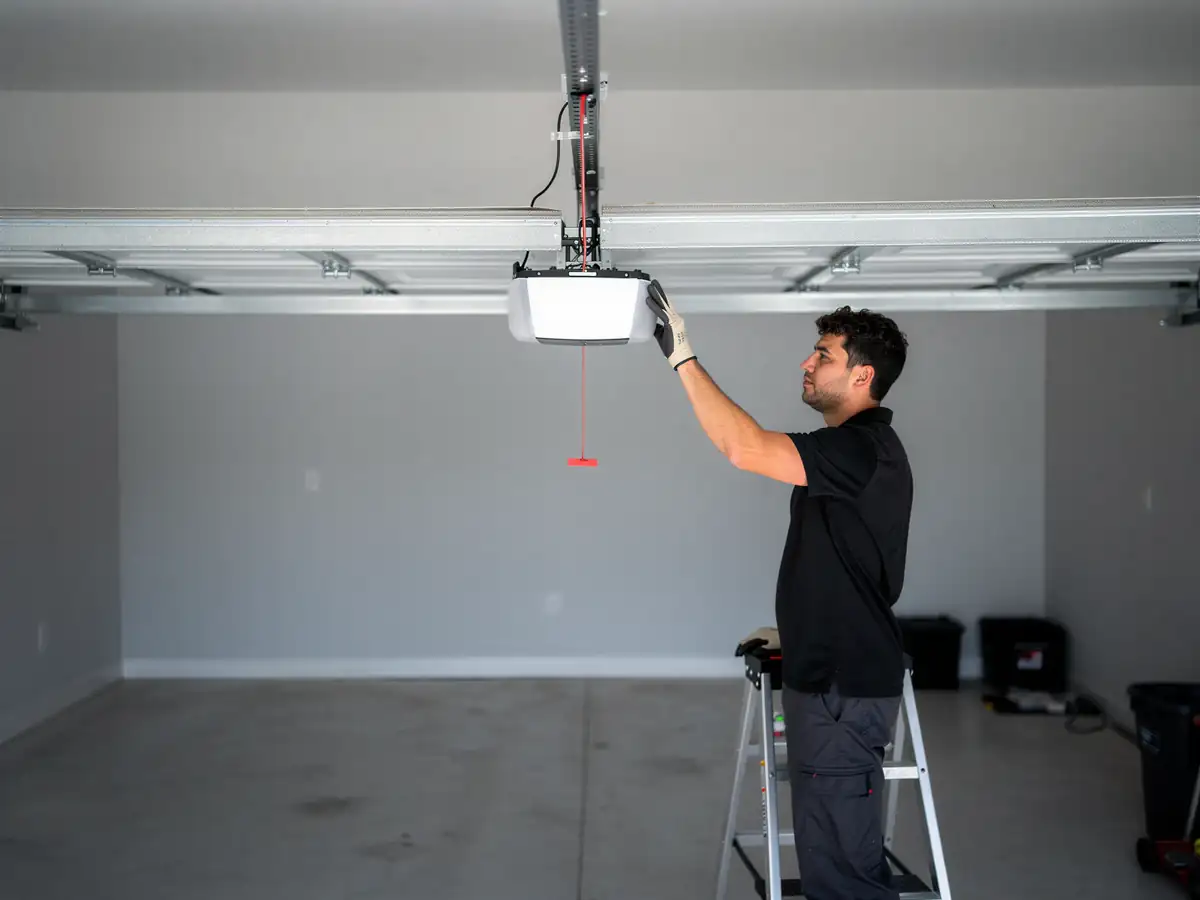
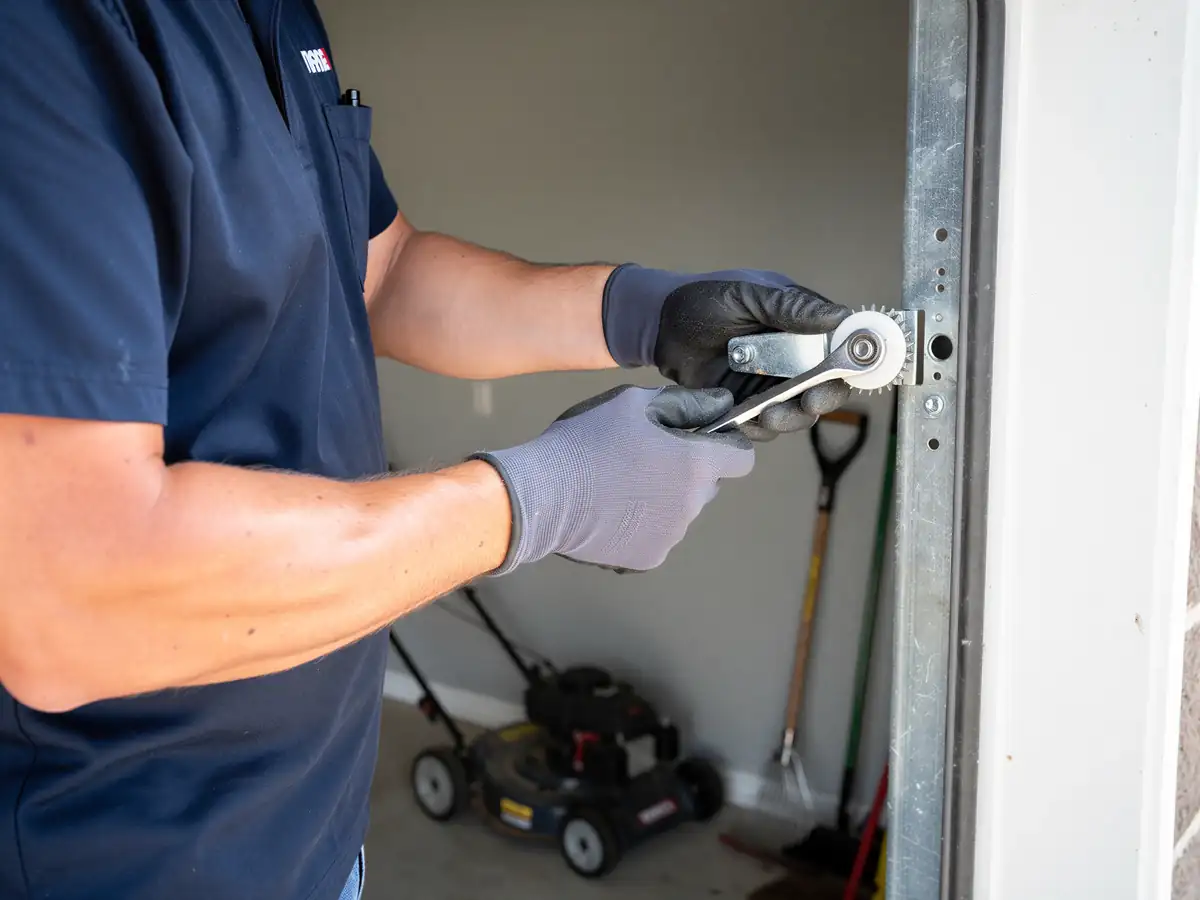
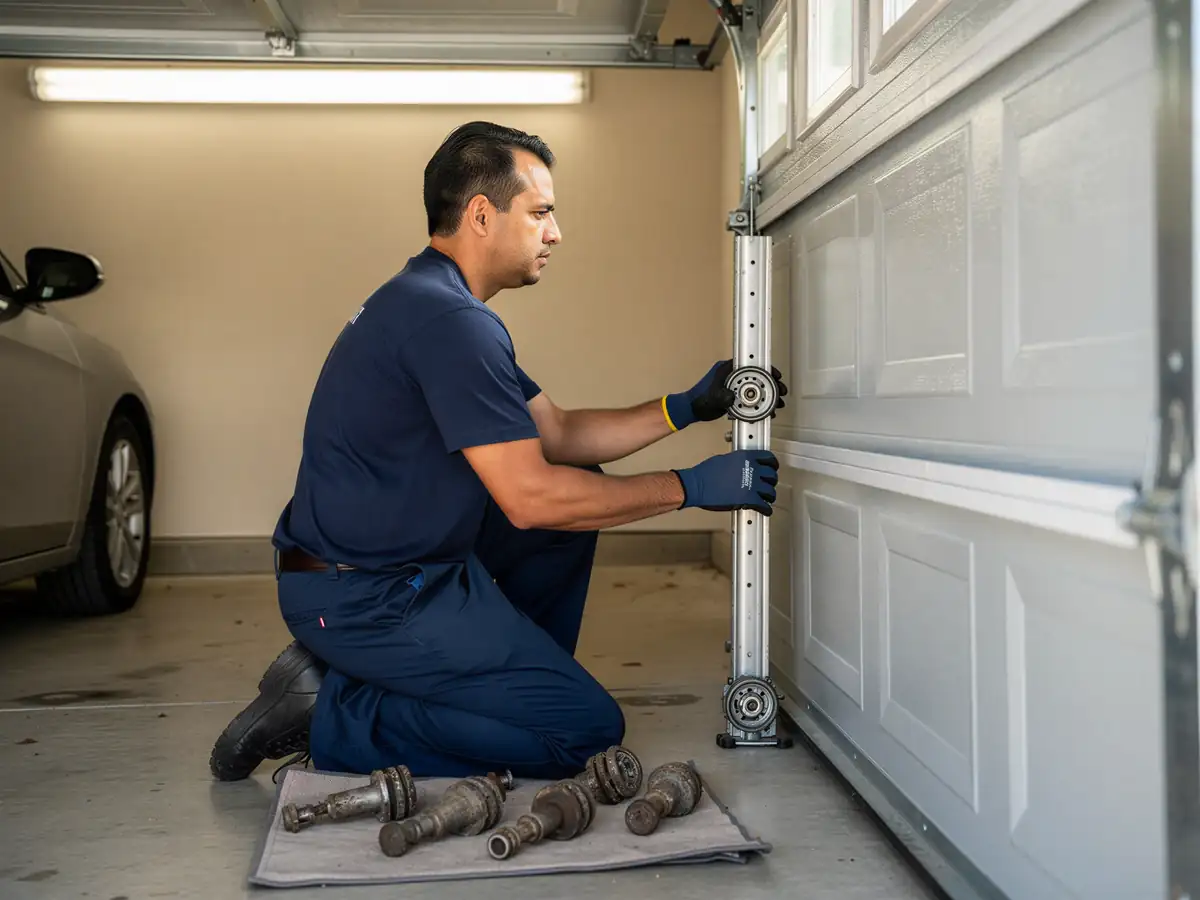
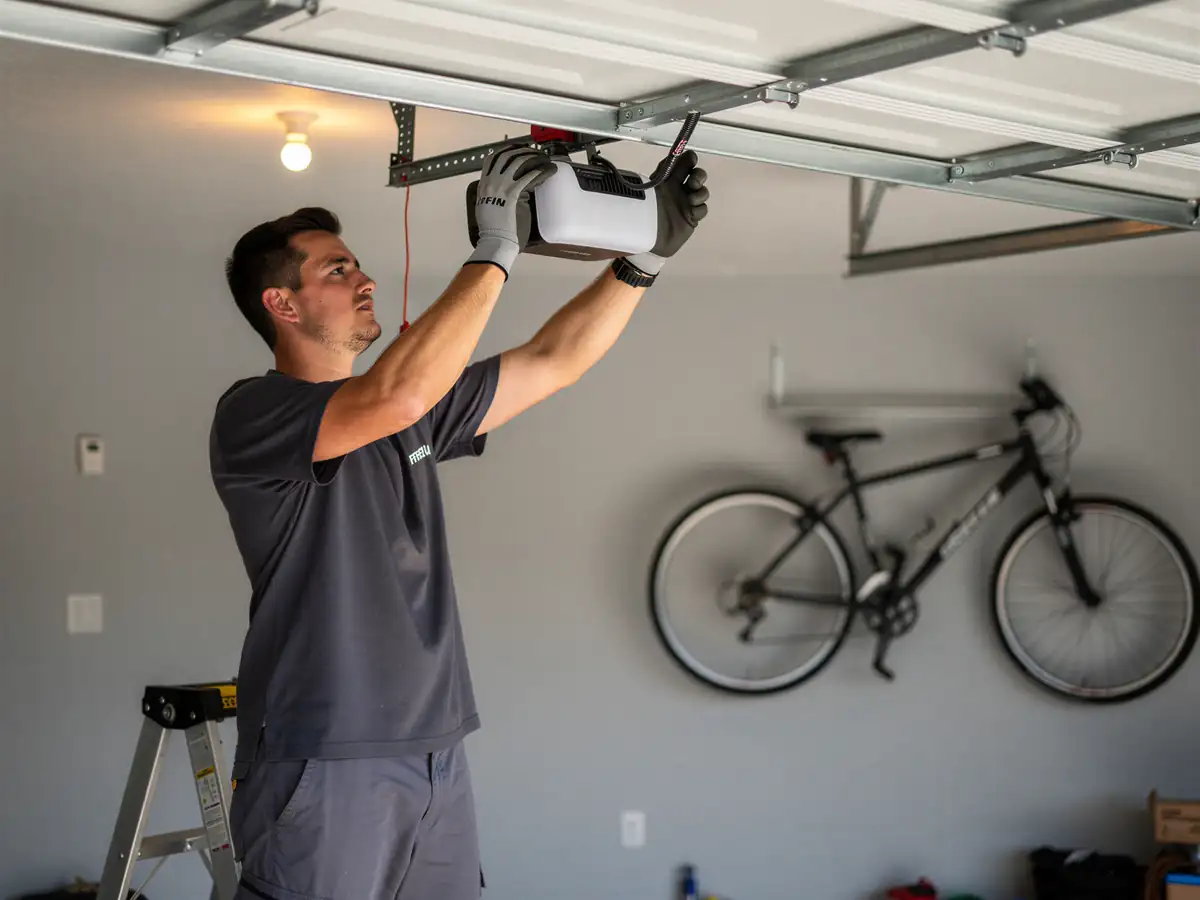
We travel the 11 miles out from Savannah with the opener, rail, and mounting hardware already matched to your door's weight and size - that's decided over the phone or from photos before the truck leaves, not guessed at on your driveway. On site, the old unit comes down, the header bracket gets checked (on a house from the early '90s it's often held with hardware that's loosened over the years and needs re-anchoring before a new motor goes up), and the new opener gets mounted, wired, and the travel limits set.
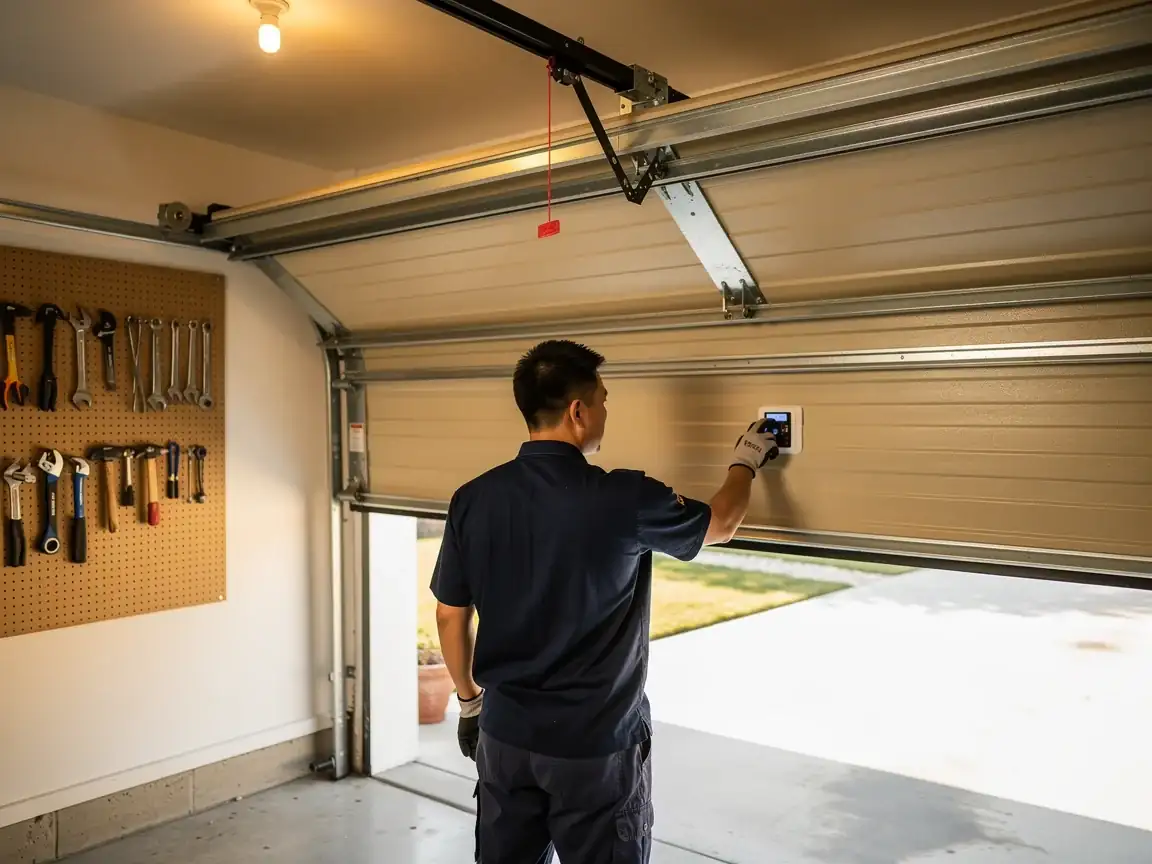
We test the auto-reverse safety function before we leave every time - press-test with a 2x4 on the ground and a photo-eye alignment check - because on a door this old, the safety sensors may never have been verified since installation day. If your existing track or springs are worn past the point where a new opener should be bolted to them, we'll say so before we install rather than after.
What Is on the Truck
The truck carries chain-drive and belt-drive openers in the common horsepower ranges, rail kits, photo-eye sensor pairs, and the wiring and mounting hardware most installs need same-visit
Battery backup units and some smart-opener models aren't always stocked in every variant - those sometimes mean a short order lead time if you want a specific brand or feature set, and we'll tell you that up front rather than promise a same-day install we can't back up.
One honest limitation
If your door itself is out of balance, has a cracked panel, or the springs are undersized for the door's weight, we're not going to bolt a brand-new opener onto a door that isn't ready for it. A new motor doesn't fix a bad door, and running one that way just burns out the opener faster. We'll flag that before any install, not after the warranty period on the motor starts ticking.