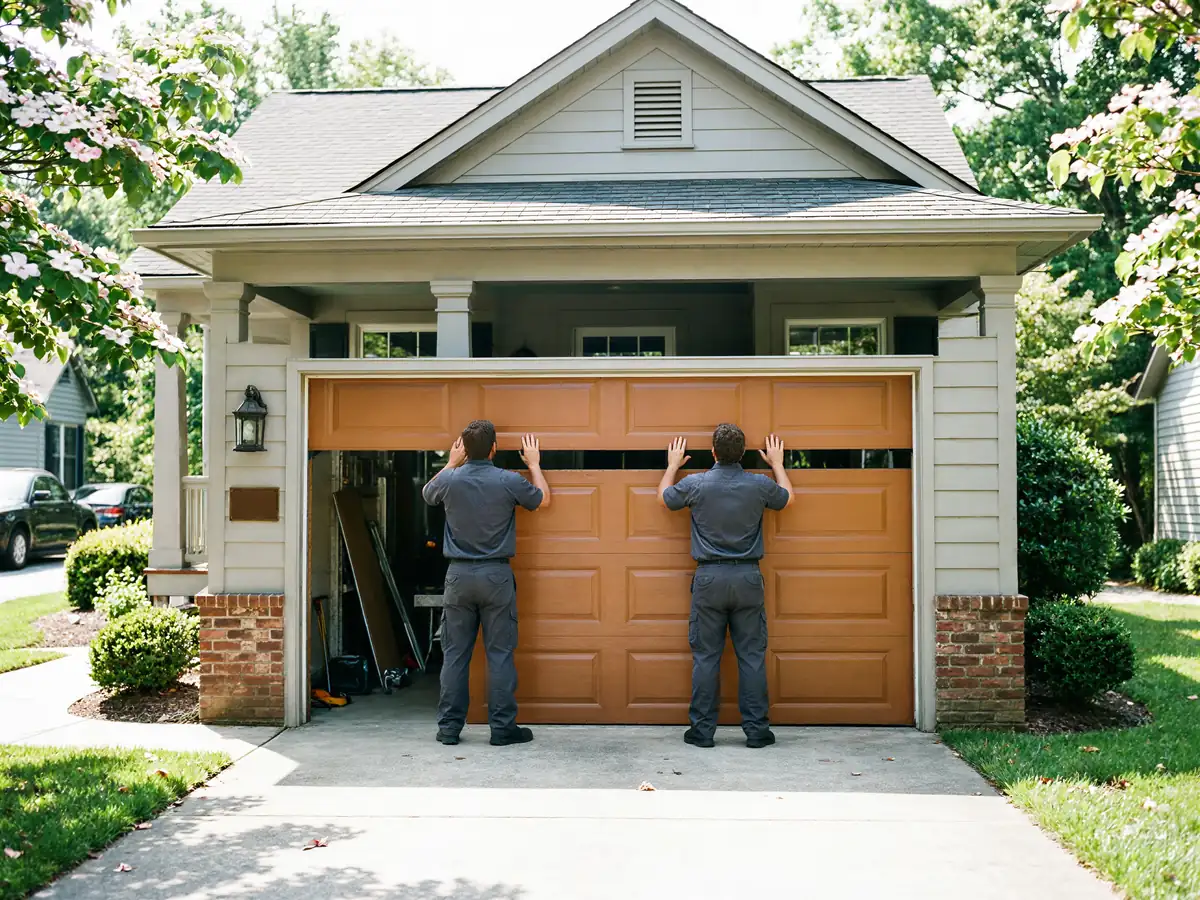
Booking a Visit
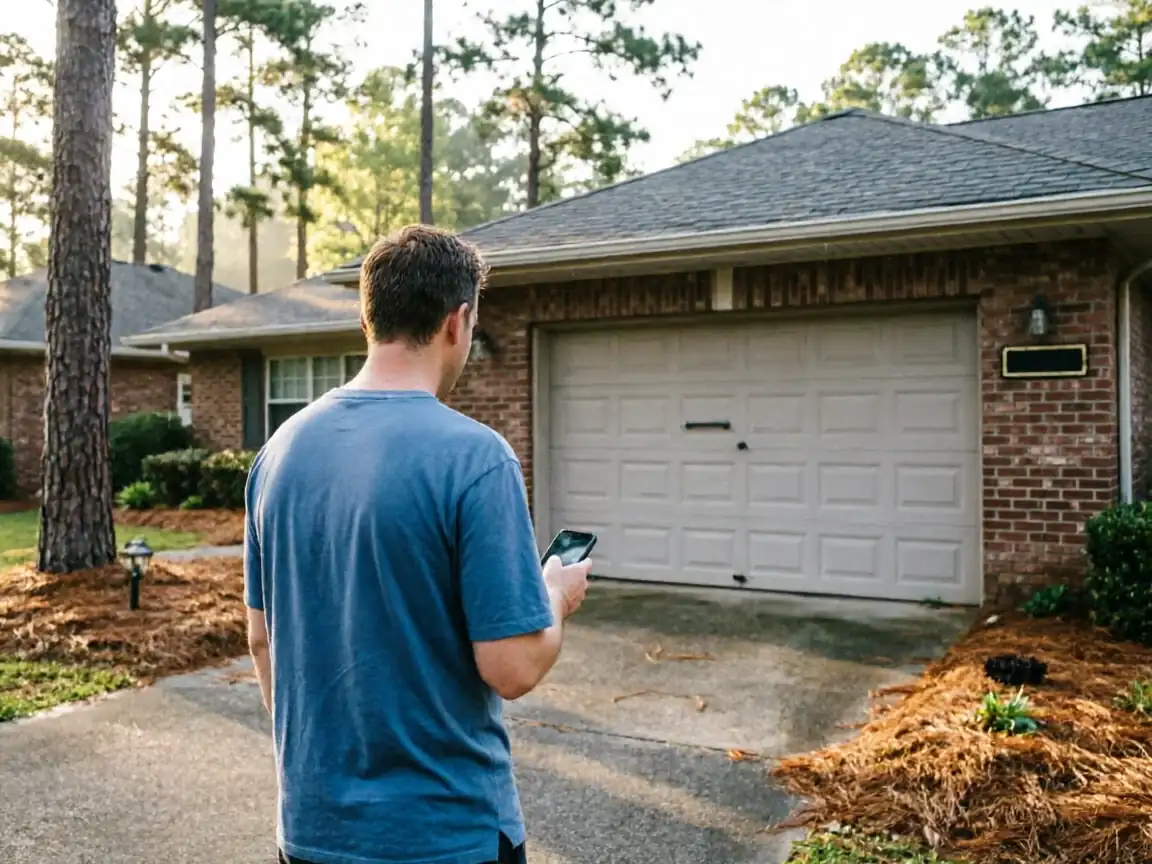
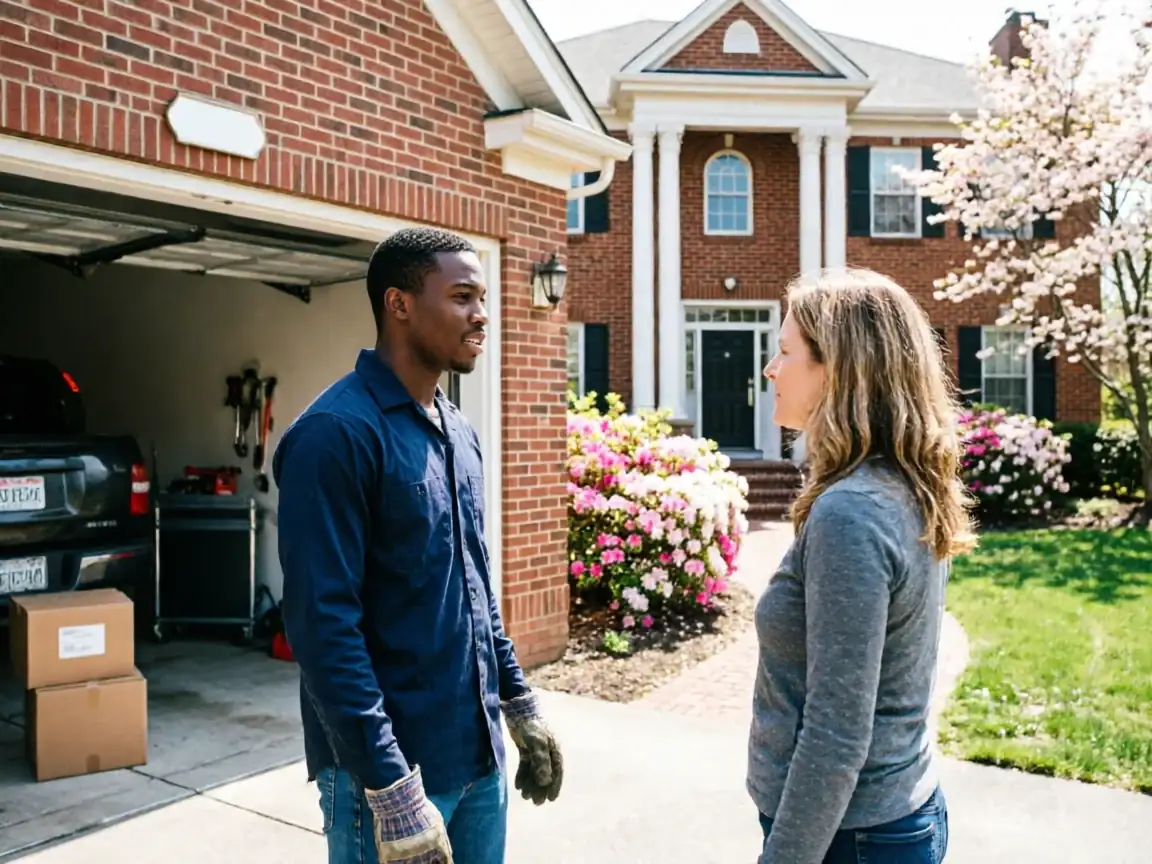
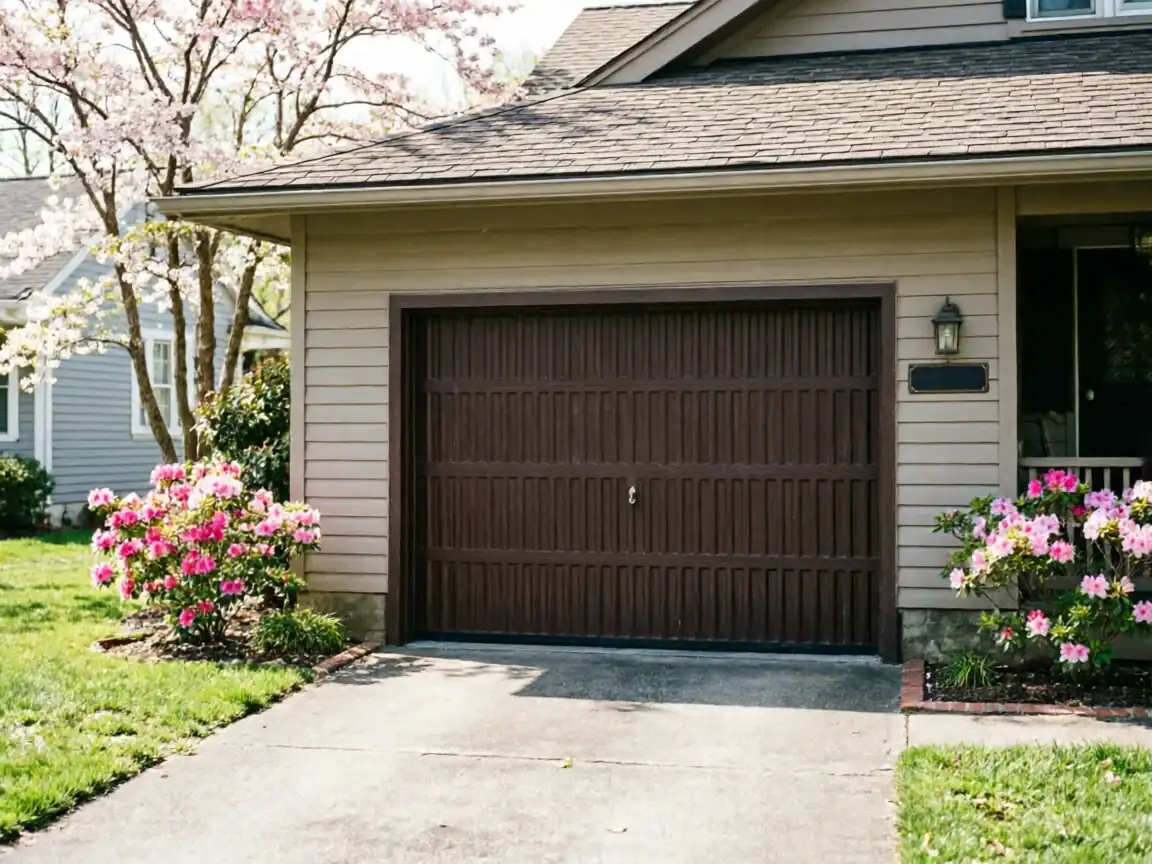
We work out of Savannah and come out to Wilmington Island as scheduled, about 13 miles each way. We don't keep a branch or a drop point on the island, so there's no walk-in counter - everything starts with a call or a booking through the site, then a visit to measure and quote. Because the trip is a fixed distance rather than a five-minute run, we try to get the opening measured right the first time so we're not making a second trip to correct a size mismatch. If you already know your door's rough opening and the brand or style you want, having that ready speeds up the quote, but it's not required - we'll measure on site either way.
What Can Go Wrong
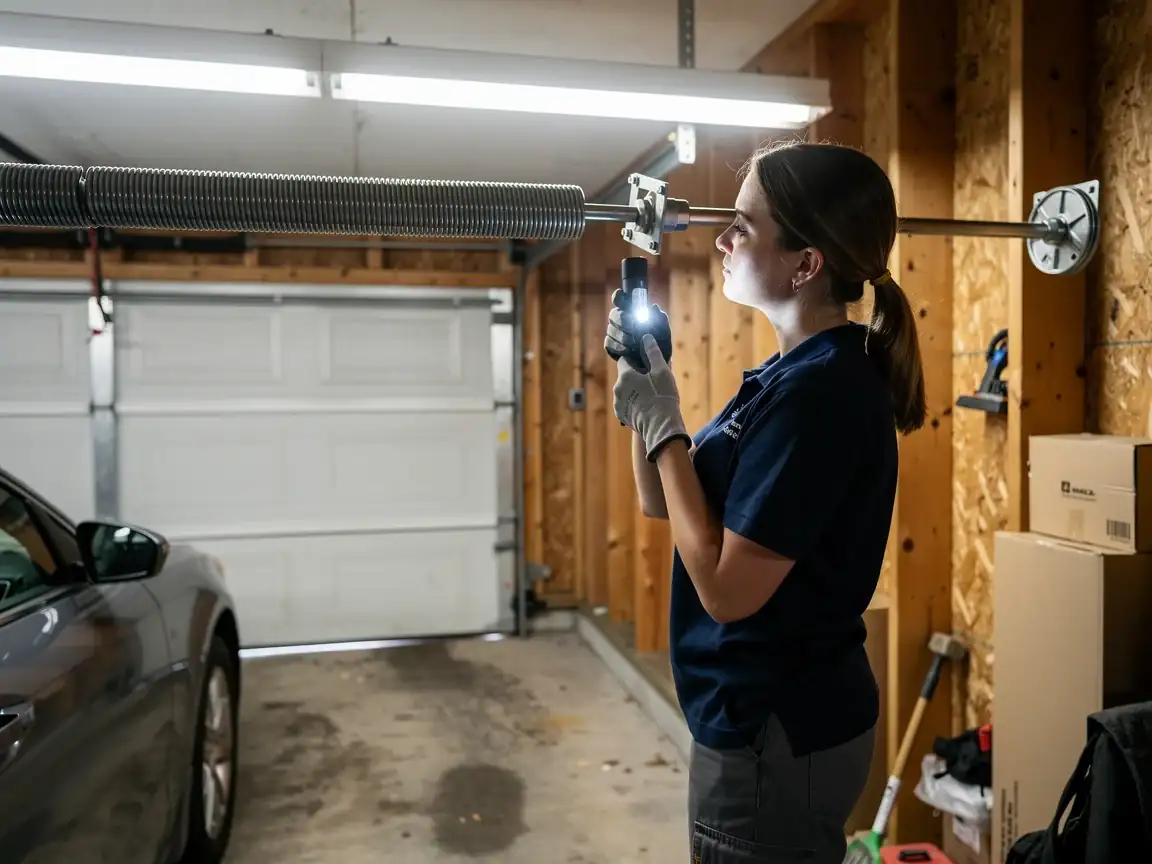
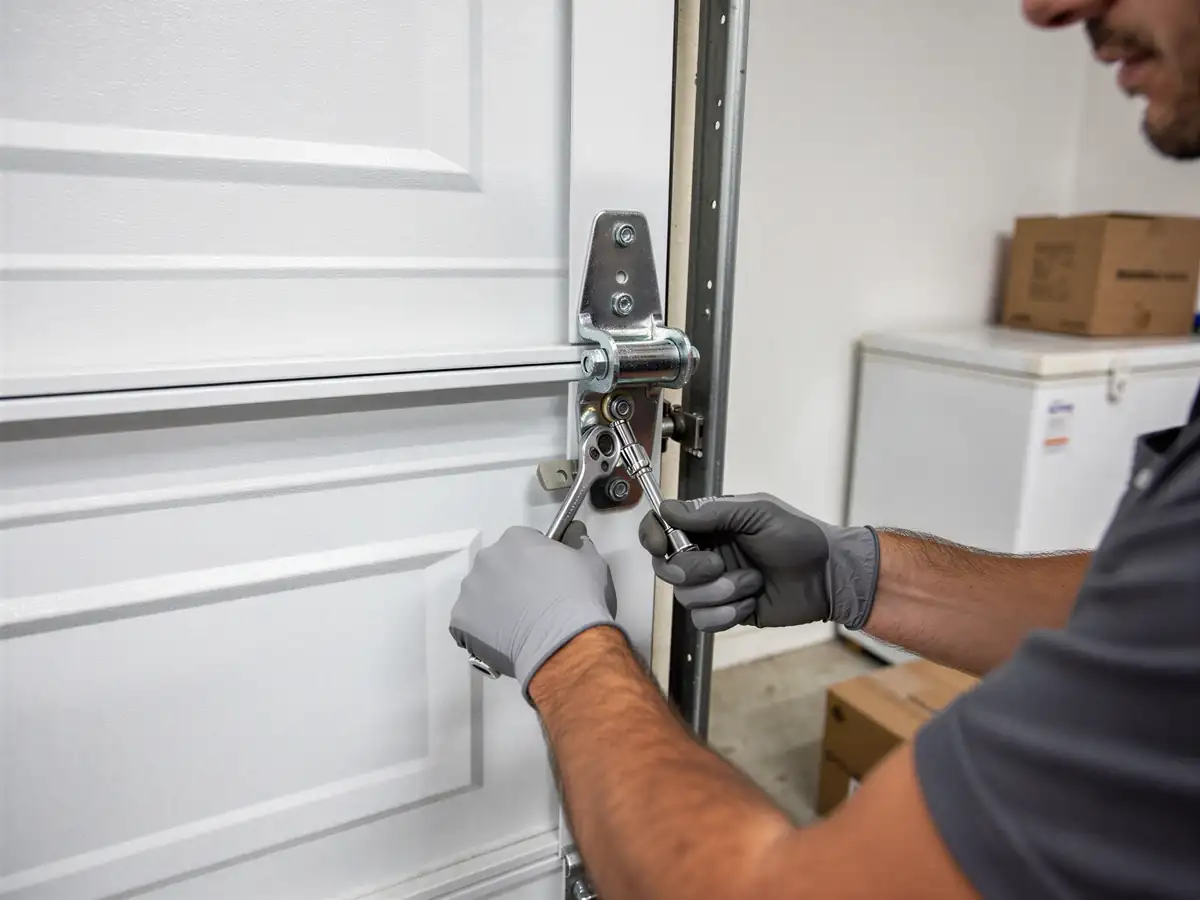
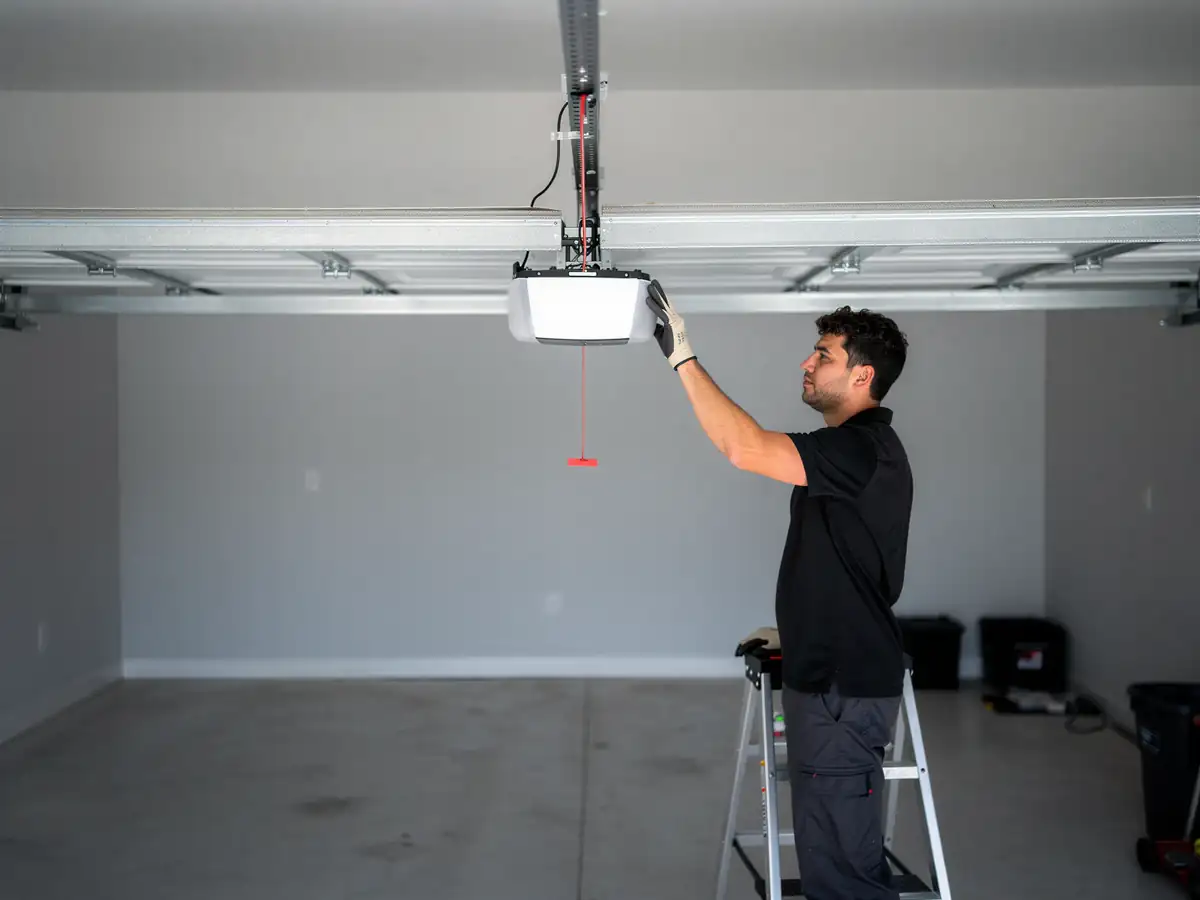
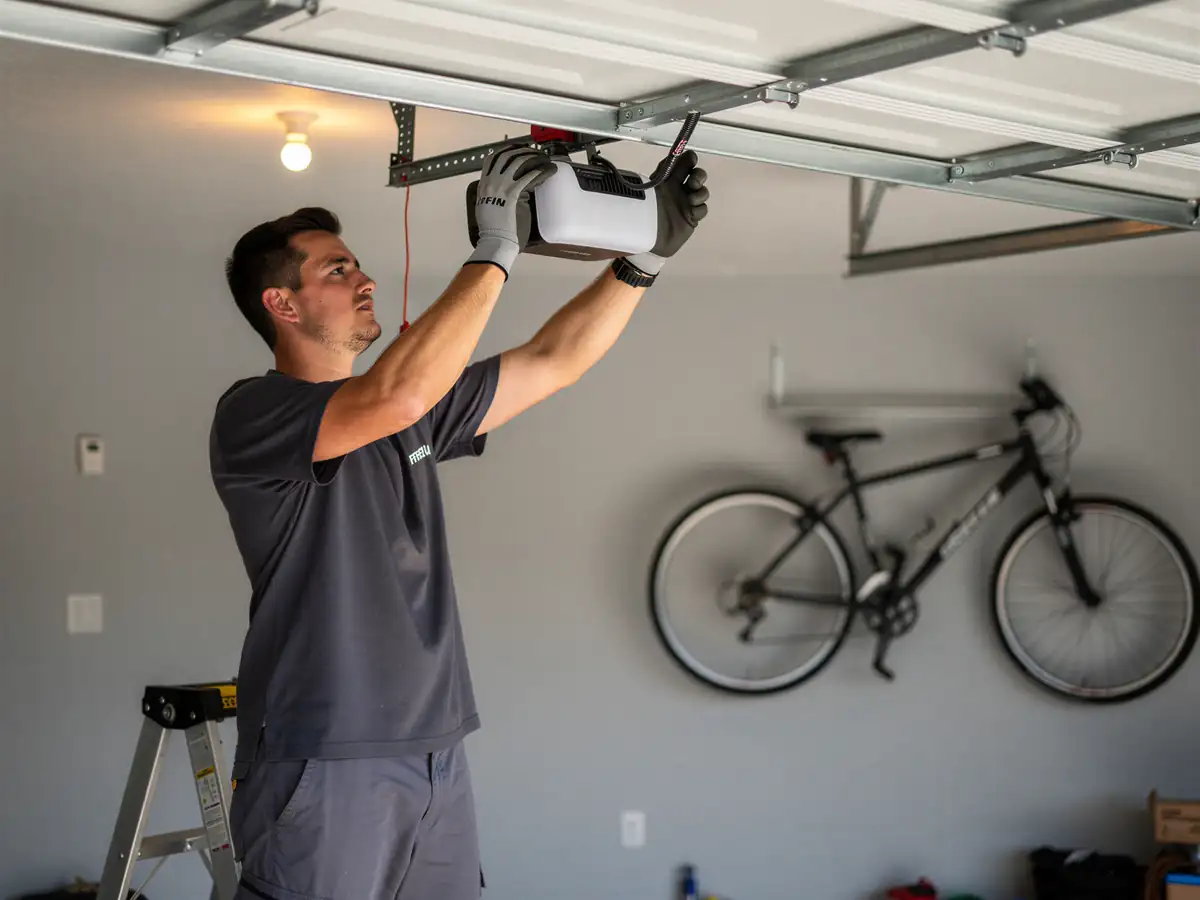
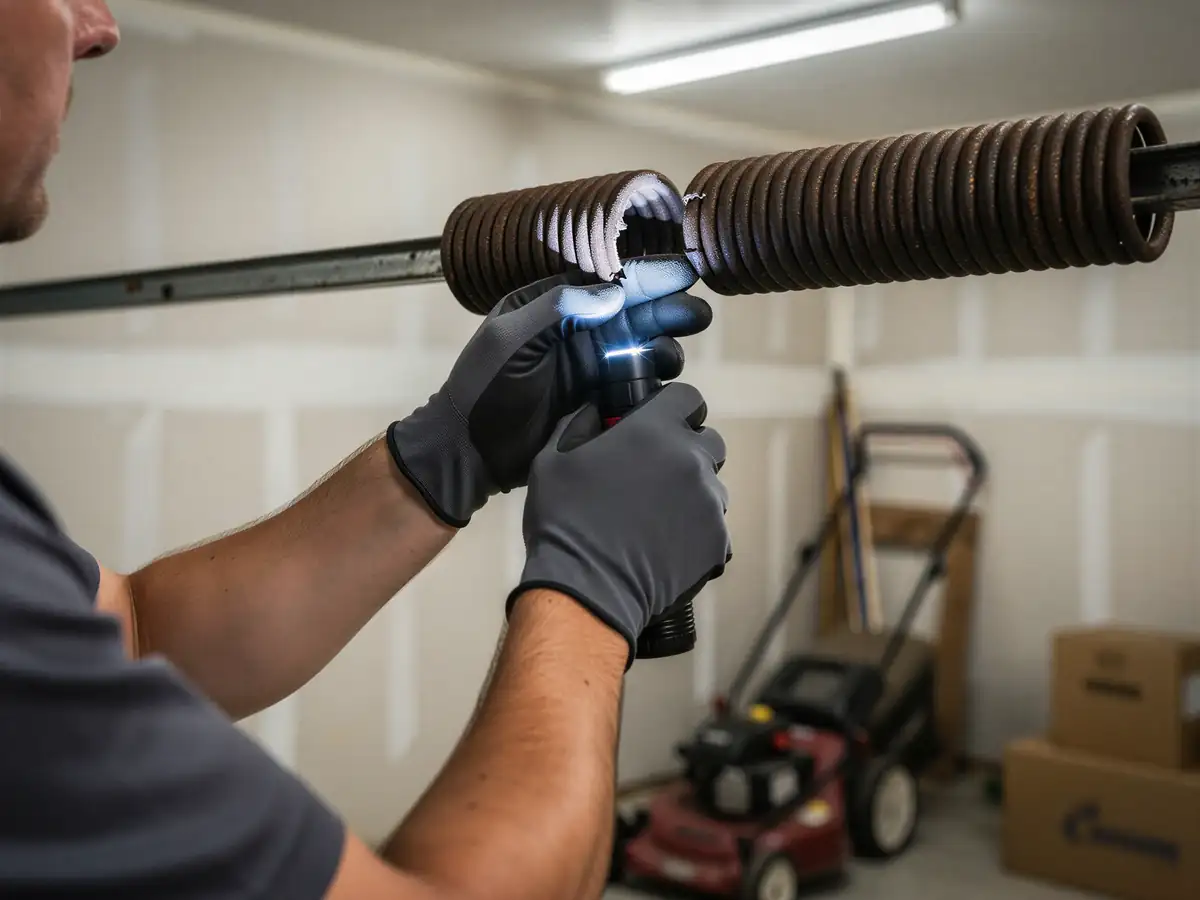
On houses from the early-to-mid 1980s, the most common issue isn't the door panel itself, it's what's behind it. Openers from that era, or their first replacements, often weren't sized for the heavier insulated steel doors homeowners want now, so a straight panel swap without checking the opener's lift capacity leaves you with a door that struggles or trips the motor. We also see tracks and spring sizing set for the original lighter door, which don't carry a heavier modern panel without an upgrade. None of this is unusual for houses this age - it's just something that has to get caught during the visit rather than assumed away.
What Is on the Truck
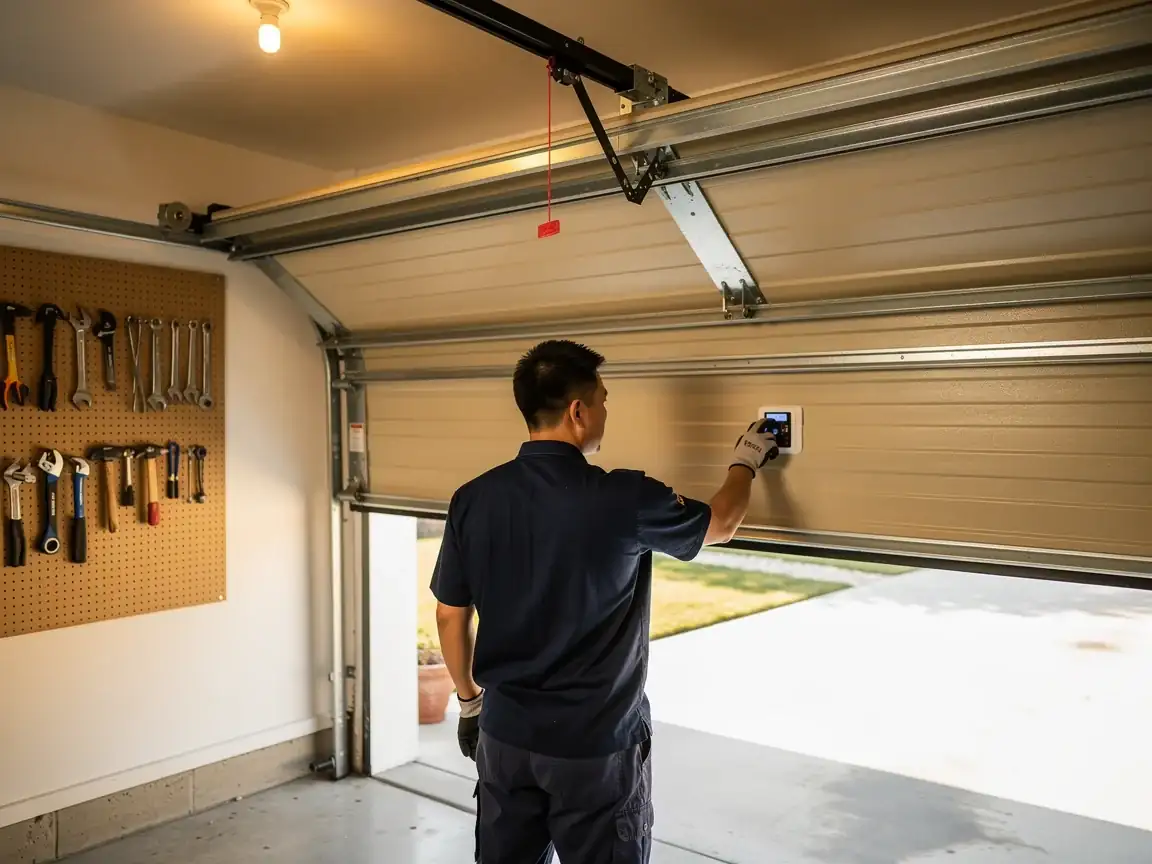
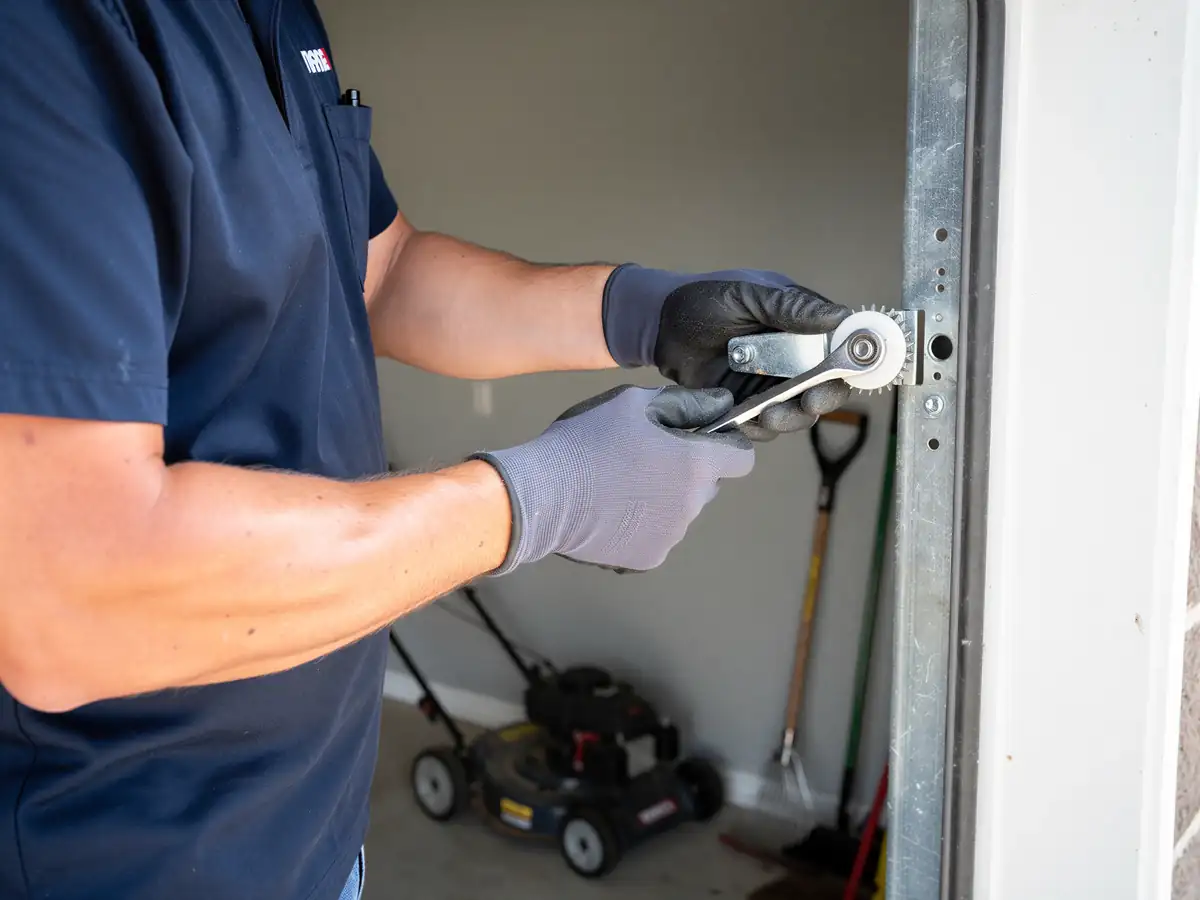
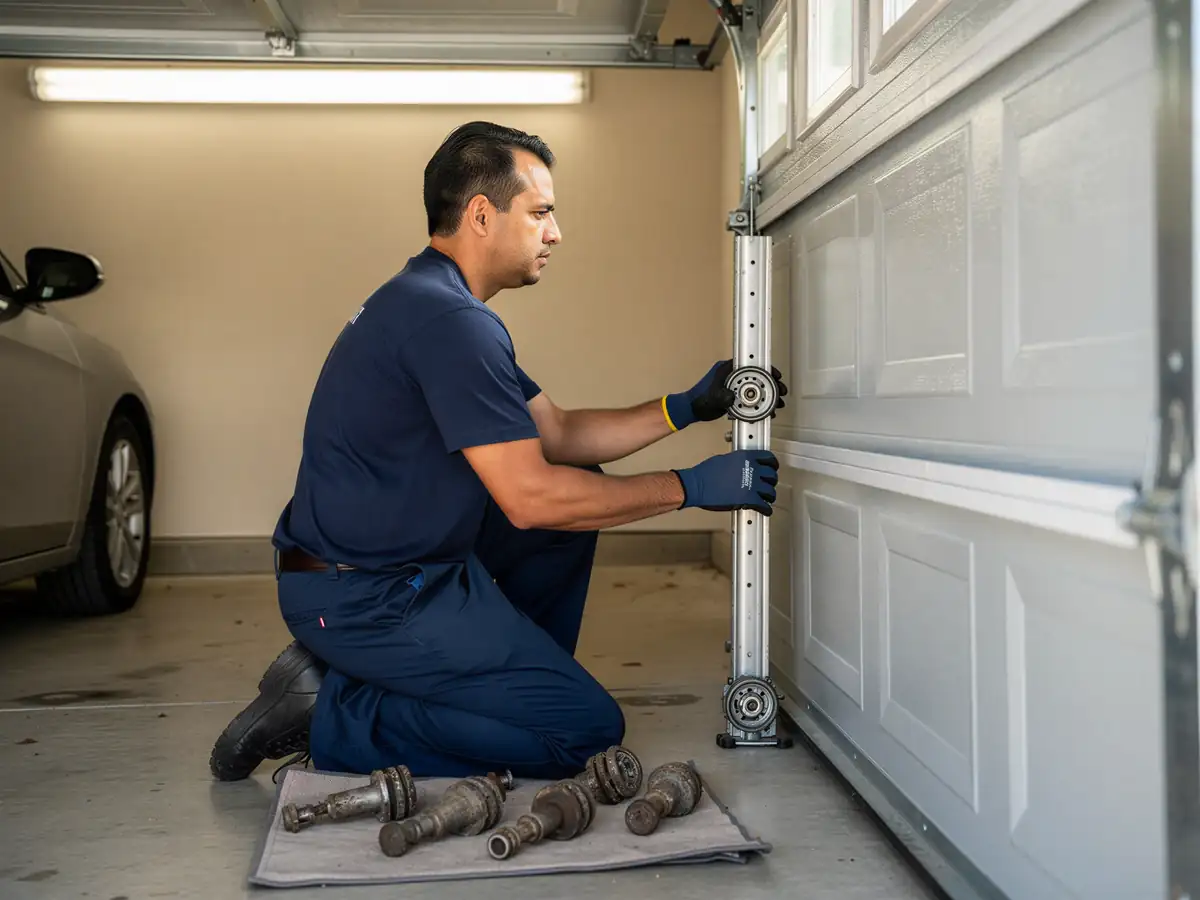
For a new install we carry the steel sectional panels in common widths, torsion springs rated for a range of door weights, galvanized track sections, and openers suited to our mild climate with occasional freeze nights rather than heavy snow load gear. What we don't carry is every custom width or a wood-composite door on the truck - those are special order, and if your opening is non-standard for this island's older housing stock, that part of the job has a lead time we'll tell you up front rather than promise around.
Why This Fails Locally
A generic installation quote built for newer Savannah-area construction doesn't hold up here. Wilmington Island's housing, centered around 1983, often has narrower headroom clearances and lighter original framing than houses built in the 1990s and 2000s elsewhere in the service area, and the area's median household income of $92,578 - a bit above the broader service area's $86,500 - means homeowners here are more often asking for upgraded insulated or higher-end doors rather than base builder-grade replacements. A quote that doesn't account for both the older opening and the higher-spec expectation ends up either underselling the hardware or overselling a door that won't physically fit.