How We Fix It
We drive out from Savannah, about 13 miles
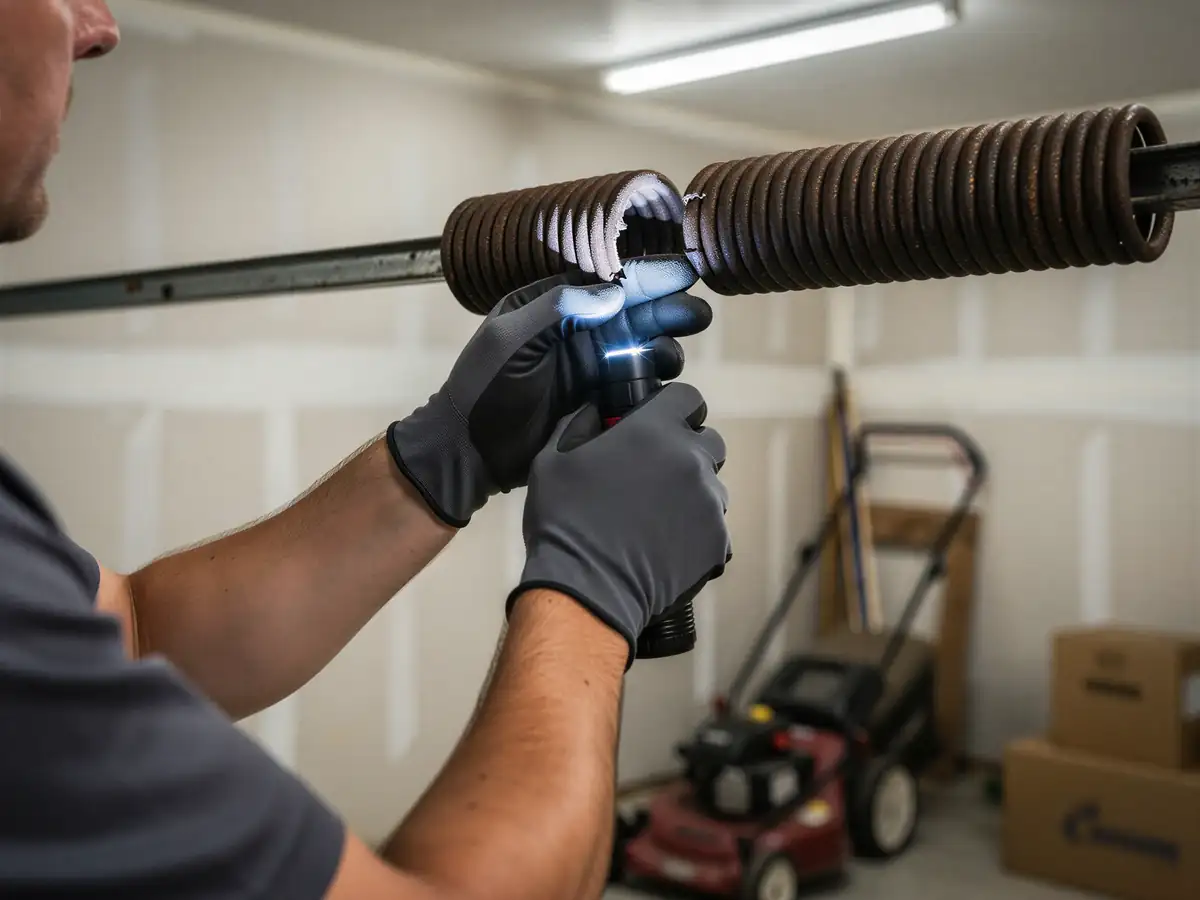
So the first thing on the phone is figuring out what's actually broken before a truck leaves the yard. A door that won't open is almost always one of three things: a snapped torsion spring, a cable off the drum, or an opener that's lost its mind. We ask what it's doing - grinding, silent, moving and stopping - because that tells us more than a description of "it's broken" ever will.
- 13 miles
Once we're there, the fix depends on the age of the hardware
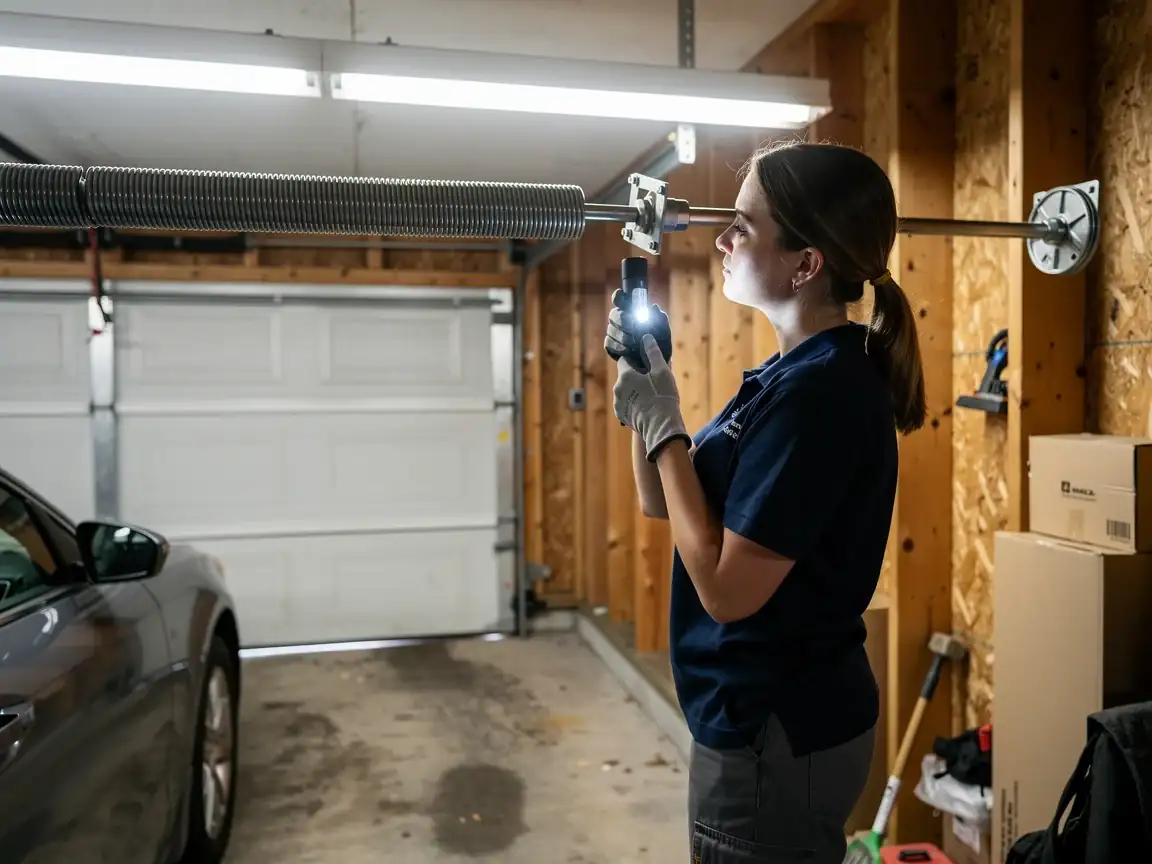
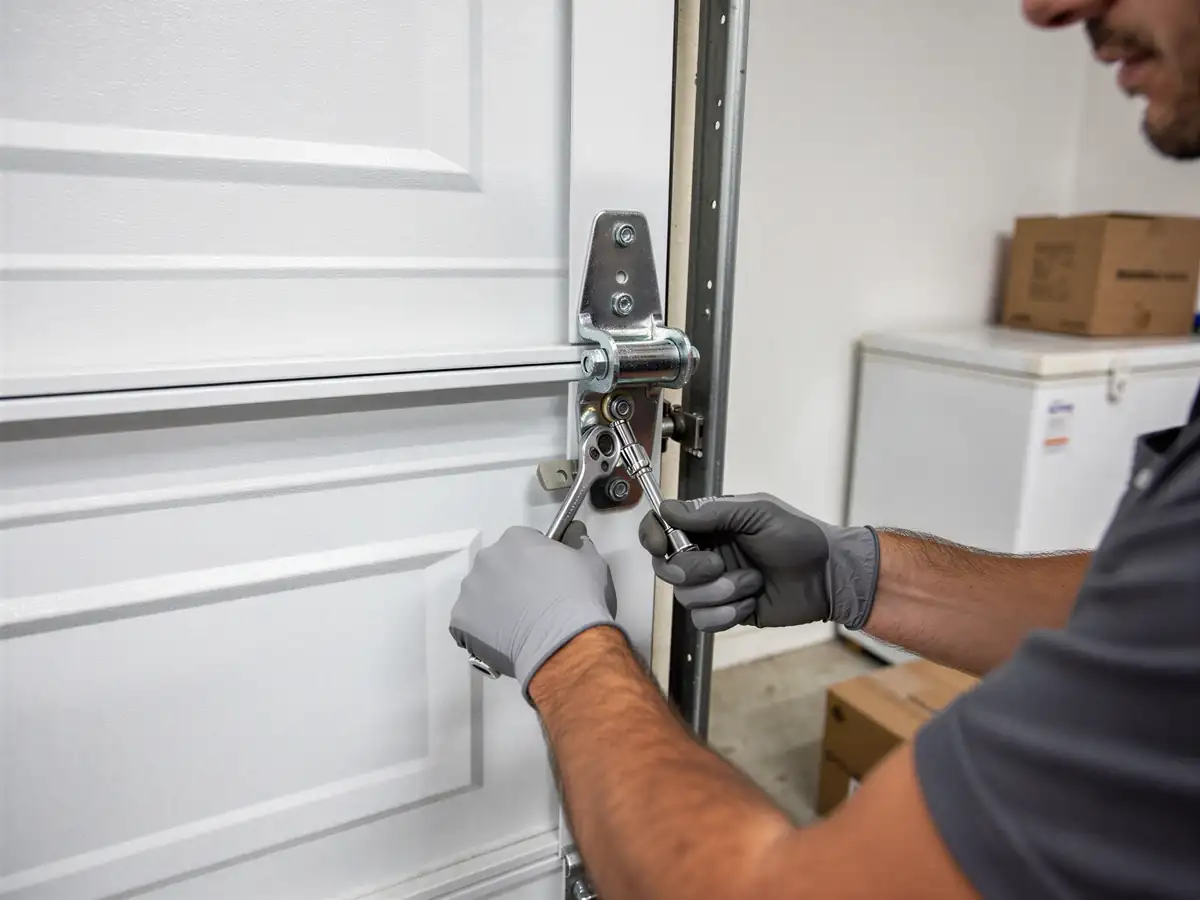
A lot of the island's garage doors date to the early-to-mid 1980s, which puts them in that run of 1980s-90s stock common across this stretch of the coast. That era's torsion springs and drums were sized for lighter steel doors than what's sold today, so matching the wind and cable gauge matters more here than it would on a newer install. We carry a spread of spring sizes on the truck precisely because "close enough" on a torsion spring either strips the opener gears or breaks a second spring within the year.
We don't replace what doesn't need it
If a cable jumped the drum and the spring's fine, that's a twenty-minute job, not a new door.
Booking a Visit
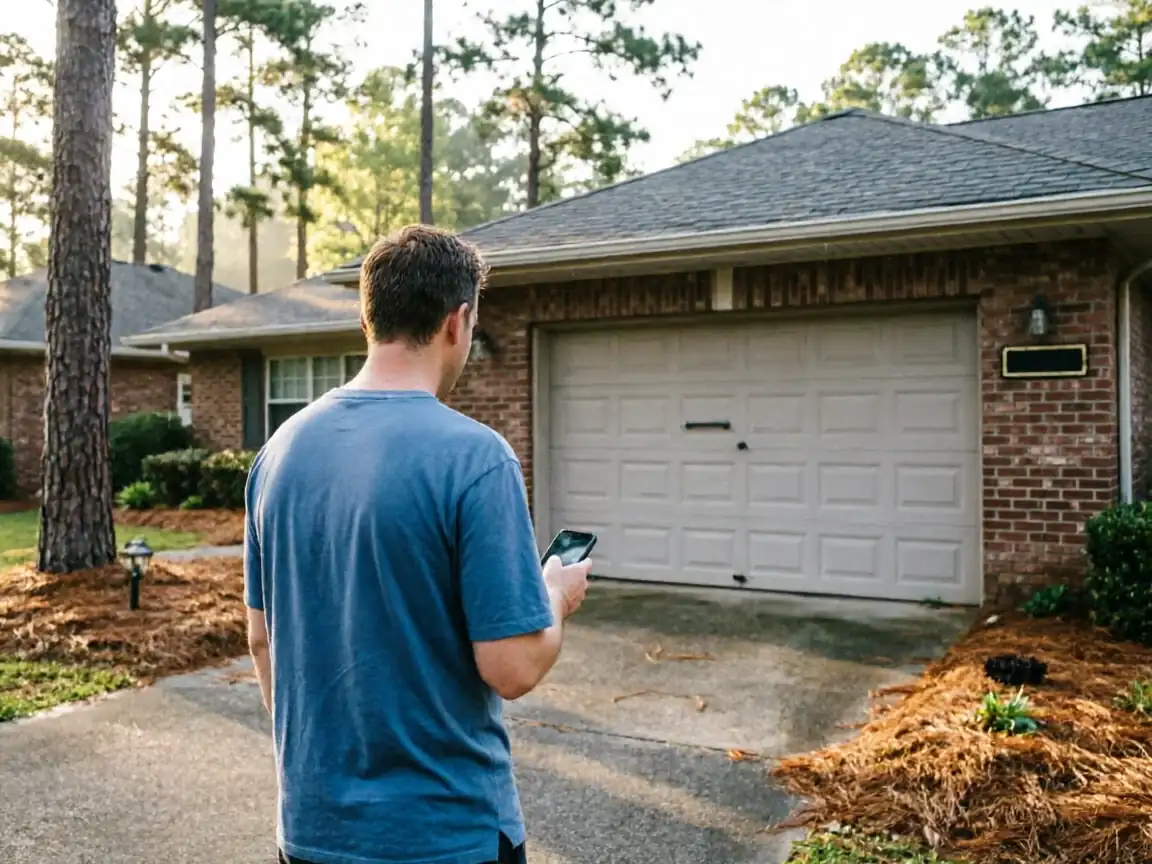
Call and tell us what the door is doing - won't budge, opens partway and stops, makes a bang and drops. That diagnosis over the phone decides what's on the truck when we head out, which saves a second trip.
We don't run a branch on the island itself; every call is dispatched from Savannah, roughly 13 miles out. That's worth saying plainly so nobody's expecting a crew parked around the corner. It also means we're honest about sequencing - if three calls come in across the service area at once, we tell you where you land in that order instead of promising a window we can't hold.
Have the door's age handy if you know it, and whether it's ever been serviced. A door original to a 1983-built house behaves differently under a spring failure than one installed in the last ten years, and that changes what we bring.
What Can Go Wrong
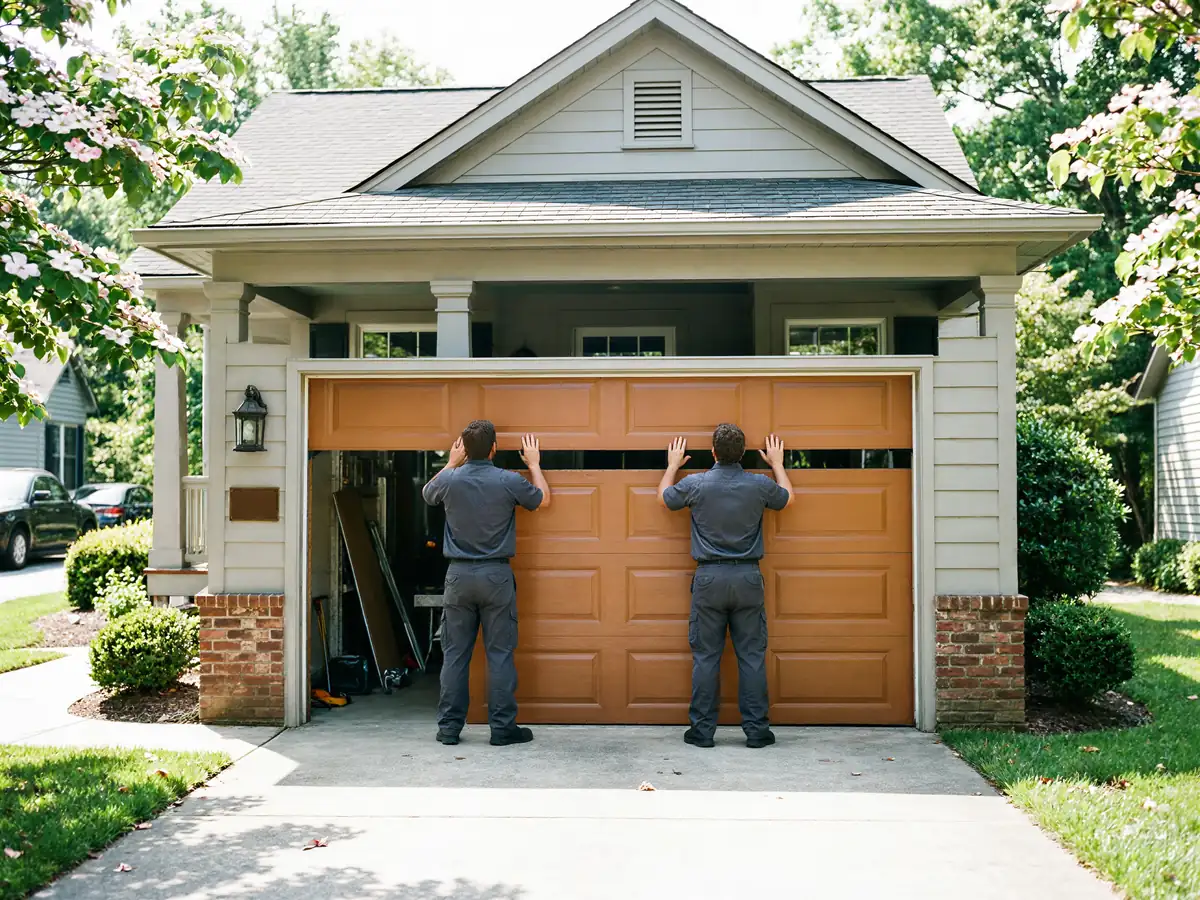
The most common emergency call out here is a broken torsion spring on a double door - the kind of failure that happens with a loud bang and the door stuck halfway, too heavy to lift by hand. Houses built in the early 1980s are hitting the stretch where original springs, cables, and rollers are at or past the end of their practical life, and when one goat goes, the opener often tries to compensate until its gears strip too.
The climate here is mild with occasional freeze, which isn't brutal on doors the way a hard winter would be, but it does mean metal parts go through expansion and contraction cycles across the year. Lubricant that's dried out on a track lets a roller bind, and a bound roller under torsion spring tension is how a cable jumps the drum.
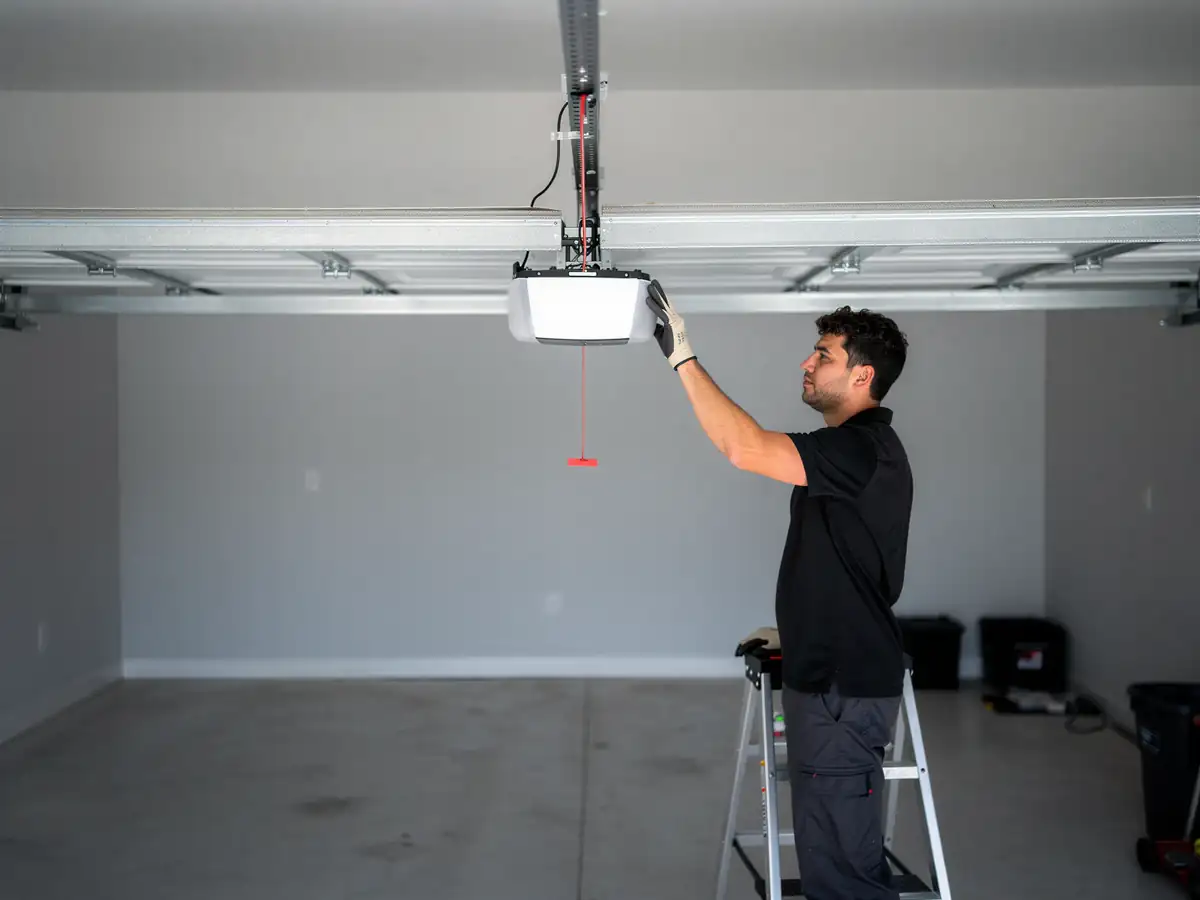
Openers from that same building era are a separate problem: circuit boards from the 1980s and 90s weren't built to current safety-reversal standards, and parts for them are getting harder to source every year. When an opener that old fails, repair isn't always the cheaper option once you account for the board and the logic board together.
The DIY Question
Don't touch a broken torsion spring yourself
It's wound under enough tension to break a bone, and that's true regardless of the door's age. That's the one line we don't soften for anybody.
What you can check safely
The photo-eye sensors near the floor, which cause a lot of "the door won't close" calls and cost nothing to clear if something's blocking them. You can also look at the track for visible gaps or bent rail, and listen for a grinding gear sound versus a dead silence from the opener - that distinction alone tells a technician a lot before they even arrive.
Beyond that, with a house built in the early 1980s
The cable and drum assembly is old enough that what looks like a simple adjustment can be hiding a worn spot about to let go. We'd rather talk you through what's safe to look at over the phone than have you find out the hard way.
What Is on the Truck
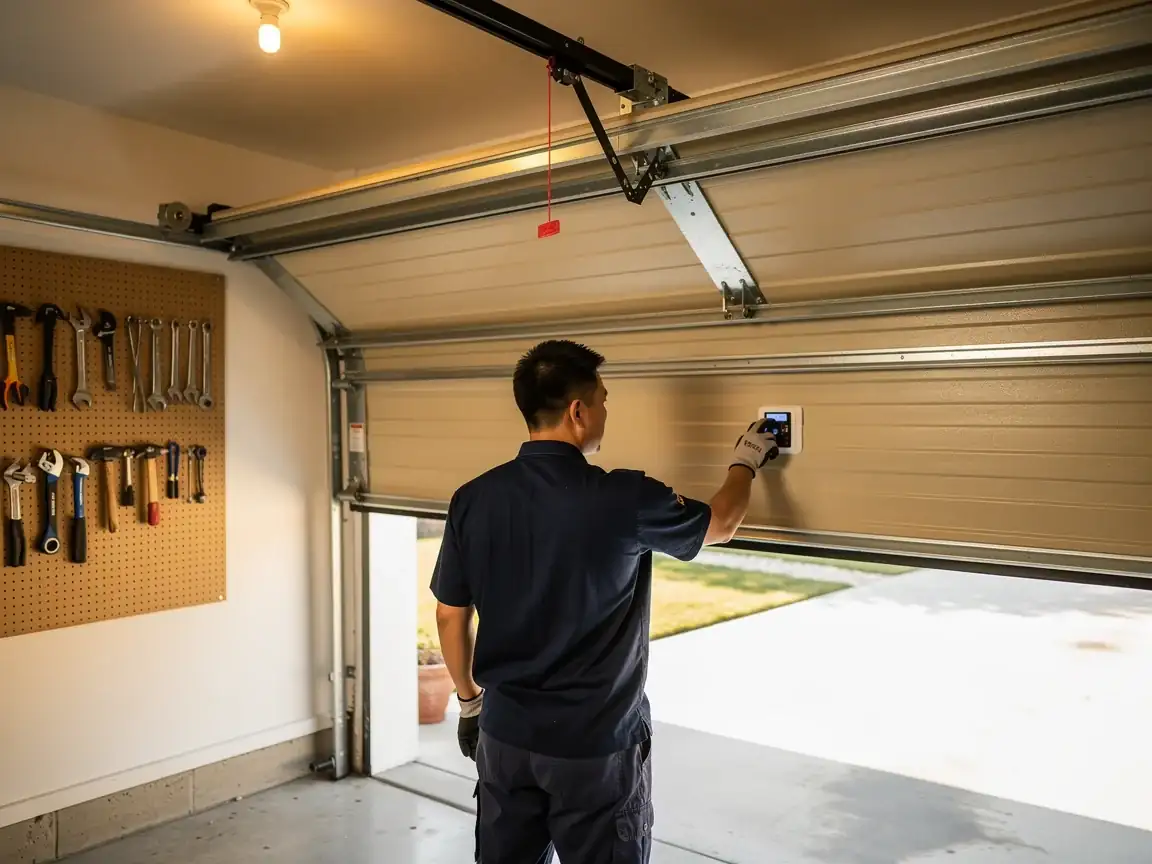
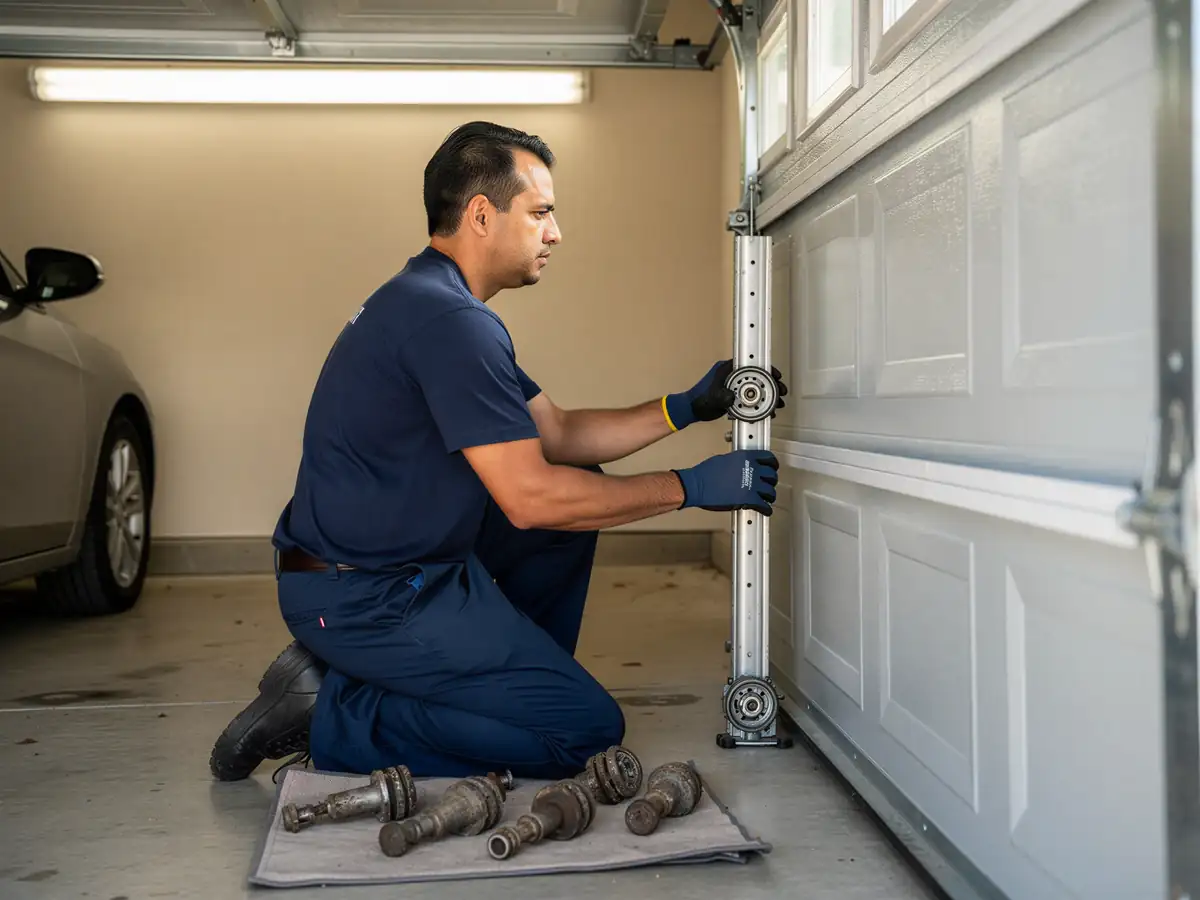
Spring sizes across a range, because a door sized for 1980s construction doesn't always match what's stocked for new builds - we carry both. Cable, rollers, and drums in the common gauges for that era's torgue, plus standard rollers for later installs since the island's stock spans from the early 80s up through more recent rebuilds.
We keep a stock of photo-eye sensors and standard logic boards for openers, though a board for an opener original to a 1983 house isn't always something we can match exactly - that's the honest limitation. If a part's obsolete, the call often becomes repair-now-replace-later rather than a same-visit fix, and we'll say so rather than promise a part we don't have in hand.
Given the mild, occasional-freeze climate here, we don't carry heavy cold-weather lubricants built for hard freeze regions - standard lithium grease does the job on this coast.
Why This Fails Locally
The median household income on Wilmington Island is $92,578, noticeably above the $86,500 median across the broader Savannah service area. That gap matters for one reason: when a spring fails on an opener and door that are both original to an early-1980s build, the repair-or-replace math tips toward replacement sooner here than it does in lower-income pockets of the service area, because the household budget can absorb it and the old hardware is already near the end of its run.
A generic repair approach - swap the spring, charge the call, move on - misses that most doors out here aren't isolated failures. They're houses from the same construction window hitting the same age wall at close to the same time. Across roughly 6,018 households on the island, that's a predictable wave of torsion spring and opener-board failures, not a string of unrelated bad luck.
Treating every call the same, regardless of the house's age, means missing the chance to tell an owner honestly: this spring will hold for now, but the opener behind it is close enough to original-era hardware that the next failure probably isn't a cheap one.