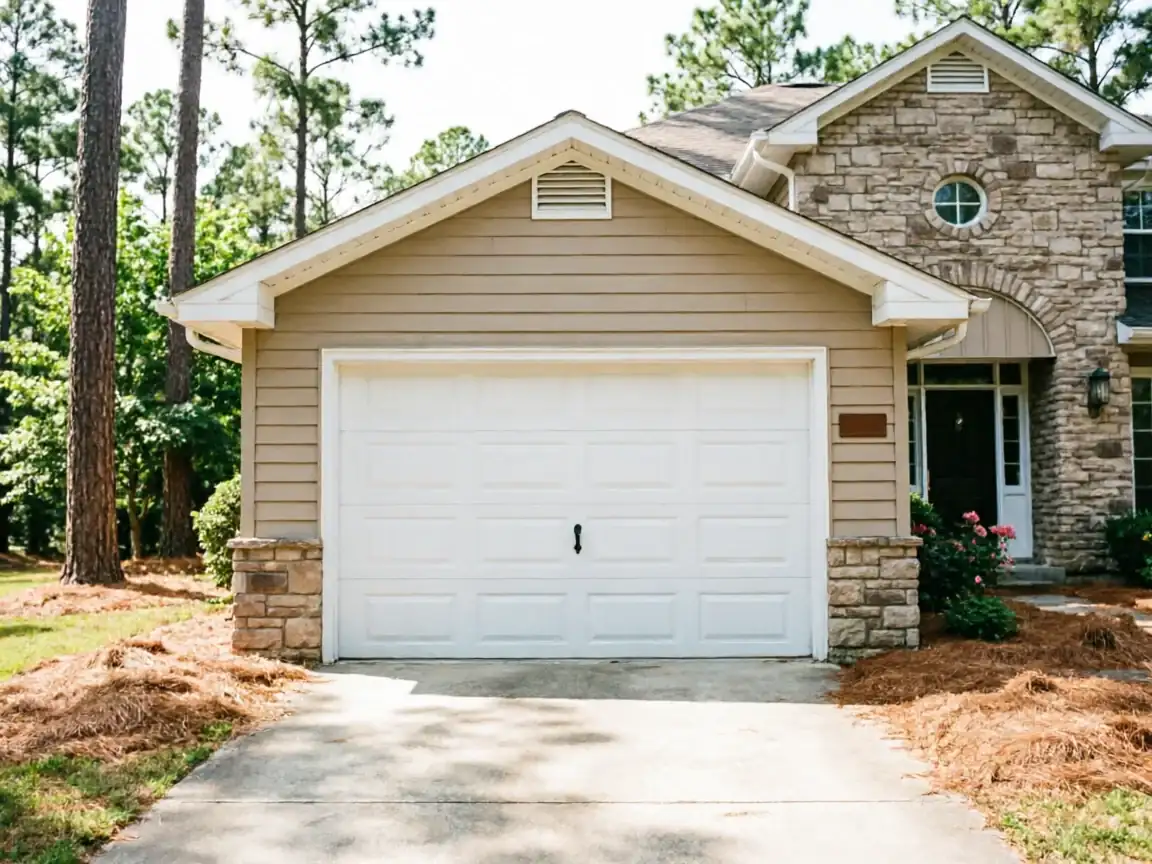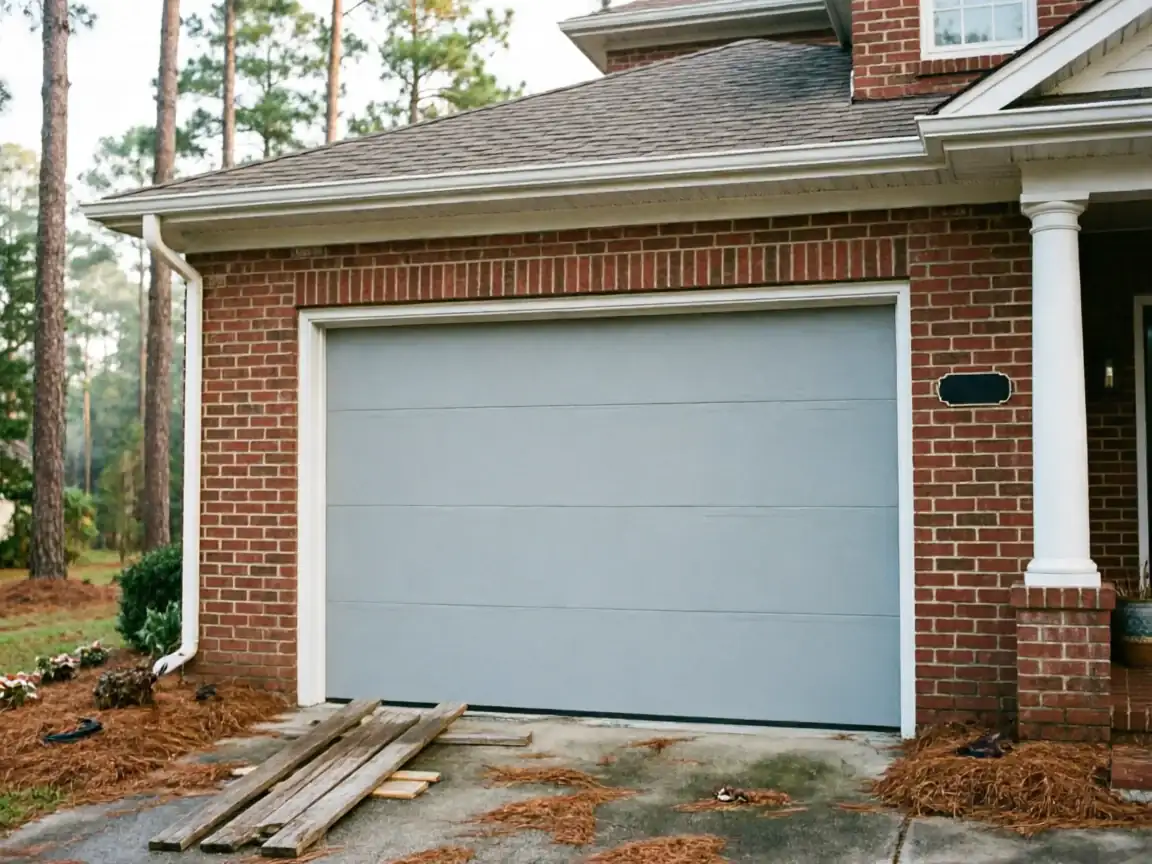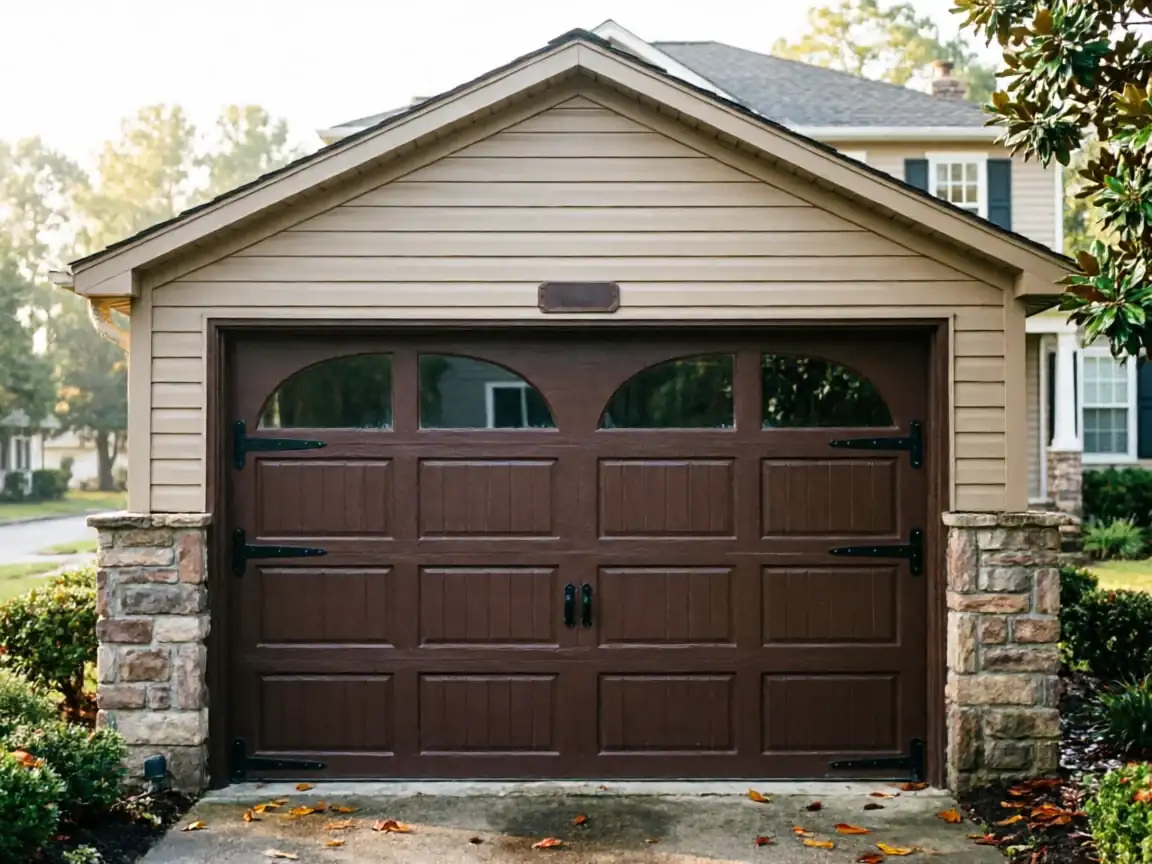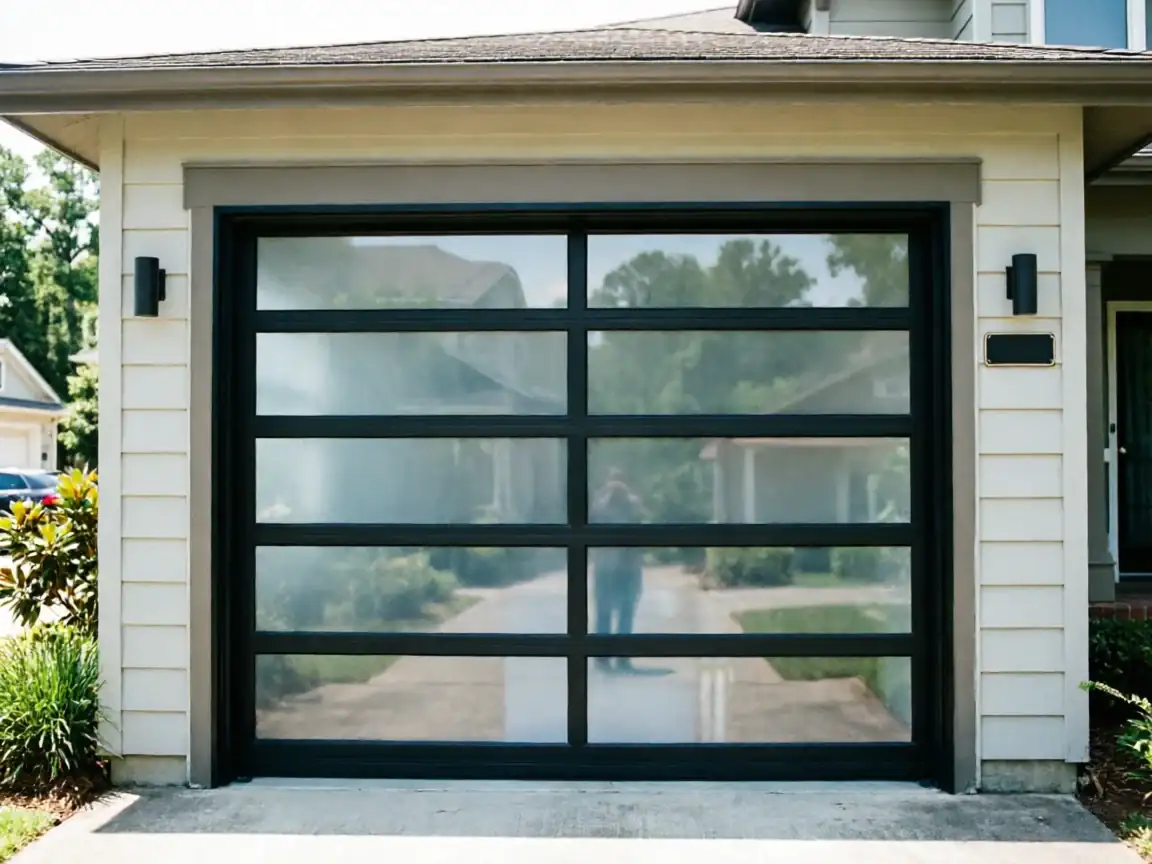
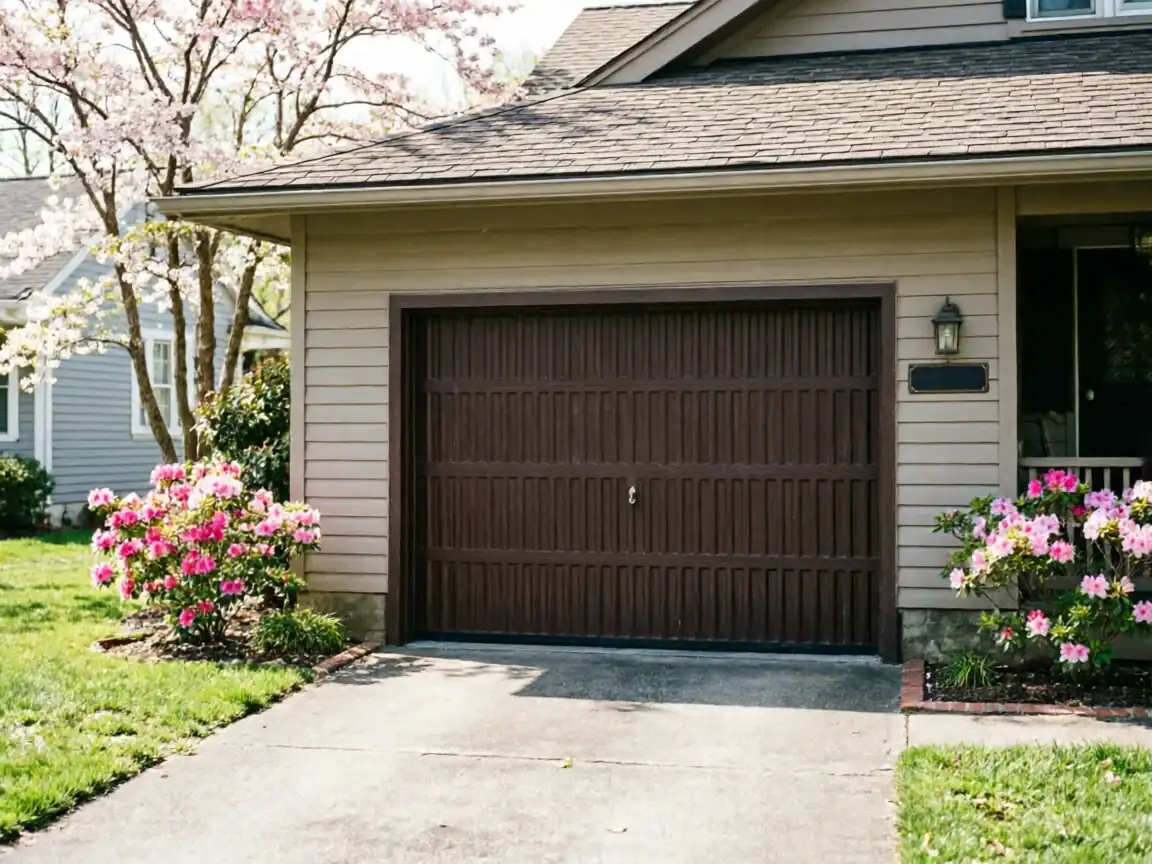
What You Are Seeing
Skidaway Island sits about ten miles out from Savannah, which matters more than it sounds
It's near the far edge of the service area, so a call here isn't a quick detour on the way to somewhere else - it's a dedicated trip.
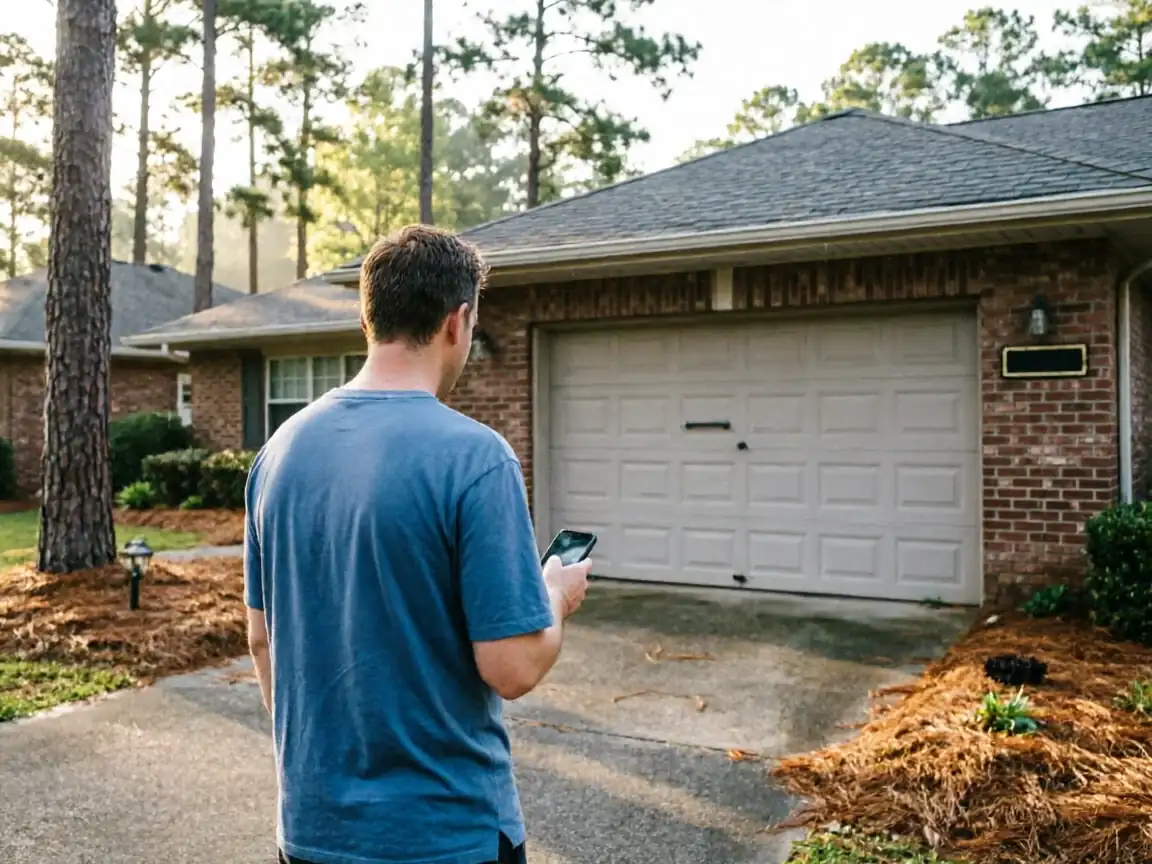
The houses on the island mostly went up around 1990
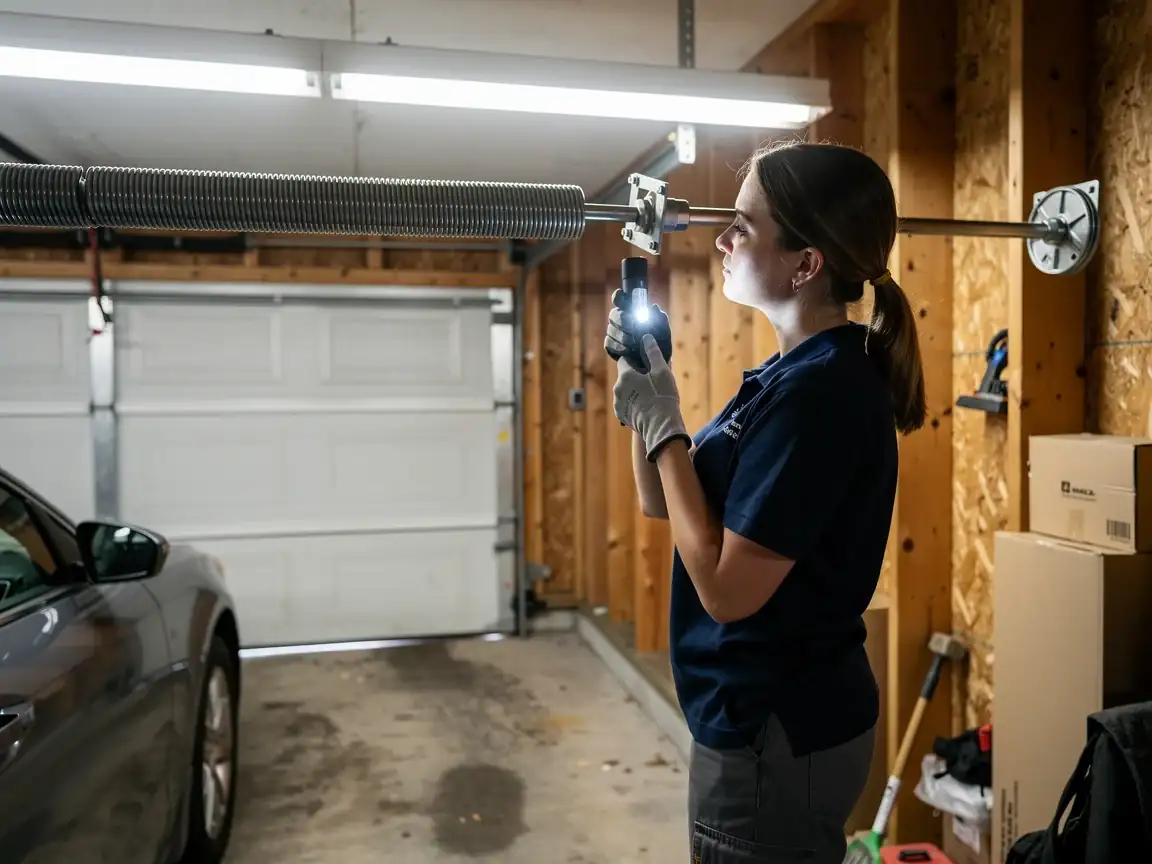
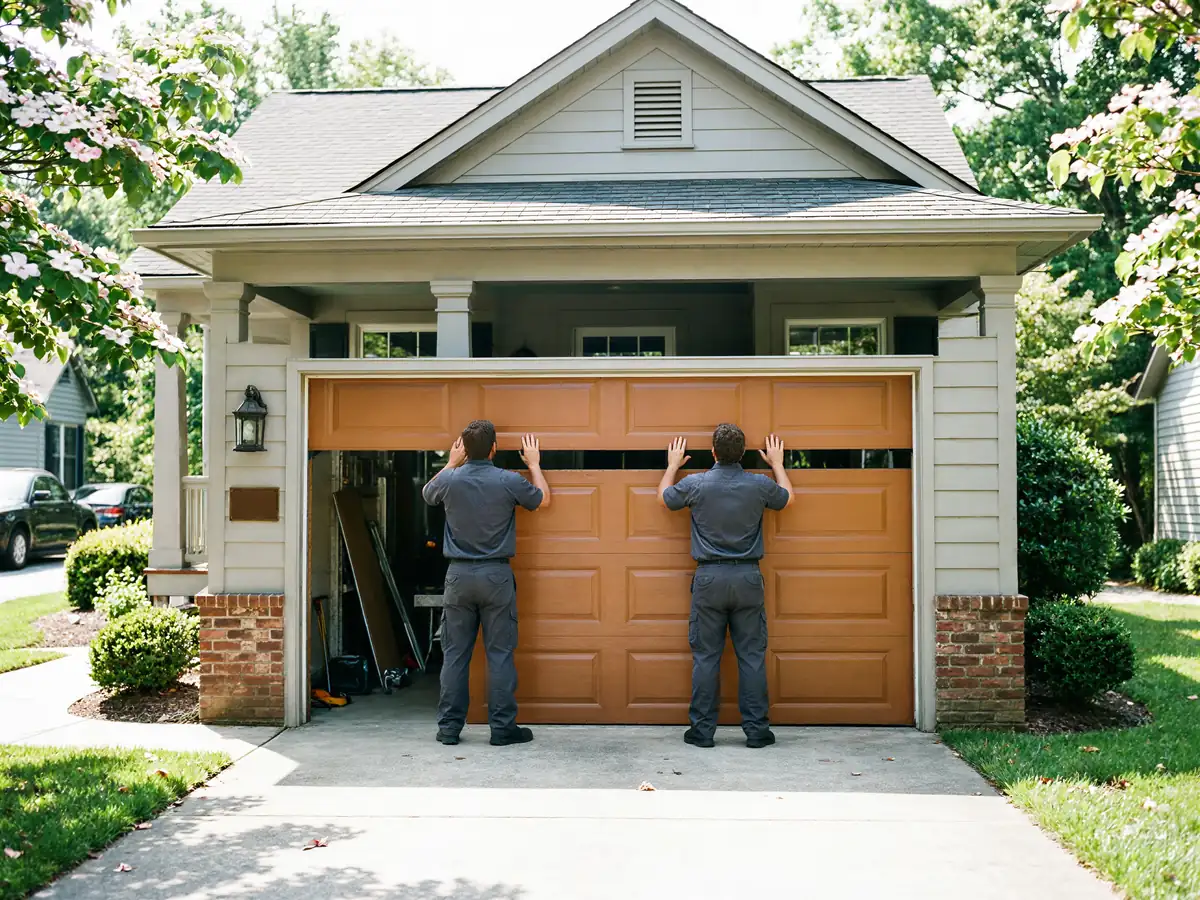
Which puts them later than a lot of the stock closer to the city core, where original construction runs anywhere from 1964 through 2011 depending on the pocket. That later build date usually means steel sectional doors on torsion springs rather than the older extension-spring setups you'd find in an early-60s neighborhood, but thirty-plus years still ages out original springs, nylon rollers, and the factory opener gear.
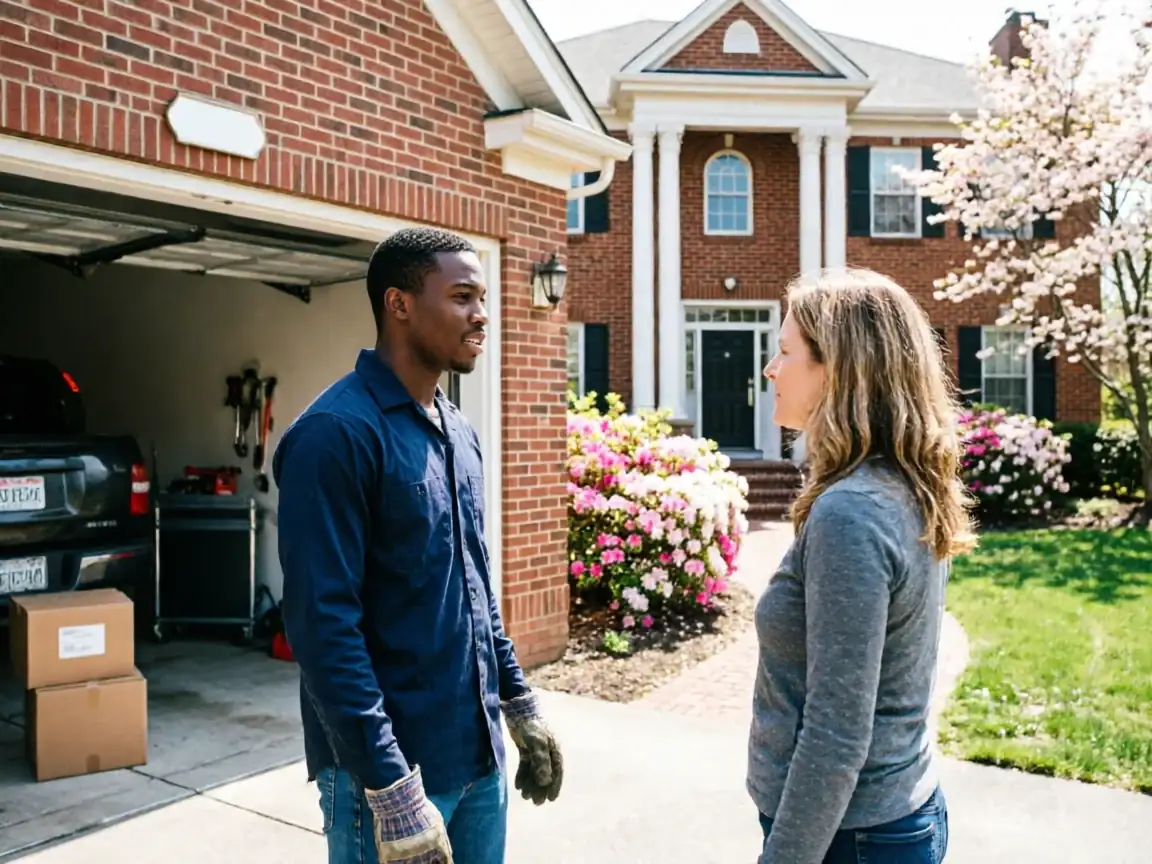
With a median household income of $121,991 on the island
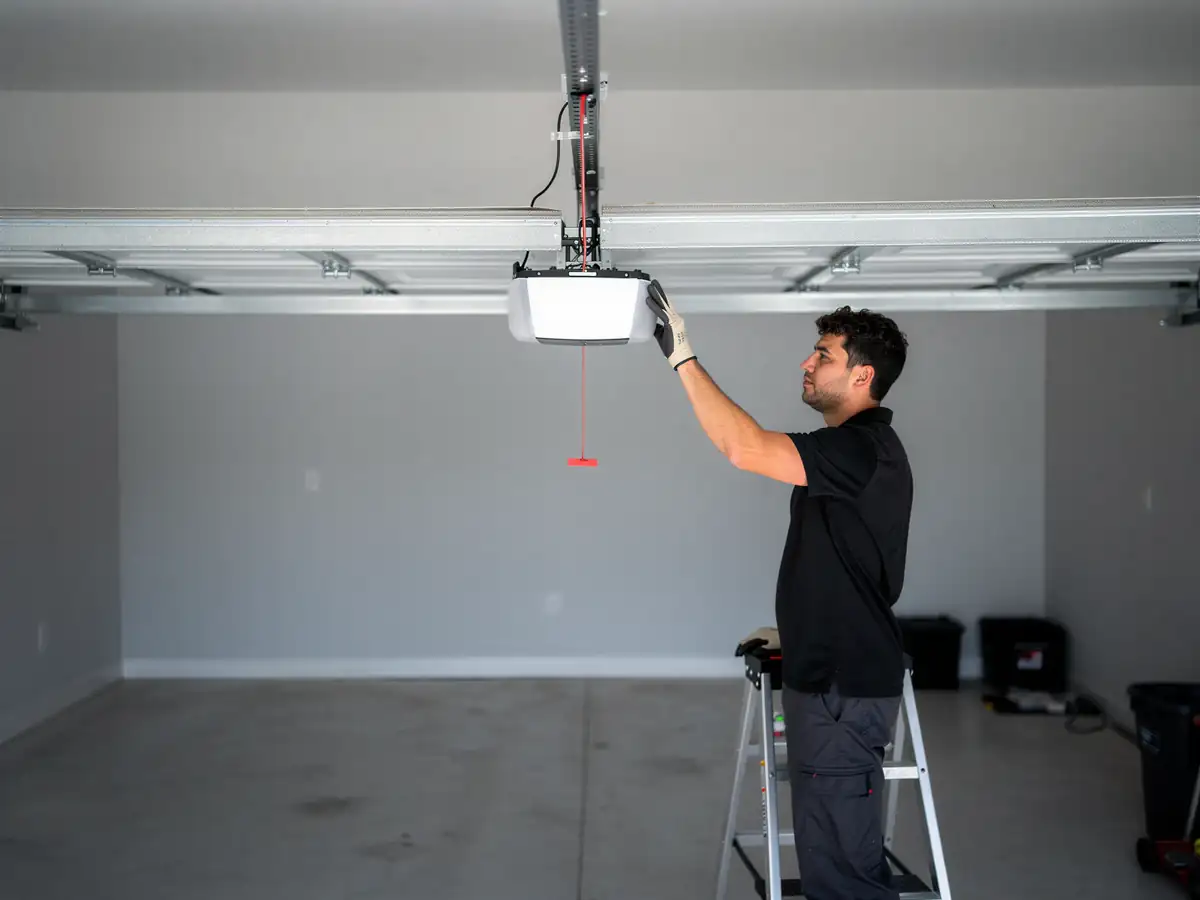
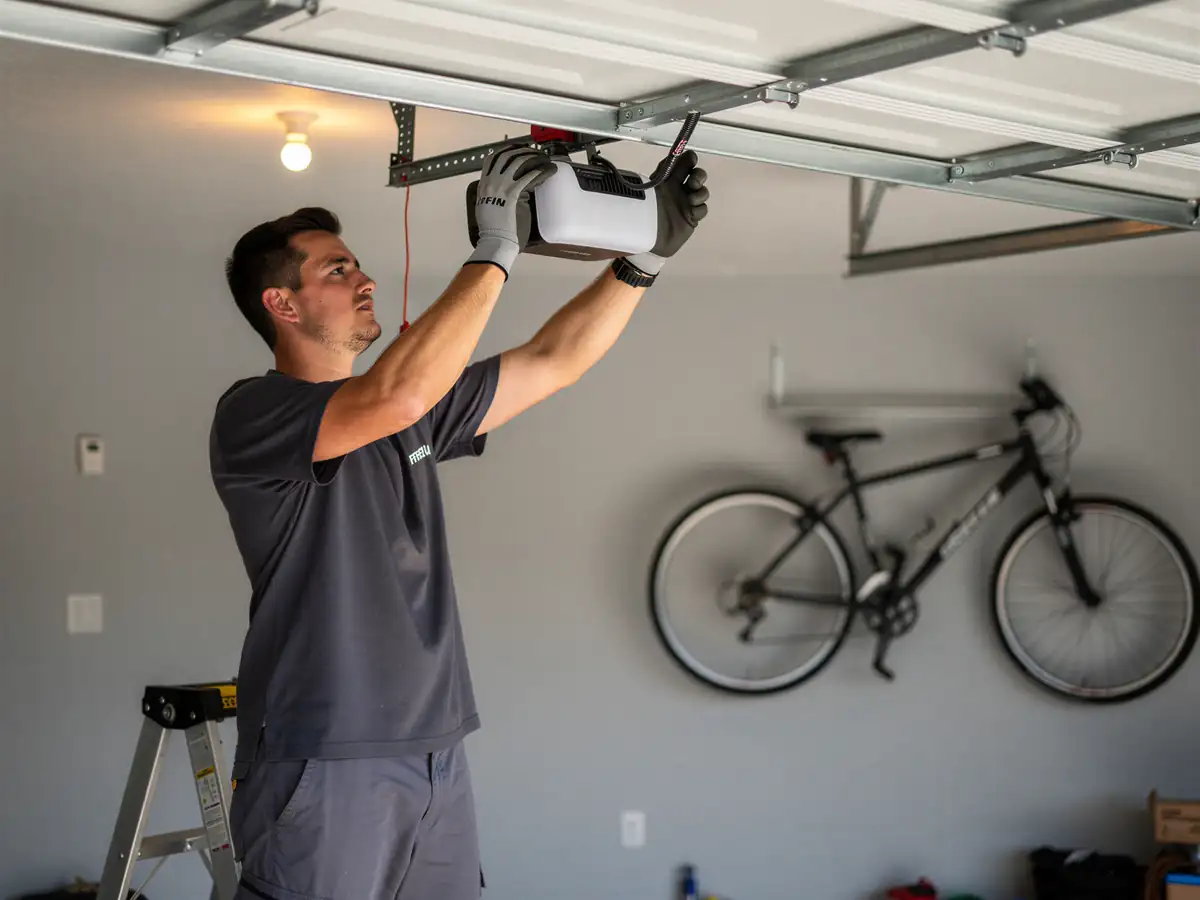
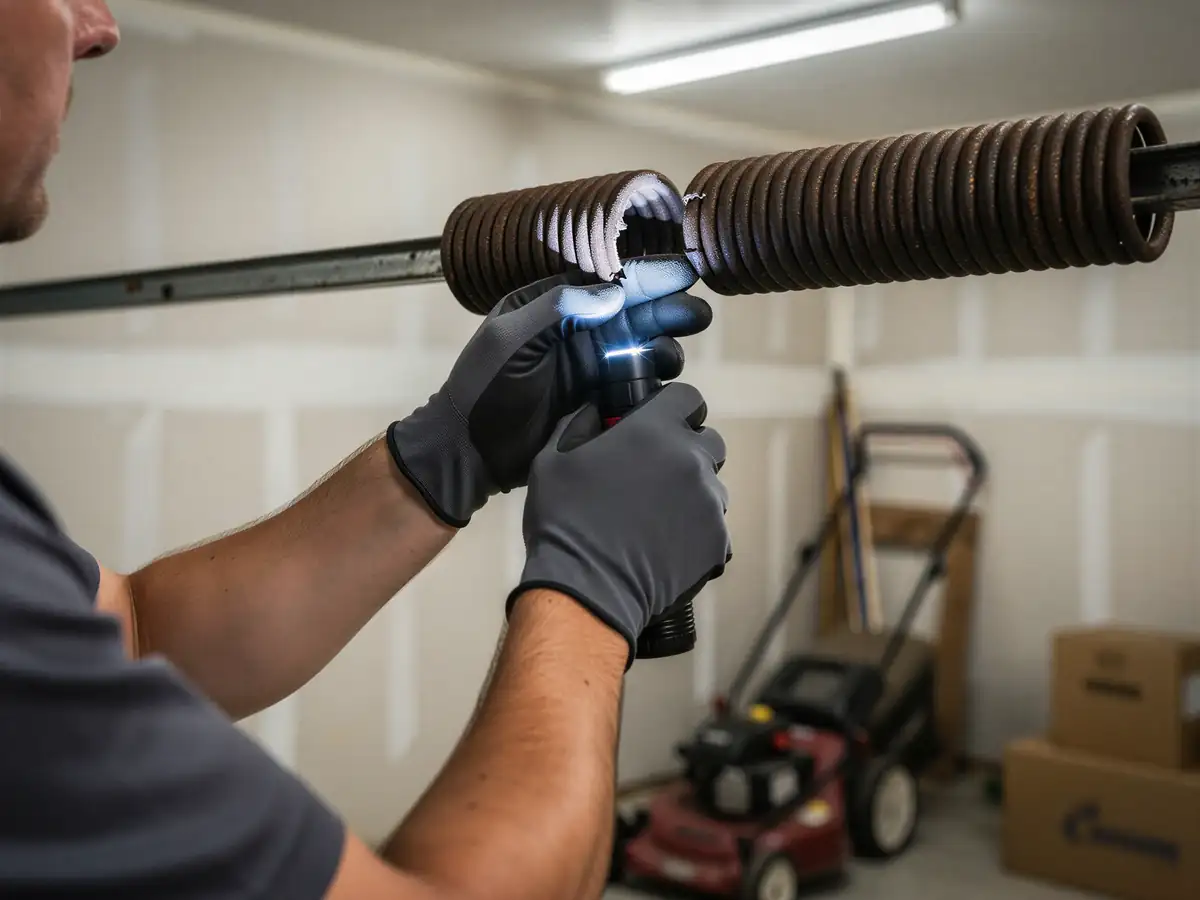
Well above the roughly $86,500 average across the wider service area - a fair number of these doors have already been upgraded once: heavier insulated panels, quieter belt-drive openers, sometimes a second keypad. That means the common call here often isn't "replace a cheap builder door," it's troubleshooting a mid-grade system that's a decade or two into its life and starting to show it - a spring at the end of its cycle count, a sensor that's drifted out of alignment, a drive gear worn smooth.
Time on the Job
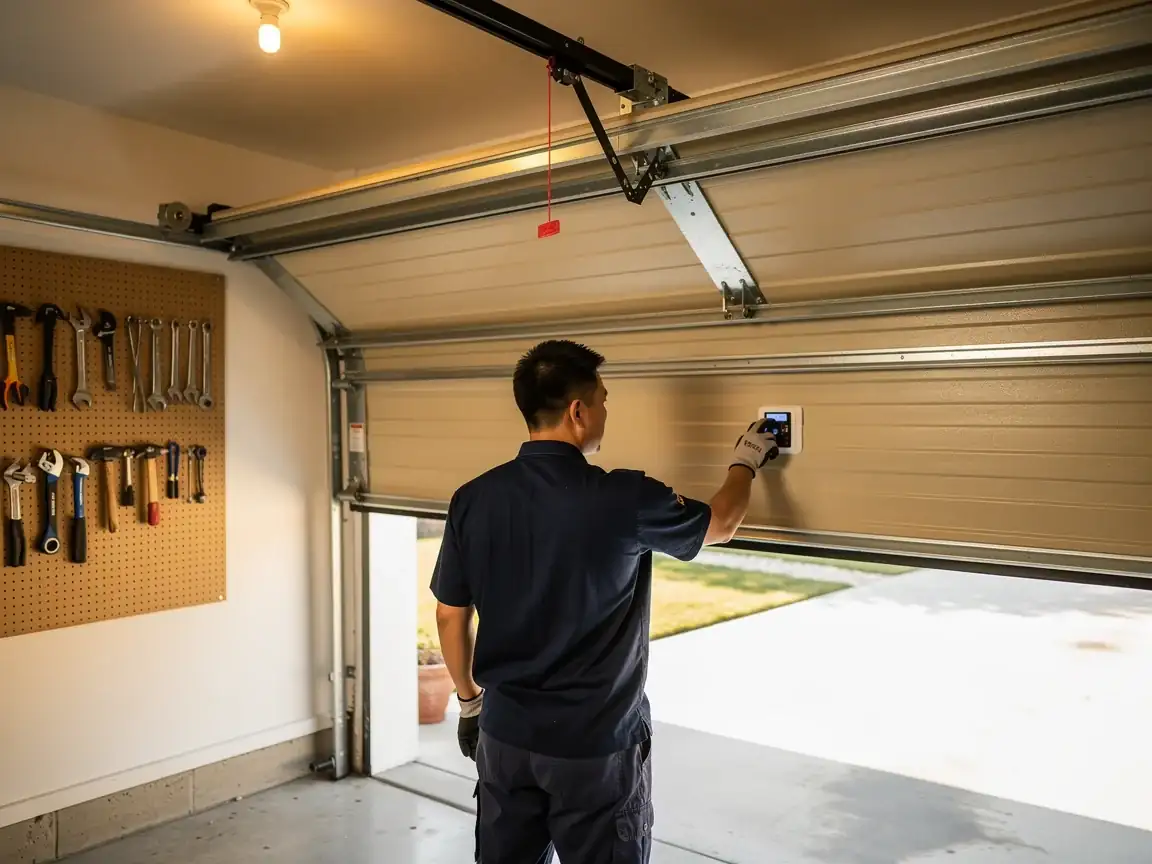
There's no branch out on Skidaway Island - every job here starts with that ten-mile drive from Savannah. That's not a complaint, it's just how the math works for scheduling: a tech leaving for the island is committed to the trip, so the work itself tends to get done in one visit rather than split across a return run for a part.
With roughly 4,242 households on the island, the housing stock stays fairly consistent in age compared to some of the service area's older, more mixed pockets. That consistency actually helps on the job - a tech who's worked a handful of island calls has seen the same opener models and door weights come up again and again, so diagnosing a stuck torsion spring or a misfiring safety sensor doesn't involve much guesswork once he's standing in the driveway.
The honest limitation: because the island isn't a quick five-minute hop, same-day availability depends more on how the day's route is already laid out than it would for a closer-in address. If the job turns out to need a part that isn't on the truck, that's a second trip, not a same-visit fix.
What It Costs
We're not going to list a number here that doesn't hold up once a tech is actually looking at the door, so there's no flat price quoted sight unseen. What drives the cost on an island call is mostly the same thing that drives it anywhere in the service area: whether it's a spring, a cable, an opener board, or a full door, and whether the hardware on hand is standard-sized or something heavier that got installed during a past upgrade.
Given the median income here runs well above the service-area average, it's common to find doors that were upgraded to insulated steel or wood-composite panels rather than the thinner builder-grade original. Heavier doors mean heavier springs, and heavier springs cost more to replace than the lighter ones on an untouched 1990s builder door. That's the real local variable - not the island itself, but what's actually hanging in the opening.
One thing worth saying plainly: if a door is old enough and worn enough that the repair cost starts closing in on half of a replacement, we'll say so instead of patching it a third time. That call isn't about the island, it's about not billing someone for a door that's done.
What Is on the Truck
The truck carries torsion and extension springs sized for the range of doors common across the service area's 1964-through-2011 building window
Which covers what you'll find on Skidaway Island without much trouble - most of the island's doors sit right around that 1990 build year, square in the middle of that range.
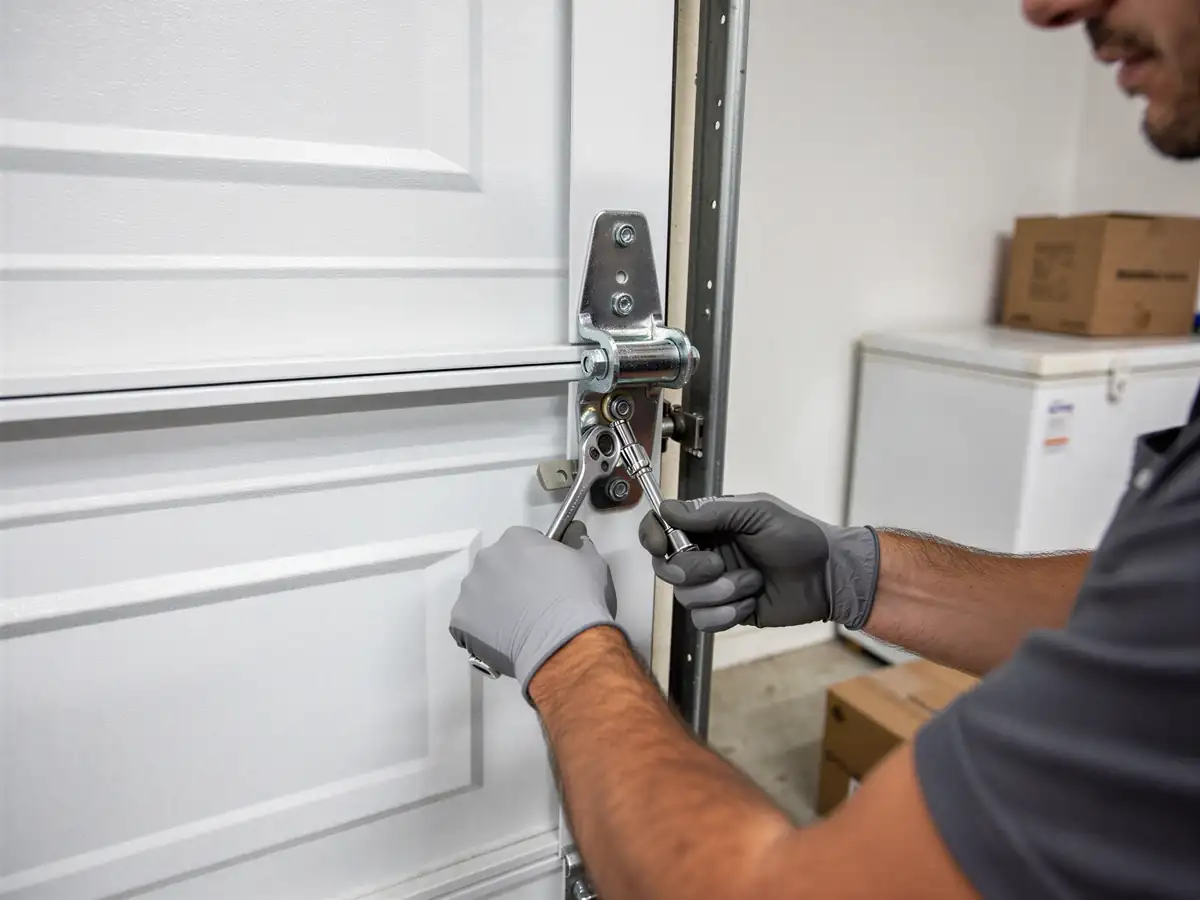
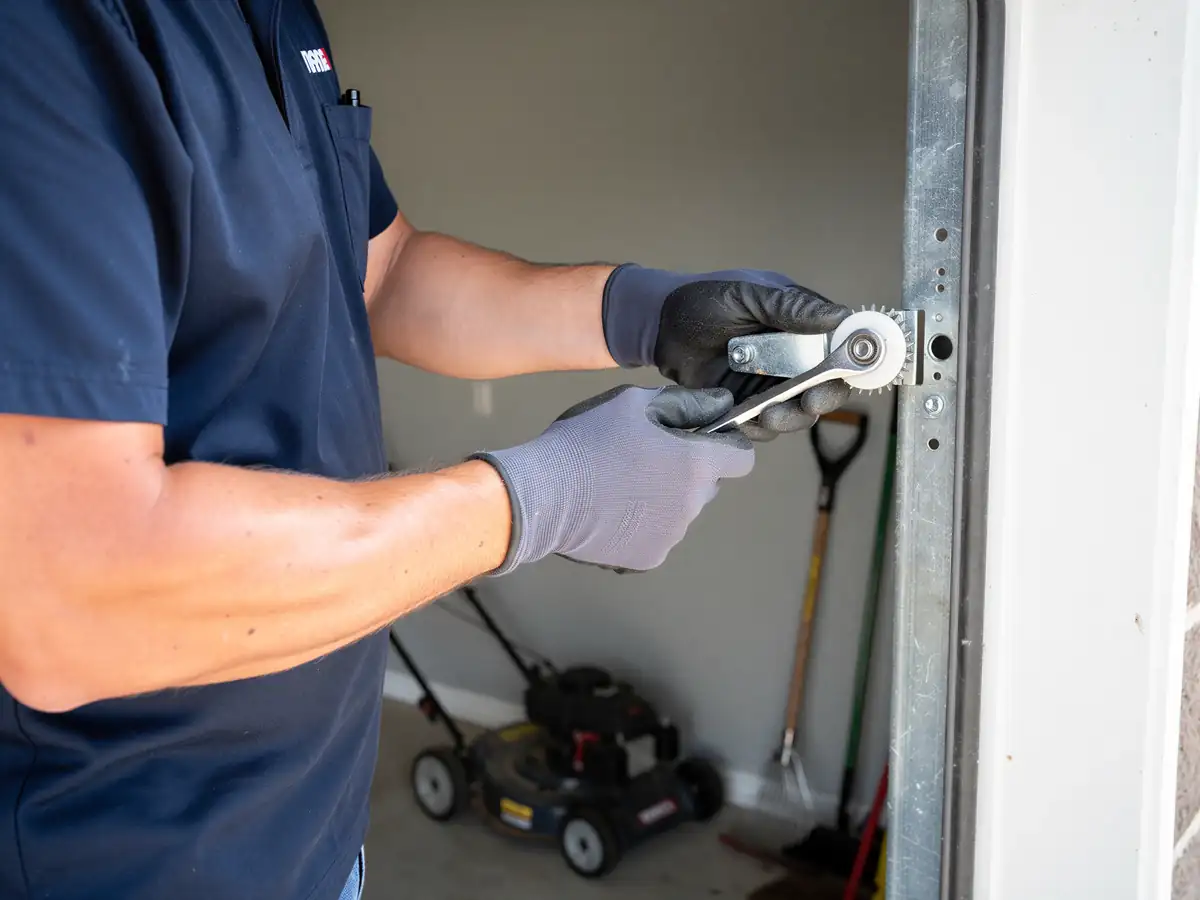
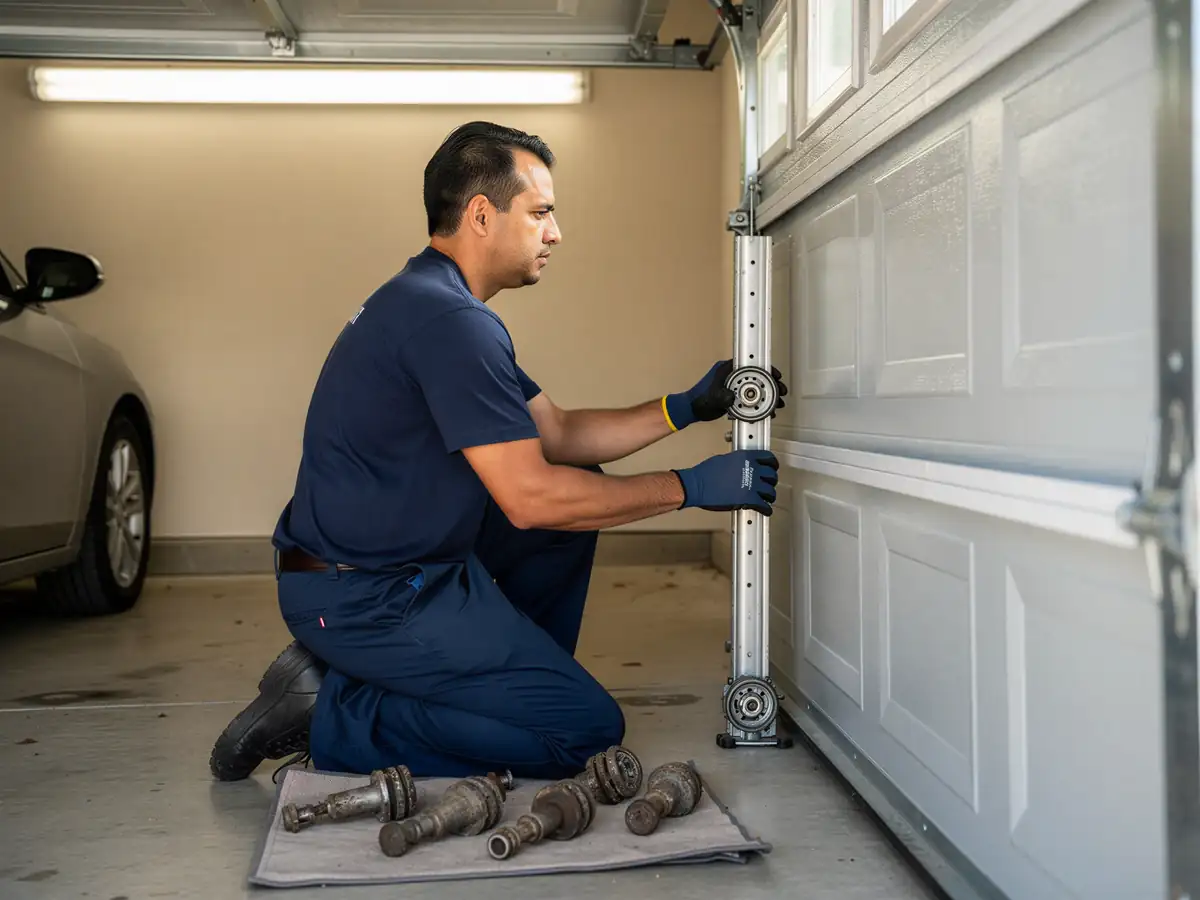
Standard panel sections, rollers, cables, and the sensor and gear-kit parts for the common opener brands installed during that era are stocked as a matter of course
Given how many island homes have been upgraded to heavier insulated doors, the truck also carries the stronger springs those doors need rather than just the lighter stock size.
The limitation is custom and oversized doors
Anything built wider or taller than standard garage openings, or a specialty panel style ordered for a particular house, isn't something carried on the truck as a guess. That gets measured on site and ordered in, which means a short wait on the part rather than a same-visit swap. It's a smaller slice of calls, but it does come up more on larger island lots than it does on a typical in-town block.