Time on the Job
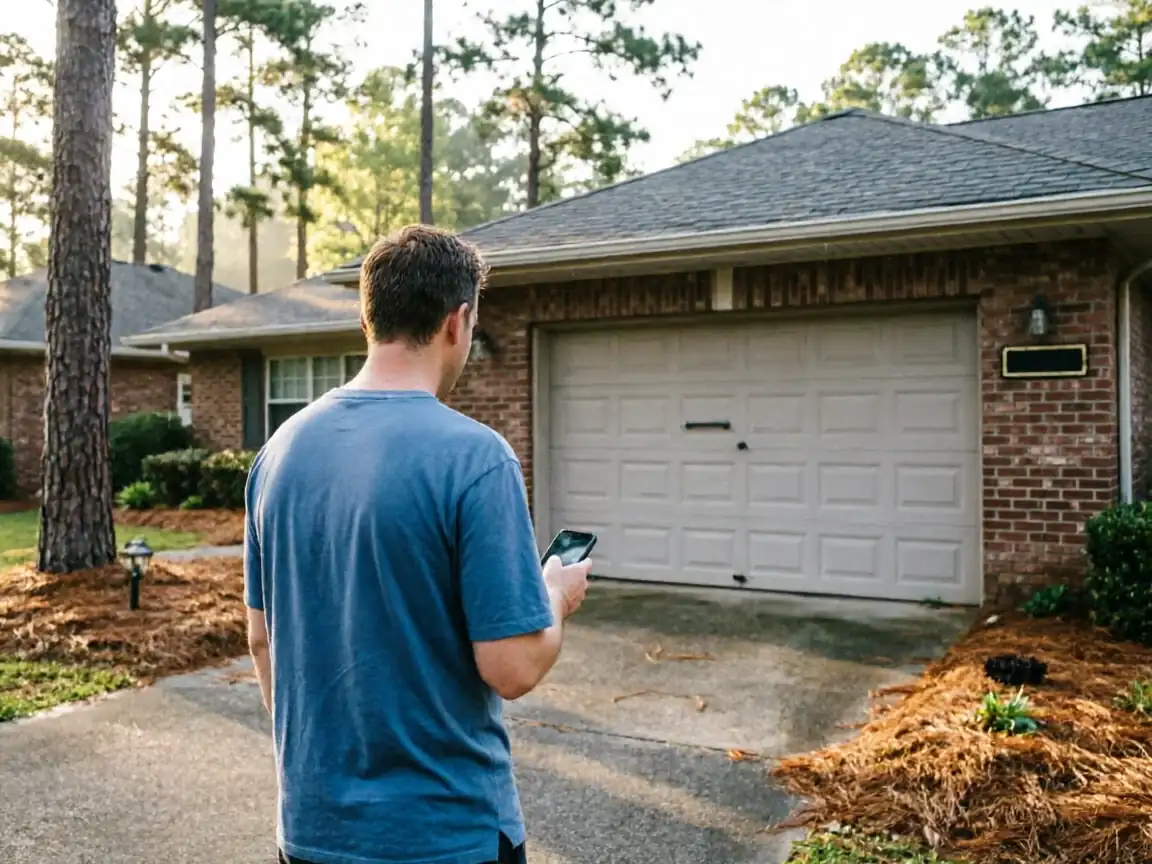
Isle of Hope sits about 9 miles from our shop in Savannah
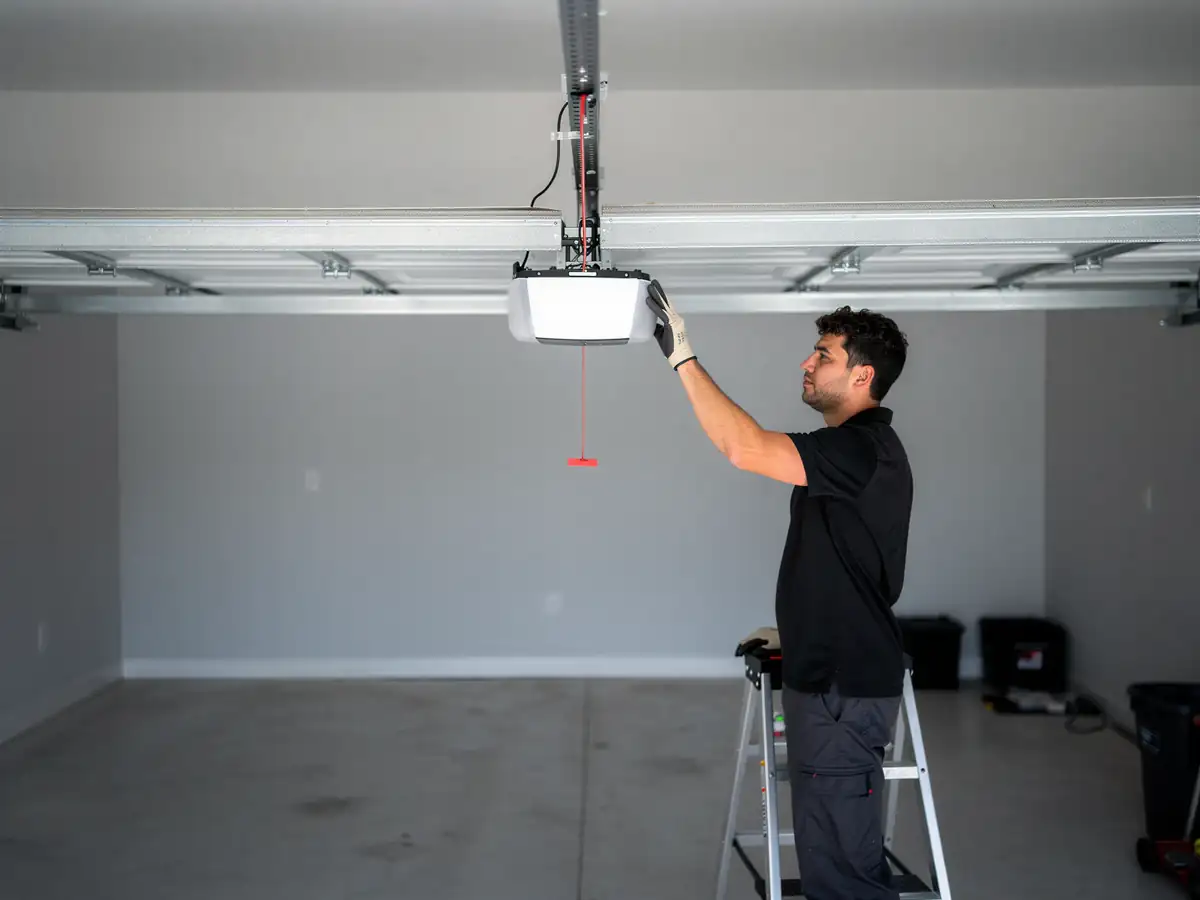
Which puts it on the far side of our normal run but not outside it. A truck heading out here carries everything needed for a full opener swap in one trip, because driving back for a forgotten part turns a half-day job into a lost afternoon. That matters more here than in neighborhoods closer to the shop, where a second trip costs us twenty minutes instead of forty.
- 9 miles
We don't pretend to have a branch on the island or a crew that lives nearby
The work gets scheduled the same way any out-of-town call does: we confirm the opener brand, the door weight, and whether the existing rail and bracket can be reused before the truck leaves. That one phone call upfront saves the trip from being wasted on a mismatch we could have caught from the shop.
Median household income here runs $101,316, well above the $86,500 median across the wider service area
Which tends to mean owners replacing an opener are doing it on their own schedule rather than after a full failure - a detail that changes how we quote the visit, not how long the drive takes.
Why This Fails Locally
The housing stock across the broader service area runs 1964 through 2011, with a lot of it dating to the 1980s and 90s. Isle of Hope skews older than that average - homes here cluster around 1964, which puts a real share of these garage doors on openers installed, or at least first installed, well before 1993. That year matters because it's when federal law required photo-eye safety sensors on new residential openers. A door built in 1964 may have been retrofitted since, but plenty haven't, and we still find openers out here with no sensors at all, relying only on a mechanical reversing mechanism that doesn't meet current code.
The climate here is mild with occasional freeze risk, so the failures we see aren't cold-snap horror stories - they're age. Chain-drive units from decades back running on original gearing, logic boards that have outlived their circuit life, and remotes using frequencies that newer openers don't even support. Swapping in a modern unit without addressing a sensor-less setup means you've installed a new opener on a door that still isn't up to current safety standards. That's the actual local problem, not a generic 'openers wear out' pitch.
Booking a Visit
Because we're coming from Savannah, we ask a few things before we commit a truck to the drive: the door's width and weight (single or double), whether there's an existing rail or if we're starting fresh, and your preference between chain, belt, or screw drive. For a neighborhood with only 952 households, we're not running past here daily, so bundling the diagnostic and the install into one visit is the standard approach rather than a two-trip process.
If your opener is original to a 1964-era door with no photo-eye sensors, say so when you call - it changes what we bring. We'd rather show up with sensor brackets and extra low-voltage wire already on the truck than discover the gap once we're on your driveway. You can see what else we cover for the island on our service page, and if you're comparing opener options more broadly before deciding, our main installation page for the Savannah area covers brands and drive types in more depth.
How We Fix It
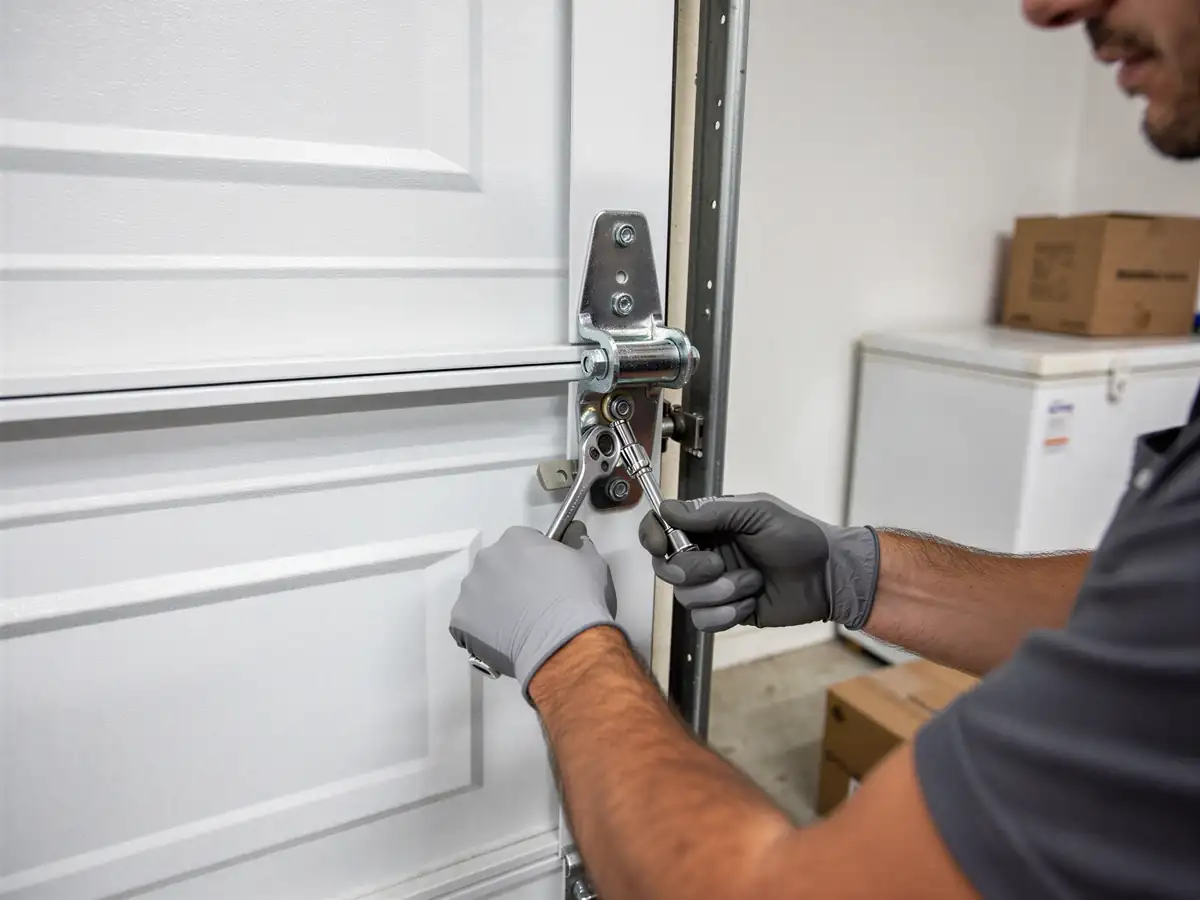
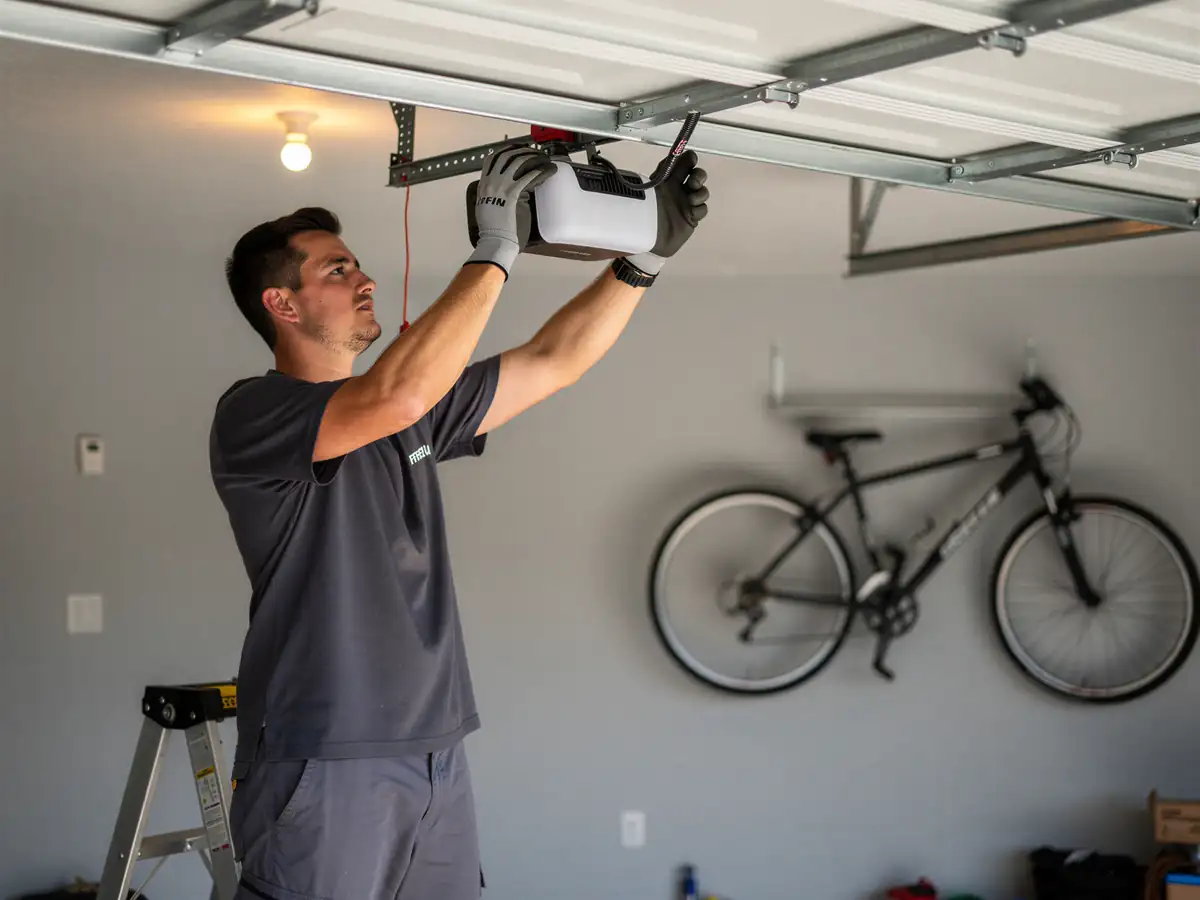
On a 1964-era door, the opener swap is rarely just unbolt-and-replace
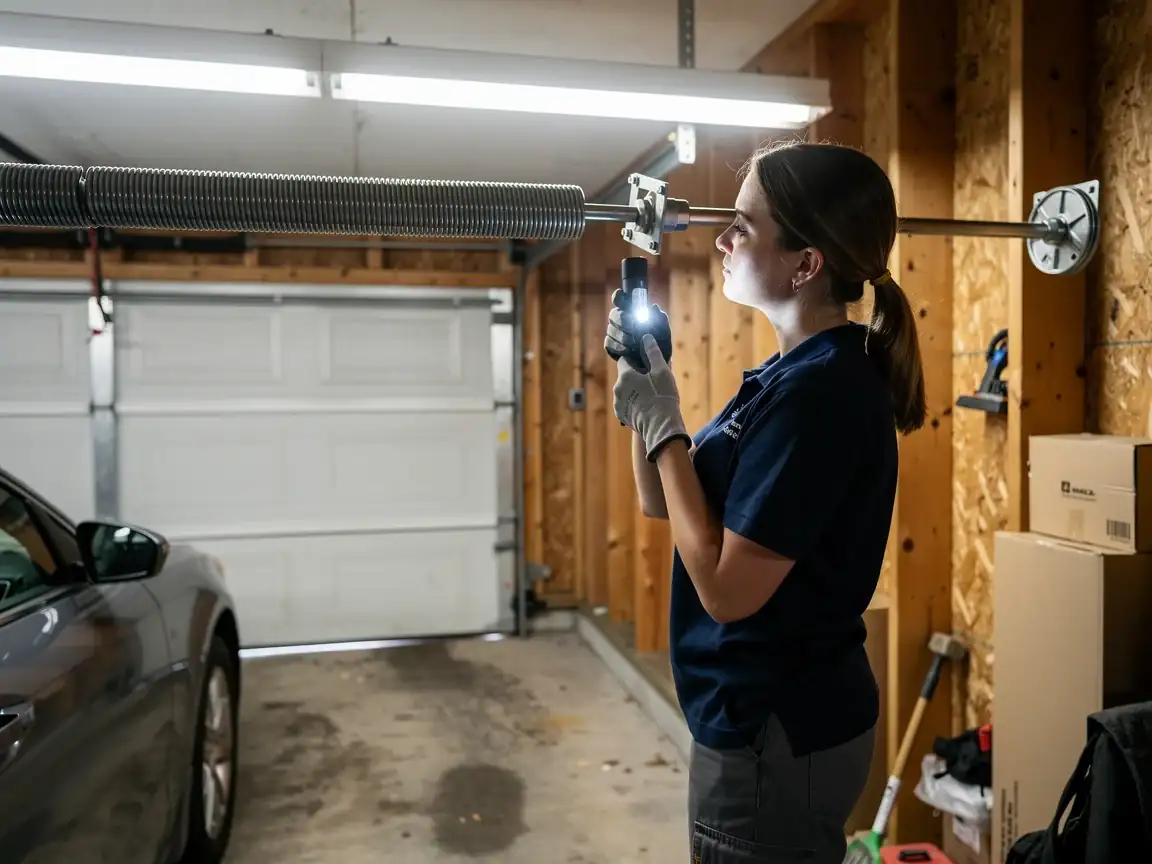
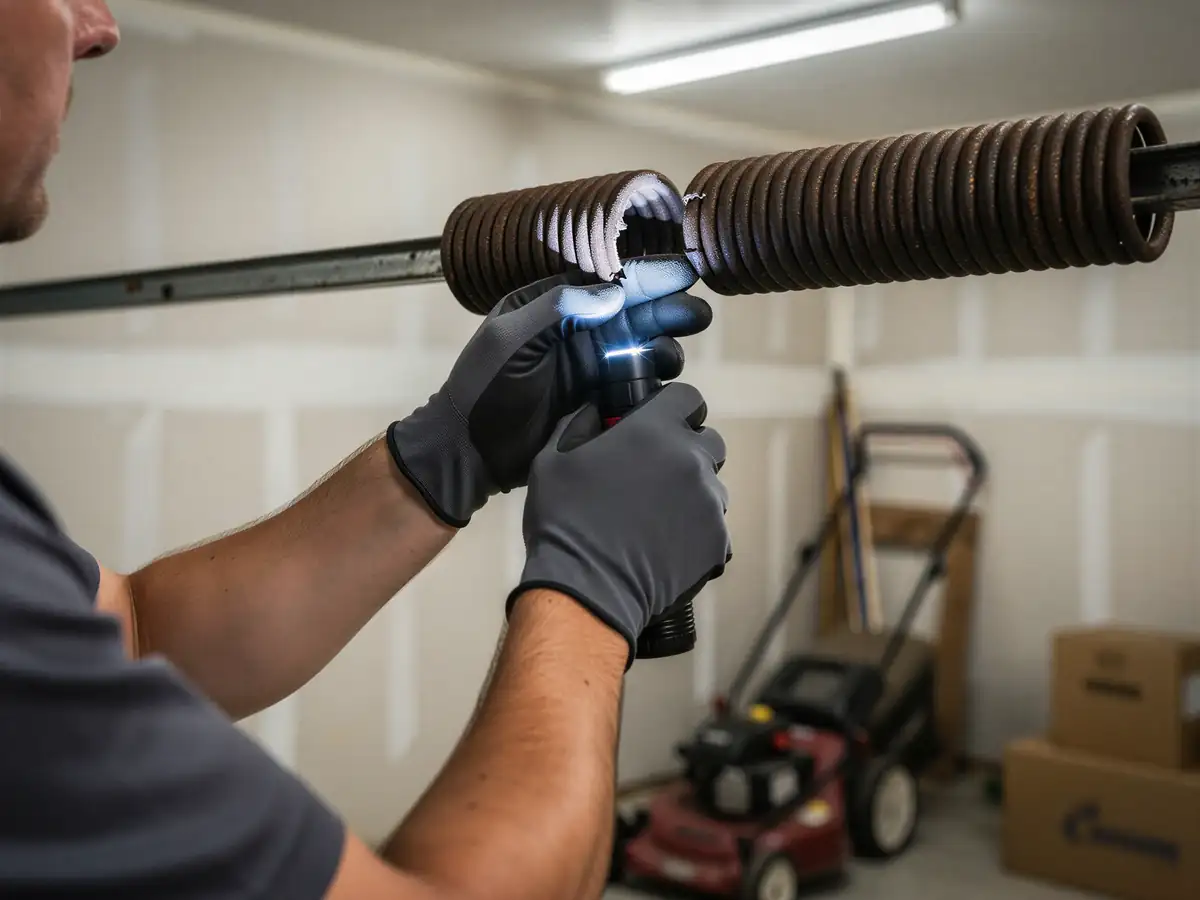
We check the door's balance first - an opener fighting a spring that's lost tension will burn out early no matter how new it is. If the door isn't balanced, that gets addressed before the opener goes in, not after.
For homes still running a sensor-less setup
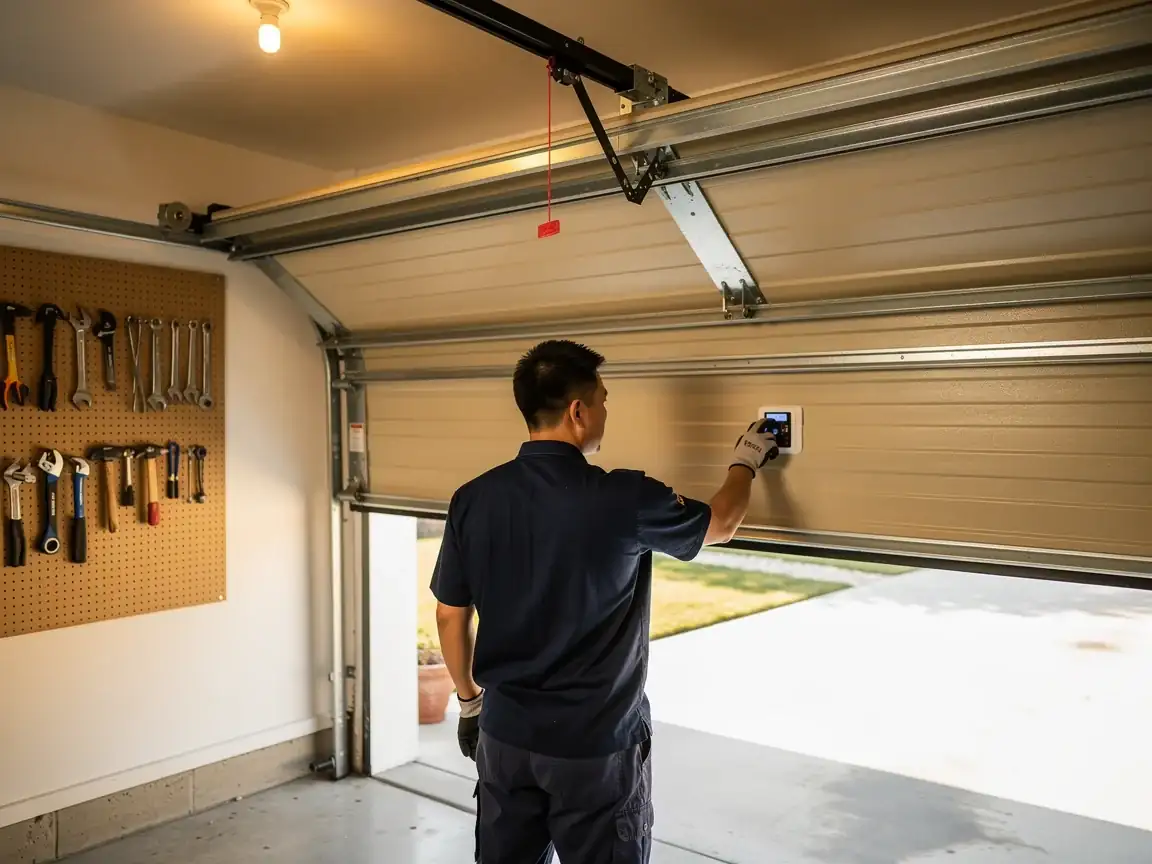
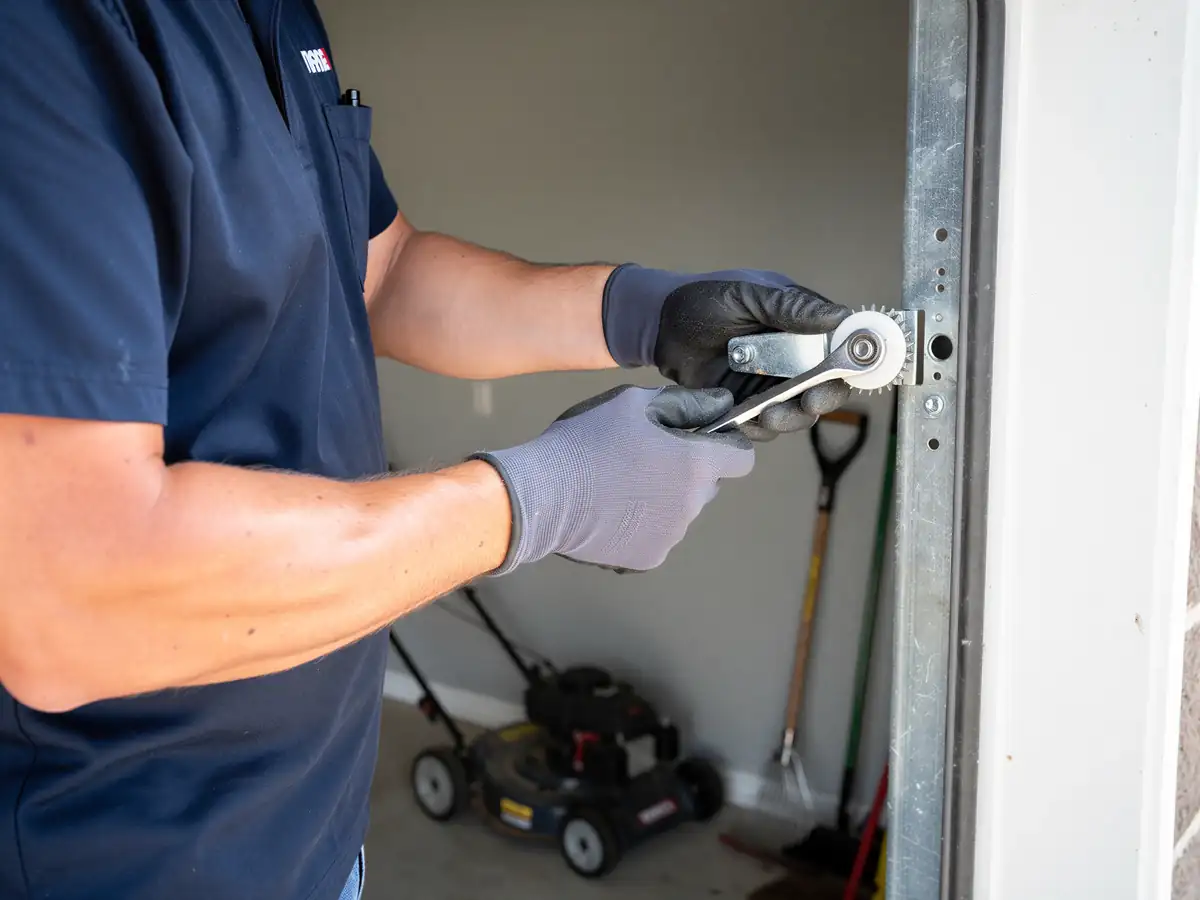
We install photo-eye sensors as part of the job, wired to the new unit, even when it means running new low-voltage cable along the track where none existed. We also check the wall button and wiring gauge; original control wiring from this era is often too light for a modern opener's circuit board and can cause intermittent faults within the first year if left in place.
One limitation worth saying plainly
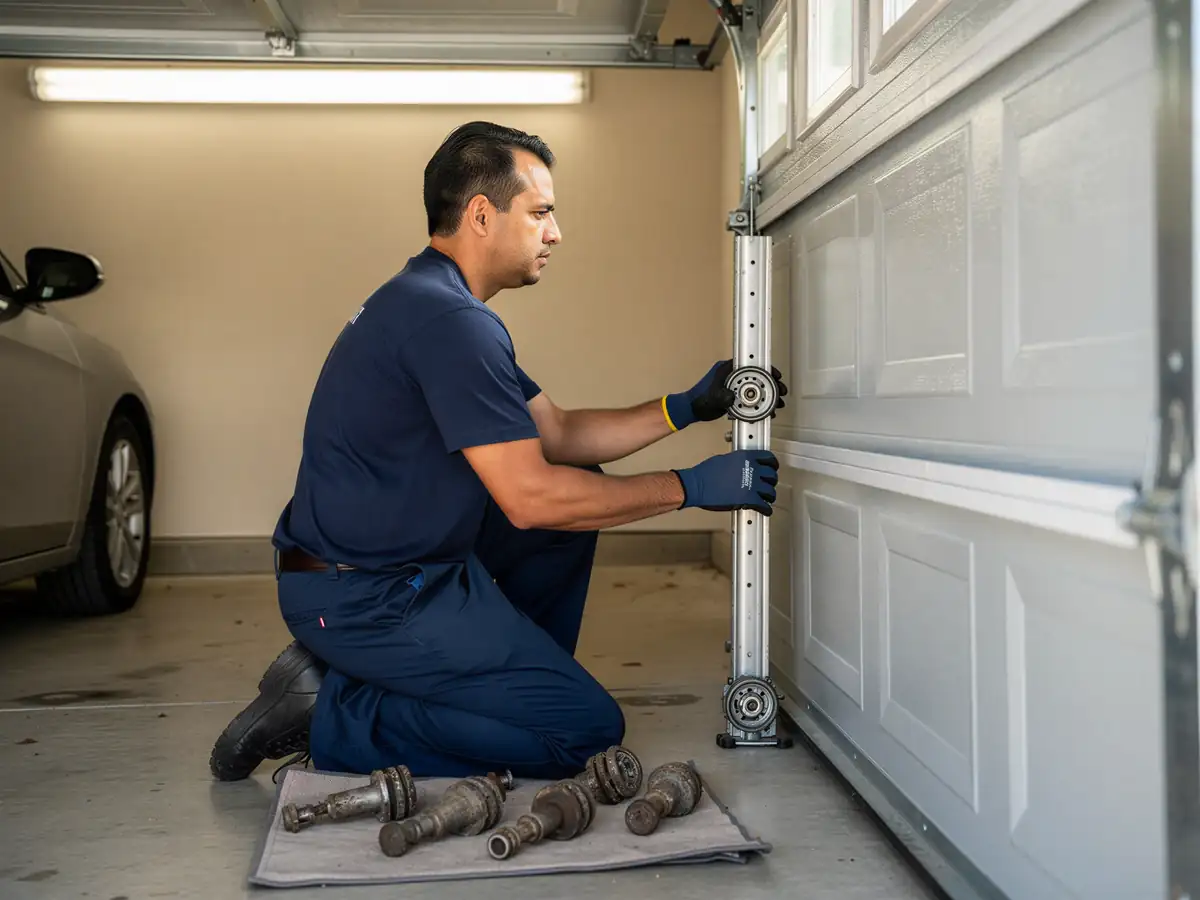
If the existing rail or header bracket is bent, rusted through, or undersized for a heavier modern door, we won't reuse it just to save a trip charge. Forcing a new opener onto bad hardware is how you end up back on the phone in six months, and that's not worth it for either of us.