Time on the Job
The call we get most on Isle of Hope isn't a torsion spring snapping over the opener
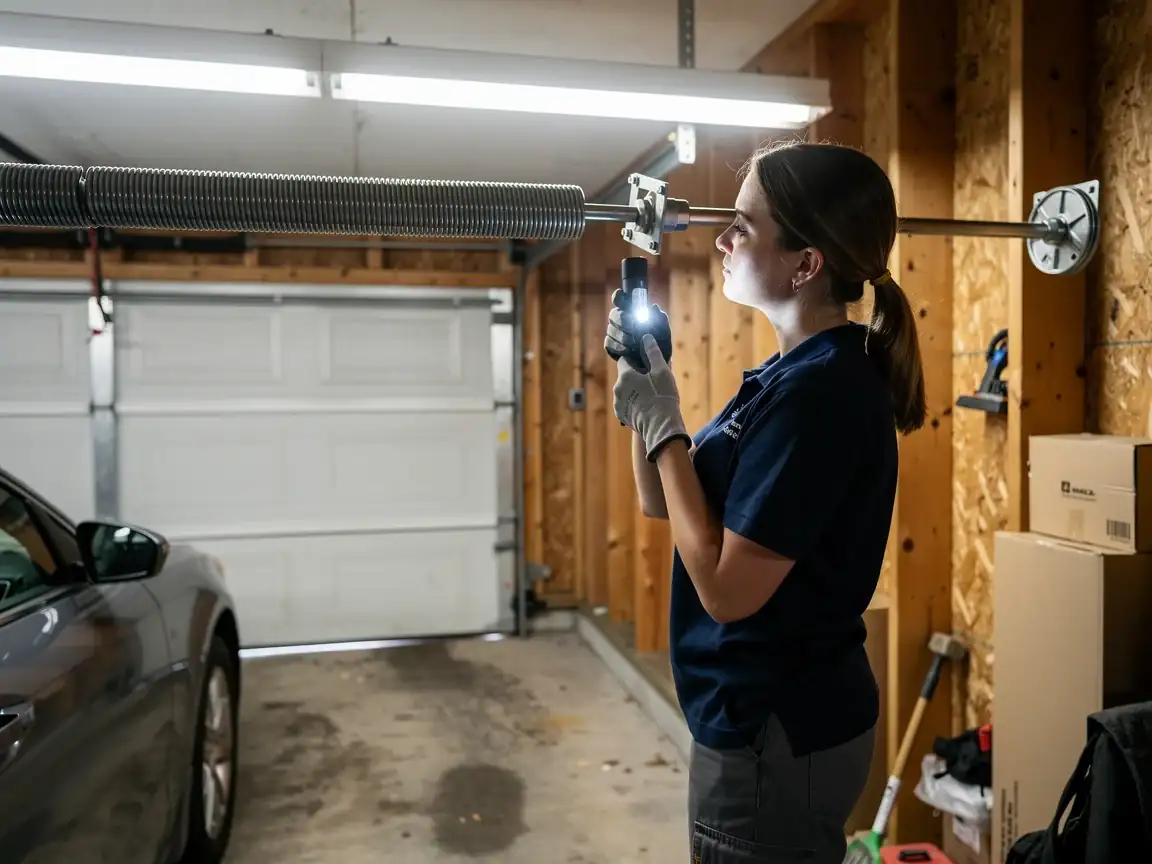
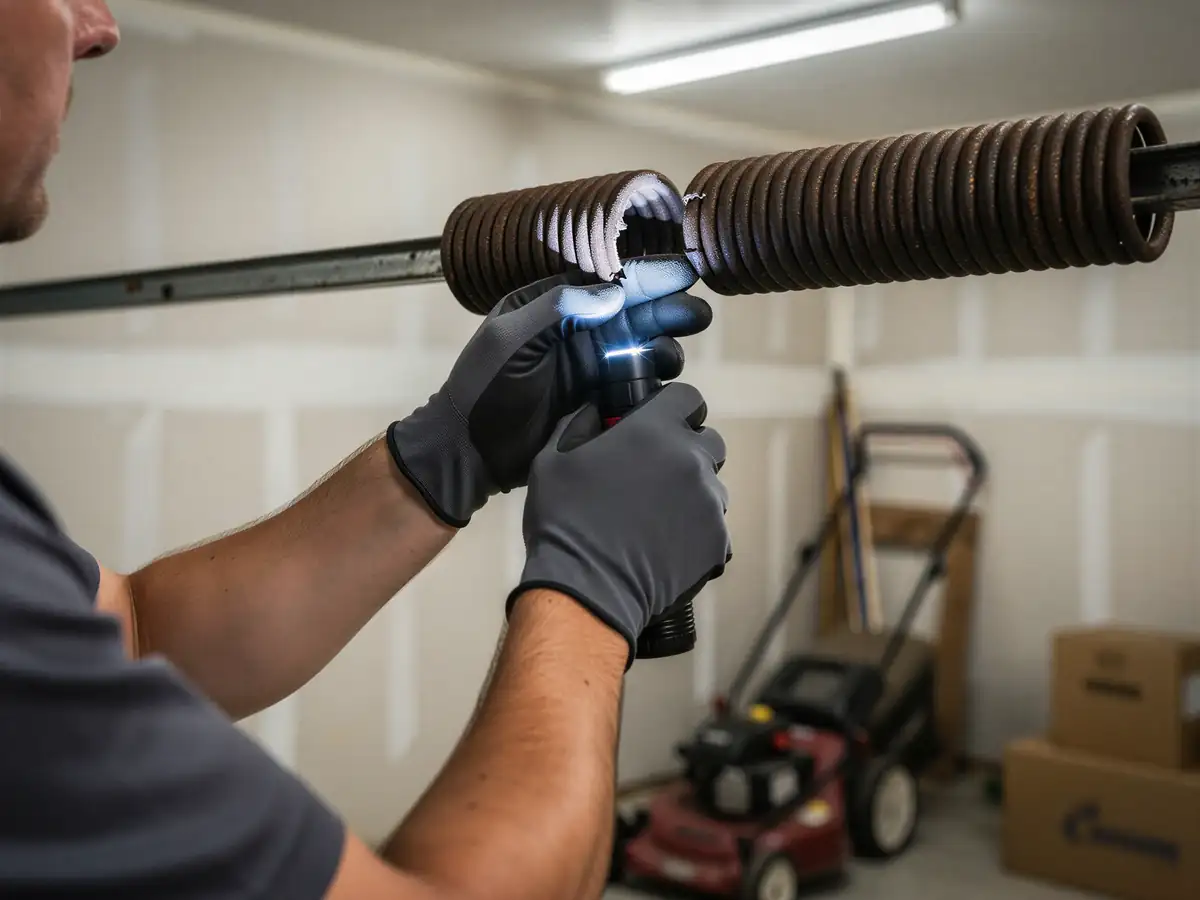
It's an extension spring, the kind strung along a horizontal track above the door instead of coiled on a bar across the header. That setup was standard when these houses went up, and it's a different animal to work on: pulleys, safety cables (if they were ever added), and a spring that stretches instead of twists.
Most of the houses on Isle of Hope went up around 1964
A full twenty-six years before the median build year across the rest of the Savannah service area, where 1980s and 90s torsion-and-drum setups are the norm. That gap matters. A tech who shows up expecting a torsion bar and finds an extension spring wastes a trip, or worse, grabs the wrong part off the truck. On this island, we plan for the older setup first and the newer one second.
Why This Fails Locally
Extension springs lose tension the same way torsion springs do, just on a slower, less dramatic curve - they stretch, sag, and eventually one side gives out while the other still looks fine. On a door that's been opening and closing since 1964, that imbalance has had six decades to work on the track alignment and the rollers too, so a spring failure rarely shows up alone.
Isle of Hope is a small area - 952 households - so we're not chasing the volume of calls you'd get out of a subdivision built in the 90s. But at a median household income of $101,316, well above the $86,500 median across the wider service area, most owners here choose to replace an aging opener outright rather than patch together parts for a motor that's been running since long before smart-home anything existed. That decision shows up more here than almost anywhere else on our route.
Booking a Visit
We run the job from Savannah - it's a nine-mile drive out to Isle of Hope, close enough that we bring the right spring size on the first trip instead of guessing and coming back. There's no branch or depot on the island itself; every visit starts with that drive, so we schedule it rather than treat it as a drop-in.
One honest limitation: original extension-spring hardware from the 1964 window isn't something every supplier keeps on the shelf in the exact length and wire gauge these doors used. If your door needs an exact match rather than a torsion conversion, that part sometimes has to be ordered, which adds a day or two we can't shortcut. We'll tell you that up front rather than promise a same-visit fix we can't back up.
How We Fix It
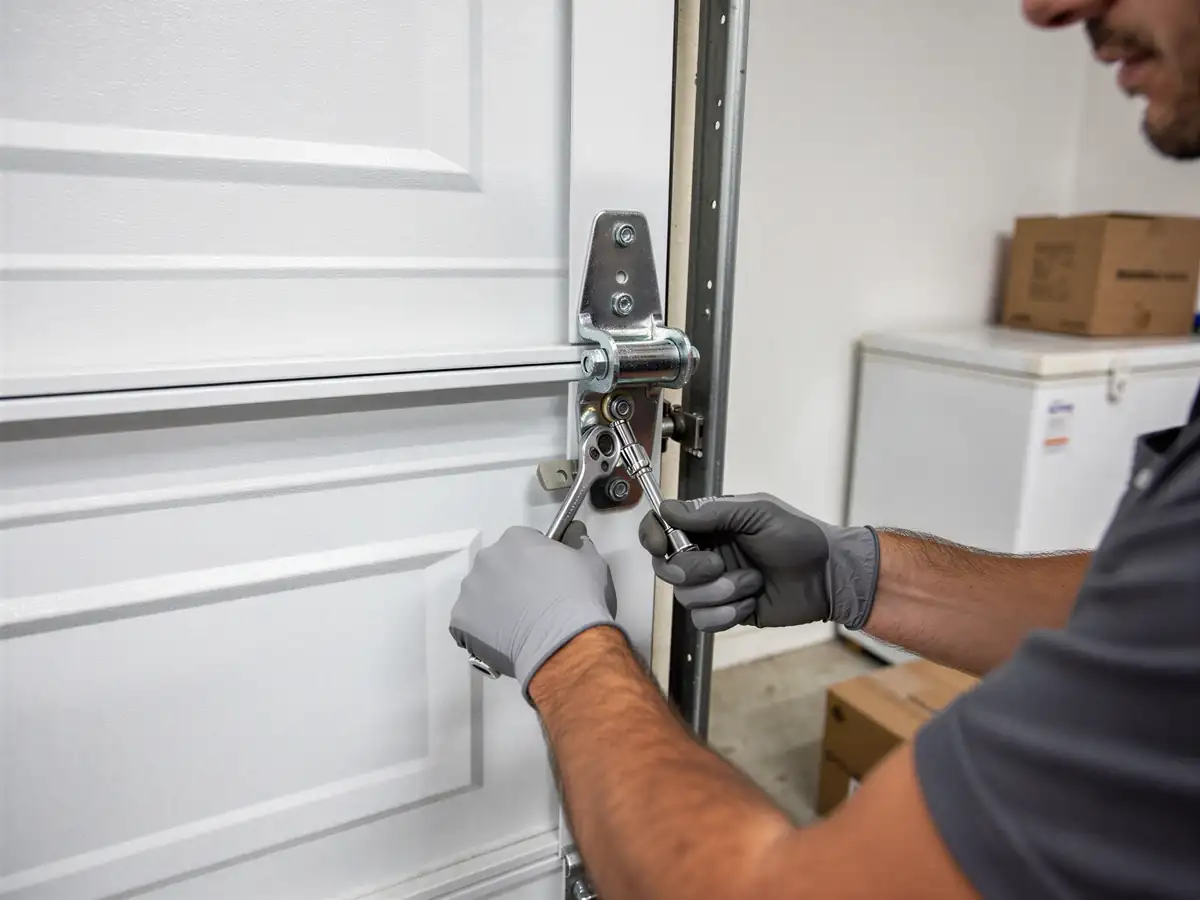
On a door still running its original 1964-era extension springs, we check the track alignment and roller wear first
A spring replaced on a track that's shifted over sixty years just fails again faster. Doors from that window often run on quarter-inch extension springs mounted along the horizontal track, not the torsion bar you'd find on anything built after the 1980s, so we size for that rather than assume.
For most owners here, given the choice the income numbers suggest they're willing to make
Converting to a torsion system solves the imbalance problem for good instead of managing it call by call. That's not always the right call on a door that's otherwise solid - sometimes a straight spring swap and a track adjustment is the honest answer, and we'll say so instead of upselling a conversion nobody asked for.